Compare the equipment
Specifications for your rental planning
These published examples describe named company units. The supplied equipment, configuration and availability are confirmed for your project address.
BXRT20–1Refrigerated trailer
- Nominal length
- 20ft
- Listed electrical supply
- 220V · single-phase · 40–60A
- Inventory temperature label
- 32°F
MT1Refrigerated trailer
- Nominal length
- 20ft
- Listed electrical supply
- 220V · single-phase · 40–60A
- Inventory temperature label
- 15°F
LT2Refrigerated trailer
- Nominal length
- 20ft
- Listed electrical supply
- 220V · single-phase · 40–60A
- Inventory temperature label
- -5°F
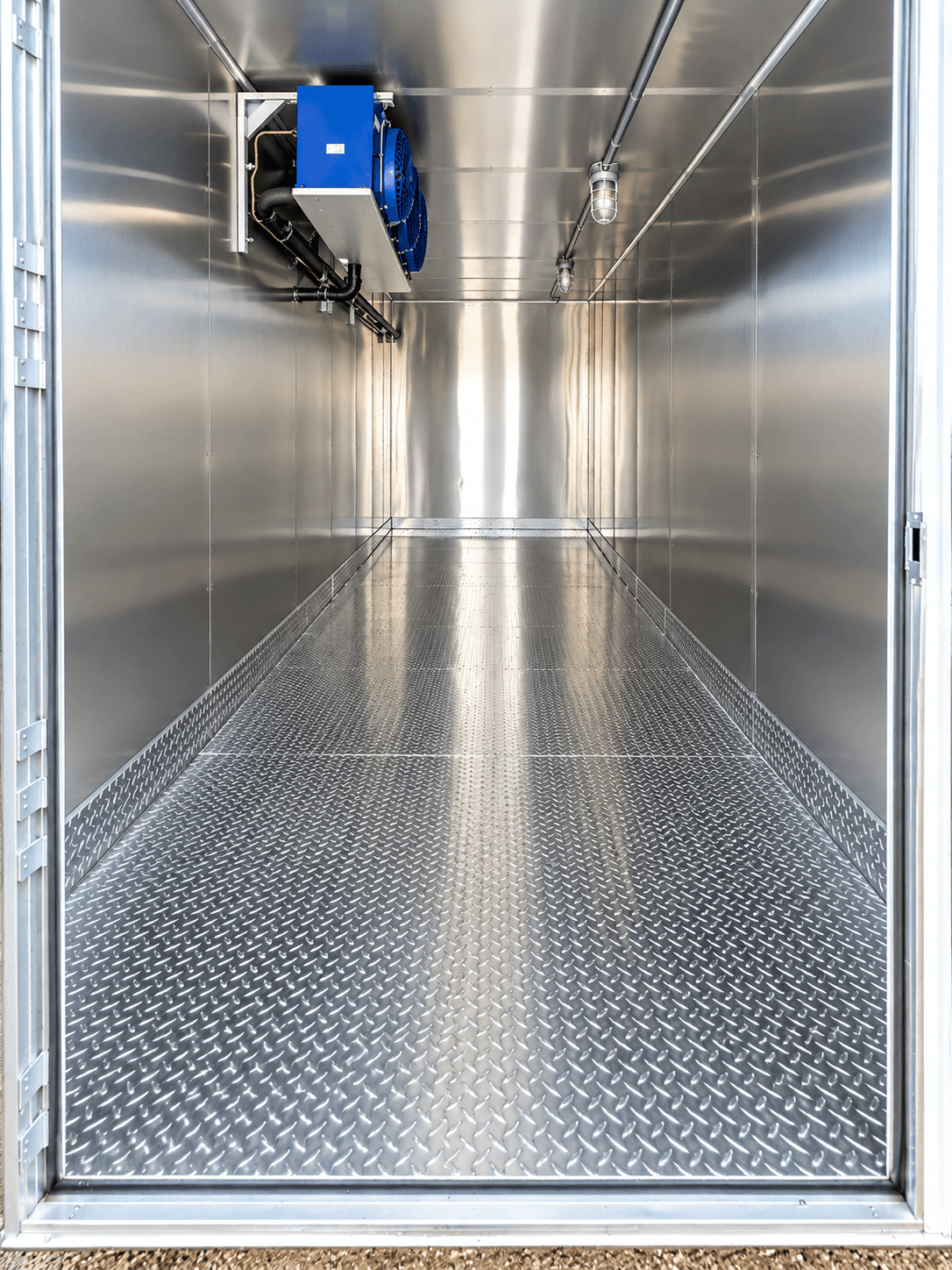
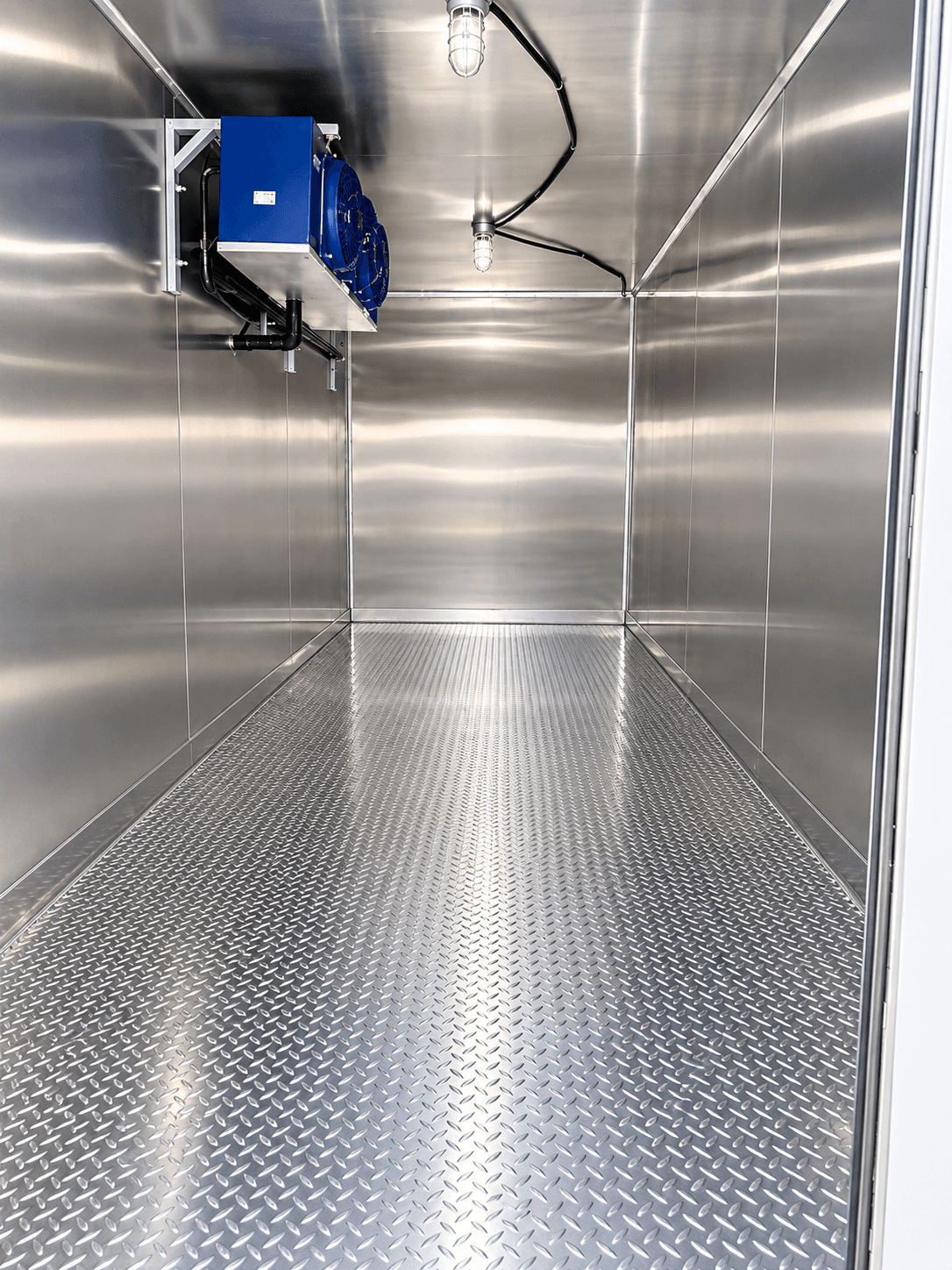
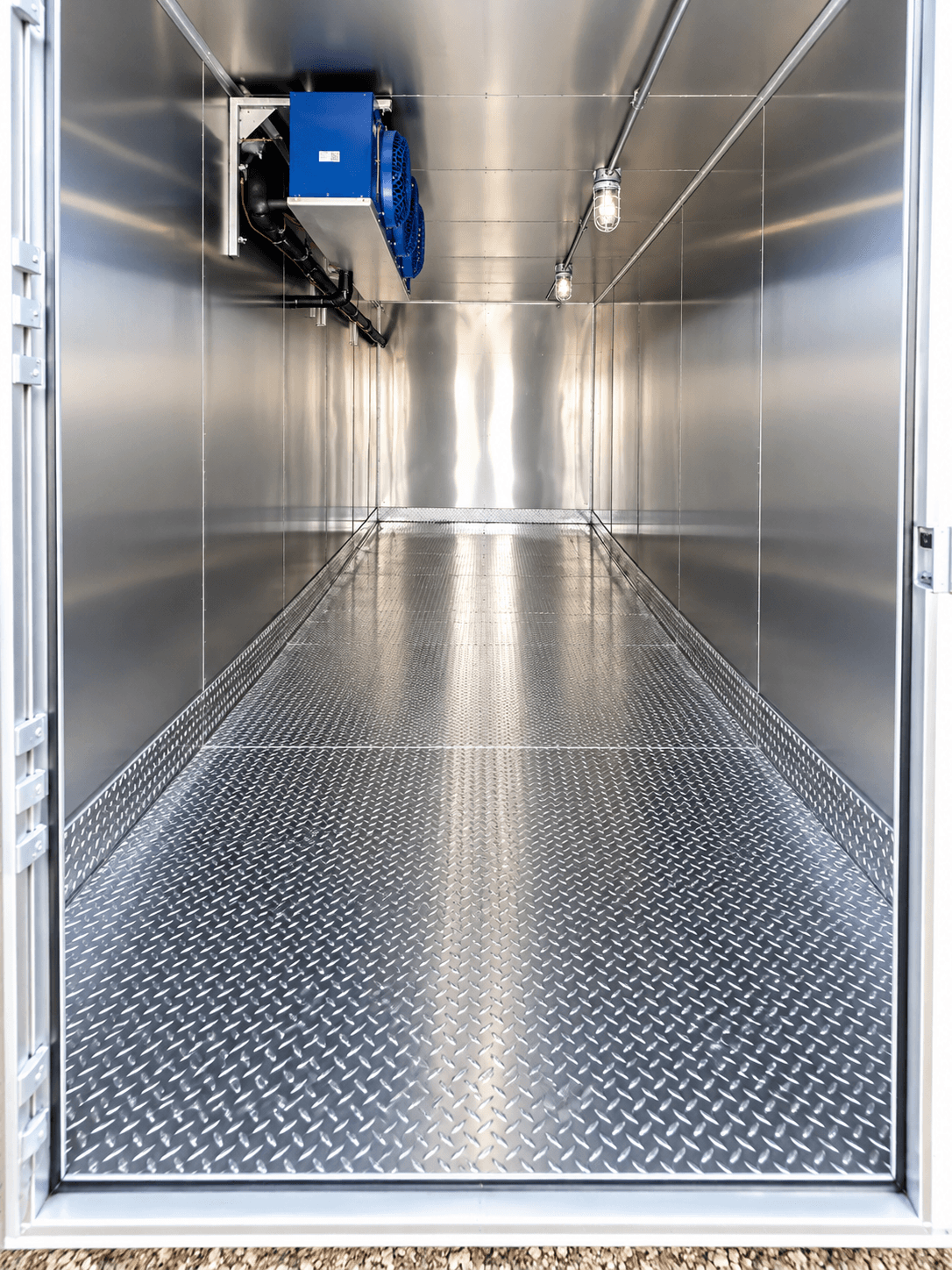
Listed refrigeration trailer equipment: condensing unit, amps panel, lighting.
Other cold-storage model details
- 12FT Refrigerated TrailerBXRT12–1 and BXRT12–2 list 220V · single-phase · 40–60A and a 32°F inventory label. Both are named as 12ft models, but their records also mention 20ft, so your quote confirms the length.
- 20FT Refrigerated ContainerYour quote confirms this container’s power, temperature and storage space for your project.
- 40FT Refrigerated ContainerYour quote confirms this container’s power, temperature and storage space for your project.
Equipment records reviewed October 19, 2026. Temperature labels are inventory labels, not verified operating ranges. Nominal length is a model label, not a measure of usable space or site footprint.
Connect early deliveries with every service allocation
The function operations lead needs to distinguish ingredients committed to each service period from supplies shared across the function. Early deliveries can create the largest holding load before the public program begins. Keep acknowledged supplier instructions and ingredients already on site alongside an amended service order. Moving a service time does not by itself change the delivery or settle how the remaining stock will be used.
Compare holding equipment with the full service cycle
BXRT20–1 in the 20FT Refrigerated Trailer guide lists a condensing unit, amps panel and lighting, with a 32°F inventory label. That label is not a complete operating range or a common condition for all catering ingredients. Required conditions and the offered unit’s usable capacity remain separate checks.
A refrigerated container offers nominal 20ft and 40ft alternatives whose temperature capabilities and electrical requirements also remain unconfirmed.
Compare the offered refrigeration trailer or container with supplier cases, service allocations and repeated collections for preparation. Include stock remaining after the last service; public start and finish times do not define the entire holding requirement.
Plan your rental around hospitality service
Hospitality teams arranging repairs in Fort Lauderdale or at a separate South Carolina property can plan the return to permanent rooms alongside the initial stock transfer. Describe the packaging, busiest retrieval period and employee route rather than using guest numbers alone to explain the space needed.
Distinguish holding from other temperature tasks
Explain what the equipment is expected to do with the goods after they enter. Holding already chilled stock is a different request from asking whether a particular load can be cooled from another starting condition. Describe the arrival condition and intended use, then ask which requirements should be considered in the equipment review. Include frozen goods separately where relevant. The operation's product owner should supply the handling requirements and decide what checks are needed. Request the relevant specifications for the equipment being considered, then compare them with the actual task before approving a rental arrangement.
Make room for the working load
An inventory count should include packaging, the way products are stacked, and the space staff need to handle them. Describe the storage carriers you actually use, including crates, trays, carts or pallets, and provide dimensions for the larger packages. Identify goods that must remain easy to find and any stock that cannot be moved repeatedly during the project. If the inventory changes by shift, provide that pattern too. Discuss the layout with the equipment contact and the person responsible for operations. Confirm the proposed interior layout and loading arrangement for the equipment being discussed with your team.
Keep cooking and returned ware attached to each service handover
If cooking also moves, K14 in the 38FT Mobile Kitchen Trailer Rental guide lists a single-stack convection oven, griddle/oven, six-burner range/oven, deep fryers and reach-in refrigerator/freezer. Compare those appliances with preparation and finishing tasks before each service, rather than assuming the reserve holding requirement supplies cooking equipment.
D1 in the 22FT Dishwashing Trailer Rental guide lists a low-temperature push-through dishwasher, soil tray, scraping table and sinks. Used items waiting and clean items returning to service need routes separate from ingredient retrieval. Keep selected-unit instructions and concern contacts available to each service lead, including who reviews changed products, intended use and the final stock transfer.
Connect the storage position to the work
Think through the route staff will use between the temporary store and the area where products are needed. Describe changes in level, doors, shared passageways and the equipment used to move stock. Identify where pedestrians, deliveries and other work might cross that route so the site team can review the arrangement. Ask about entry and loading details for the particular unit, including any access options that need discussion. A convenient parking position is only one part of the plan. The people managing the site and handling the products should understand the proposed working route before a location is finalized.
Compare the named electrical entries with event services
BXRT20–1 lists 220V single-phase at 40–60A; K14 lists 220V single-phase at 200–220A; D1 lists 220V single-phase at 150A. Matching voltage does not establish a common connector or suitable supply. The responsible site professional needs the selected units’ requirements and exact connections, with planned shutdowns or separate power arrangements identified for review.
Plan the handover between storage arrangements
Describe how the operation expects to move from its existing refrigeration into a temporary arrangement and back again. Include the people responsible for authorizing each move, the products affected and any receiving commitments during the transition. Ask what needs confirmation before the temporary unit is brought into use. Where the repair program is uncertain, explain the decision points and who will provide an updated schedule as the work develops. Discuss the process for extending the rental and requesting collection once the operation is ready. The schedule should support a controlled handover, with the required equipment and commercial terms confirmed separately for the proposed booking.
Keep the last acknowledged stock movement in the quote
Request current availability and a quote covering the offered equipment, rental period, delivery, collection and additional items. Compare the scope with the current service allocations and remaining ingredients. An amended public timetable should not silently become an equipment collection instruction while goods still need holding.
Contact Worldwide Refrigerated Container Rental Facilities at +1 877-804-5153. Share your stock, site and dates, then ask about current equipment availability, rental or lease terms, delivery arrangements and a quote.
Assign staged function stock to its service decision
For successive service periods, the function operations lead can identify which ingredients are committed to each stage and which supplies are shared. Keep supplier arrivals and preparation tasks attached to those allocations. A later service starting at a different time may change staff activity without changing the delivery, so review both before updating the temporary-storage requirement.
A handover example can follow one amended function order through purchasing and preparation. Record the acknowledged supplier instruction, the stock already on site and the person deciding how the revised service will use it. Give the next service lead the same version. If the amendment changes the peak overlap or expected holding period, describe that effect in the equipment inquiry instead of treating the public schedule as a complete logistics record.
Discuss your cold storage rental.
Confirm the equipment, delivery location, and rental period that fit your project.
Request availability