Compare the equipment
Specifications for your rental planning
These published examples describe named company units. The supplied equipment, configuration and availability are confirmed for your project address.
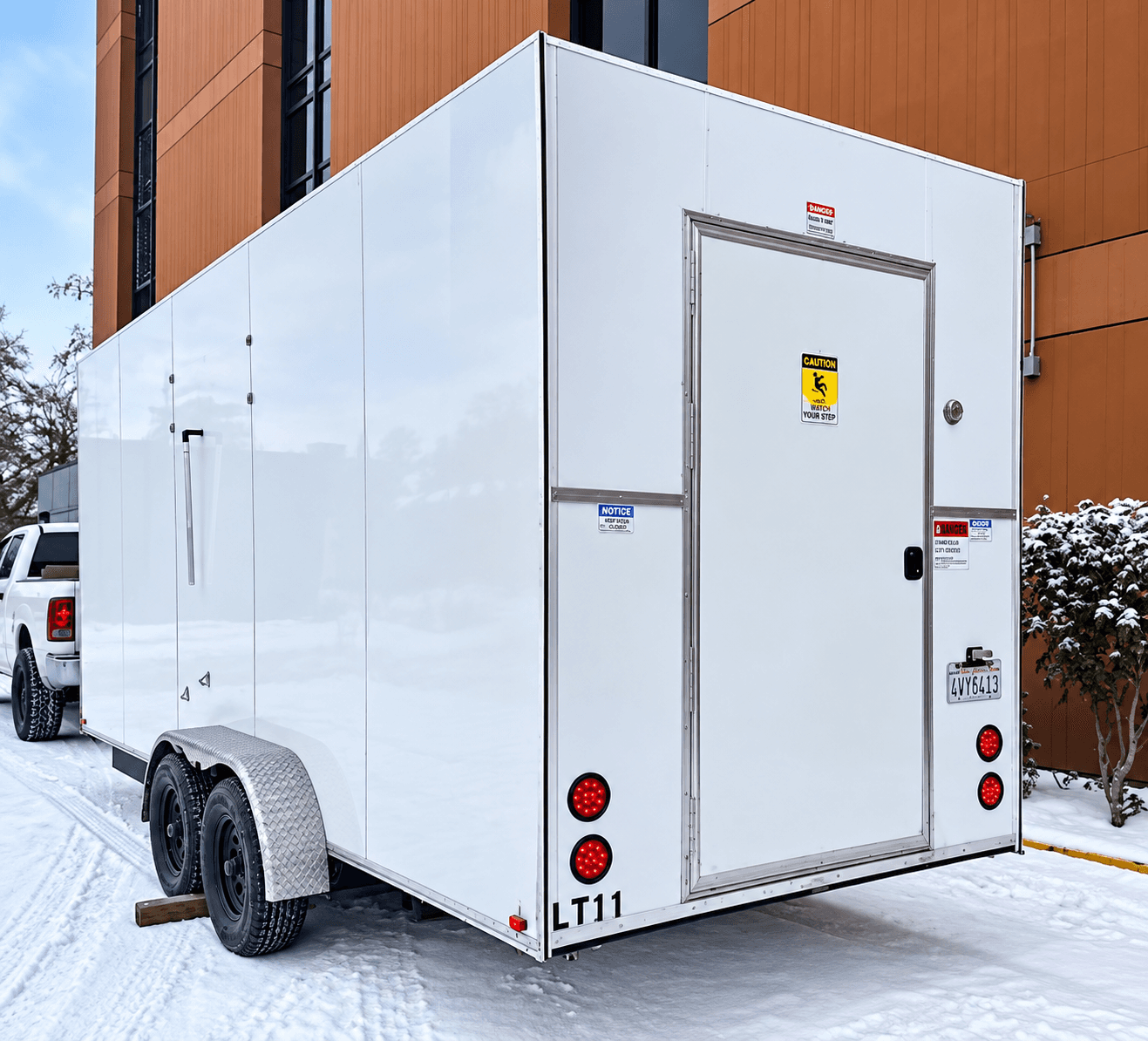
BXRT20–1Refrigerated trailer
- Nominal length
- 20ft
- Listed electrical supply
- 220V · single-phase · 40–60A
- Inventory temperature label
- 32°F
MT1Refrigerated trailer
- Nominal length
- 20ft
- Listed electrical supply
- 220V · single-phase · 40–60A
- Inventory temperature label
- 15°F
LT2Refrigerated trailer
- Nominal length
- 20ft
- Listed electrical supply
- 220V · single-phase · 40–60A
- Inventory temperature label
- -5°F
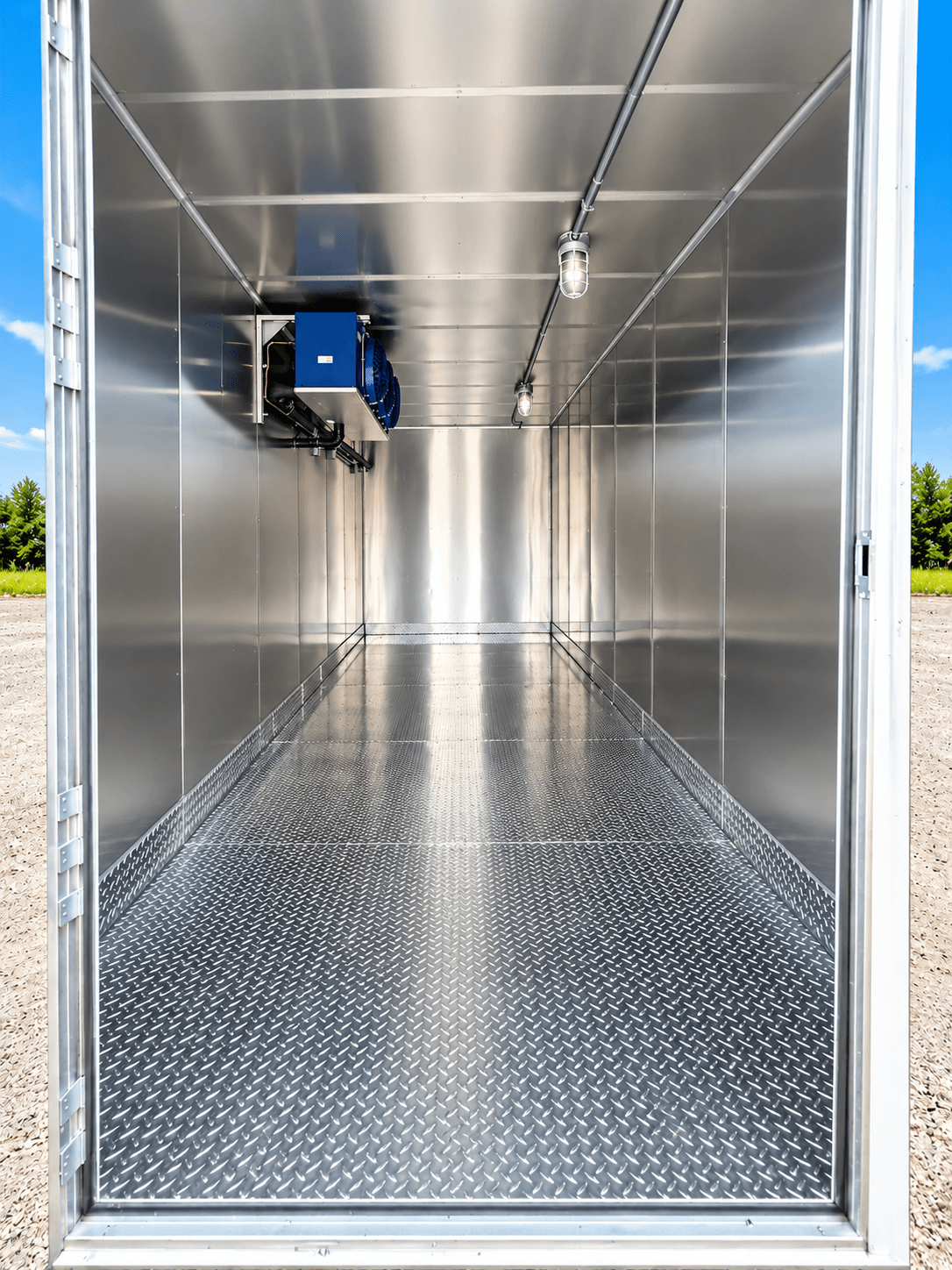
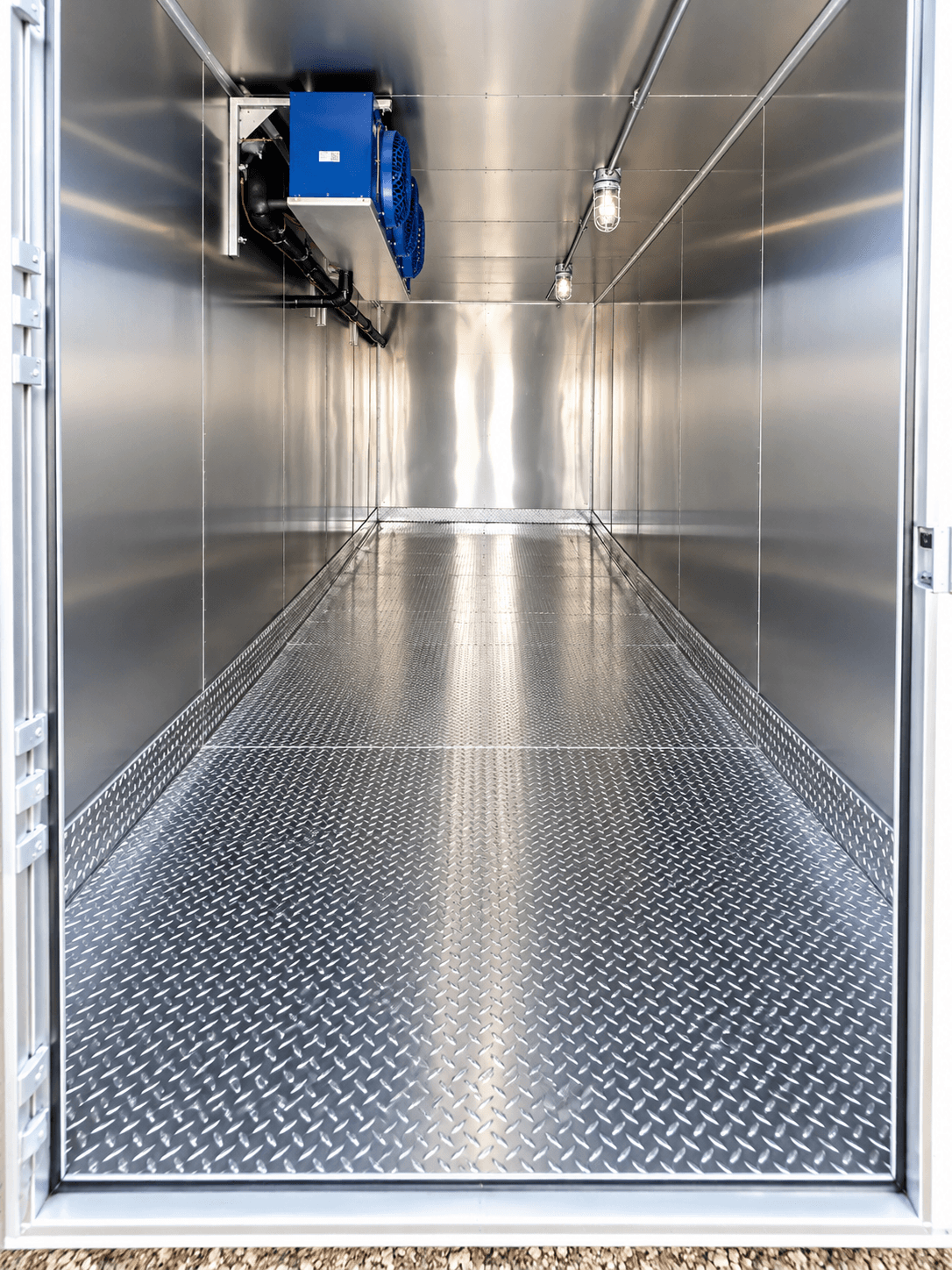
Listed refrigeration trailer equipment: condensing unit, amps panel, lighting.
Other cold-storage model details
- 12FT Refrigerated TrailerBXRT12–1 and BXRT12–2 list 220V · single-phase · 40–60A and a 32°F inventory label. Both are named as 12ft models, but their records also mention 20ft, so your quote confirms the length.
- 20FT Refrigerated ContainerYour quote confirms this container’s power, temperature and storage space for your project.
- 40FT Refrigerated ContainerYour quote confirms this container’s power, temperature and storage space for your project.
Equipment records reviewed October 19, 2026. Temperature labels are inventory labels, not verified operating ranges. Nominal length is a model label, not a measure of usable space or site footprint.
Keep ingredient movement separate from the renovation boundary
The institutional food-service lead needs a route from temporary holding to the preparation team that remains usable as renovation work advances. An ingredient delivery, a staff retrieval and a contractor movement may reach the same passage at different times. Keep the current instruction attached to the stock movement, including who can review a changed route. An early equipment position does not approve every later construction stage.
Compare the holding example with the working ingredient route
BXRT20–1 in the 20FT Refrigerated Trailer guide lists a condensing unit, amps panel and lighting, with a 32°F inventory label. The label is not a verified operating range; the products’ required conditions and the offered unit’s actual performance still need review.
A refrigerated container provides another holding comparison, with nominal 20ft and 40ft options whose usable capacity, temperature capabilities and electrical requirements remain unconfirmed. Compare the offered refrigeration trailer or container with the ingredient packages, handling equipment and repeated journeys to preparation, rather than the parking space alone.
Coordinate your rental with events and catering
For events involving an Indianapolis venue or a separate Connecticut site, the organizer may need to agree who receives ingredients and manages preparation space. Confirm who checks stock at handover, who retains the delivery records, and how menu changes reach the staff receiving ingredients.
Connect the storage position to the work
Think through the route staff will use between the temporary store and the area where products are needed. Describe changes in level, doors, shared passageways and the equipment used to move stock. Identify where pedestrians, deliveries and other work might cross that route so the site team can review the arrangement. Ask about entry and loading details for the particular unit, including any access options that need discussion. A convenient parking position is only one part of the plan. The people managing the site and handling the products should understand the proposed working route before a location is finalized.
Separate storage requirements in the brief
Products with different handling requirements should be identified before an equipment request becomes a booking. State whether goods are chilled, frozen or subject to another documented storage condition, and describe any segregation your own procedures require. Explain which product groups can be considered together and which need a separate review. Explain which products arrive already conditioned and whether any incoming load presents a different requirement. Ask the rental team to review those details and discuss the equipment options that can be considered. Your product owner should decide the conditions and records required for the goods being stored.
Review the three electrical loads before services change
BXRT20–1 lists 220V single-phase at 40–60A. K1 lists 220V single-phase at 200A, while D1 lists 220V single-phase at 150A. Shared voltage does not make these connections interchangeable. The responsible site professional needs the selected units’ requirements and exact connectors, including the route of each connection and any shutdown planned during renovation.
Use decision points rather than an assumed deadline
When the end of an interruption depends on another contractor, describe the milestones that will determine your storage requirement. These might include completion of repair work, a site-services review or the operation's decision to transfer stock back. Give an expected schedule while making the uncertainty clear. Ask how the rental period could be extended and what steps are needed to request collection. Keep the contact responsible for updates identified throughout the inquiry. This gives the team a current description of the requirement and period, while keeping the operational milestones visible during the equipment and quotation discussion.
Include access patterns in the temperature brief
A storage request should describe how the space will be used, including deliveries, frequent retrievals and any periods when several people need access. Give those details to the equipment contact alongside the required product conditions. Ask what loading and operating guidance applies to the proposed unit, and have the relevant staff review it before use. If the temporary store serves different teams, establish a shared procedure for recording concerns and contacting the person in charge. This connects the required storage conditions with daily retrieval, stock deliveries and handover procedures for the people working with the goods.
Separate cooking and returned-ware tasks from the cold store
If cooking also moves, K1 in the 24FT Mobile Kitchen Trailer guide lists a single-stack convection oven, griddle/oven, six-burner range/oven, deep fryers and reach-in refrigerator/freezer. That cooking and preparation role differs from the reserve stock held in temporary refrigeration.
D1 in the 22FT Dishwashing Trailer Rental guide lists a low-temperature push-through dishwasher, soil tray, scraping table and sinks. Returned items need a washing route and a clean-item destination separate from incoming ingredients. Keep each unit’s instructions and the contact for equipment concerns available across shifts.
Price the storage period through the final ingredient transfer
Request current availability and a quote covering the offered units, rental period, delivery and collection. Include the return of ingredients to permanent storage and any construction change that could affect collection. Record unresolved site or product decisions alongside the proposal.
Contact Worldwide Refrigerated Container Rental Facilities at +1 877-804-5153. Share your stock, site and dates, then ask about current equipment availability, rental or lease terms, delivery arrangements and a quote.
Walk through one ingredient movement before works change
In the institutional kitchen example, choose an ordinary ingredient movement and trace it from the proposed temporary store to the preparation team. Ask the food-service lead where staff would meet a contractor boundary, a shared corridor or an unfamiliar handoff. Record the unanswered route question for the property contact; a line drawn on an early plan is not the same as an agreed operating arrangement.
Repeat that check against the next planned construction stage. A useful readiness note identifies the route under discussion, the person reviewing it and the instruction the kitchen team should follow once the review is complete. Keep ingredient handling decisions with the responsible food-service staff. The aim is to expose a conflict between work activities while there is still a clear person available to resolve it.
Discuss your cold storage rental.
Confirm the equipment, delivery location, and rental period that fit your project.
Request availability