BXRT20–1Refrigerated trailer
- Nominal length
- 20ft
- Listed electrical supply
- 220V · single-phase · 40–60A
- Inventory temperature label
- 32°F
Virginia refrigeration trailer rentals provide an alternative storage plan when a commercial walk-in cooler or freezer fails. Refrigerated containers and portable coolers or freezers also support planned renovations, with kitchen and dishwashing trailers discussed for related changes. Short-term rental and longer lease inquiries can cover restaurants, hotels, schools, hospitals and industrial food operations. Worldwide Refrigerated Container Rental Facilities serves Virginia businesses, coordinating the equipment proposal and delivery around the actual address and project dates. Describe the products needing storage, their required conditions and the proposed outside space to request availability and a current quote.
Emergency cooler or freezer failure in Virginia? A person answers rental inquiries 24/7. Availability and delivery timing are confirmed in your quote.
Plan your rental budget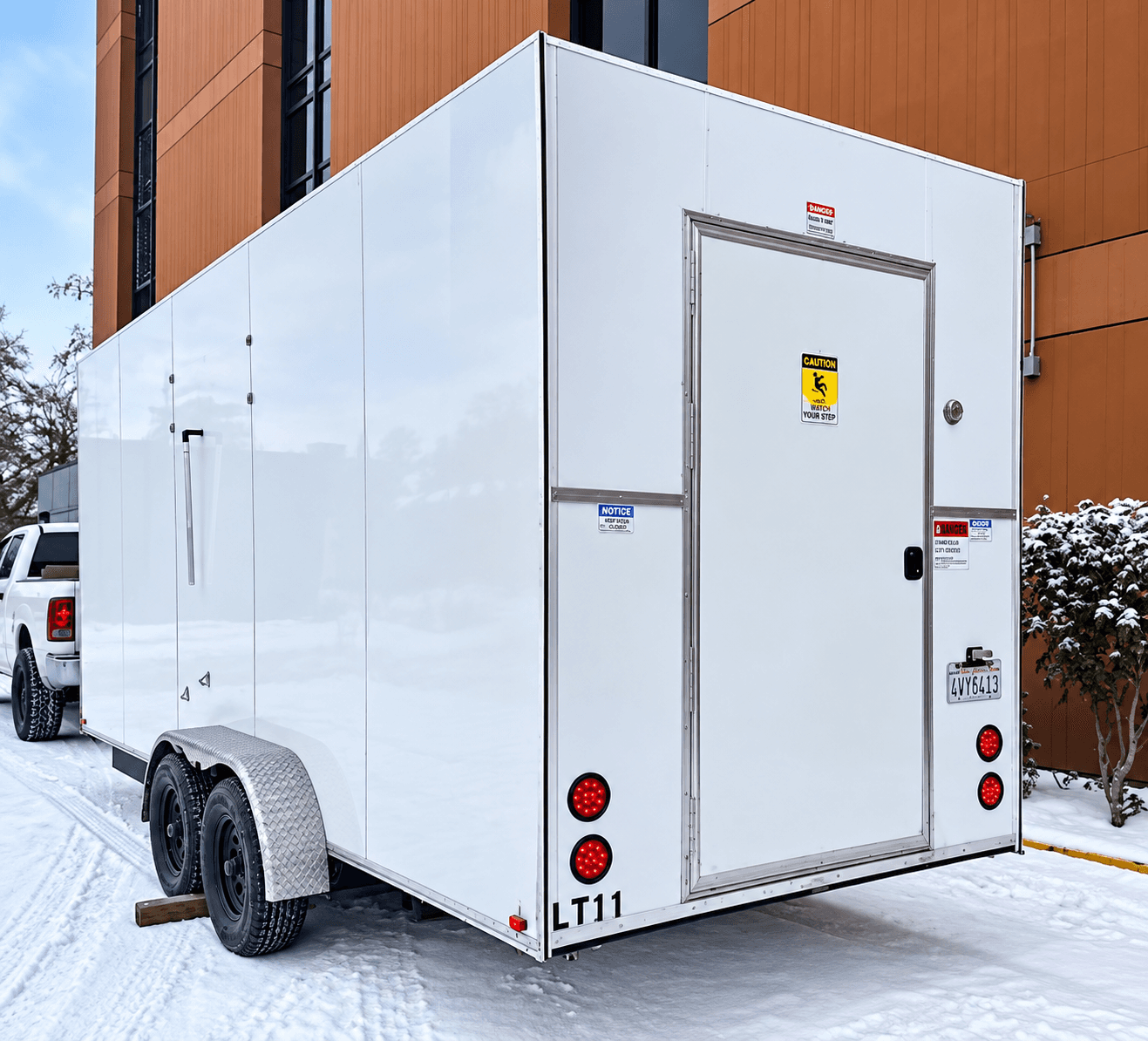
Compare the equipment
These published examples describe named company units. The supplied equipment, configuration and availability are confirmed for your project address.
Listed refrigeration trailer equipment: condensing unit, amps panel, lighting.
Equipment records reviewed October 19, 2026. Temperature labels are inventory labels, not verified operating ranges. Nominal length is a model label, not a measure of usable space or site footprint.
A closer look at your project area
Choose a city to explore refrigeration rental planning for your area. Bring the delivery address, preferred dates and storage needs to your inquiry.
Outline: Census TIGERweb generalized states, ACS 2025. City locations: 2025 Census Gazetteer.
Find the place that fits your project
Greater Richmond Convention Center distinguishes concessions, catered functions and meals delivered to the show floor for exhibitors. Its public food-service information identifies a dedicated provider for those formats. If an authorized operation there considered temporary refrigeration, ingredients supporting a buffet and products allocated for booth delivery would need identifiable destinations. For a comparable Richmond interruption, the useful equipment task follows the actual food waiting for preparation or collection. The event booking does not establish a working refrigeration position or connection.
A commercial freezer failure may remove reserve holding while cooking and chilled ingredients remain usable. A wider fault can displace goods requiring several conditions. The responsible operator assesses affected products and defines what still needs temporary refrigeration. Supplier orders due during the repair belong in that load alongside the urgent first transfer. Staff need access after those orders arrive, with frequently collected ingredients identifiable beside reserves allocated to a later meal. Replacing an exterior room size alone cannot describe that working requirement.
For healthcare food-service teams in Norfolk or Alexandria, Virginia, scheduled meal rounds and supplier receiving windows can create different demands on the same ingredient supply. Include staff collection routes and ingredient destinations in the inquiry so the facility can review the temporary arrangement against its meal service.
Industrial shift patterns in Richmond or Roanoke, Virginia, can leave employee meal preparation and supplier receiving competing for access during a constrained facilities project. Confirm how the dining team will account for shared stock and report missing supplies when responsibility passes between different working shifts.
Explore the Richmond rental guideMT1, a named example in the 20ft Refrigerated Trailer guide, lists a condensing unit, amps panel, lighting and 220V single-phase power at 40–60A. Its 15°F inventory label is not a verified full operating range. The exact NEMA plug configuration and usable capacity remain unconfirmed. These facts make an equipment comparison specific without establishing a trailer assignment in Charlottesville. The offered unit still needs to match the products’ required conditions and the property’s actual supply.
A caterer’s greatest stock overlap can occur before the public function. New ingredients arrive while reserves and prepared batches are still waiting for their next stage. A refrigerated store entered throughout preparation uses space differently from cases collected once for transport to another site. The useful arrangement accounts for packaging and repeated access after receiving. A temporary kitchen or dishwashing facility supports separate work where required, with a refrigeration period that continues until the remaining products leave rather than simply mirror guest hours.
For government food-service inquiries in Roanoke or Charlottesville, Virginia, the person describing daily meal operations may differ from the representative authorized to approve a purchase. Ask the food-service lead to describe the busiest stock overlap and give the agency reviewer the proposed period needed for temporary equipment.
Explore the Charlottesville rental guide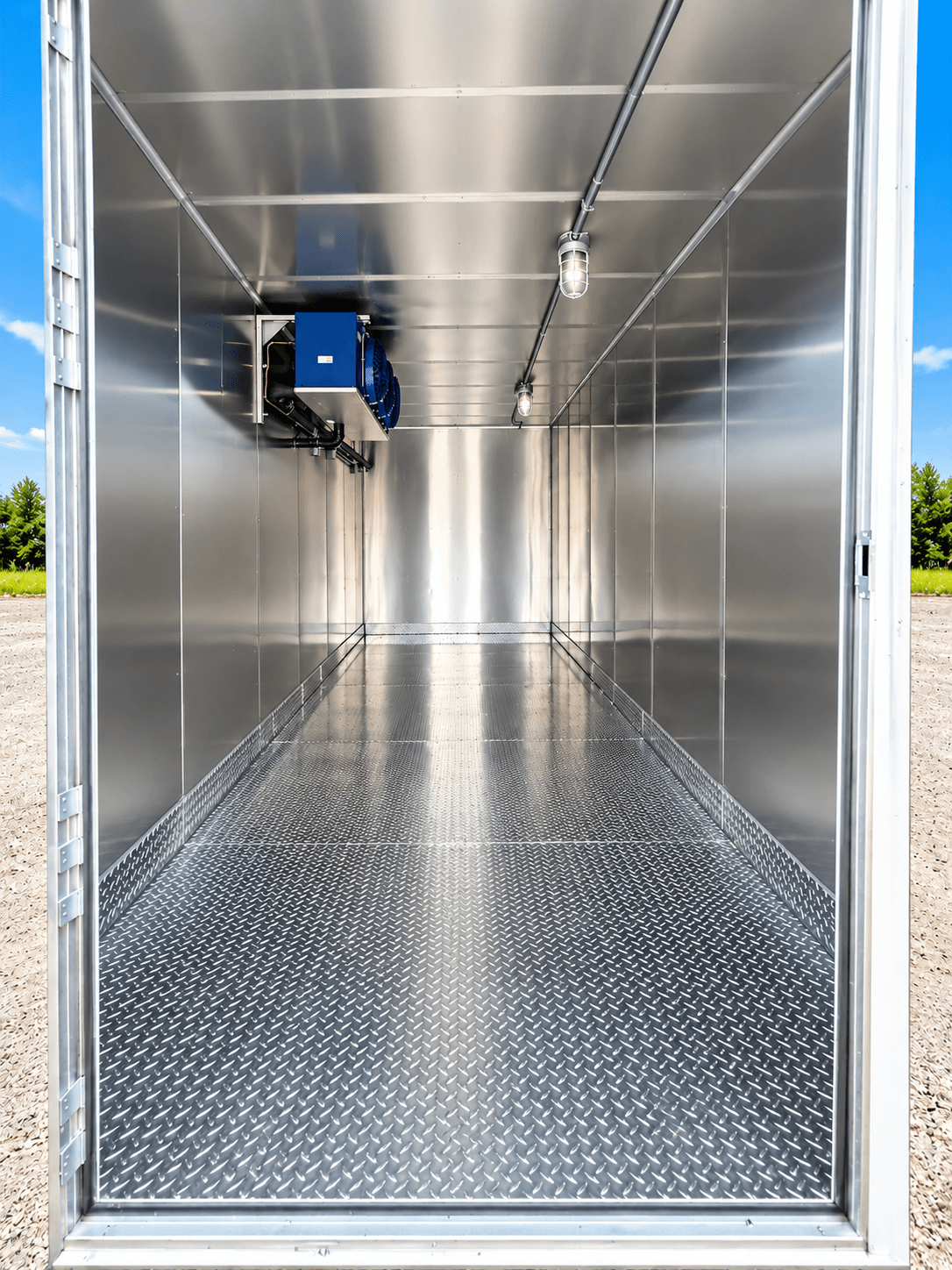
NOAA describes Virginia’s humid climate, warm summers and moderately cold winters, with generally cooler, drier western and northern areas compared with the coastal east and warm-season moisture contributing to thunderstorms. The Blue Ridge Mountains provide a geographical reference for regional differences toward the west. Include the actual season and duration when reviewing an outdoor arrangement.
A temporary refrigerated room becomes part of the workplace for the period it is occupied. Its daily employee approach, drainage and assigned supply need to remain useful as work changes around it. The final collection route also matters after the products move back indoors. Statewide climate information cannot establish the ambient operating limits of an unknown unit or the condition of a particular standing surface. Those actual equipment and property requirements belong together through the planned months and any agreed extension.
For hospitality teams in Richmond or Roanoke, Virginia, breakfast service and an evening function can draw on shared ingredients at different points in the day. Explain how suppliers and employees share the receiving area, then ask the property representative to review the proposed equipment position.
Carilion’s Dining and Nutrition Services information provides separate menu and patient-meal-service entries for Roanoke Community Hospital and Roanoke Memorial Hospital. Those are distinct food-service destinations in one city. In a comparable institutional transition, a shared purchasing team would still need to identify which ingredients feed each preparation point. A hospital name alone cannot establish one receiving address or refrigerated load. The responsible dining team defines the food products’ holding conditions for its own operation.
A phased kitchen refurbishment can change which goods stay indoors and which move temporarily. Refrigeration may begin as the main preparation store and later retain only reserves while permanent rooms reopen. The occupied interior needs practical access through that change, including when a supplier delivery overlaps with the final return. Cooking can resume before every case clears, while dishwashing may continue on another timetable. Each facility can be scheduled for collection when its remaining work is complete.
For catering teams in Norfolk or Alexandria, Virginia, supplier arrivals can overlap with venue preparation before staff have an agreed place to receive ingredients. Separate supplier receiving tasks from guest service responsibilities, naming the person who can resolve a missed delivery or changed ingredient order.
Explore the Roanoke rental guideAn Alexandria school food operation can receive opening ingredients before pupils return. Trial preparation and the first ordinary supplier orders may then overlap with products still held temporarily. Refrigeration supports that full stock interval, with frequently collected goods accessible beside unopened reserves. The equipment comparison should account for cartons and handling routines after receiving. Permanent cooking returning to use is one milestone; the final refrigerated transfer and restoration of ordinary receiving can occur later. Those stages have different implications for the usable equipment period.
The 12ft Refrigerated Trailer guide offers a nominal alternative, with supplied configuration, usable capacity and electrical requirements still needing confirmation. A model label cannot show whether the doorway and interior suit the intended goods or handling equipment. A separate kitchen trailer and dishwashing trailer have their own working needs if those functions also move. Keeping those roles distinct helps the temporary layout support food waiting, preparation and returns without assuming one equipment package or common collection date.
A college food service team in Charlottesville or Norfolk, Virginia, may need temporary equipment while permanent facilities undergo repairs and classes continue on campus. Include the expected handback arrangement in the rental inquiry so dining staff can describe how supplies will return to permanent facilities.
Explore the Alexandria rental guideFor another Virginia operation, continue with Virginia Beach, Chesapeake, Newport News or Hampton. Contact our team to request current availability and a project quote for the temporary arrangement your food service needs.
Food production teams in Roanoke or Charlottesville, Virginia, may need temporary equipment while incoming ingredients continue to arrive during repairs to their normal holding area. Describe packaging, product handling needs and access restrictions in the rental inquiry, leaving equipment suitability for review against the supplied requirements.
Before you decide
Yes. Describe refrigeration, cooking and dishwashing separately, with the dates each is affected and the route staff need between them. They can be considered within one coordinated project while the actual configurations and connections remain clear for each unit. This helps the site team review the complete working arrangement.
Include the later peak in the inquiry, not only the quantity moved out at the beginning. Explain how deliveries and access change as more of the kitchen returns to service. The proposal can then be assessed against the busiest stage and the space staff need to handle goods throughout the rental.
The agreed rental terms and the operational handover both matter. Coordinate collection once stock is cleared and the permanent room is ready for the business to use. Discuss the process and any extension arrangements in advance, then keep the same contact informed as the repair or construction finish becomes clearer.
City examples illustrate project planning; availability is confirmed for each delivery address.
Temporary refrigeration, kitchens and dishwashing can support many kinds of food-service operations. Each setting below starts with its own schedule, stock and site questions, and every project is reviewed individually.
Hotels, restaurants and resorts can plan temporary refrigeration around breakfast, banquet and dinner service when a walk-in cooler fails or a kitchen is refurbished.
Hospital, nursing home and care-facility kitchens can describe meal schedules, delivery times and displaced stock so temporary storage follows the food-service routine.
Municipal, county and public-building food-service teams can outline receiving arrangements, responsible contacts and project dates before a quote is prepared.
Dining facility managers can explain the products displaced, the receiving arrangements and the proposed period, then review availability and terms with our team.
Schools, colleges and universities can plan around term dates, serving windows and campus kitchen renovations so meal service can continue during repairs or construction.
Plant cafeterias and employee dining areas can describe shift patterns and staged building work so temporary cold storage can be reviewed against the working schedule.
Caterers and venues can plan preparation windows, event days and overflow ingredients, and describe how stock moves between storage, the kitchen and service.
Producers, wholesalers and distributors can describe loading, staging and storage needs when a cooler breaks down or demand temporarily exceeds capacity.
These examples describe planning situations. Equipment, availability and terms are confirmed in a project quote.
Cold storage is only one part of a project. These are the questions we work through with you before anything is booked.
Start with refrigerated containers and refrigeration trailers, then add a temporary kitchen or dishwashing trailer when the project needs one, all in a single conversation.
Access, utilities and the intended position are reviewed before delivery is arranged, so the equipment is matched to your site rather than the other way around.
Whether a walk-in cooler failed this morning or a renovation is months away, describe the real situation and plan around the stock, dates and people involved.
Planning guides cover all 50 states and more than 700 cities. Your address is then confirmed for equipment and delivery.
Use the rental calculator for a rate-range estimate and setup amount, then request a project quote that confirms availability, transport and the rental period.