Refrigerated Trailer and Container Rentals for Temporary Cold Storage
Refrigerated trailer and container rentals can be discussed when a walk-in cooler or freezer fails, when a renovation removes storage or when an event needs extra cold space. Compare the 12ft and 20ft trailers with the 20ft and 40ft containers by describing what must stay cold, where a unit could stand and how long you expect to need it. Restaurants, hotels, schools, caterers and food distributors can ask Worldwide Refrigerated Container Rental Facilities about short rentals or longer leases. Include the delivery address, access, electrical supply and dates, then contact the team to confirm availability and request a project quote.
Compare the named unit examples below, including their listed power and equipment. Each model page also displays its specifications and complete published equipment list.
Share what you need to store and where the container will stand. Your quote confirms its power, temperature setting and usable space.
Open the guide for photographs and model details. Your quote confirms capacity and connections for the unit assigned to your project.
Details come from named units in our equipment records (reviewed October 19, 2026). Your rental proposal confirms the unit and configuration supplied. Nominal length is a model label, not the interior space.
Temperatures shown are inventory labels, not verified operating ranges. Your quote confirms the plug type, usable space and settings for the unit assigned to your project.
Explore your options
Refrigerated trailers and containers, model by model
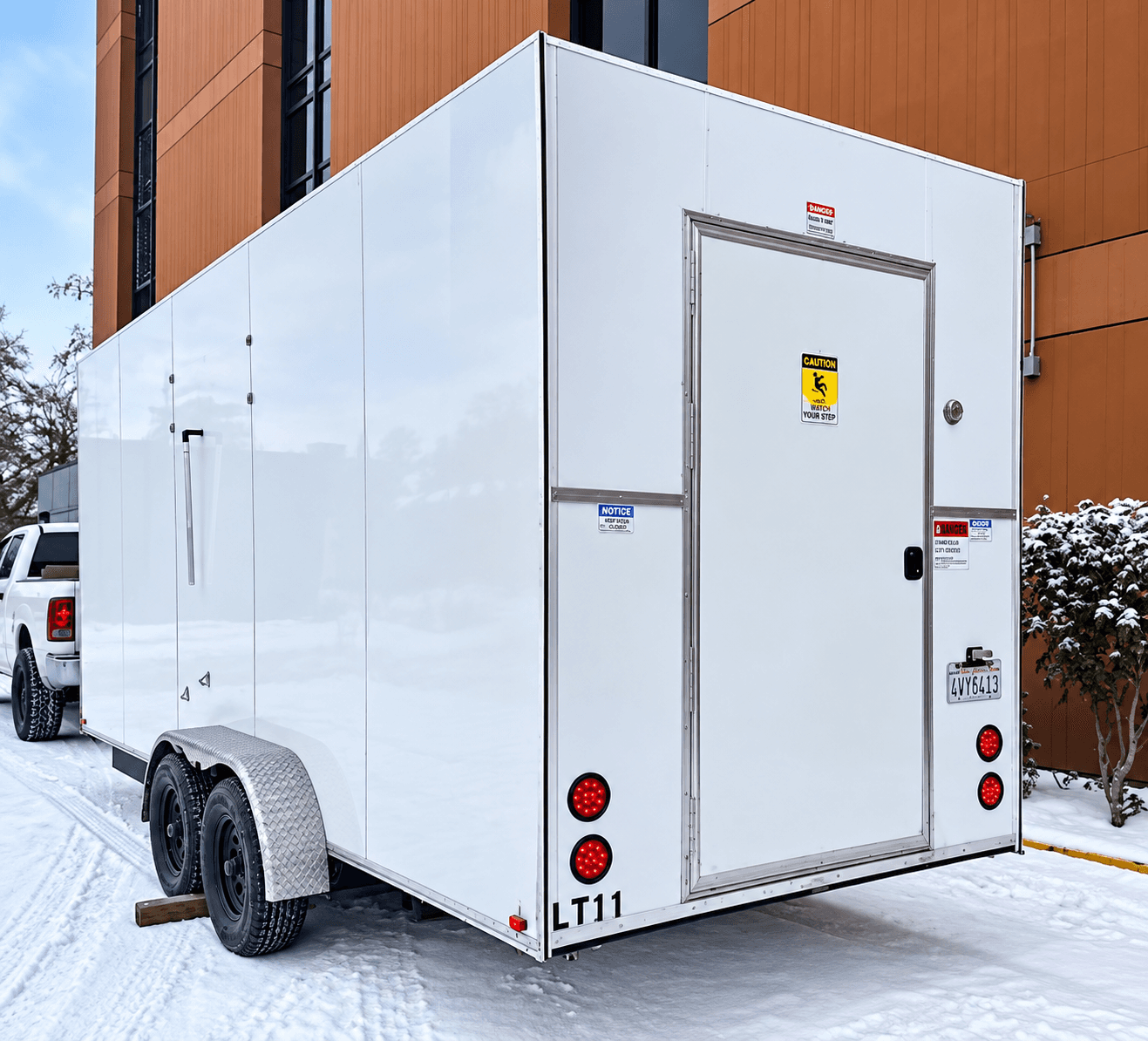
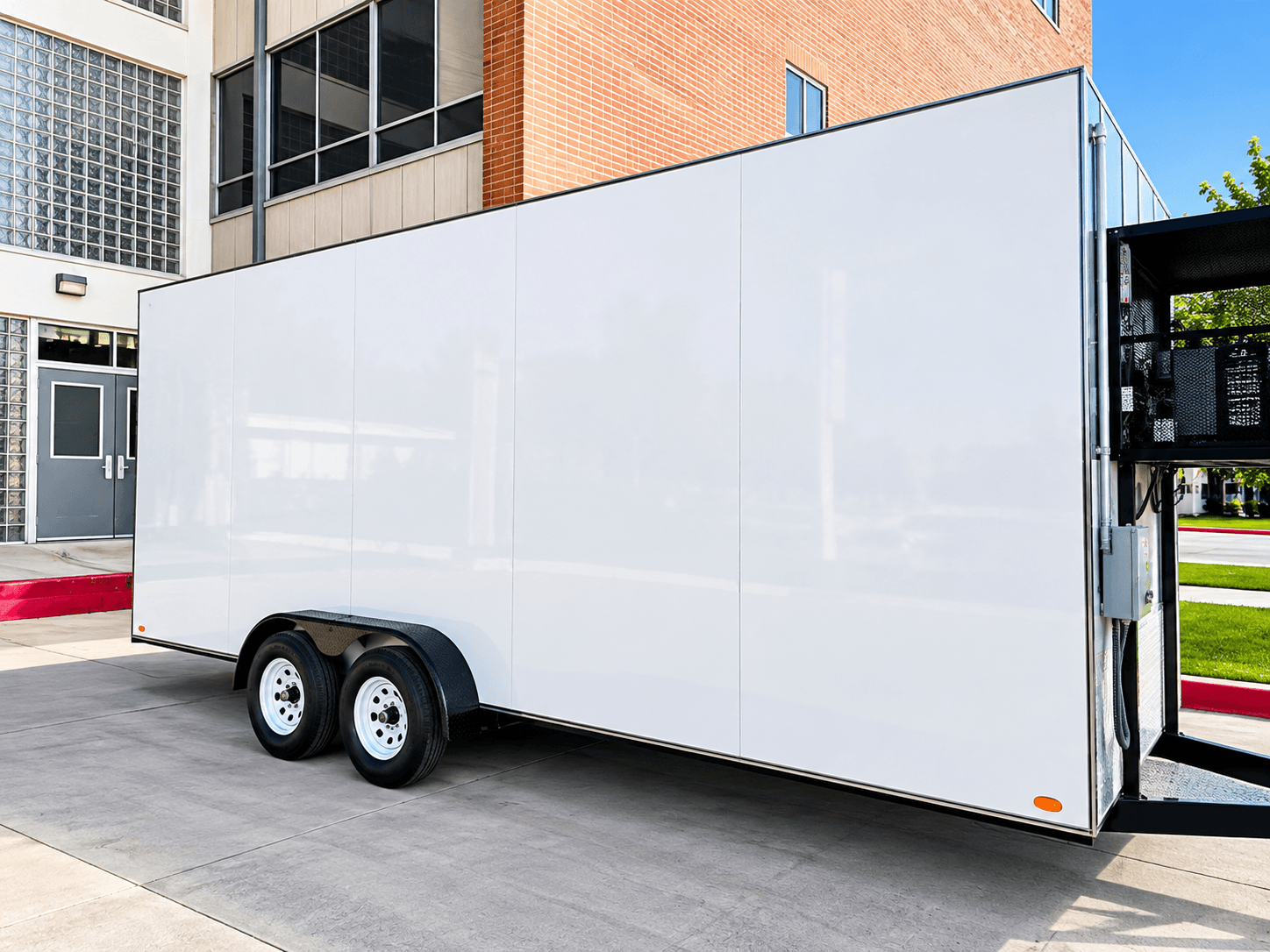
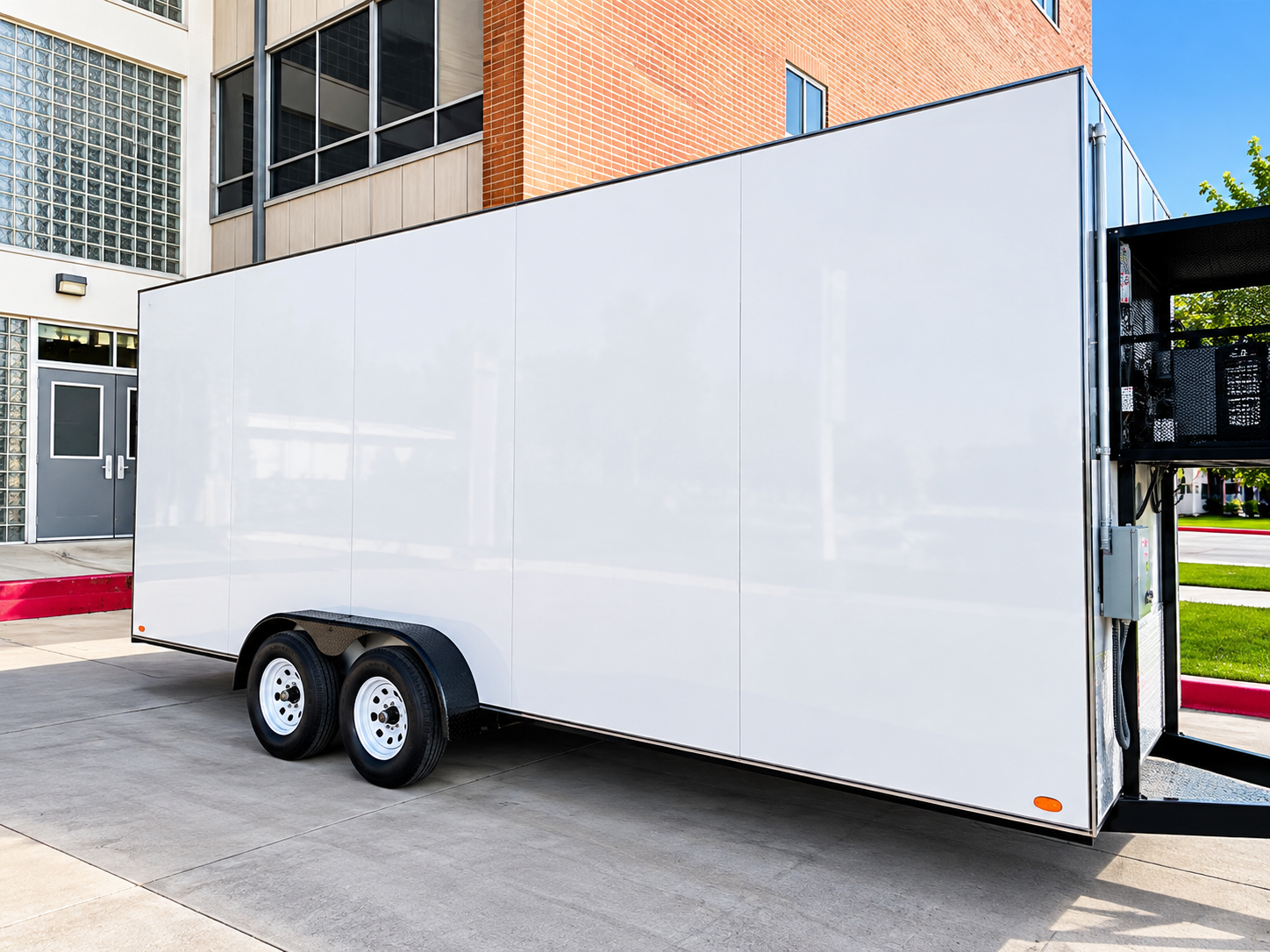
A nominal 12ft trailer with named BXRT12 records listing 220V single-phase power at 40–60A and a 32°F label. Compare the assigned unit's storage space, access and connections with your stock before treating the compact label as proof of fit.
Compare three named 20ft examples: BXRT20–1, MT1 and LT2, all listing 220V single-phase 40–60A power. Their 32°F, 15°F and −5°F inventory labels identify separate entries rather than a verified operating range.
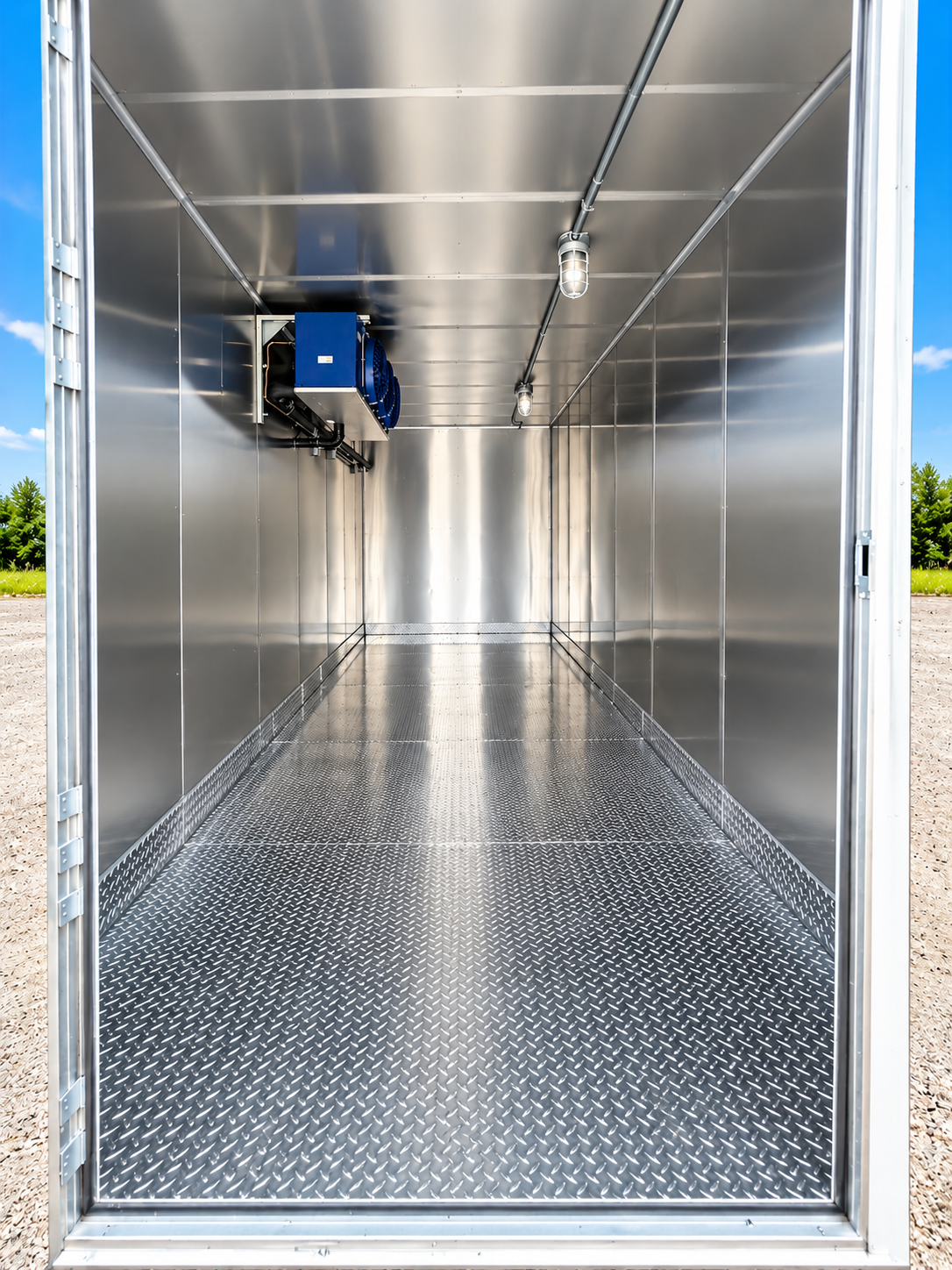
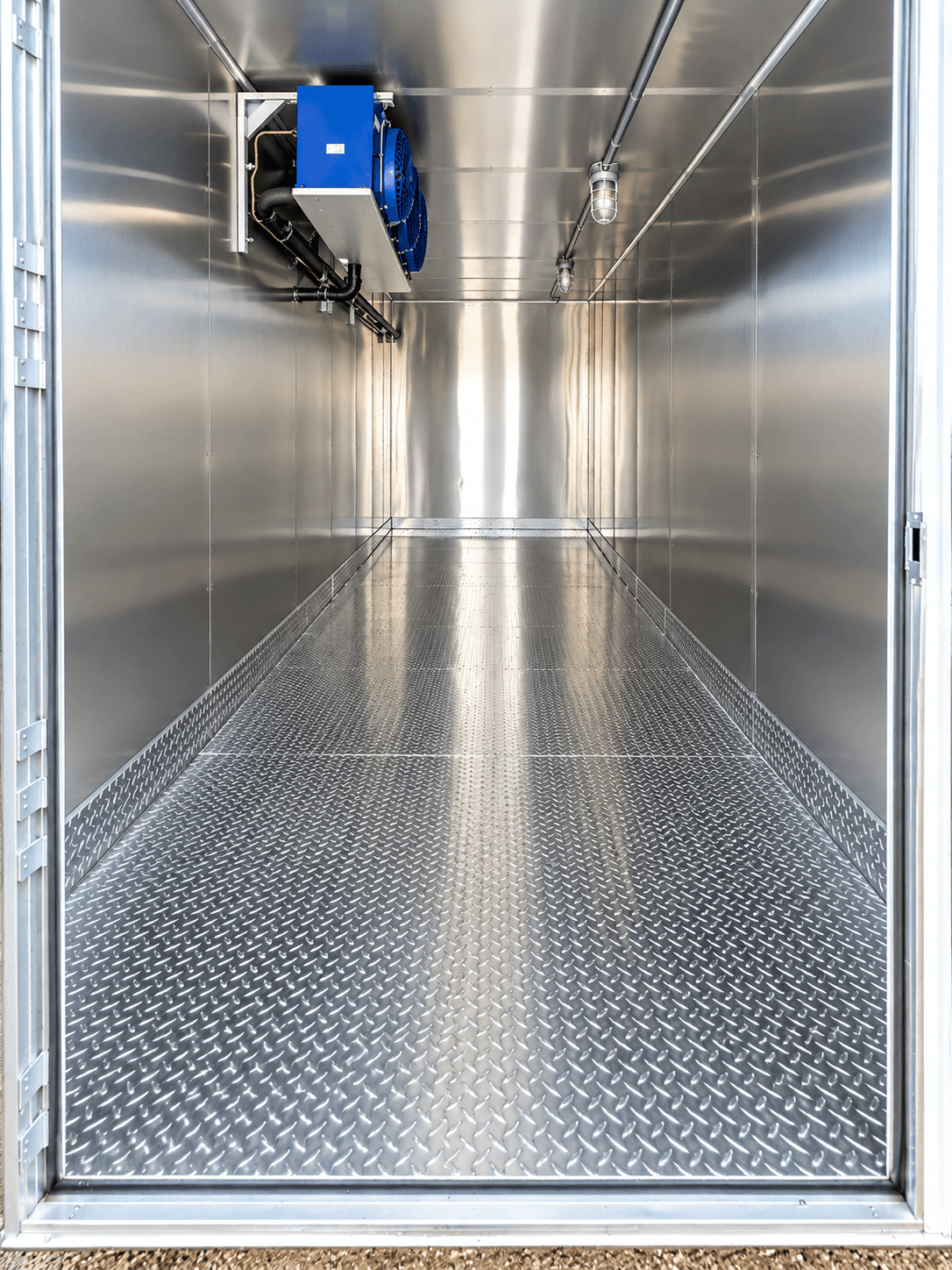
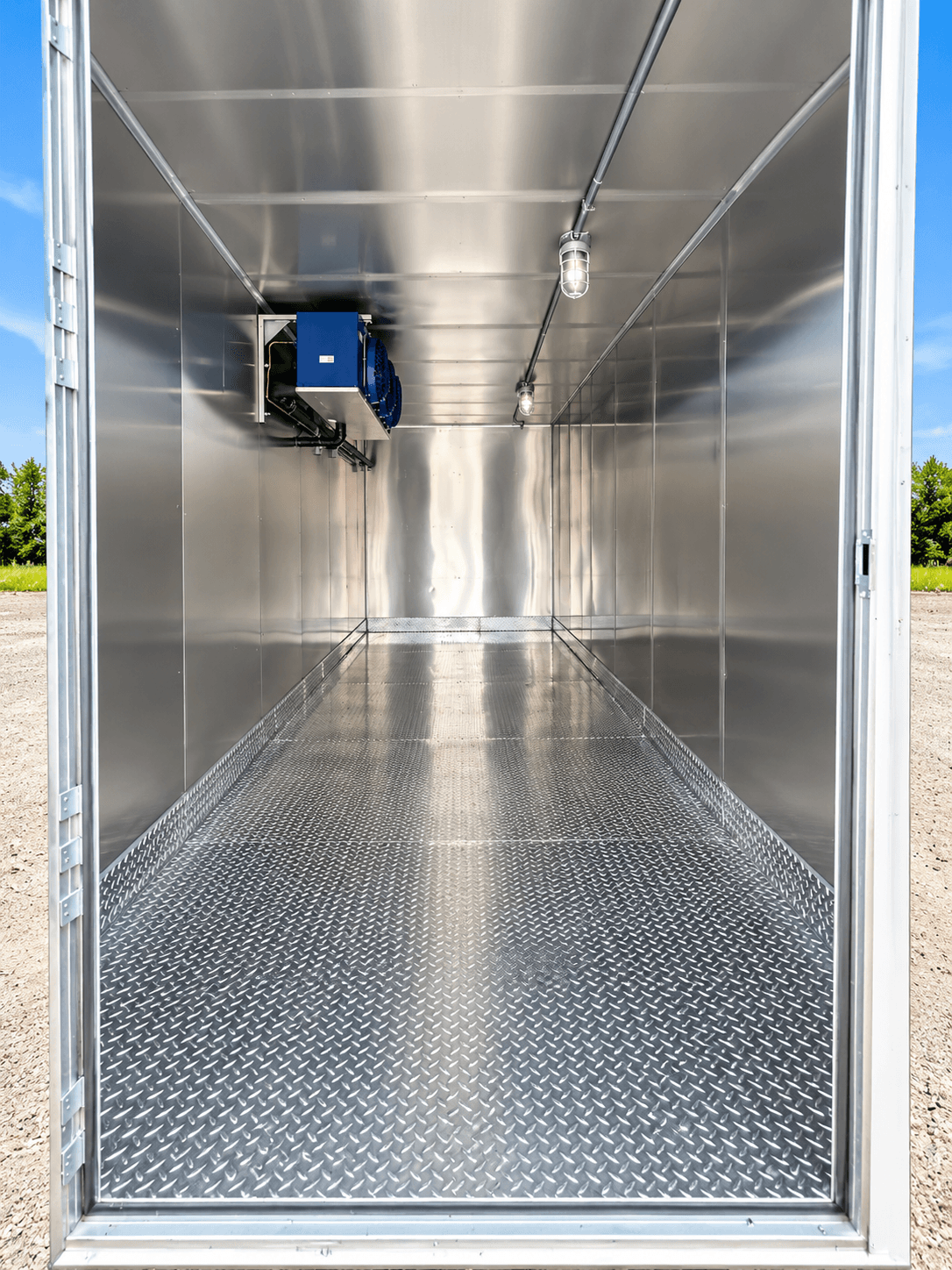
A 20ft refrigerated container for cold storage that stays at one working position. Your quote confirms the assigned unit's power, temperature and usable space, so compare its stock access and connections with your site.
The larger 40ft refrigerated container for large-scale cold storage. Your quote confirms the assigned unit's power, temperature and usable space. The photographs shown are 20ft reference images, so ask for views and measurements of the unit proposed.
The choice between a trailer and a container starts with the stock, not the equipment. Write down which products need chilled storage and which need frozen storage, roughly how much of each there is and how quickly it will be used. A cafe with a few shelves of dairy has a different brief from a caterer holding several days of prepared food.
Add the reason you need the space. A cooler that failed this morning is an emergency, a kitchen renovation is a planned project and a seasonal rush is a predictable peak. Each calls for a different rental period and a different amount of preparation, so say which one applies when you contact the team.
Think about how a trailer and a container differ on site
The photographs of the trailers on this site show wheels, a hitch and a refrigeration unit mounted at the front, which affects how a trailer is delivered and positioned. The container photographs show metal-lined interiors with a cooling unit on the wall. Ask the rental team how each proposed unit is delivered, set down and stabilized.
Those answers shape the site preparation. A unit that is towed into place needs a route and a turning space, while one that is set down needs clear ground and enough room around it. Describe your property honestly so the discussion can be about a real plan rather than general descriptions of equipment.
Use length as a starting point, not a verdict
The four model names give a length: 12ft and 20ft for the trailers, 20ft and 40ft for the containers. Length alone does not tell you how much stock a unit holds, because shelving, door position and cooling equipment all affect the usable space. Ask for the interior dimensions and any racking details of the unit being proposed.
Compare that information with your stock list and with the space you can spare around the unit for staff to work. A smaller unit that is easy to reach can serve a kitchen better than a larger one parked a long walk away. Choose the model that suits the work, then confirm that it is available.
Before asking for a quote, walk the route a delivery vehicle would take and look at the place where the unit would stand. Note gates, low cables, tight turns, slopes, soft ground and anything that could be parked in the way. Photographs help the team assess the site without making assumptions.
Consider how the unit will be used once it arrives. Staff need a safe path to the door, lighting after dark and a surface that is not slippery in wet or icy weather. Check that the position does not block a fire route, a delivery lane or an access point that the property needs to keep clear.
Confirm the power supply early
Power requirements depend on the assigned unit. The reviewed 20ft trailer examples BXRT20–1, MT1 and LT2 each list 220V, single-phase power at 40–60A. Their records mention a NEMA plug without an exact configuration. These values are not a specification for the 12ft trailer or either container model.
A facilities contact or qualified electrician should review the exact connector, circuit and distance to the equipment position. Ask for each container's voltage, phase and connector, and confirm the length of the assigned trailer, since the BXRT12 records that supply the 12ft figures also describe a 20ft unit. Use the assigned unit’s equipment information and include a response to interrupted power in the site plan.
Plan the people and the paperwork
Decide who will receive the delivery, who has authority to approve the position and who will open the unit during the rental. A short list of names and telephone numbers avoids confusion on the day, especially at a property with several tenants, departments or contractors.
Ask what documents you will need to sign and what the rental period and any extension involve. Historical prices on this site are dated references, so current rates, minimum terms and additional charges are confirmed in a project quote. Keep your own records of dates and conditions.
Keep food safety in your own plan
Temporary storage does not change who is responsible for keeping food safe. Decide who will check temperatures, how often and where the readings will be written down. Ask what monitoring the proposed unit offers and what your team will do if a reading is outside the range your operation requires.
If your operation must inform a health authority or inspector about the temporary arrangement, plan for that conversation. The photographs here are reference images and do not indicate any approval or certification. Treat the answers you receive as one part of your own written food-safety procedure.
Move from comparison to a quote
When you have compared the models, gather the stock list, the address, the photographs, the power information and your dates. Contact Worldwide Refrigerated Container Rental Facilities with that material and ask which unit is proposed, whether it is available and what the arrangements would be.
Ask also about handback: when the rental ends, how the unit will be emptied and cleaned and who will be on site for collection. A clear start and end make the middle of the rental easier. The team can then prepare a project quote based on your actual requirements.
Company-supplied accounts, adapted for this website.
When our main kitchen was taken offline for upgrades, a reliable temporary cold storage solution was delivered within days. The refrigerated equipment was excellent, and our dietary team kept their stock safe and continued operations without disruption. Their responsiveness made a challenging project much easier.
David R.Food Services ManagerGood Shepherd Health Care System, Oregon
They provided a refrigeration trailer within 24 hours while our hospital kitchen renovation was underway. The installation team coordinated directly with our facilities staff, and everything met local health department requirements. Their responsiveness helped us maintain patient meal service without disruption.
Sarah M.Facilities DirectorRiver Valley Medical Center, Texas
They provided a turnkey refrigerated container that supported dining operations during a campus construction project. The professional installation and dependable equipment allowed us to continue serving students and faculty throughout the semester. Their experience with educational facilities was evident.
Rebecca P.Director of Auxiliary ServicesOhio University, Ohio
Let’s talk about your project
Bring your dates. We’ll start with your needs.
Confirm the equipment, layout, site requirements and rental terms before you book.
Temporary refrigeration, kitchens and dishwashing can support many kinds of food-service operations. Each setting below starts with its own schedule, stock and site questions, and every project is reviewed individually.
Hospitality and restaurants
Hotels, restaurants and resorts can plan temporary refrigeration around breakfast, banquet and dinner service when a walk-in cooler fails or a kitchen is refurbished.
Healthcare food service
Hospital, nursing home and care-facility kitchens can describe meal schedules, delivery times and displaced stock so temporary storage follows the food-service routine.
Government and civic facilities
Municipal, county and public-building food-service teams can outline receiving arrangements, responsible contacts and project dates before a quote is prepared.
Military dining
Dining facility managers can explain the products displaced, the receiving arrangements and the proposed period, then review availability and terms with our team.
Education
Schools, colleges and universities can plan around term dates, serving windows and campus kitchen renovations so meal service can continue during repairs or construction.
Industrial and manufacturing workplaces
Plant cafeterias and employee dining areas can describe shift patterns and staged building work so temporary cold storage can be reviewed against the working schedule.
Events and catering
Caterers and venues can plan preparation windows, event days and overflow ingredients, and describe how stock moves between storage, the kitchen and service.
Food production and distribution
Producers, wholesalers and distributors can describe loading, staging and storage needs when a cooler breaks down or demand temporarily exceeds capacity.
These examples describe planning situations. Equipment, availability and terms are confirmed in a project quote.
Why Choose Us
Cold storage is only one part of a project. These are the questions we work through with you before anything is booked.
Refrigeration first, kitchens alongside
Start with refrigerated containers and refrigeration trailers, then add a temporary kitchen or dishwashing trailer when the project needs one, all in a single conversation.
Planning before delivery
Access, utilities and the intended position are reviewed before delivery is arranged, so the equipment is matched to your site rather than the other way around.
Emergency or planned work
Whether a walk-in cooler failed this morning or a renovation is months away, describe the real situation and plan around the stock, dates and people involved.
A local guide for every state
Planning guides cover all 50 states and more than 700 cities. Your address is then confirmed for equipment and delivery.