Commercial Dishwasher Trailer Rentals for Temporary Washing
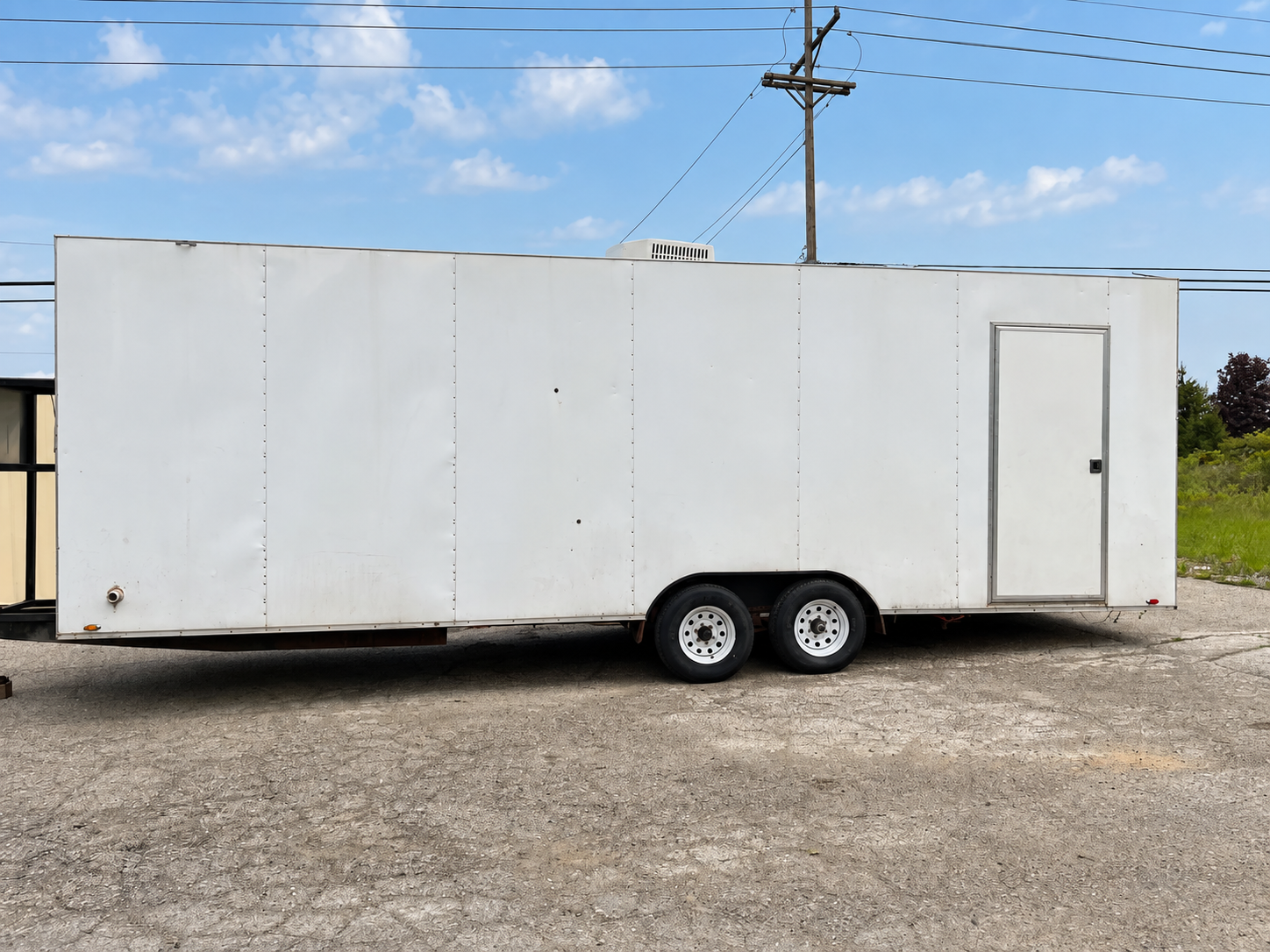
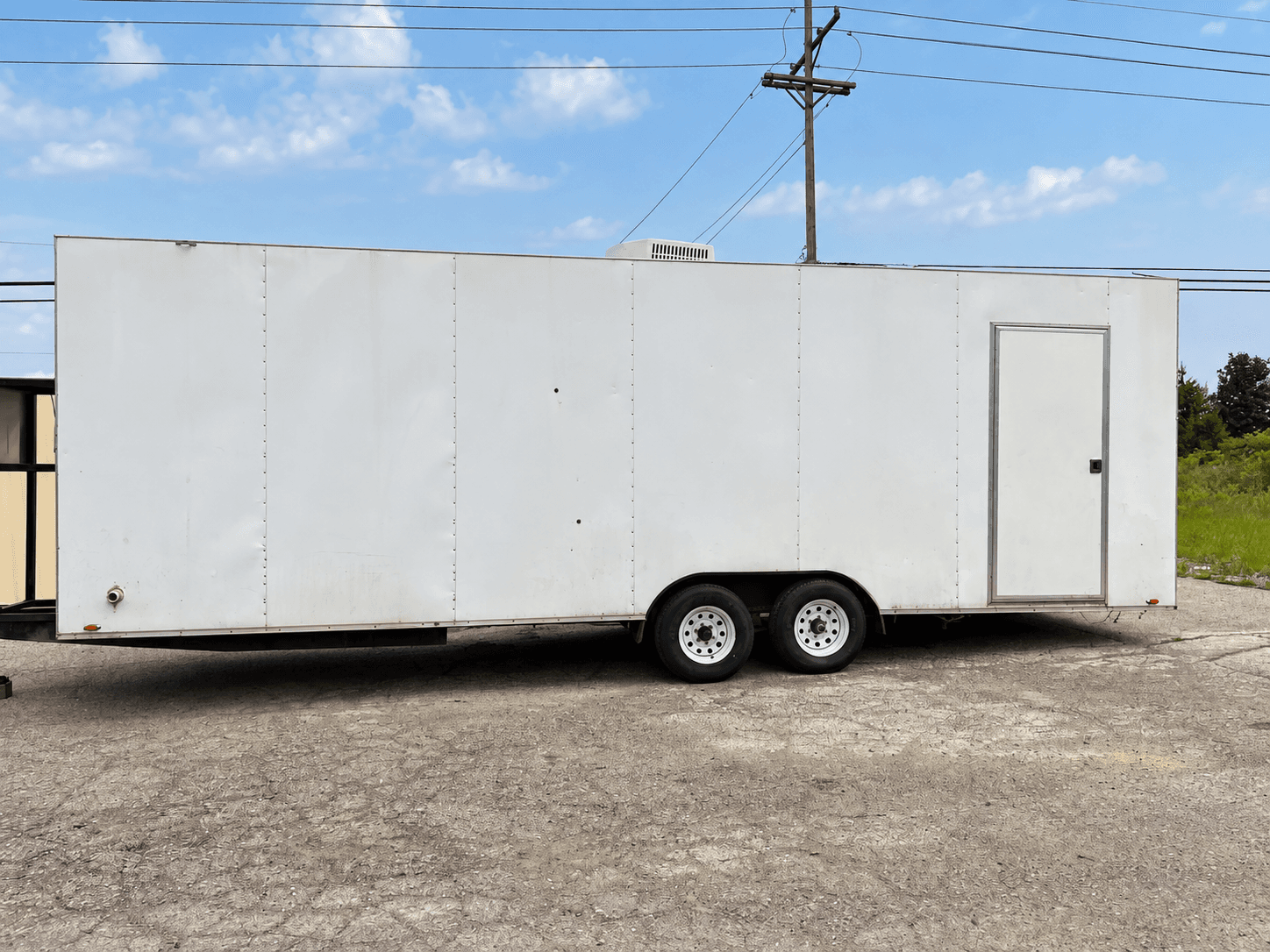
Commercial dishwasher trailer rentals can support a planning discussion when a machine failure, renovation or event leaves a food-service operation needing temporary washing space. Describe the plates, trays, utensils and cookware involved, along with the way used items arrive and clean items return to service. Restaurants, hotels, caterers and institutional food-service teams can ask Worldwide Refrigerated Container Rental Facilities about short rentals or longer leases. Compare the dishwashing model labels with your working requirement and request the actual machine and layout for review. Provide the delivery address, access, known utility information and expected dates. Contact the team to confirm a proposed arrangement, equipment availability and a current project quote.
Compare the named unit examples below, including their listed power and equipment. Each model page also displays its specifications and complete published equipment list.
Details come from named units in our equipment records (reviewed October 19, 2026). Your rental proposal confirms the unit and configuration supplied. Nominal length is a model label, not the interior space.
High- and low-temperature labels identify machine types. Numeric wash/rinse temperatures, throughput and water/drain connection requirements are not published in these records.
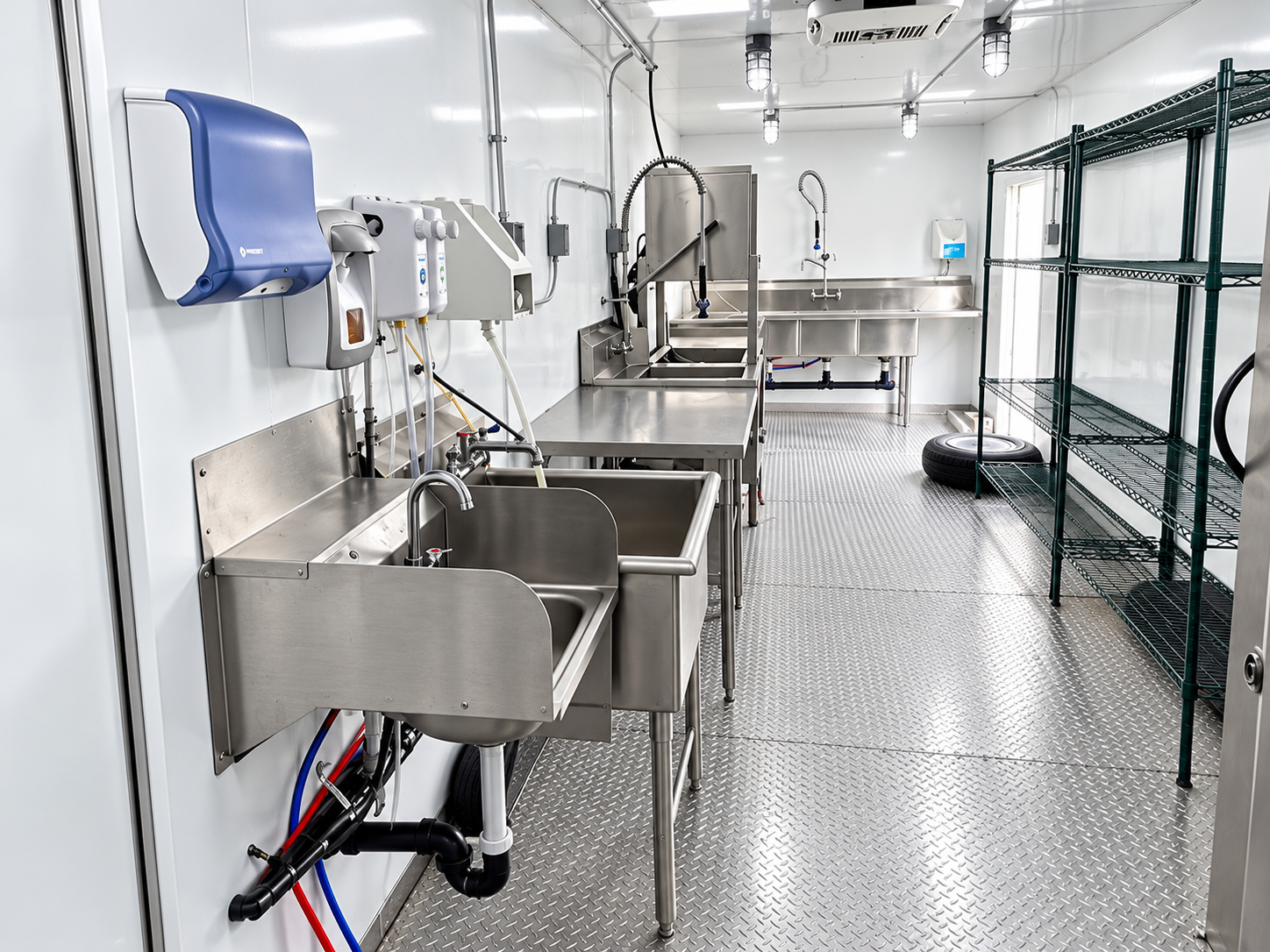
D1 is a documented 22ft low-temperature push-through unit with scraping, soiled-item handling and sinks. Compare the incoming return peak with clean-item collection, keeping machine throughput and connection requirements separate until the assigned unit's details are available.
D4 documents the same low-temperature push-through machine type and 220V single-phase 150A entry as D1, at a nominal 24ft length. Compare the actual layout and shared return streams; the extra nominal length does not establish greater throughput.
DTC3 is a 30ft high-temperature conveyor example listing 220V three-phase 200A power, sinks, racks and a water heater. Plan the loading and clean-item handoff together; no racks-per-hour or numeric wash/rinse temperatures are published.
D7 documents a low-temperature dishwasher with sinks, racks and a water heater at 220V single-phase 220A. Its loading mechanism remains unresolved, so compare the confirmed equipment without assuming either a push-through or conveyor layout.
DTC1 is a documented 38ft high-temperature conveyor example with 220V single-phase 300A power. Its sinks, racks and water heater support the washing sequence; machine throughput and numeric wash/rinse temperatures are not published.
Describe the dish-room problem in operational terms
Start with the function that has been interrupted or needs temporary space. A machine breakdown may leave receiving and clean storage available, while a renovation could close the whole dish room. An event may require washing to fit a receiving and service schedule that changes during preparation and clear-out.
List the items your operation needs to process and explain how they move through the work. Identify which tasks remain in an existing building and which need another arrangement. A clear description helps the equipment inquiry address the dish-room operation rather than only the machine at its center.
Compare the five dishwashing model options
The catalog includes 22ft and 24ft dishwashing trailers, a 30ft conveyor trailer, a 38ft low-temperature trailer and a 38ft conveyor trailer. The reviewed 22ft and 24ft examples use low-temperature push-through dishwashers. DTC3, DTC1 and DTC2 are recorded as high-temperature conveyor examples; D7’s loading mechanism remains unresolved because its source fields conflict.
The named inventory examples include sinks, soil-handling surfaces and other fixtures shown in their specification sections. They differ in electrical supply, while no record establishes a processing rate. Compare the actual assigned equipment with the items, return pattern and working routes in your brief rather than treating length as a performance figure.
Plan temporary equipment around education meal schedules
Education meal service in Illinois or Missouri can bring breakfast trays back while teams prepare for lunch, especially during a phased dining refurbishment. Describe each return window, collection carts and serving area, then ask how the proposed equipment arrangement would support the route from used items to clean supplies.
Explain the busiest returns instead of only a daily total
Describe when used items arrive and whether separate service periods overlap. A hotel or institutional kitchen may have different teams returning items at different points in the day. A caterer may have a concentrated return after service. Explain the pattern your operation expects and the point at which staging is needed.
Include the racks, carts or containers staff use and any item sizes that need particular discussion. Ask about the proposed entrance, receiving area and machine configuration using those details. The aim is a review based on the actual workload, without assuming a published model label supplies a verified performance figure.
Plan both sides of the washing task
Identify where soiled items wait before washing and where clean items go afterwards. Explain who brings, organizes and collects them, together with the routes connecting the temporary arrangement to preparation and service. Those handoffs can be as important to the plan as the equipment itself.
Ask which staging or storage features are included in the proposal and which need another agreed space. Your operation supplies its own handling, cleaning and working procedures. Review the layout with those requirements in mind, and identify a contact who can coordinate updates if staff responsibilities or service schedules change.
Review utilities using the proposed machine information
Electrical examples differ: D1, D6, D4 and D5 list 220V single-phase at 150A; D7 lists 220V single-phase at 220A; DTC1 and DTC2 list 220V single-phase at 300A. DTC3 lists 220V three-phase at 200A. These values belong to the named units and must not be exchanged between models.
A qualified site professional should review the assigned machine’s exact connector, circuit requirements, water inlet and drainage arrangement; the inventory does not supply those details. Include the delivery address, trailer position and property contact in that review so connection work, transport and handover follow the same project schedule.
Coordinate temporary washing with the wider kitchen project
If a kitchen renovation or event also needs temporary cooking or refrigeration, include those functions in the brief. Explain the routes between preparation, service, storage and washing, and identify which tasks remain in permanent facilities. Ask about each proposed arrangement without assuming one rental automatically includes the others.
Set the period around the full transition into and out of temporary washing. Include preparation and final collection, as well as the main work dates. For repairs with an uncertain end, ask about extensions and collection notice. A short rental or longer lease should be discussed against the operating requirement and its dependencies.
Request a quote that makes responsibilities clear
Bring the item list, return schedule, staff handoffs, site details and dates into one inquiry. Ask the proposal to identify the machine and trailer configuration, availability, period, transport arrangements and current charges. Clarify included features and any preparation or supporting tasks left to your team.
Review the accepted information with the people receiving and using the equipment. If the washing requirement, address or schedule changes, ask whether the proposal needs revision. Contact the team to discuss the dishwashing models relevant to your project and request a quote based on the complete temporary arrangement.
Work backwards from the next use of clean items
Identify which items the operation needs back first and where they must go. Then trace the collection, washing and receiving steps that come before that use. This can reveal a question about a late return or an unavailable collection team that a general request for a dishwashing machine would not explain.
For a hypothetical event, serving pieces and preparation utensils might return at different times even though both are needed for the next service. Describe those differences without assigning a processing rate to any model. Ask how the proposed configuration and supporting arrangements relate to the sequence, and identify which timing decisions remain with your own operating team.
Compare the work around the machine as carefully as the machine
Use the same service-period example when reviewing each proposal. Explain who brings items, how they are organized before washing and who collects them afterwards. Ask what receiving, staging and return functions are included, and which spaces or handling equipment your team must arrange. Record unanswered questions before comparing the quoted scope.
A proposal that names a trailer and machine still needs those responsibilities to be understood. Review the accepted arrangement with the people handling the first returns and the final collections, not only the person approving the rental. If their routes or tasks change, update the brief so the next equipment conversation addresses the operation you now intend to run.
Company-supplied accounts, adapted for this website.
Our district needed a temporary dishwashing trailer during cafeteria renovations at multiple campuses. They helped us continue serving students without interruption while maintaining food safety compliance. The procurement process was straightforward and well organized.
Jennifer L.Nutrition Services DirectorLos Angeles Unified School District, California
They helped our senior living community maintain uninterrupted meal service during a kitchen renovation with a temporary dishwashing trailer. Residents experienced minimal disruption, and our staff appreciated the functionality of the temporary facility. The entire process was managed professionally.
Patricia N.Executive DirectorHeatherwood Senior Living, Washington
Our district relied on them during a cafeteria replacement project, and the results were outstanding. Students continued receiving meals without interruption, and the temporary dishwashing trailer met all operational requirements. Their team was knowledgeable and easy to work with.
Andrea E.Child Nutrition DirectorTustin Unified School District, California
Let’s talk about your project
Bring your dates. We’ll start with your needs.
Confirm the equipment, layout, site requirements and rental terms before you book.
Temporary refrigeration, kitchens and dishwashing can support many kinds of food-service operations. Each setting below starts with its own schedule, stock and site questions, and every project is reviewed individually.
Hospitality and restaurants
Hotels, restaurants and resorts can plan temporary refrigeration around breakfast, banquet and dinner service when a walk-in cooler fails or a kitchen is refurbished.
Healthcare food service
Hospital, nursing home and care-facility kitchens can describe meal schedules, delivery times and displaced stock so temporary storage follows the food-service routine.
Government and civic facilities
Municipal, county and public-building food-service teams can outline receiving arrangements, responsible contacts and project dates before a quote is prepared.
Military dining
Dining facility managers can explain the products displaced, the receiving arrangements and the proposed period, then review availability and terms with our team.
Education
Schools, colleges and universities can plan around term dates, serving windows and campus kitchen renovations so meal service can continue during repairs or construction.
Industrial and manufacturing workplaces
Plant cafeterias and employee dining areas can describe shift patterns and staged building work so temporary cold storage can be reviewed against the working schedule.
Events and catering
Caterers and venues can plan preparation windows, event days and overflow ingredients, and describe how stock moves between storage, the kitchen and service.
Food production and distribution
Producers, wholesalers and distributors can describe loading, staging and storage needs when a cooler breaks down or demand temporarily exceeds capacity.
These examples describe planning situations. Equipment, availability and terms are confirmed in a project quote.
Why Choose Us
Cold storage is only one part of a project. These are the questions we work through with you before anything is booked.
Refrigeration first, kitchens alongside
Start with refrigerated containers and refrigeration trailers, then add a temporary kitchen or dishwashing trailer when the project needs one, all in a single conversation.
Planning before delivery
Access, utilities and the intended position are reviewed before delivery is arranged, so the equipment is matched to your site rather than the other way around.
Emergency or planned work
Whether a walk-in cooler failed this morning or a renovation is months away, describe the real situation and plan around the stock, dates and people involved.
A local guide for every state
Planning guides cover all 50 states and more than 700 cities. Your address is then confirmed for equipment and delivery.