BXRT20–1Refrigerated trailer
- Nominal length
- 20ft
- Listed electrical supply
- 220V · single-phase · 40–60A
- Inventory temperature label
- 32°F
Kansas refrigerated container rentals offer commercial kitchens another storage arrangement to consider when permanent refrigeration fails or planned work removes usable capacity. Worldwide Refrigerated Container Rental Facilities serves Kansas with refrigeration trailers, portable coolers and freezers, alongside related kitchen and dishwashing inquiries. An emergency restaurant repair, institutional refurbishment and catering project each create a different working load. Short rentals and longer lease needs should reflect the products, receiving cycle and site where equipment would stand. Share the delivery address, access information and project dates to explore suitable equipment, coordinate the proposed arrangement and request current availability and a quote.
Emergency cooler or freezer failure in Kansas? A person answers rental inquiries 24/7. Availability and delivery timing are confirmed in your quote.
Plan your rental budget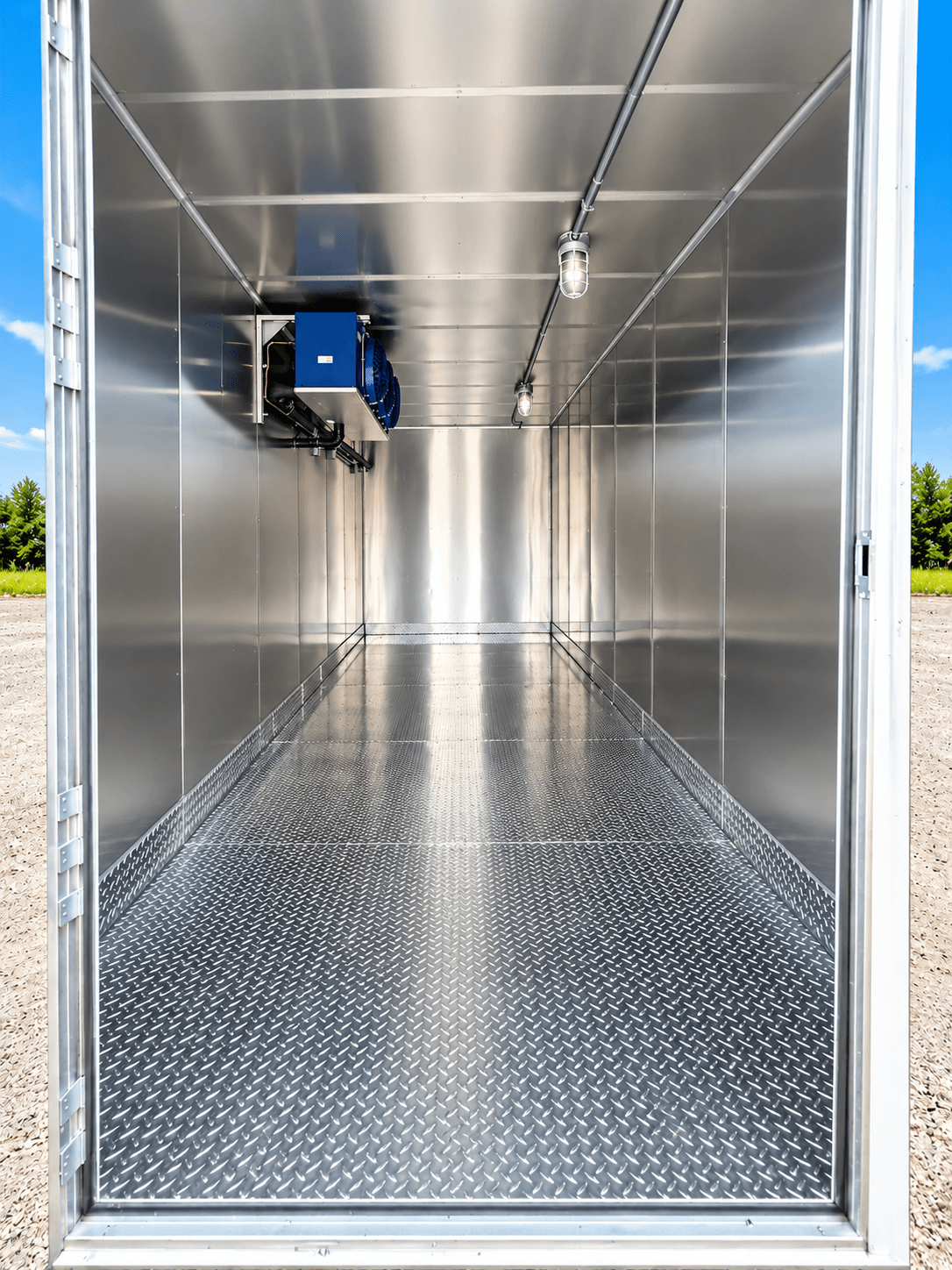
Compare the equipment
These published examples describe named company units. The supplied equipment, configuration and availability are confirmed for your project address.
Listed refrigeration trailer equipment: condensing unit, amps panel, lighting.
Equipment records reviewed October 19, 2026. Temperature labels are inventory labels, not verified operating ranges. Nominal length is a model label, not a measure of usable space or site footprint.
A closer look at your project area
Choose a city to explore refrigeration rental planning for your area. Bring the delivery address, preferred dates and storage needs to your inquiry.
Outline: Census TIGERweb generalized states, ACS 2025. City locations: 2025 Census Gazetteer.
Find the place that fits your project
NOAA describes Kansas as a transition from wetter eastern conditions to a drier west, with substantial variation in annual rainfall. Kansas lies in the central Great Plains. Its inland setting produces strong seasonal temperature contrasts, so a statewide description does not establish the operating surroundings at a particular temporary refrigeration position.
A rental spanning several months can also span different contractor boundaries, receiving arrangements and surface conditions. The refrigeration equipment’s assigned connection and approach for repeated staff trips need to remain usable throughout. Its own technical requirements establish the comparison with the product conditions; regional climate patterns cannot supply an ambient operating limit for an unknown unit. The standing area should be considered with drainage, the occupied working layout and the transporter’s eventual collection approach. Those tasks continue after the first delivery, when the site may be busier than it was during an initial visit.
A healthcare dining operation in Topeka or Lawrence, Kansas, may need to review its temporary arrangement when an ordinary supplier order arrives before earlier ingredients are used. Describe meal preparation and ingredient receiving separately, with the responsible dining contact explaining where employees need access throughout the working day.
When an industrial dining facility closes for repairs in Wichita or Overland Park, Kansas, supplier deliveries may continue before an alternative receiving position has been agreed. Agree who accepts meal supplies during each shift and how responsibility transfers when the incoming team takes over the working area.
A Wichita walk-in failure can remove the store that cooks enter repeatedly while another permanent room still holds reserves. Replacing that active function is different from adding occasional overflow. The temporary refrigerated load follows the menu continuing during repairs, including orders still due and ingredients reserved for later service. Chilled products and frozen reserves need separate required conditions. Cases, carts and the frequency of collection determine how the filled interior needs to work; the failed room’s external dimensions do not explain that routine.
For the 12ft Refrigerated Trailer, confirm the supplied configuration and electrical requirements before selecting it. Its doorway, floor access and agreed fittings must suit the products after the largest delivery overlap. Where preparation or cleanup also closes, a kitchen or dishwashing requirement has its own equipment task and connections. The food-service team remains responsible for assessing goods already affected under its established procedures while repairs and equipment options are reviewed.
For government facilities considering temporary equipment in Overland Park or Manhattan, Kansas, a clear dining brief can distinguish the stock displaced from food supplies that remain indoors. Bring the operating brief and purchasing questions into one discussion, while leaving the agency's approval requirements to its own authorized representative.
Explore the Wichita rental guide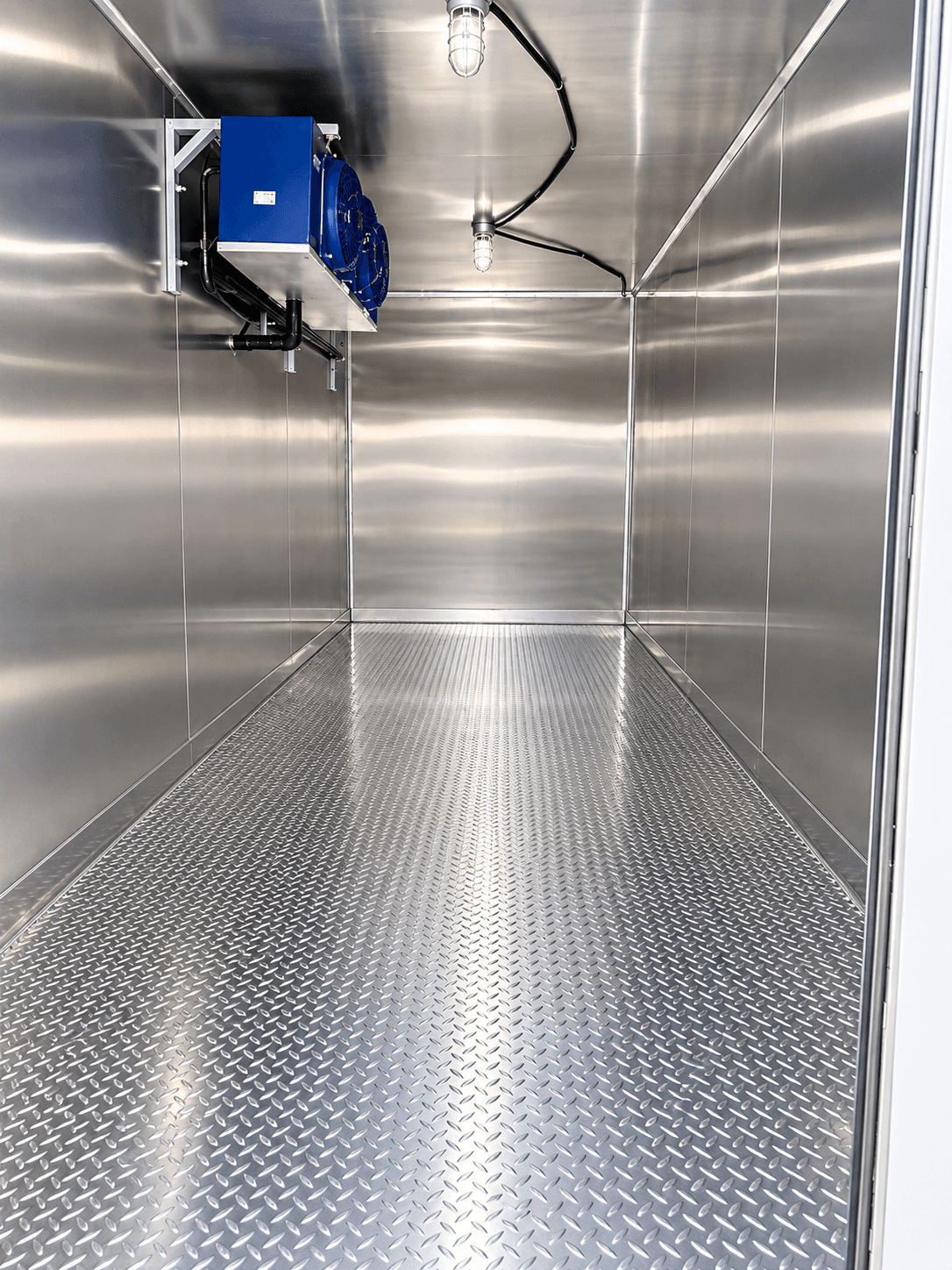
A Topeka institutional refurbishment can close refrigerated rooms in sequence while meals continue. The largest temporary quantity may occur between phases, with incoming orders arriving before stock returns to a restored room. Supplies remaining indoors and products retrieved daily need to stay distinguishable from reserves moved outside. Each phase can therefore change the role and period of the temporary store even when the overall building project retains the same finish date. The working load should follow the goods actually displaced.
For the 40ft Refrigerated Container, confirm usable capacity and electrical requirements for the offered unit, alongside a position suitable for the assigned load. A longer refrigerated lease should cover final stock clearance as well as initial installation. A temporary kitchen or dishwashing facility can return on another timetable, so each function needs its own release point and collection terms. One permanent room reopening does not automatically end the remaining food-storage work.
For military food-service inquiries in Lawrence or Wichita, Kansas, a tentative repair schedule can affect the requested rental period even when the meal requirement remains unchanged. State the meal service requirements and the dates currently known, marking any timing or receiving assumptions for review by the authorized contact.
Explore the Topeka rental guideOverland Park Convention Center’s current venue information identifies exhibition-hall loading docks and drive-in ramps alongside its separately described catering operation. For an authorized food-service team arranging temporary refrigeration there, those are different parts of the operating plan. A ramp or dock supports equipment arrival; it does not by itself establish where the cold store stands, how it connects or where ingredients remain available during preparation. The event’s assigned position and food-service role need to be settled with the responsible venue contacts.
Banquet ingredients, supplies for an ordinary meal period and reserves for the next function can peak at different times. The refrigerator’s useful arrangement follows the actual menu, cases and receiving overlap rather than guest attendance alone. Some products may remain in a working permanent store while others move temporarily. Any separate cooking or dishwashing provision also needs its own stock and staff route. The full arrangement must still work after freight has arrived and other event activity occupies the surrounding space.
For hospitality businesses arranging repairs in Wichita or Overland Park, Kansas, the last transfer back to permanent rooms deserves attention alongside the initial movement of supplies. Ask the dining supervisor to identify frequently retrieved ingredients and describe how employees will reach them while other property activities continue.
Explore the Overland Park rental guideIngredient orders can arrive at a Lawrence preparation property before a guest venue is ready for them. Refrigeration serving that earlier stage has a different job from stock positioned beside service. The first supply delivery, preparation overlap and goods reserved for later meals should remain attached to the correct working address. A buying-office address or event title does not establish the equipment destination. Where several locations are involved, the proposed transport and stock responsibilities need to remain identifiable for each.
After service, remaining ingredients may still need refrigerated holding while the property clears and supplies return to ordinary storage. A short rental follows that complete working cycle, not only the hours when guests attend. A kitchen can finish before the last products leave the cold store, while dishwashing continues as returned items are processed. Each task should have an agreed period, usable connections and collection arrangement, with changes addressed in the written terms if later functions alter the finish.
For events spanning different service periods in Topeka or Lawrence, Kansas, the last supplier arrival may occur before staff know which ingredients each preparation team needs. Keep the supplier schedule, menu revisions and venue access instructions together so replacement staff can understand the agreed catering setup.
Explore the Lawrence rental guideMoving from an old cold room to replacement refrigeration can produce more than one transfer. Products needed for the next meal service may move first, while reserves remain indoors until another area closes. Later supplier orders can raise the refrigerated quantity again before permanent operations resume. The usable interior must support those actual handoffs after loading. Frequently retrieved cases should remain accessible beside goods allocated to later periods, rather than letting an early stock count define every stage of the project.
An uncertain repair finish can also leave the rental serving a changing menu for longer than expected. The responsible operator needs the supplied unit’s agreed conditions, layout and connections identified alongside the remaining permanent facilities. Restored storage, supplier arrivals and the final ingredient move can overlap. The practical end point is the last temporary stock clearance and agreed equipment collection. Terms for extensions or revised dates should follow that workload, so the complete handback is covered even when different rooms return on different days.
When a school dining area closes unexpectedly in Manhattan or Topeka, Kansas, incoming ingredients may need a temporary destination before the next scheduled meal service. Ask the dining lead to match the proposed menu with ingredient arrivals, available working space and the planned staff handover.
Explore the Manhattan rental guideFor another Kansas location, continue with the Kansas City, Olathe, Shawnee or Lenexa rental guide. The actual products, working address and expected period remain the basis of the proposed arrangement. Each property needs its own receiving destination and connection responsibilities, even when one organization coordinates purchasing across several sites. The busiest stock overlap and the final transfer should stay visible alongside the intended equipment position.
The written proposal should identify the assigned refrigeration equipment, required conditions, period, availability, delivery, collection and site responsibilities. The setup and delivery figure starts from a national amount, not a price for this address, so collection and every journey need confirmation. A short rental and longer lease should be compared using the same operating scope, with any separate temporary facilities and extensions addressed in the terms. Request availability and a project quote covering that complete requirement.
A food distribution refurbishment in Overland Park or Manhattan, Kansas, can change the space available for incoming goods before the normal outbound collection timetable has been adjusted. Ask how the operator records returned goods and separates them from available stock before agreeing the proposed equipment position and product route.
Before you decide
Yes. Describe the products displaced in each phase and any busy overlap between rooms closing or reopening. Include receiving and staff-route changes alongside the stock. The proposed rental period and terms should address that sequence, rather than assume the same temporary load and layout apply unchanged throughout the entire project.
Not by themselves. Describe the menu’s supplies, packaging, delivery frequency and quantity held during preparation. Include stock reserved for later functions and any regular business continuing alongside the event. These details connect equipment selection with the actual working load instead of treating attendance as a storage-capacity formula for the project.
The project quote should identify suitable equipment, availability, the rental period, address-specific transport, charges and responsibilities. Share known site services and access information when requesting it. Confirm extension and change terms before booking, particularly where permanent repairs or construction still have an uncertain finish. Statewide coverage does not imply a fixed dispatch interval.
City examples illustrate project planning; availability is confirmed for each delivery address.
Temporary refrigeration, kitchens and dishwashing can support many kinds of food-service operations. Each setting below starts with its own schedule, stock and site questions, and every project is reviewed individually.
Hotels, restaurants and resorts can plan temporary refrigeration around breakfast, banquet and dinner service when a walk-in cooler fails or a kitchen is refurbished.
Hospital, nursing home and care-facility kitchens can describe meal schedules, delivery times and displaced stock so temporary storage follows the food-service routine.
Municipal, county and public-building food-service teams can outline receiving arrangements, responsible contacts and project dates before a quote is prepared.
Dining facility managers can explain the products displaced, the receiving arrangements and the proposed period, then review availability and terms with our team.
Schools, colleges and universities can plan around term dates, serving windows and campus kitchen renovations so meal service can continue during repairs or construction.
Plant cafeterias and employee dining areas can describe shift patterns and staged building work so temporary cold storage can be reviewed against the working schedule.
Caterers and venues can plan preparation windows, event days and overflow ingredients, and describe how stock moves between storage, the kitchen and service.
Producers, wholesalers and distributors can describe loading, staging and storage needs when a cooler breaks down or demand temporarily exceeds capacity.
These examples describe planning situations. Equipment, availability and terms are confirmed in a project quote.
Cold storage is only one part of a project. These are the questions we work through with you before anything is booked.
Start with refrigerated containers and refrigeration trailers, then add a temporary kitchen or dishwashing trailer when the project needs one, all in a single conversation.
Access, utilities and the intended position are reviewed before delivery is arranged, so the equipment is matched to your site rather than the other way around.
Whether a walk-in cooler failed this morning or a renovation is months away, describe the real situation and plan around the stock, dates and people involved.
Planning guides cover all 50 states and more than 700 cities. Your address is then confirmed for equipment and delivery.
Use the rental calculator for a rate-range estimate and setup amount, then request a project quote that confirms availability, transport and the rental period.