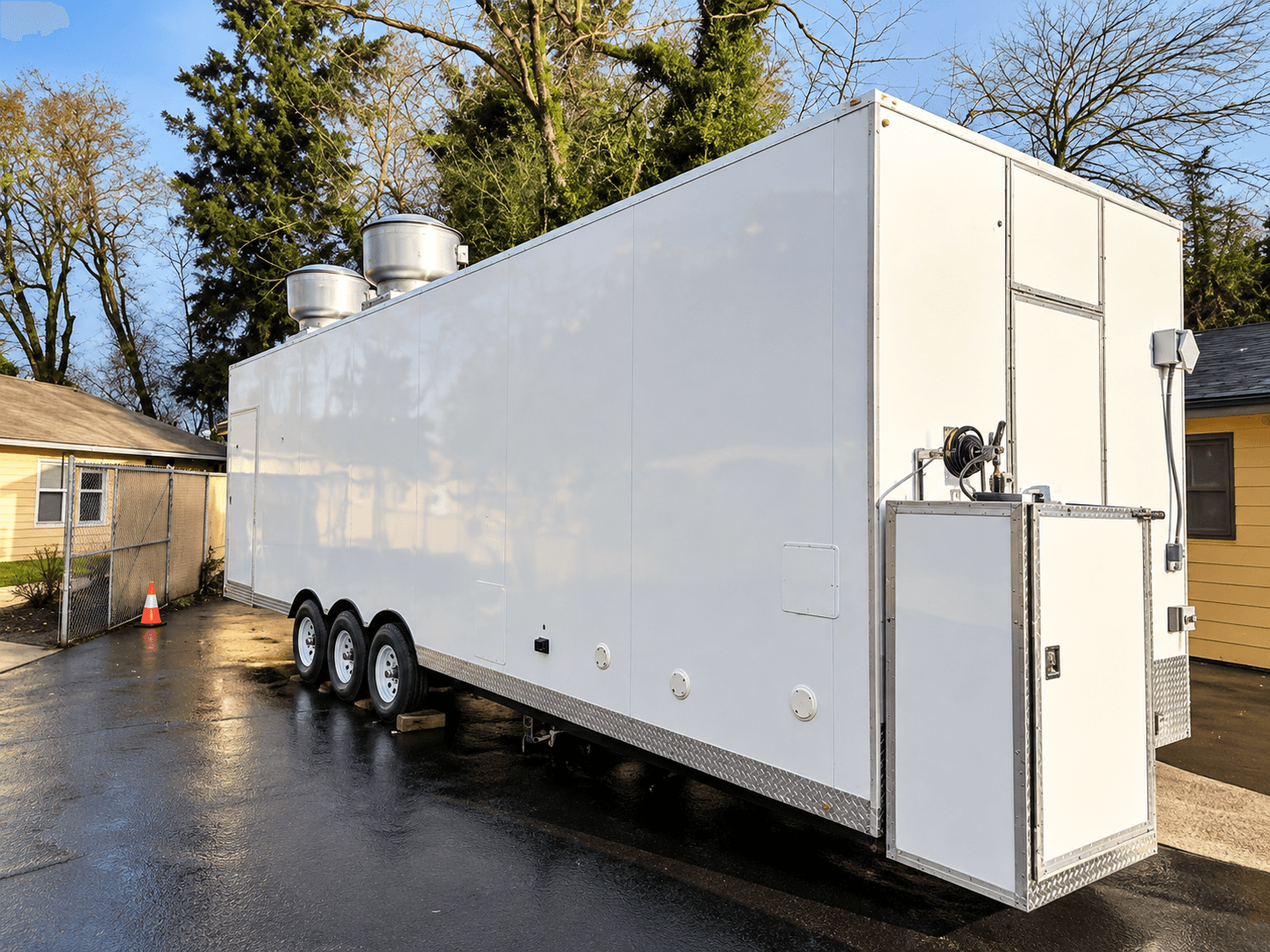
What the Baby Bulk Kitchen example includes
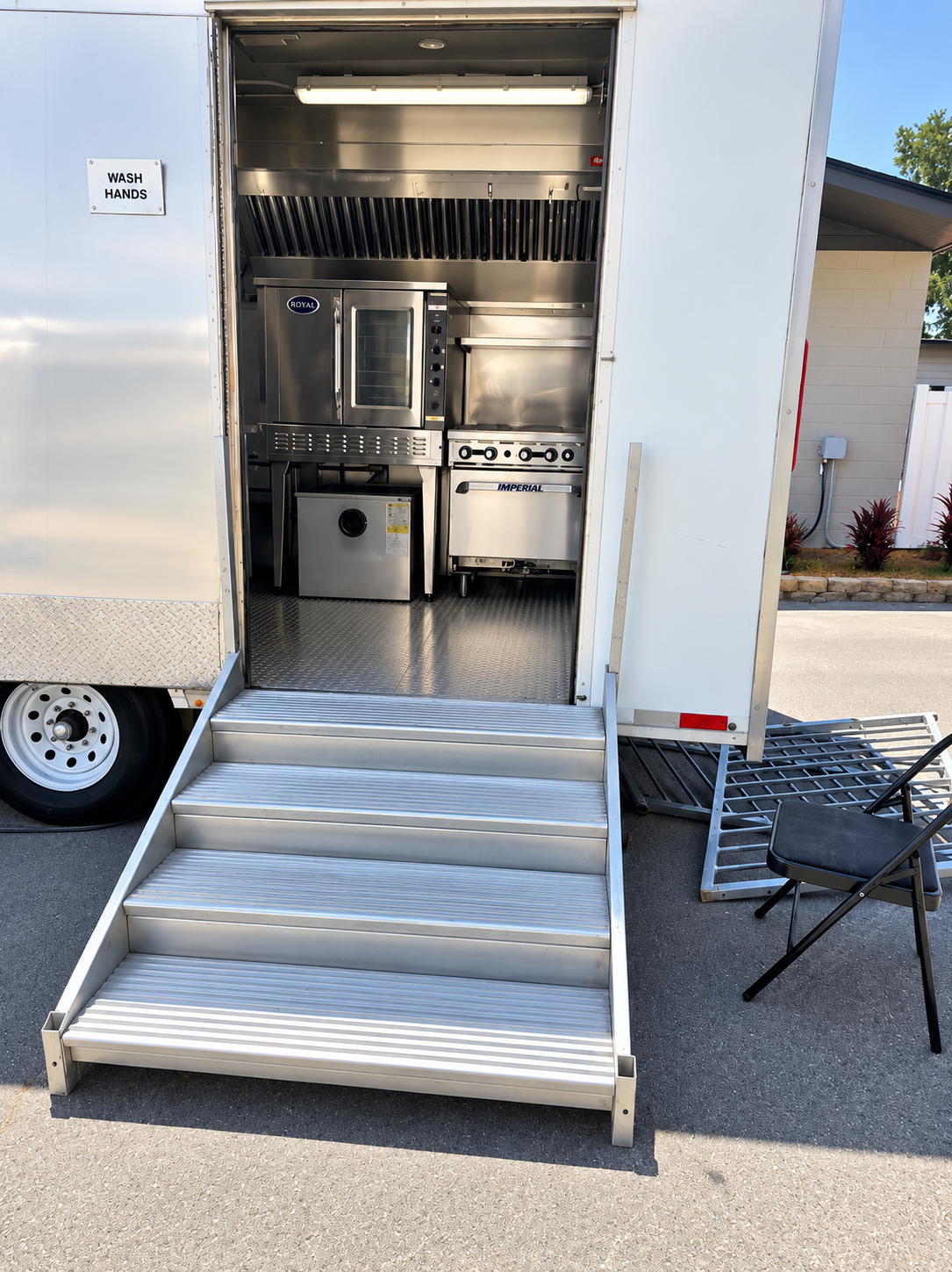
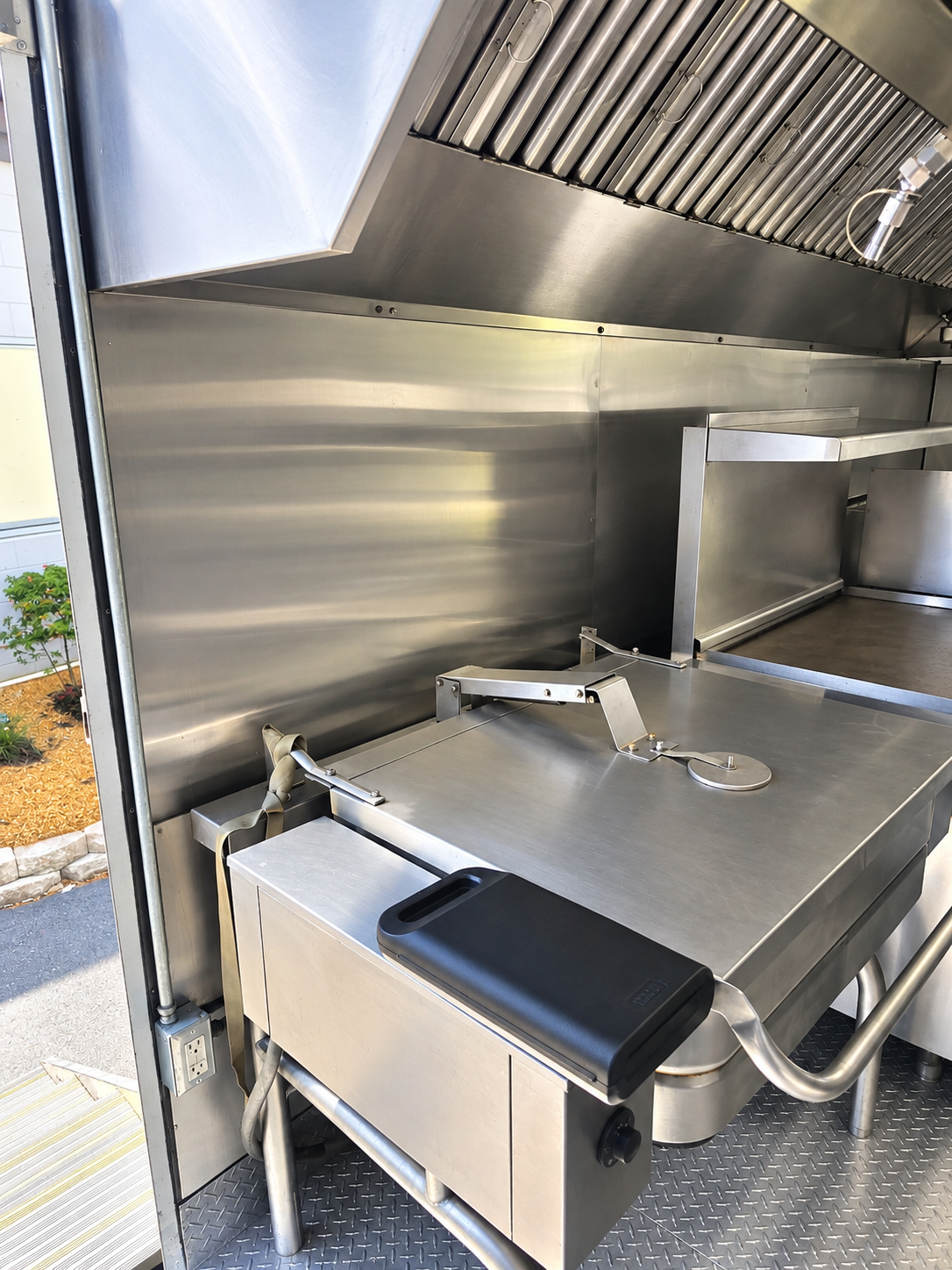
P2’s published list contains a three-compartment sink, handwashing sink, prep table, mop sink, reach-in refrigerator and freezer, and water heater. No oven, range, fryer or other cooking appliance is documented. The Baby Bulk Kitchen name identifies the inventory entry; it does not establish a cooking line, batch capacity or meal-production rate.
For a batch-preparation task, the useful sequence is receiving, holding, preparing and handing ingredients to the next working area. A separate cooking operation may follow, but its equipment and location need their own place in the plan. This separates the work supported by the documented preparation fixtures from functions that are not supplied by the inventory description.
Hold ingredients between preparation batches
Repeated preparation creates a holding requirement before the next batch starts. The reach-in refrigerator and freezer in P2’s list identify two storage functions, but the record supplies no usable volume, shelving dimensions or operating temperatures. Package sizes and the ingredients needed between deliveries therefore matter more than the nominal trailer length when comparing a proposed arrangement.
The prep table should remain available for its working task instead of carrying every unopened carton. An operation receiving large orders may retain some stock elsewhere or need separate cold storage. The connection between holding and preparation should follow the products and handling requirements established by the customer’s food-service team.
Coordinate a rental for government food-service facilities
A government facility planning dining repairs in Virginia, Maryland or Delaware can explain its ingredient requirements separately from the approval process for the proposed rental arrangement. Have the property and food-service contacts review the receiving route together before the purchase representative treats a proposed position as agreed.
Hand prepared ingredients to a separate cooking area
Prepared ingredients need an identified destination when they leave P2. They might pass to a permanent cooking area or a separately arranged temporary kitchen, depending on the project. That handoff affects containers, carts and staff movements, even though the cooking equipment itself is not documented in P2’s list.
The next preparation batch can be delayed when the receiving work area cannot accept the previous one. A practical sequence gives each transfer a responsible person and a clear place to wait under the operation’s own handling procedures. The record provides no production-rate guarantee, so timing should be evaluated against the actual tasks, quantities and assigned layout rather than the Bulk label.
Keep washing and utensil return connected to preparation
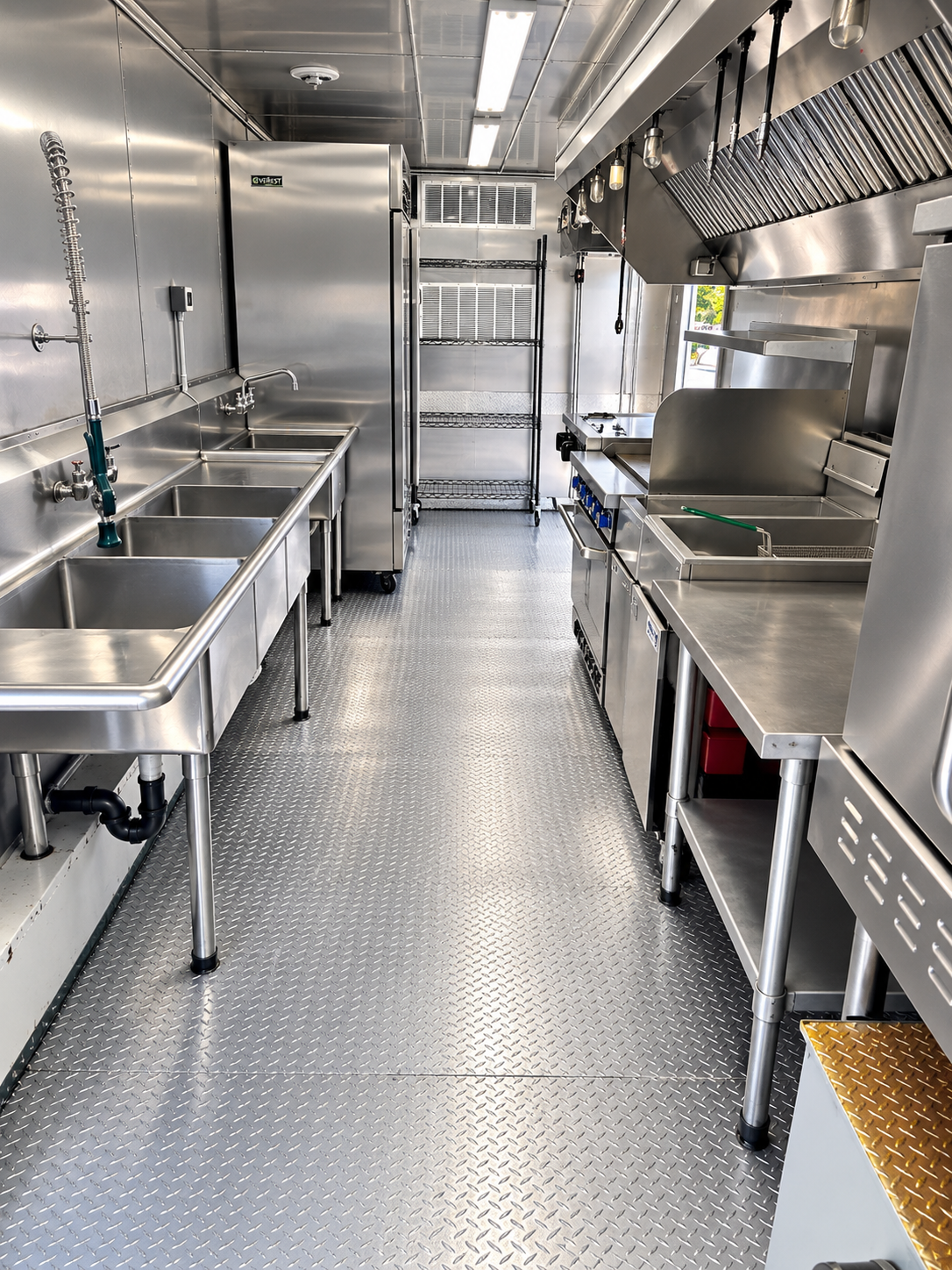
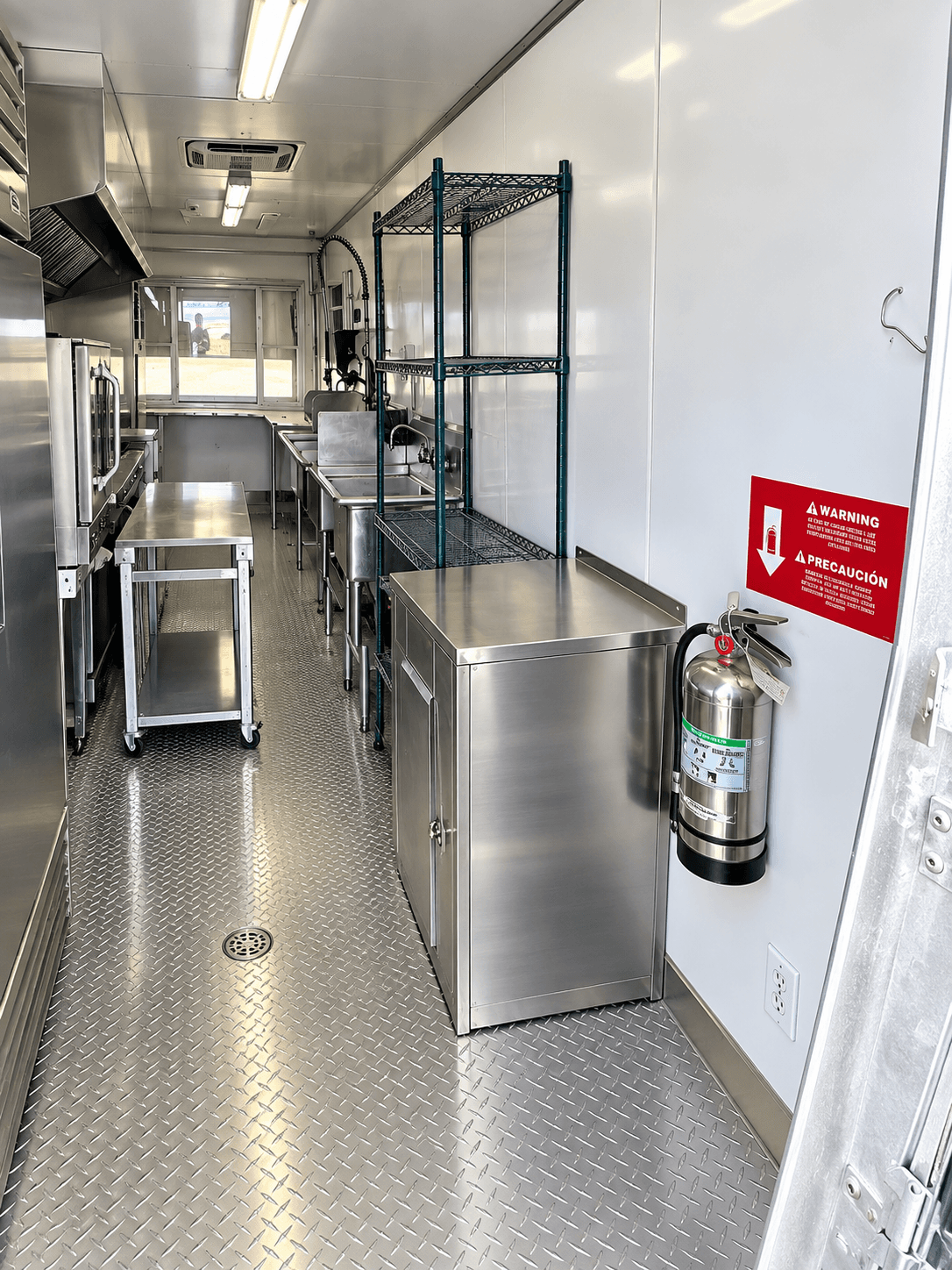
A three-compartment sink, handwashing sink and mop sink serve different tasks within P2’s documented arrangement. A prep table and water heater appear in the same record. These fixtures describe useful functions, but their dimensions, heater capacity, water demand and drainage connections are not supplied. The final layout and services must come from the assigned unit’s technical information.
Reusable containers and utensils also need a return route that does not interrupt active ingredient preparation. Any separate dishwashing requirement should be identified by the items involved and the destination of clean equipment. The presence of sinks does not establish a complete machine-washing package or a particular cleaning capacity for every batch process.
Coordinate the batch schedule with access to the site
Give the delivery address and intended position, then describe the operating periods when suppliers, staff or distribution activity use the surrounding area. A kitchen serving a commercial or industrial project may share access with other work. Explain those movements so the site contact can review the proposed position in context.
P2 lists 220V, single-phase power at 200A. Its record does not provide water flow, inlet and drain sizes, exact connector or circuit design. Have a qualified site professional review the assigned unit’s information and the available services. Keep preparation and readiness checks in the same schedule as the production work and transport.
Allow for a changing production requirement
A planned renovation may move through stages, while a breakdown may leave the duration uncertain until repairs are assessed. Explain what controls the temporary kitchen requirement and whether the production pattern could change. If an event has preparation days or a clear-out period, include those rather than using only the public date.
Ask about terms for a short rental or longer lease and the process for requesting changes. If the quantity, menu or operating period changes after the proposal, bring the revised brief back for review. Avoid treating an initial configuration discussion as approval for every later production task.
Request a quote tied to the working process
A proposal for the 26FT Bulk Kitchen should identify the actual preparation unit and distinguish it from any separate cooking arrangement. P2’s published electrical entry is 220V, single-phase, 200A; the record supplies no exact plug, circuit design or water and drain connection sizes. Those details need review by the property’s qualified site professional before connection work.
The written scope should also establish dates, transport, setup and collection responsibilities, plus any separate storage or washing equipment. Short-term and longer rental arrangements are assessed against that complete scope. Contact the team with the preparation sequence, working address and available site information to request availability and a project quote.