BXRT20–1 — Refrigeration unit
- Nominal length
- 20ft
- Listed voltage
- 220V
- Electrical phase
- Single-phase
- Listed amperage
- 40–60A
- Inventory temperature label
- 32°F
Listed equipment
- Condensing unit
- Amps panel
- Lighting
A 20ft refrigerated trailer rental can bridge an emergency walk-in cooler or freezer failure, renovation or event storage need. Three documented examples list 220V, single-phase, 40–60A power: BXRT20–1 carries a 32°F inventory label, MT1 15°F and LT2 −5°F. These are separate unit labels, not a verified operating range or usable-capacity guarantee. Hotels, schools, caterers and food distributors can compare short rentals or longer leases with their products and handling routine. Related kitchen and dishwashing work needs its own scope. Delivery coordination includes the address, access, utilities and dates. Contact Worldwide Refrigerated Container Rental Facilities for availability and a project quote.
Plan your rental budget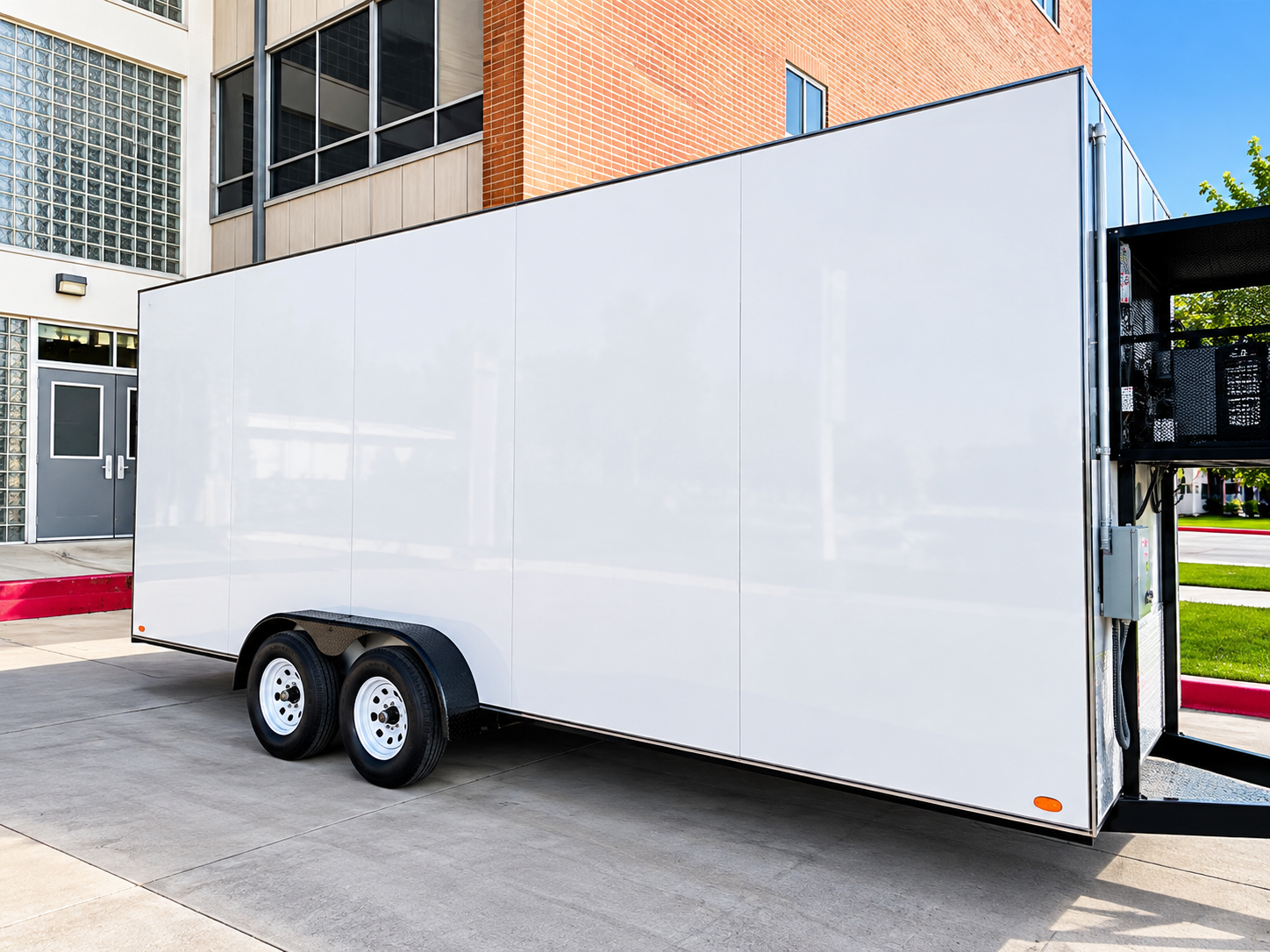
Know the equipment
Published details for 3 named units in the 20ft refrigerated trailer guide.
The temperatures below are inventory labels for three separate examples, not a verified operating range for every 20ft trailer.
Details come from named units in our equipment records (reviewed October 19, 2026). Your rental proposal confirms the unit and configuration supplied. Nominal length is a model label, not the interior space.
Temperatures shown are inventory labels, not verified operating ranges. Your quote confirms the plug type, usable space and settings for the unit assigned to your project.
Take a closer look
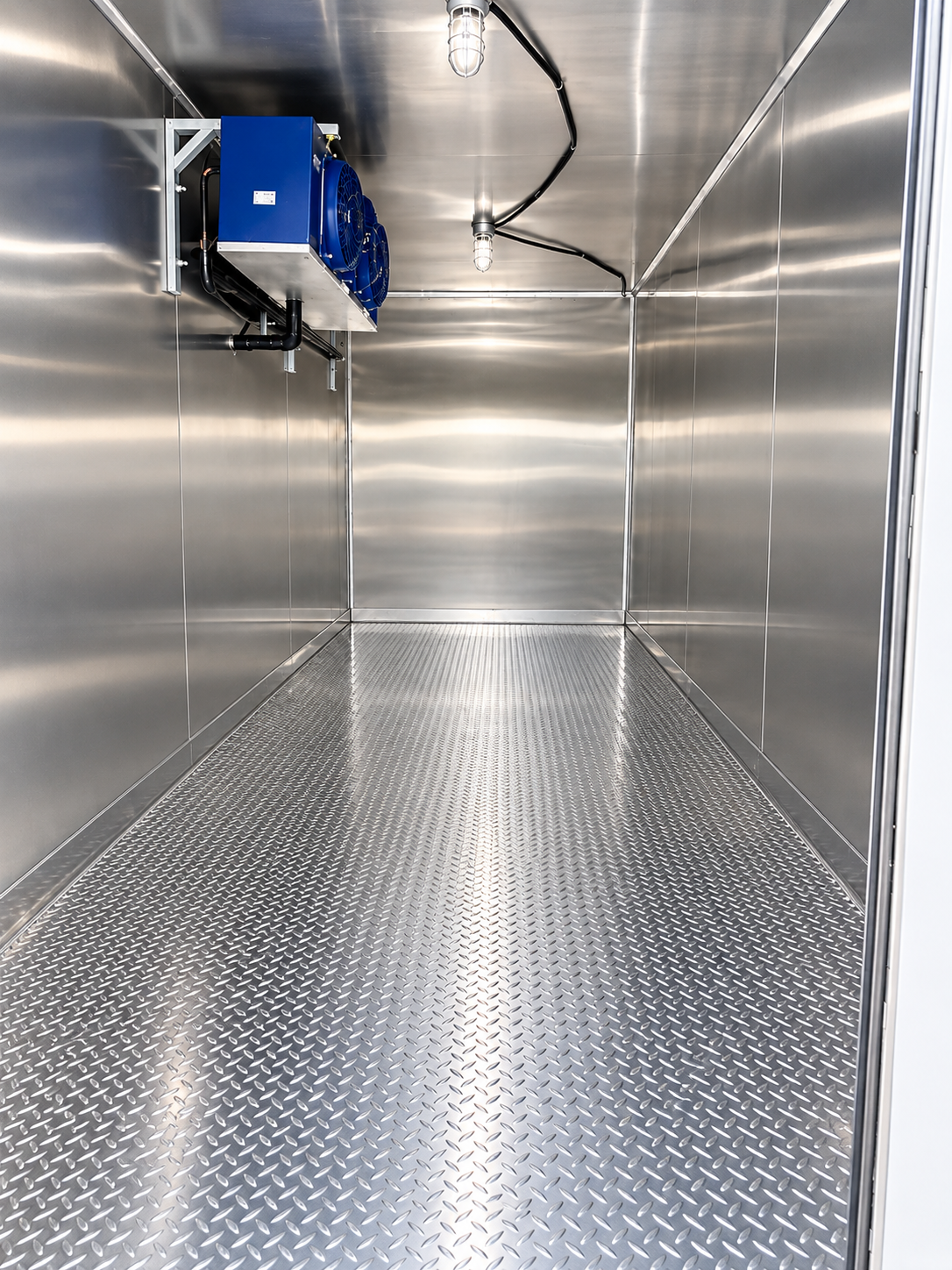
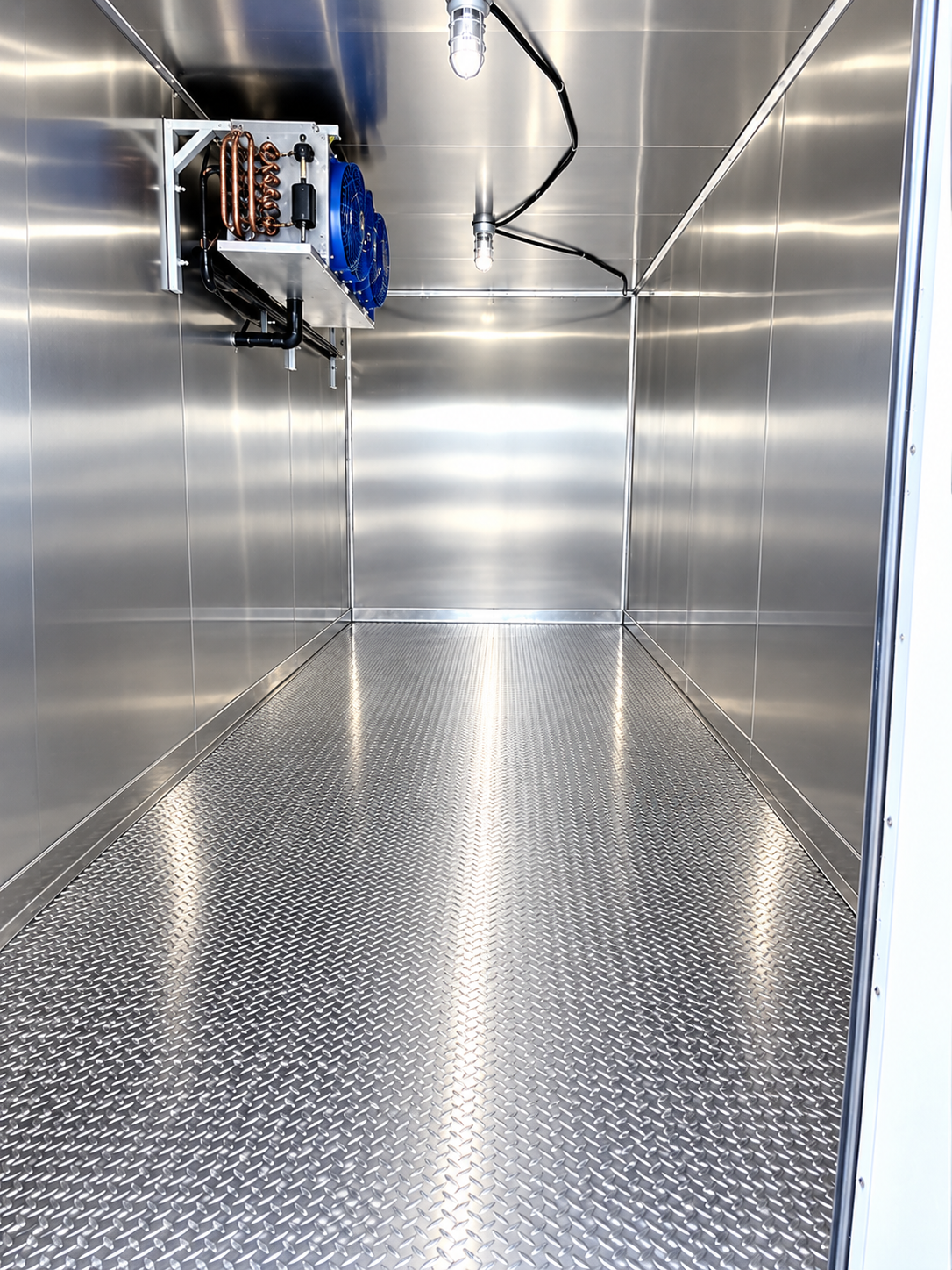
Team-library reference photographs from the 20ft refrigerated trailer folder. Confirm the unit and layout for your rental.
BXRT20–1, MT1 and LT2 are three separate nominal 20ft inventory examples. Each lists a condensing unit, amps panel and lighting, with 220V, single-phase power at 40–60A. Their temperature labels differ: 32°F for BXRT20–1, 15°F for MT1 and −5°F for LT2. The entries do not publish verified operating ranges or usable storage capacities.
These distinctions make the actual unit more important than the shared trailer length. Chilled and frozen products need their own required conditions, established by the responsible food-service team. A label cannot be converted into evidence of performance at every ambient condition, a product approval or a guarantee that one example can perform the same storage task as another.
A 20ft trailer needs more room to arrive, turn and stand than a smaller one. Walk the delivery route and look at gate widths, tight corners, overhead cables, low branches, steep entrances and any surface that could struggle under weight. Note where other vehicles regularly park.
Photographs and a simple sketch of the route and resting place help the rental team assess the plan. If the property has restricted delivery windows or a security checkpoint, mention them early. A route that looks open on a quiet morning can be blocked when the property is busy.
The loading route connects outside handling with the usable storage arrangement. Cases carried by hand, carts and other handling formats impose different doorway and floor-access needs. A doorway that admits a carton may still be unsuitable for the cart or turning movement used by staff, making the actual measured layout important.
The inspected records do not publish floor height, door opening, interior dimensions or rack layout for these examples. Those missing measurements should be established for the assigned unit before loading equipment or a working position is accepted. Reference photographs show visible features only, and the nominal 20ft length does not establish pallet capacity, access height or the site footprint.
A trailer is heavy, and the ground beneath it matters. Check the surface for firmness and slope, and look for drainage that could leave water around the unit after rain. Ask what the rental team needs to position and stabilize the trailer on your type of ground.
Think about distance from the kitchen or receiving door. A longer walk is acceptable for a trailer used mainly for bulk storage, but a poor position adds minutes to every task. Walk the proposed spot with the people who will use it, and mark any places the trailer must not block.
The three documented examples each list 220V, single-phase, 40–60A power and refer to a NEMA plug without identifying its exact configuration. That text is unit-specific electrical information, not a complete connection design or proof that a property’s existing outlet is suitable. The assigned unit’s technical details need review by a qualified site professional.
The connection review should include the proposed position, available supply and the operating period. Exact circuit requirements, cable length and site suitability are not supplied in these records. A contingency for a power interruption belongs with the responsible property and food-service teams; no backup generator or automatic standby arrangement is established by the inventory description.
A larger trailer is often shared by a kitchen, a bar, a catering team or a storeroom. Agree who may open the door, how stock is labeled and how often the contents are checked. Without simple rules, a shared unit becomes difficult to rotate and easy to leave open.
Choose one person to be the contact for the rental and to report problems to the rental team. Write the storage zones and the contact name on a sheet inside the door. A short briefing for each team at the start of the rental prevents small habits from turning into wasted stock.
A trailer and a container can both give cold storage, but they suit different sites. A trailer is delivered on wheels, which the photographs on this site show, while a container is shown as a metal-lined interior with a wall-mounted cooling unit. Ask how each proposed unit is delivered, positioned and later collected.
If the unit will stay in one place for a long project, a container may deserve a look. If the position may need to change or space is limited, the trailer may fit better. Review the 20FT Refrigerated Container guide, then discuss your property with the rental team.
Gather the inventory, route photographs, power details, preferred position and dates before contacting Worldwide Refrigerated Container Rental Facilities. Ask which unit is proposed, whether it is available and what the rental or lease arrangements would be for your location.
Ask also what is expected at delivery and at handback, including how the trailer will be emptied and cleaned. Historical prices on this site are dated references and are not a current offer. The team can prepare a project quote once your requirements and address are clear.
Compare your options
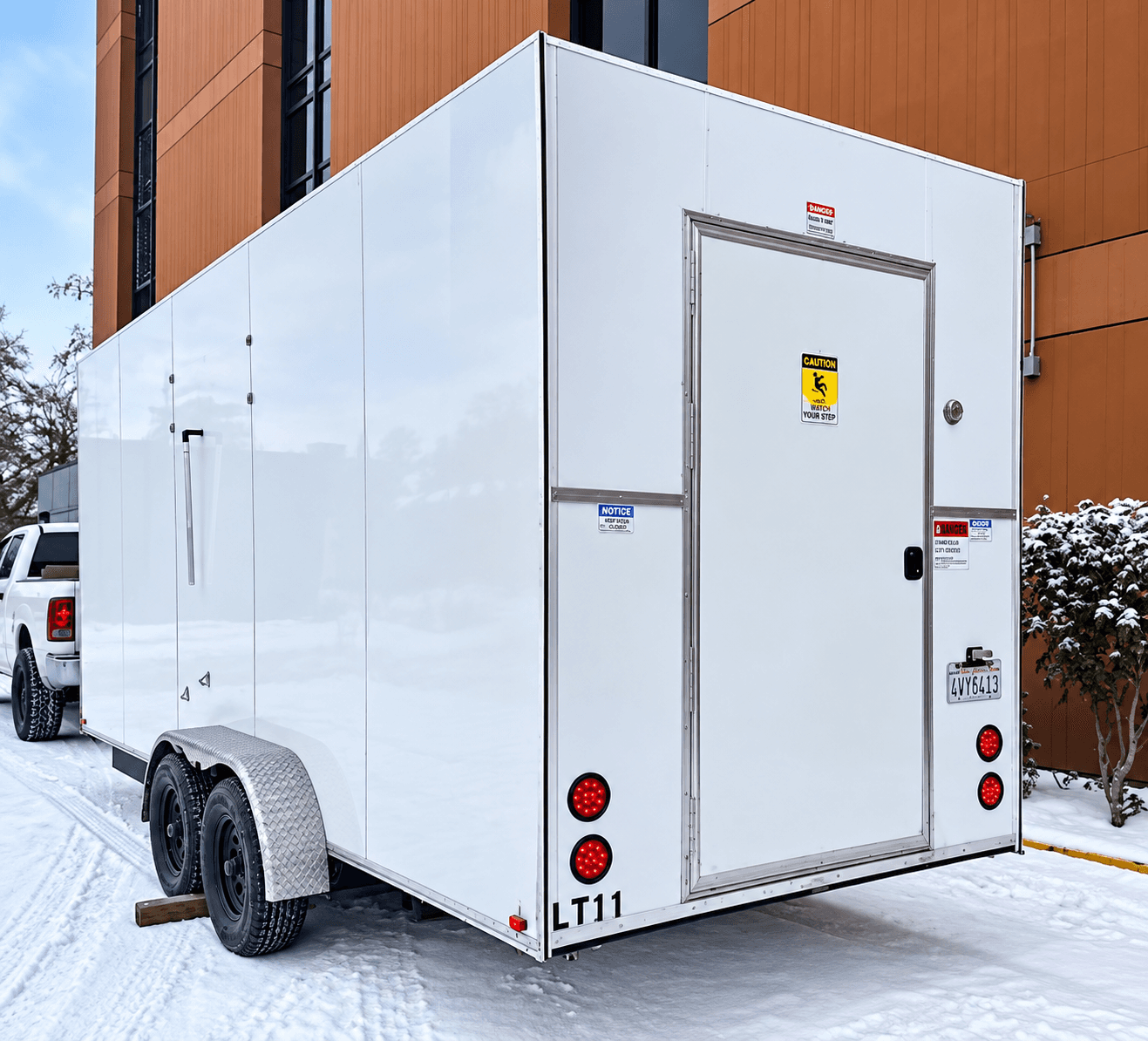
A nominal 12ft trailer with named BXRT12 records listing 220V single-phase power at 40–60A and a 32°F label. Compare the assigned unit's storage space, access and connections with your stock before treating the compact label as proof of fit.
View 12FT Refrigerated Trailer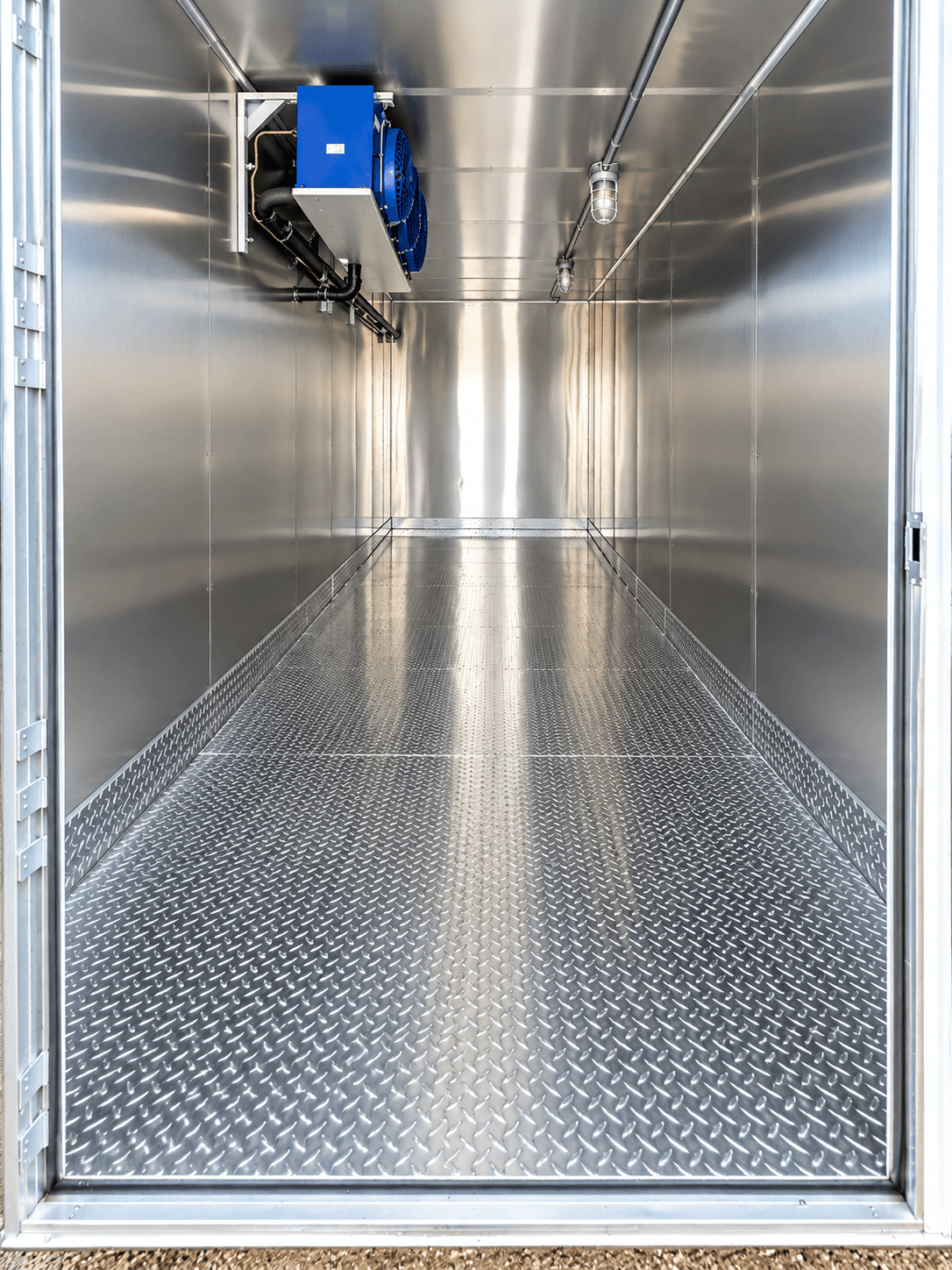
A 20ft refrigerated container for cold storage that stays at one working position. Your quote confirms the assigned unit's power, temperature and usable space, so compare its stock access and connections with your site.
View 20FT Refrigerated Container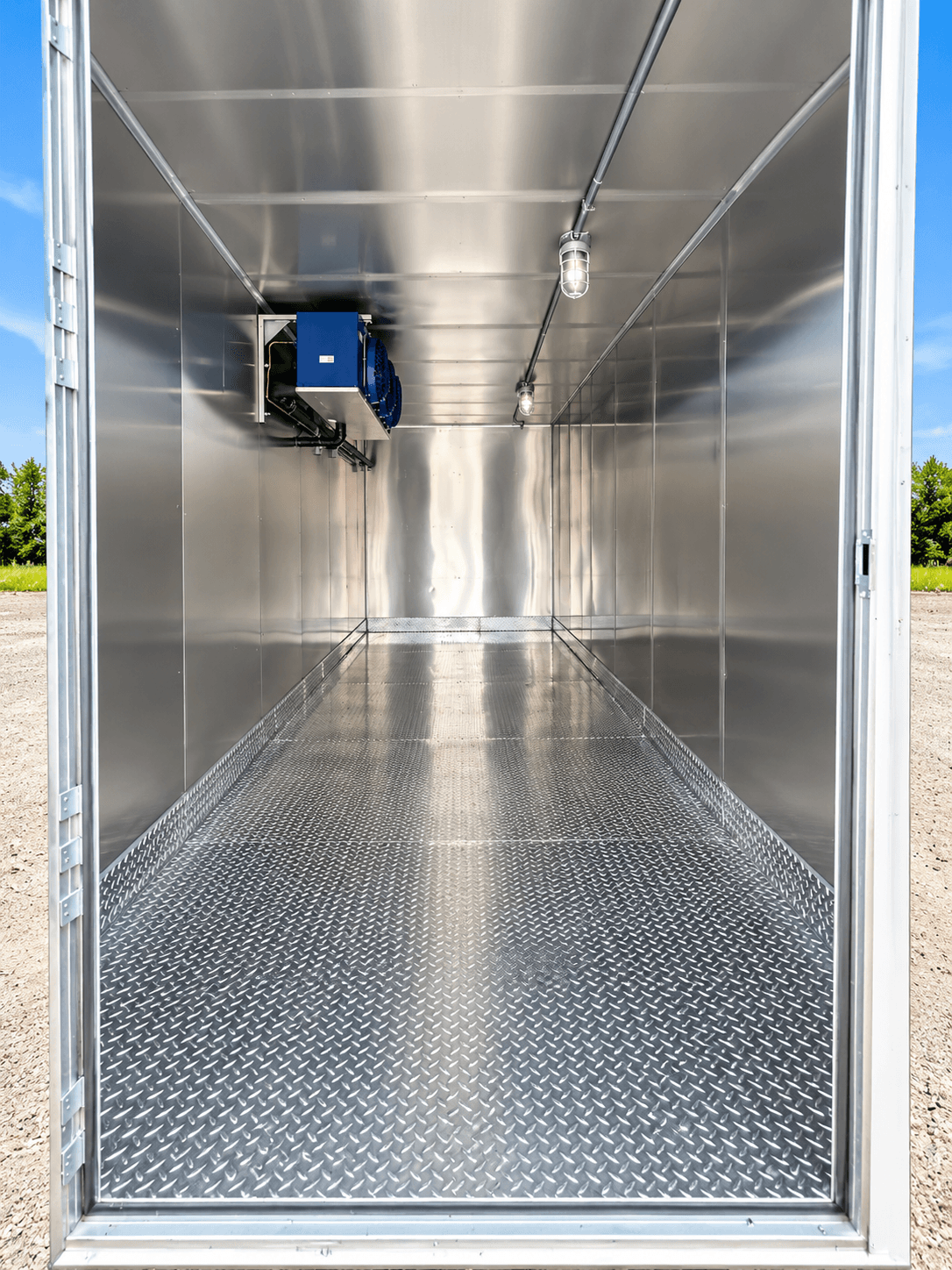
The larger 40ft refrigerated container for large-scale cold storage. Your quote confirms the assigned unit's power, temperature and usable space. The photographs shown are 20ft reference images, so ask for views and measurements of the unit proposed.
View 40FT Refrigerated ContainerLet’s talk about your project
Confirm the equipment, layout, site requirements and rental terms before you book.
Temporary refrigeration, kitchens and dishwashing can support many kinds of food-service operations. Each setting below starts with its own schedule, stock and site questions, and every project is reviewed individually.
Hotels, restaurants and resorts can plan temporary refrigeration around breakfast, banquet and dinner service when a walk-in cooler fails or a kitchen is refurbished.
Hospital, nursing home and care-facility kitchens can describe meal schedules, delivery times and displaced stock so temporary storage follows the food-service routine.
Municipal, county and public-building food-service teams can outline receiving arrangements, responsible contacts and project dates before a quote is prepared.
Dining facility managers can explain the products displaced, the receiving arrangements and the proposed period, then review availability and terms with our team.
Schools, colleges and universities can plan around term dates, serving windows and campus kitchen renovations so meal service can continue during repairs or construction.
Plant cafeterias and employee dining areas can describe shift patterns and staged building work so temporary cold storage can be reviewed against the working schedule.
Caterers and venues can plan preparation windows, event days and overflow ingredients, and describe how stock moves between storage, the kitchen and service.
Producers, wholesalers and distributors can describe loading, staging and storage needs when a cooler breaks down or demand temporarily exceeds capacity.
These examples describe planning situations. Equipment, availability and terms are confirmed in a project quote.
Cold storage is only one part of a project. These are the questions we work through with you before anything is booked.
Start with refrigerated containers and refrigeration trailers, then add a temporary kitchen or dishwashing trailer when the project needs one, all in a single conversation.
Access, utilities and the intended position are reviewed before delivery is arranged, so the equipment is matched to your site rather than the other way around.
Whether a walk-in cooler failed this morning or a renovation is months away, describe the real situation and plan around the stock, dates and people involved.
Planning guides cover all 50 states and more than 700 cities. Your address is then confirmed for equipment and delivery.
Use the rental calculator for a rate-range estimate and setup amount, then request a project quote that confirms availability, transport and the rental period.