Identify the washing task before choosing a model
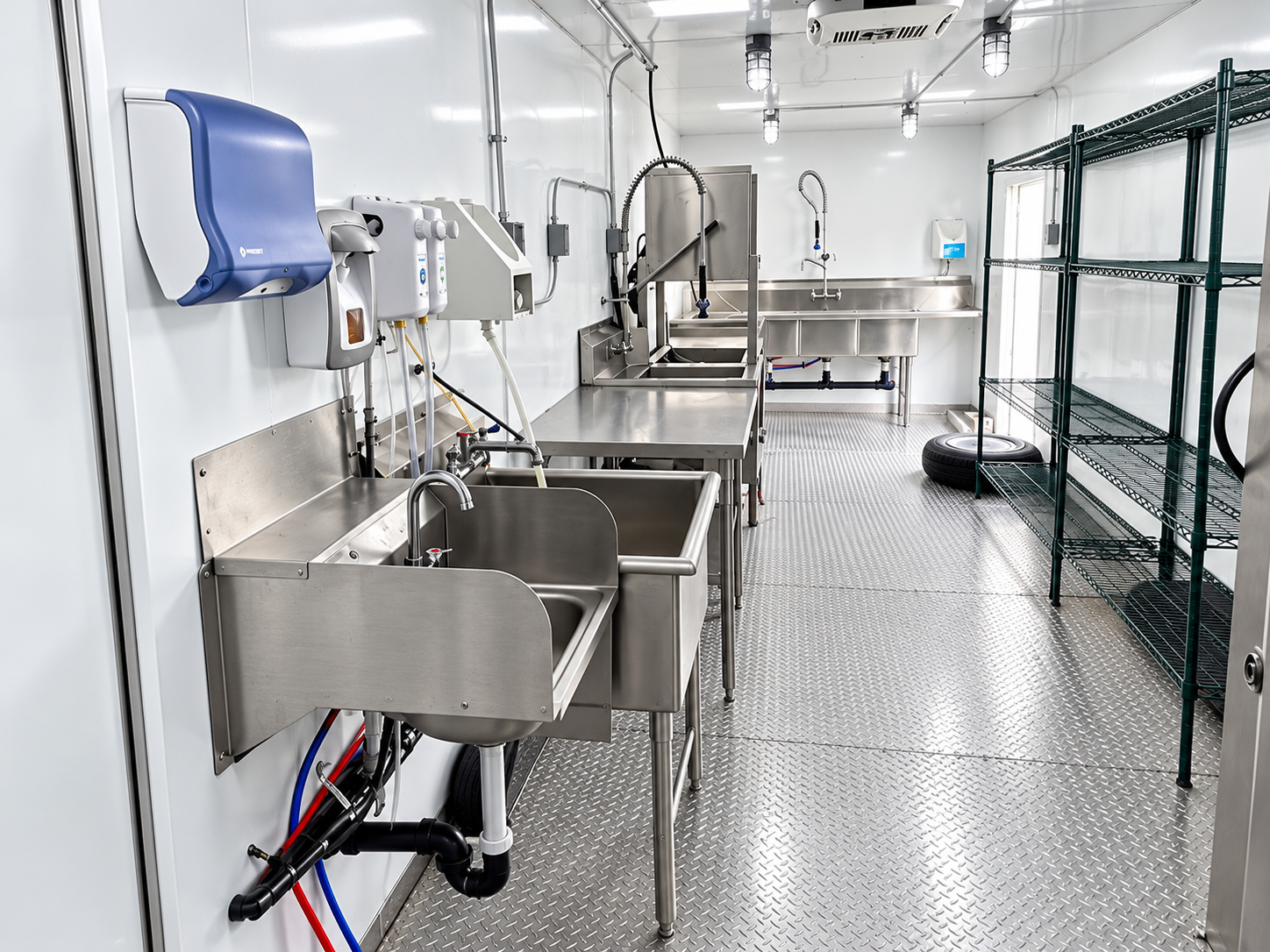
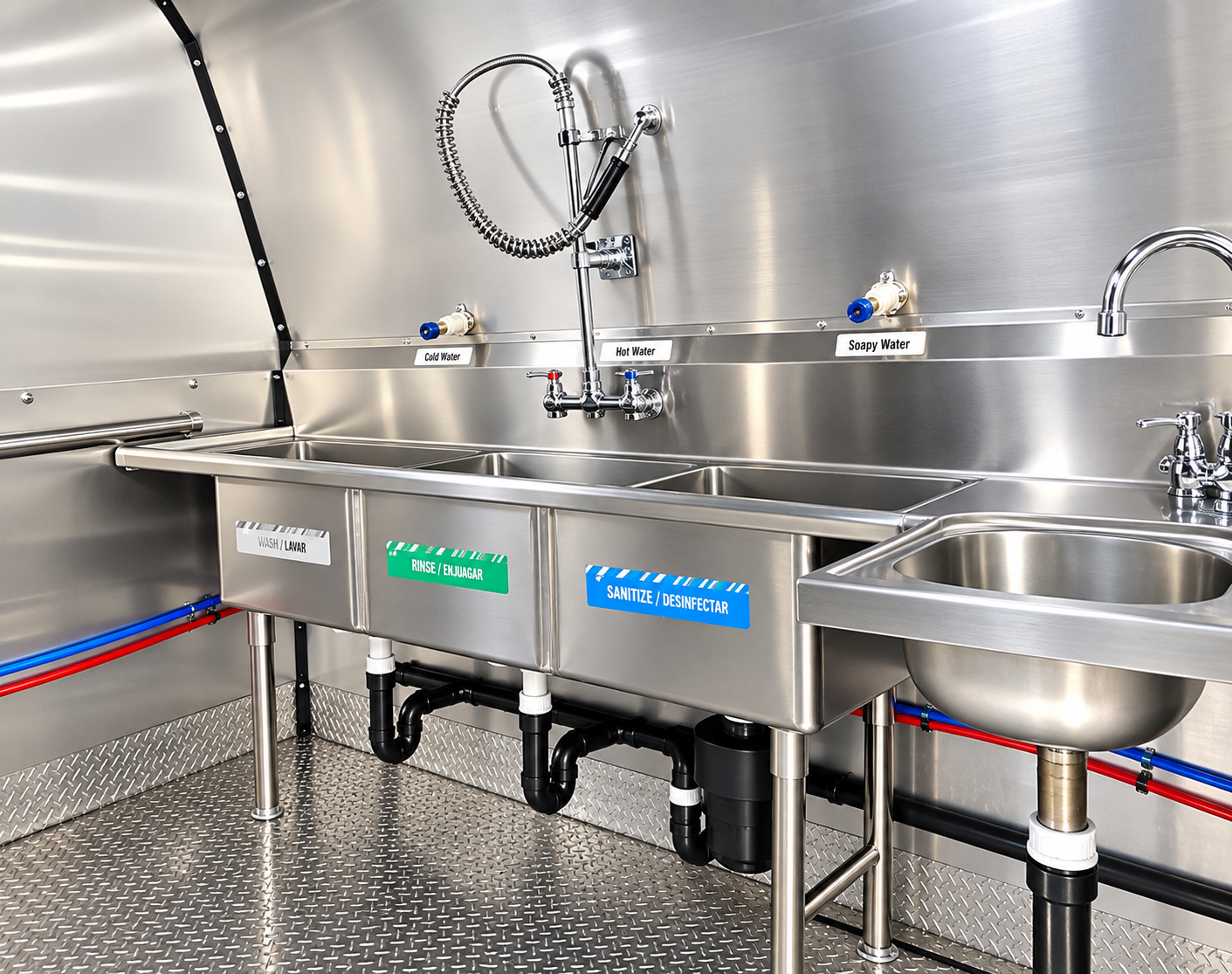
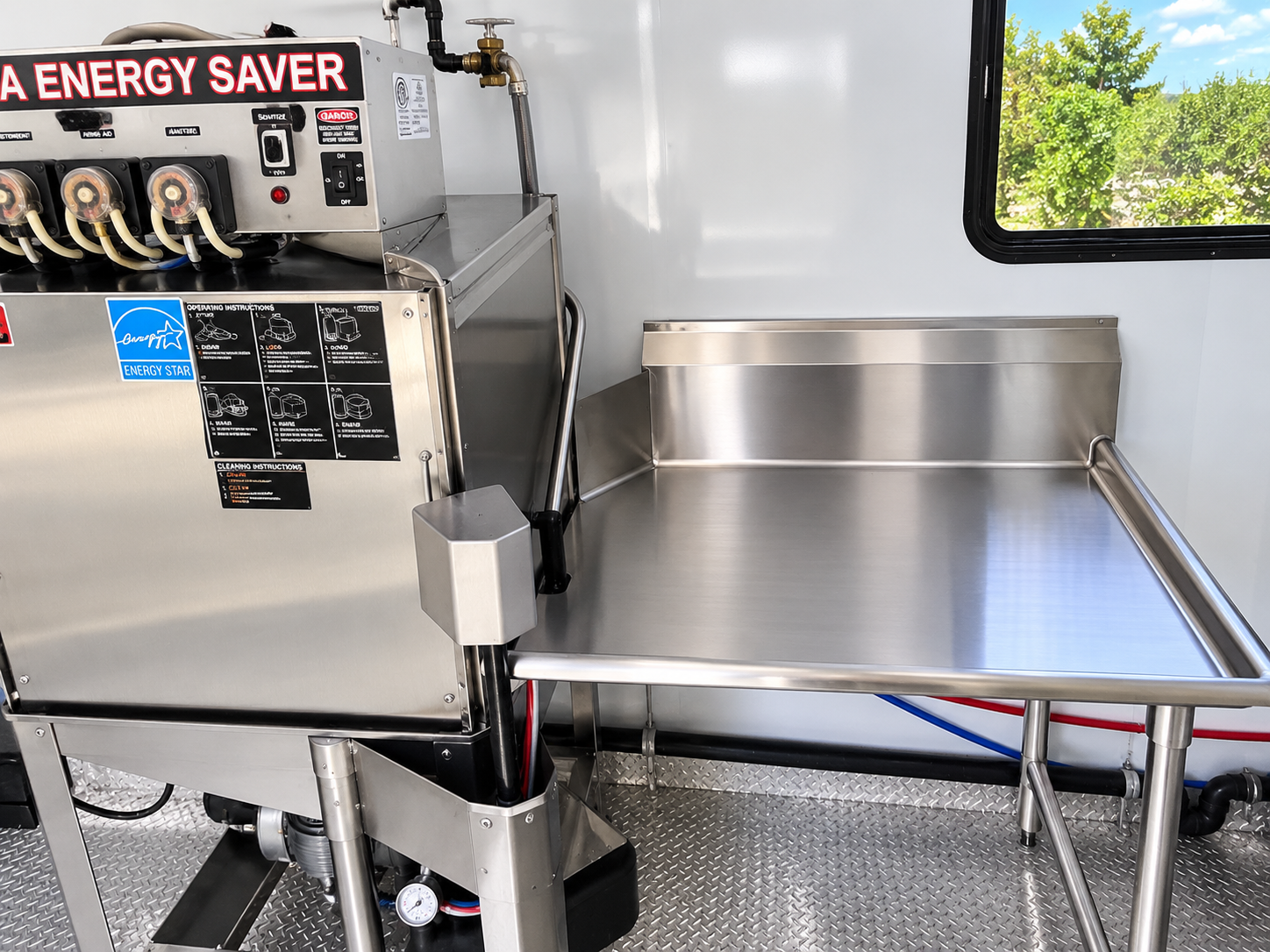
D1 is identified as a low-temperature push-through dishwasher. Its published equipment list includes a soil tray, scraping table, three-compartment sink and handwashing sink. These features describe a sequence from returned items through preliminary handling and washing, but the record does not state racks per hour, cycle time or numeric wash and rinse temperatures.
Plates, trays, utensils and larger cooking items can place different demands on that sequence. The actual machine’s dimensions and operating information are needed before treating an unfamiliar item as suitable for processing. A low-temperature classification identifies a machine type; it does not establish the chemical product, concentration, supplies or operating procedure for every rental.
Describe the return pattern at the busiest point
Returned items often arrive in a concentrated wave after service rather than at a constant rate. A temporary dish room must accommodate waiting work as well as the washing task itself. D1’s soil tray and scraping table identify useful functions at the receiving end, while the site’s own return schedule shows when those areas face the heaviest overlap.
The record supplies no measured layout or staging capacity. A plan therefore needs to distinguish loose items from loaded carts and waiting racks, with a clear route toward washing. Average meal numbers alone cannot establish whether the proposed arrangement fits a short peak, especially when one team is still unloading while another delivers the next return.
Plan your rental around hospitality service
Hospitality teams planning service in California, Nevada or Arizona may see breakfast plates returned while staff prepare for a later banquet, creating distinct peaks in used items. Describe trays, utensils and collection points, then show how returned items reach the proposed unit and how clean supplies move back into service.
Plan the soiled-item receiving area
Identify where used items will wait before entering the temporary washing arrangement. Explain who brings them, what handling equipment they use and which entrance or route they expect to follow. Include any shared receiving activity at the property so the proposed position can be reviewed in context.
Ask about the entrance and working layout of the actual unit. Your operation supplies its own handling and cleaning procedures, and the site plan should reflect them. If the normal dish-room route is interrupted by repairs or building work, explain the alternative route rather than assuming staff can continue using the old arrangement.
Decide where clean items go next
The washing task does not finish the operational plan. Describe where clean items will be held, who collects them and when they need to return to preparation or service. Identify whether the temporary dishwashing arrangement must connect with an existing clean storage area or another agreed location.
Ask which staging or storage features are included in the proposal. Explain the racks, carts or containers your team expects to use so the layout and clearances can be reviewed. Keep the receiving and return routes visible in the brief rather than considering the machine as a separate item with no surrounding workflow.
Review utilities and site preparation together
D1’s electrical entry is 220V, single-phase, 150A. The inventory does not publish the exact connector, circuit design, water flow or drain connection requirements. Those details must come from the assigned unit’s technical information, reviewed against the property’s available services by a qualified site professional.
Water supply, wastewater handling and the working position should be considered together. The distance between the proposed trailer and the site’s connection points can affect the arrangement even when the electrical service appears suitable. The documented sink list is not a plumbing specification or a statement that every required hose, treatment product or supply is included in the rental.
Cover the full dish-room interruption in the rental period
For a breakdown, explain what is known about repairs and the washing requirement that needs temporary support. For a planned shutdown, identify when the existing dish room becomes unavailable and when it is expected to resume work. Include the transition and final clear-out, not only the contractor's main dates.
Ask about short-term rental or longer lease terms for the expected period. If the end date remains uncertain, raise that before discussing collection. Confirm how an extension or revised arrangement would be requested. Your receiving team should know which dates are estimates and which have been agreed.
Bring the workflow into the quote request
Request a proposal identifying the actual dishwashing equipment, layout, availability, rental period and transport arrangements. Clarify which features and preparation tasks are included and which responsibilities remain with your team. Keep the item list, return pattern and site information with the commercial proposal.
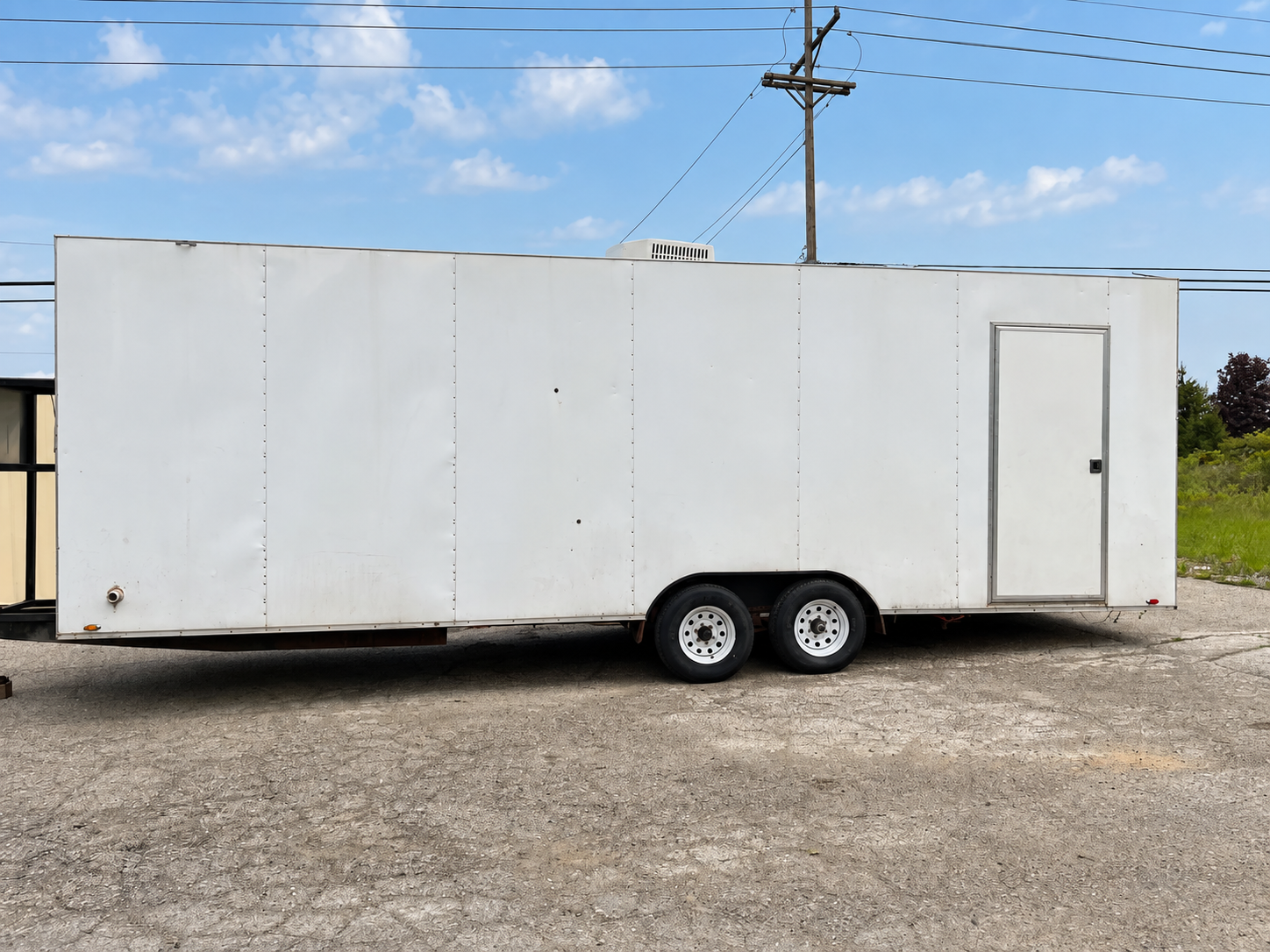
Compare options against the same washing requirement and expected dates. Ask for current charges and applicable terms before relying on an arrangement. Contact the team to discuss the 22FT Dishwashing model, explain how temporary washing needs to connect with your operation and request a project-specific quote.