BXRT20–1Refrigerated trailer
- Nominal length
- 20ft
- Listed electrical supply
- 220V · single-phase · 40–60A
- Inventory temperature label
- 32°F
Temporary cold storage in Indianapolis, Indiana
When a commercial walk-in cooler or freezer fails in Indianapolis, temporary refrigeration can support the ingredients your operation still needs. Worldwide Refrigerated Container Rental Facilities offers refrigerated containers, refrigeration trailers, portable coolers and freezers for emergency breakdowns, planned repairs and renovations. Mobile kitchen and dishwashing trailers can support connected work when preparation or cleanup also moves. Restaurants, hospitals, schools, hotels and industrial food operations can discuss short-term rentals or longer leases. Equipment selection and delivery coordination follow the products, required conditions, working property and dates. Contact our team to request availability and a quote for your Indianapolis project.
Emergency cooler or freezer failure in Indianapolis? A person answers rental inquiries 24/7. Availability and delivery timing are confirmed in your quote.
Plan your rental budget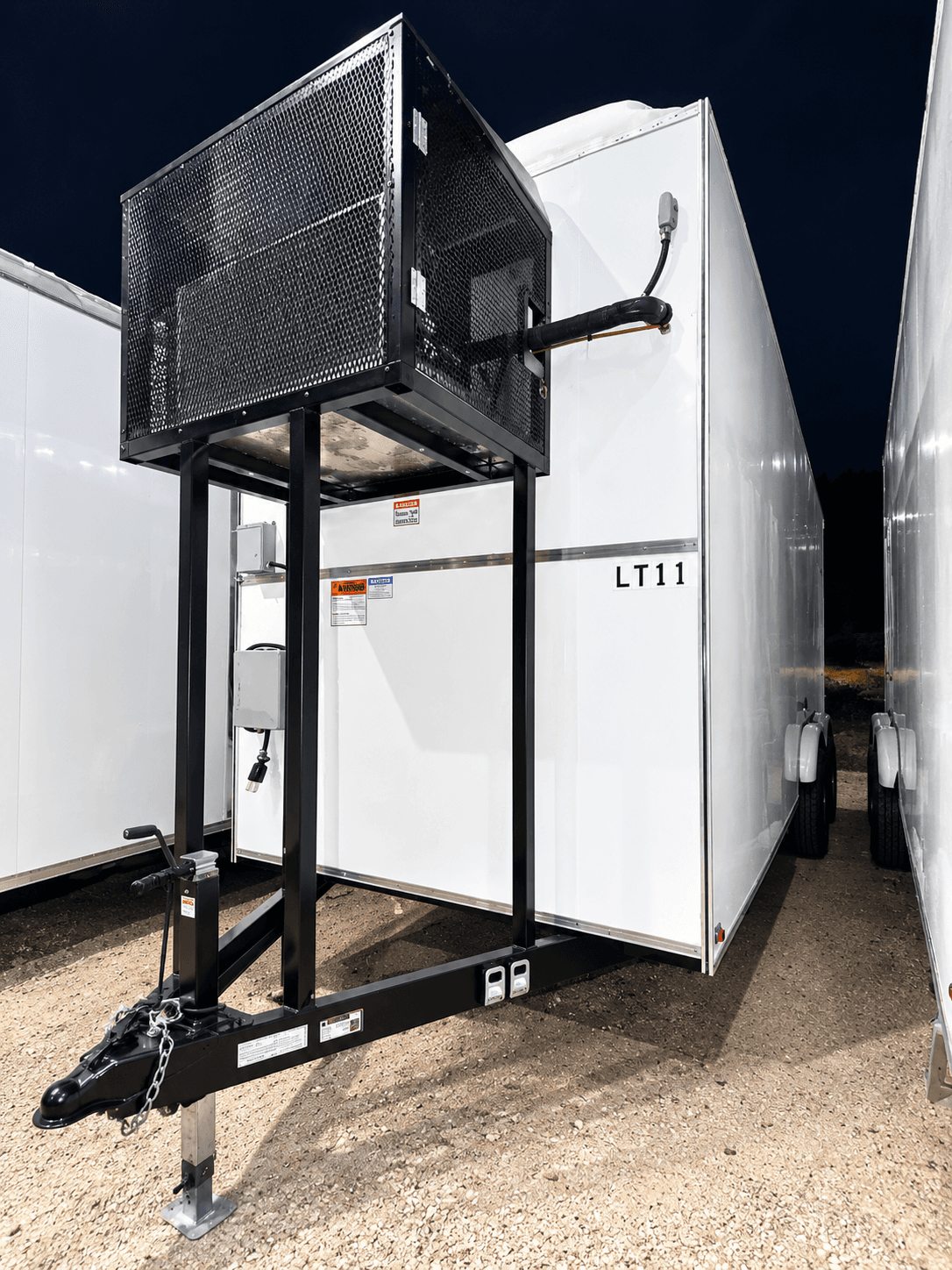
Compare the equipment
These published examples describe named company units. The supplied equipment, configuration and availability are confirmed for your project address.
Listed refrigeration trailer equipment: condensing unit, amps panel, lighting.
Equipment records reviewed October 19, 2026. Temperature labels are inventory labels, not verified operating ranges. Nominal length is a model label, not a measure of usable space or site footprint.
Indiana Convention Center & Lucas Oil Stadium’s booth information identifies exclusive food-and-beverage distribution rights and separate arrangements for exhibitor material handling. When an exhibitor needs transport assistance beyond its own full-time employees, the venue directs it to the event’s pre-qualified decorator. For an approved food program, moving ingredients toward service and arranging a refrigerated unit are separate tasks. The show’s handling arrangements do not by themselves establish an outside storage position or suitable equipment connection.
The useful refrigeration load is the greatest amount held together, including deliveries arriving before existing stock leaves. Ingredients collected repeatedly during preparation need access beside unopened reserves for another service. Packaging and the collection pattern matter after loading: a space that accepts the first cases may work differently when staff bring carts through the doorway and another order arrives.
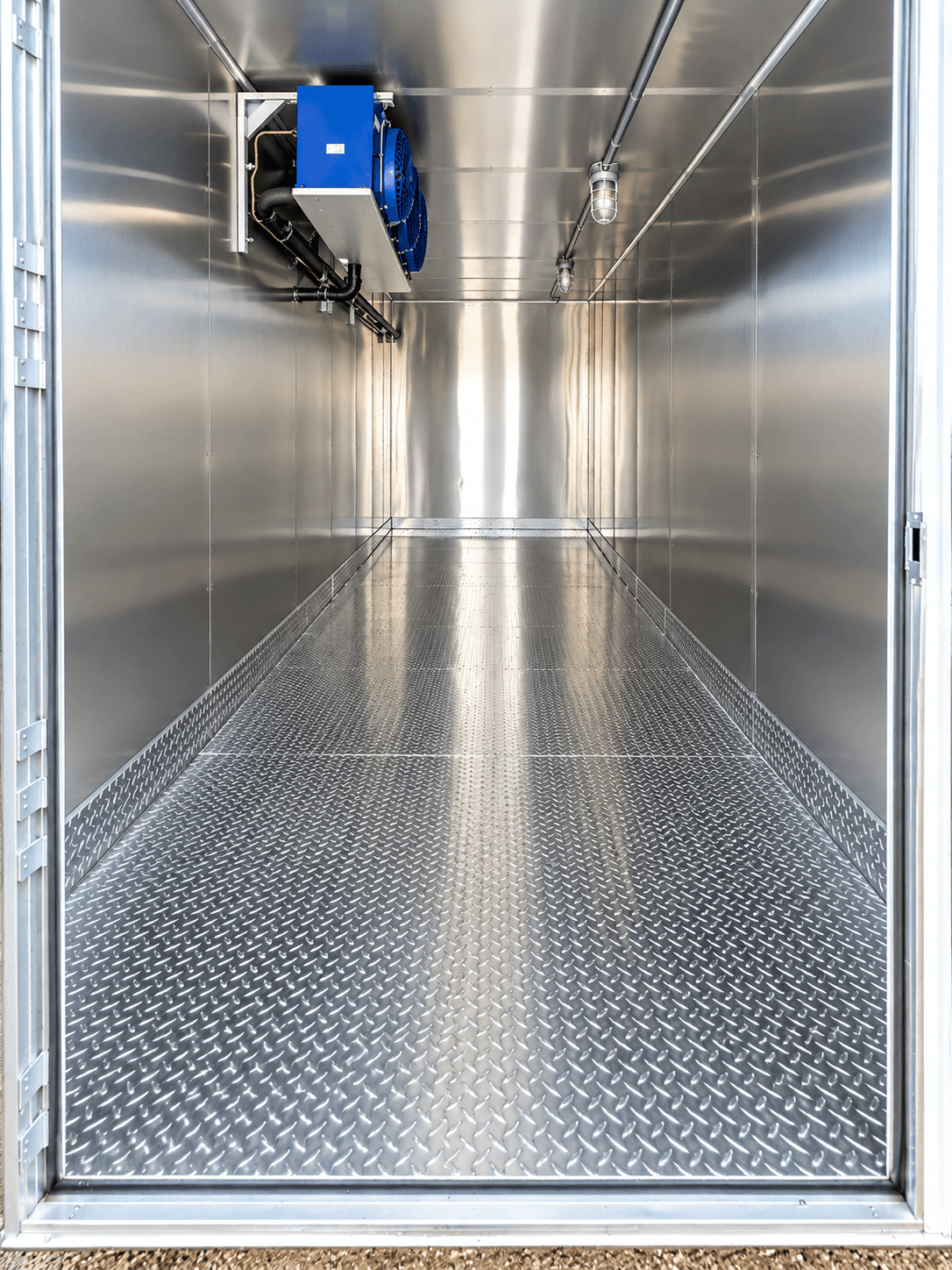
For the 20ft Refrigerated Container, usable capacity, operating temperature range and electrical requirements need confirmation for the offered unit. Nominal length is not a pallet count, an agreed shelving layout or a measured aisle. Compare the actual cases and handling equipment with its interior and doorway. Cooking and dishwashing facilities have separate workloads and services if those functions also move.
Eskenazi Health’s dining guide describes the Ingram Micro Mobility Marketplace’s deli, hot grill and grab-and-go items, with Café Soleil Express providing another food-collection point. These are different food-service formats on the Indianapolis campus. During a comparable dining transition, ingredients awaiting preparation and packaged items allocated for collection should remain identifiable. The responsible food-service team defines which products need refrigerated holding and their required conditions; a shared institutional name cannot establish one storage load.
The 20ft Refrigerated Trailer’s MT1 example lists a condensing unit, amps panel, lighting and 220V single-phase power at 40–60A. Its 15°F inventory label is not a verified operating range. Exact NEMA plug configuration and usable capacity remain unconfirmed. Those details make the comparison specific to the named example; they do not establish local stock or the suitability of that label for every frozen product.
Unopened reserves collected in batches need a different arrangement from ingredients drawn throughout a service. Space used by carts or large cartons reduces the room available for other stock. Any agreed fittings should support that routine after the busiest delivery is inside. Chilled and frozen product requirements remain distinct, with the offered configuration checked for the conditions it must maintain.
Industrial facilities teams in Indianapolis or Lawrence, Indiana, may need to accommodate meal supplies while normal receiving space is temporarily assigned to maintenance equipment. Keep employee meal requirements separate from production processes when describing the rental need, available utilities and proposed equipment position.
The transport approach, working doorway and daily staff route have different purposes. A unit may fit an empty position but become difficult to use after other contractors place materials nearby. Supplier traffic can also change through the work. Keep the ingredient route and final equipment-removal approach useful together, with the property team reviewing the position and the responsible professional checking the supplied electrical requirements.
NOAA's Indiana summary describes large seasonal temperature differences and geographic contrasts across the state. Use that context to discuss the actual Indianapolis drainage, exposure and proposed period instead of assuming a broad climate description establishes site readiness. Request the offered unit's electrical requirements and arrange appropriate connection review. Confirm property permission before the temporary location becomes part of the operating plan.
A walk-in failure can displace an active ingredient store, a frozen reserve or both. The responsible operator assesses exposed goods under its established procedures while temporary refrigeration is arranged. A later supplier delivery may create a larger load than the initial move. The equipment supports products still requiring suitable holding; it does not decide whether affected stock can be retained.
During planned work, the temporary store may serve daily preparation first and retain only reserves as permanent rooms return. Cooking-equipped trailers can support preparation when that function also closes, while dishwashing trailers handle the separate return of reusable items. Each facility can finish at a different stage. Refrigeration collection follows the last stock transfer, including deliveries received while the permanent operation reopens.
The D1 example in the 22ft Dishwashing Trailer guide includes a low-temperature push-through dishwasher, scraping table and three-compartment sink, with 220V single-phase power at 150A. That is a different electrical load from the named refrigeration example. Water supply, wastewater handling and the route for returned items belong to that separate cleanup facility.
Carmel, Fishers and Noblesville have their own rental guides for projects at another address. Nearby-community inquiries may also involve Beech Grove, Speedway or Lawrence. A person answers rental inquiries 24/7. Request availability and a quote for the equipment, location and period your food service needs.
Before you book
Provide the equipment address, affected goods, required storage conditions and next service deadline. Estimate the quantity and describe a possible placement. Continue the facility safety response for exposed stock while the rental team discusses equipment, transport and the temporary working arrangement for the kitchen.
Explain which meals or preparation tasks continue and how staff receive and retrieve ingredients. Include new deliveries in the peak-load estimate. A practical temporary arrangement needs usable interior access and a workable route to preparation alongside the confirmed storage conditions of the products.
Include readiness checks and the completed transfer back to permanent storage. Installation may be only one milestone in restoring normal kitchen use. Discuss those steps, collection and any uncertain work date when confirming the complete rental period and the terms for changes.
These public references inform the planning examples; equipment availability and delivery arrangements are confirmed for your address.
Temporary refrigeration, kitchens and dishwashing can support many kinds of food-service operations. Each setting below starts with its own schedule, stock and site questions, and every project is reviewed individually.
Hotels, restaurants and resorts can plan temporary refrigeration around breakfast, banquet and dinner service when a walk-in cooler fails or a kitchen is refurbished.
Hospital, nursing home and care-facility kitchens can describe meal schedules, delivery times and displaced stock so temporary storage follows the food-service routine.
Municipal, county and public-building food-service teams can outline receiving arrangements, responsible contacts and project dates before a quote is prepared.
Dining facility managers can explain the products displaced, the receiving arrangements and the proposed period, then review availability and terms with our team.
Schools, colleges and universities can plan around term dates, serving windows and campus kitchen renovations so meal service can continue during repairs or construction.
Plant cafeterias and employee dining areas can describe shift patterns and staged building work so temporary cold storage can be reviewed against the working schedule.
Caterers and venues can plan preparation windows, event days and overflow ingredients, and describe how stock moves between storage, the kitchen and service.
Producers, wholesalers and distributors can describe loading, staging and storage needs when a cooler breaks down or demand temporarily exceeds capacity.
These examples describe planning situations. Equipment, availability and terms are confirmed in a project quote.
Cold storage is only one part of a project. These are the questions we work through with you before anything is booked.
Start with refrigerated containers and refrigeration trailers, then add a temporary kitchen or dishwashing trailer when the project needs one, all in a single conversation.
Access, utilities and the intended position are reviewed before delivery is arranged, so the equipment is matched to your site rather than the other way around.
Whether a walk-in cooler failed this morning or a renovation is months away, describe the real situation and plan around the stock, dates and people involved.
Planning guides cover all 50 states and more than 700 cities. Your address is then confirmed for equipment and delivery.
Use the rental calculator for a rate-range estimate and setup amount, then request a project quote that confirms availability, transport and the rental period.