BXRT20–1Refrigerated trailer
- Nominal length
- 20ft
- Listed electrical supply
- 220V · single-phase · 40–60A
- Inventory temperature label
- 32°F
Temporary cold storage in Kokomo, Indiana
Kokomo refrigerated container rentals help commercial and industrial operators find a practical planning route after a walk-in cooler or refrigeration unit fails. Mobile kitchen and dishwashing trailer inquiries may also be relevant when cooking and cleaning space is affected. Short-term rentals can bridge emergency repairs; longer leasing can support planned work in an occupied facility. Restaurants, institutional caterers and industrial dining teams should explain the products displaced and the services they need to retain. Provide the Kokomo address, expected period and site access so equipment requirements and delivery coordination can be reviewed together. Request availability and a quotation from Worldwide Refrigerated Container Rental Facilities for your project.
Emergency cooler or freezer failure in Kokomo? A person answers rental inquiries 24/7. Availability and delivery timing are confirmed in your quote.
Plan your rental budget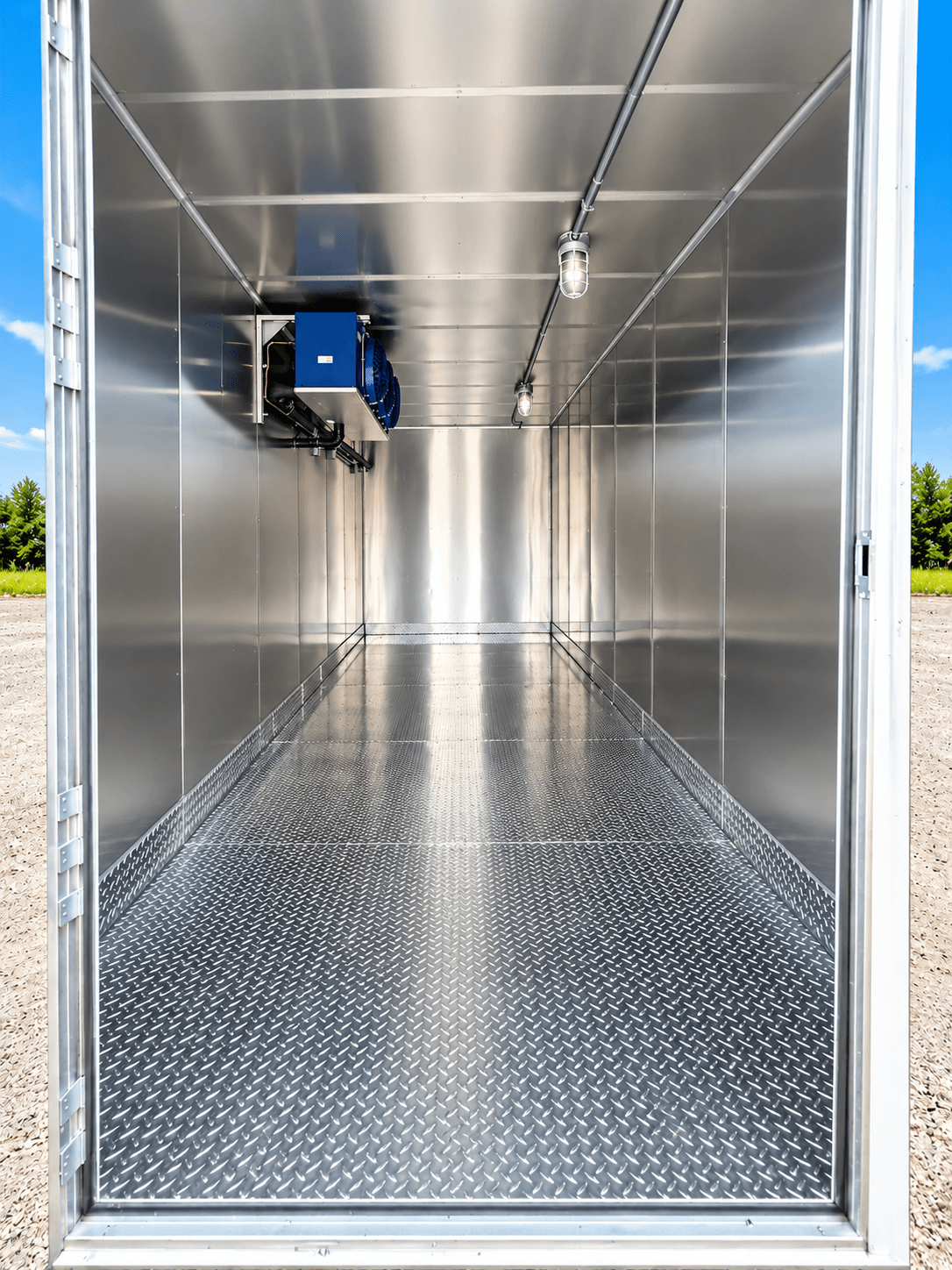
Compare the equipment
These published examples describe named company units. The supplied equipment, configuration and availability are confirmed for your project address.
Listed refrigeration trailer equipment: condensing unit, amps panel, lighting.
Equipment records reviewed October 19, 2026. Temperature labels are inventory labels, not verified operating ranges. Nominal length is a model label, not a measure of usable space or site footprint.
NOAA’s Indiana summary describes damaging winter storms and severe floods in the state’s history. That broader record cannot establish the conditions at a Kokomo facility today. A refrigeration emergency needs current facts: which system failed, which areas remain usable and what the responsible operator has decided about the products affected.
An occupied workplace may retain meal preparation but lose the room holding reserve ingredients. Begin with that narrower interruption. Identify stock needed for the next shift and incoming loads that can be adjusted. A cold-storage request should explain the retrieval pattern and the point at which the permanent room might be accepted again. Keep updates accessible to staff who inherit the plan later in the day.
When the work involves occupied facilities, the 20ft Refrigerated Container guide is a practical next read, covering how to organize stock for a longer stay and protection for the power connection before a quote is requested.
Indiana University Kokomo’s winter 2024 publication records the September 10 opening of Innovation Hall in the west wing of the Kelley Student Center. It describes new learning and gathering functions within the existing campus. This owner-reported renovation is local context, not evidence that the university used our equipment or that its food service was interrupted.
Nearby guides can help frame your questions. Noblesville’s guide covers food-service upgrades. For a different working situation, Carmel’s guide covers phased food-service work. Each reflects its own property and schedule, so confirm your Kokomo details separately.
A commercial operator adapting an occupied building should identify the interfaces between the new work and retained activities. Permanent refrigeration may depend on access or utilities crossing another work zone. Explain those dependencies before selecting rental dates. The public opening of a renovated wing does not determine when a particular operator can receive stock or return to its normal storage arrangement.

A catering schedule in Kokomo or Peru, Indiana, can change after suppliers confirm their deliveries, leaving ingredient receiving and guest service competing for working space. Plan the transition from supplier access to guest service, allowing the venue contact to identify conflicts with other scheduled activity.
Refurbishments can move a stock room without closing the whole dining operation. Document the products leaving each work area and the receiving commitments that continue. A refrigerated trailer inquiry should describe quantities by required conditions and handling method. The peak may occur when routine purchasing resumes before every permanent storage space has been accepted.
Operators near Kokomo can also compare Fishers’s guide, which covers catering and food-service overflow. Compare its questions with your own schedule and property.
A Kokomo workplace borrowing a kitchen team from Tipton while office staff in Elwood and Peru coordinate the refurbishment should avoid assuming everyone understands the local meal cycle. Mark the stock needed before each shift and the person who authorizes another transfer. Dishwashing equipment can return after the meal peak, when a contractor expects the yard to be empty. Include that second movement in the temporary operating plan.
Send a drawing and photographs showing the approved refrigerated equipment position, entrance and measured restrictions. Include employee access, deliveries and contractor areas that operate at the same time. A space used occasionally for a small van does not automatically establish a suitable approach for the proposed transport. Ask the owner to confirm the intended use of the area.
Name the person who meets delivery and the building representative supplying utility information for review. Keep a usable staff route to cold storage throughout the project, including later phases that move fences or restore parking. Collection needs an agreed approach after the final stock transfer. If the plan changes, distribute the revised version before the old instructions are relied upon.
Provide the full address, product conditions, expected maximum stock and proposed rental period. Explain whether the finish depends on repair acceptance, utility reinstatement or another contractor’s work. Ask the refrigeration proposal to identify its equipment basis, transport and other charges, along with the process for reviewing a changed start or finish. Confirm availability for the intended use.
If mobile kitchen or dishwashing facilities are required, describe their tasks separately. Clarify who prepares and accepts the site before transport is coordinated. The useful agreement lets the commercial operator and project manager understand how the storage move fits an occupied building, without assuming a public renovation’s programme or inventing current equipment stock and delivery commitments.
Before you book
Yes. Identify the functions that stay available, the stock displaced and the receiving pattern. A refrigeration request need not assume the entire building or dining operation must move.
They determine whether staff can retrieve goods while normal activity continues. An empty-looking service area may still be essential to everyday building circulation.
Explain when the operator can accept the permanent cooler and transfer products back. Review collection access and the booking terms rather than assume the earlier repair date automatically changes the arrangement.
These public references inform the planning examples; equipment availability and delivery arrangements are confirmed for your address.
Temporary refrigeration, kitchens and dishwashing can support many kinds of food-service operations. Each setting below starts with its own schedule, stock and site questions, and every project is reviewed individually.
Hotels, restaurants and resorts can plan temporary refrigeration around breakfast, banquet and dinner service when a walk-in cooler fails or a kitchen is refurbished.
Hospital, nursing home and care-facility kitchens can describe meal schedules, delivery times and displaced stock so temporary storage follows the food-service routine.
Municipal, county and public-building food-service teams can outline receiving arrangements, responsible contacts and project dates before a quote is prepared.
Dining facility managers can explain the products displaced, the receiving arrangements and the proposed period, then review availability and terms with our team.
Schools, colleges and universities can plan around term dates, serving windows and campus kitchen renovations so meal service can continue during repairs or construction.
Plant cafeterias and employee dining areas can describe shift patterns and staged building work so temporary cold storage can be reviewed against the working schedule.
Caterers and venues can plan preparation windows, event days and overflow ingredients, and describe how stock moves between storage, the kitchen and service.
Producers, wholesalers and distributors can describe loading, staging and storage needs when a cooler breaks down or demand temporarily exceeds capacity.
These examples describe planning situations. Equipment, availability and terms are confirmed in a project quote.
Cold storage is only one part of a project. These are the questions we work through with you before anything is booked.
Start with refrigerated containers and refrigeration trailers, then add a temporary kitchen or dishwashing trailer when the project needs one, all in a single conversation.
Access, utilities and the intended position are reviewed before delivery is arranged, so the equipment is matched to your site rather than the other way around.
Whether a walk-in cooler failed this morning or a renovation is months away, describe the real situation and plan around the stock, dates and people involved.
Planning guides cover all 50 states and more than 700 cities. Your address is then confirmed for equipment and delivery.
Use the rental calculator for a rate-range estimate and setup amount, then request a project quote that confirms availability, transport and the rental period.