BXRT20–1Refrigerated trailer
- Nominal length
- 20ft
- Listed electrical supply
- 220V · single-phase · 40–60A
- Inventory temperature label
- 32°F
Colorado refrigerated container rentals offer commercial kitchens another storage arrangement when permanent refrigeration fails or construction interrupts its use. Worldwide Refrigerated Container Rental Facilities serves Colorado with inquiries for refrigeration trailers, walk-in coolers and freezers, plus related kitchen and dishwashing options. A temporary store can be considered for urgent repairs, seasonal stock pressure or a scheduled refurbishment, with short rental and longer lease needs discussed separately. The useful starting point is what your team needs to hold and how it works with those products. Share your address, access information and dates to explore equipment, delivery coordination, availability and a current quote.
Emergency cooler or freezer failure in Colorado? A person answers rental inquiries 24/7. Availability and delivery timing are confirmed in your quote.
Plan your rental budget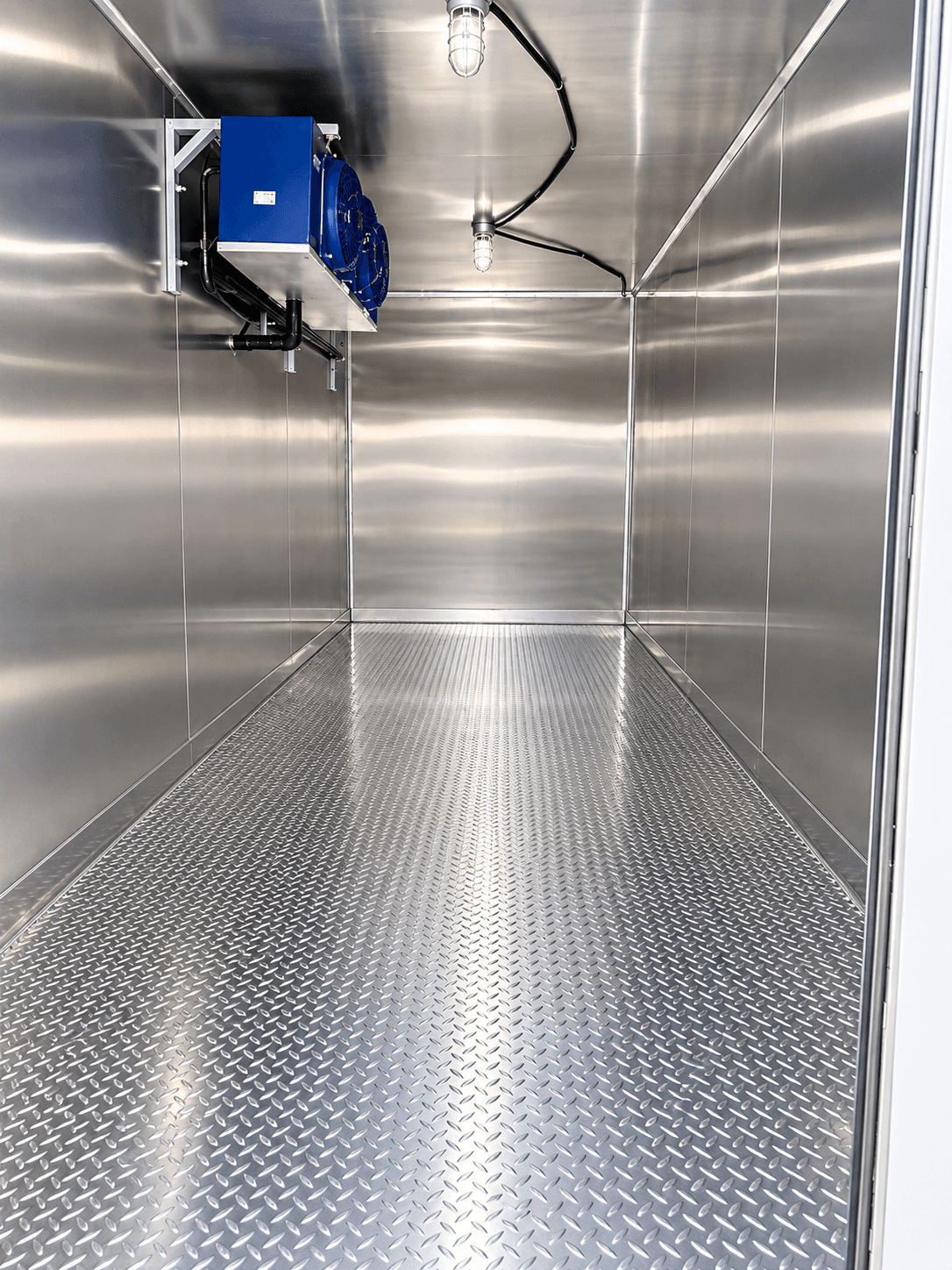
Compare the equipment
These published examples describe named company units. The supplied equipment, configuration and availability are confirmed for your project address.
Listed refrigeration trailer equipment: condensing unit, amps panel, lighting.
Equipment records reviewed October 19, 2026. Temperature labels are inventory labels, not verified operating ranges. Nominal length is a model label, not a measure of usable space or site footprint.
A closer look at your project area
Choose a city to explore refrigeration rental planning for your area. Bring the delivery address, preferred dates and storage needs to your inquiry.
Outline: Census TIGERweb generalized states, ACS 2025. City locations: 2025 Census Gazetteer.
Find the place that fits your project
A Denver restaurant arranging refrigeration after a walk-in failure needs a view of the stock coming next as well as the goods displaced now. Temporary cooler or freezer space can be considered around the supplier cycle, preparation schedule and busiest service period. Explain which products staff retrieve repeatedly and which remain stored for later use. That information connects the proposed equipment with the kitchen’s routine, instead of assuming the floor area of the failed room determines the complete rental requirement. Chilled ingredients and frozen supplies should remain separate parts of the conversation throughout the interruption.
A temporary store should remain usable after the delivery has filled it. Compare case dimensions, door clearance and access to the ingredients needed most often. A refrigerated trailer and a container provide different formats for that comparison; overall length is not a verified usable-capacity figure. Where building work also displaces washing, dishwashing equipment serves a separate flow of used pans and utensils. Its dirty-item receiving point should not occupy the ingredient route, and the clean-item handoff needs working space even while suppliers or contractors use nearby areas.
For healthcare meal planning in Colorado Springs or Fort Collins, Colorado, a menu revision can affect the mix of ingredients even when the overall service timetable remains unchanged. Include staff collection routes and ingredient destinations in the inquiry so the facility can review the temporary arrangement against its meal service.
Industrial sites with staggered breaks in Denver or Aurora, Colorado, may need ingredient receiving plans that account for staff movement through shared access routes. Ask the meal service lead how shared supplies will be labelled and handed over between staff using the proposed temporary arrangement.
The Colorado Convention Center in Denver publishes both an exclusive catering arrangement and a process for reviewing vendors through its event or sales manager. For an authorized event, temporary storage needs to support the caterer’s ingredient load and venue-approved access. An apparently open outside area is therefore only a position to review; the unit’s holding conditions, assigned connections and continuing delivery access also belong in the equipment comparison.
Explore the Denver rental guideA Colorado Springs facility may close several permanent refrigeration areas at different stages of a refurbishment. The temporary load changes as each room becomes unavailable and another returns to use. A refrigerated container rental inquiry should explain that sequence, including any interval when supplies from two areas overlap. Distinguish the product conditions and packaging for each load rather than combine every room into one total. This gives the project a practical way to discuss storage while the rest of the operation continues, particularly when meal service or receiving cannot follow the contractor’s preferred timetable.
Match the temporary equipment to each closed work area. Refrigeration covers ingredients held between receiving and preparation, while the proposed cooking appliances supply production duties that cannot remain indoors. Dishwashing trailers take the cleaning workload displaced by the refurbishment. Compare the proposed machine, loading space and clean-item return with the utensils and pans used during each service period. Dishwashing connections need their own water, wastewater and electrical review. Reopening a permanent store may reduce the holding requirement while washing or cooking still needs a temporary arrangement elsewhere.
A government dining supervisor in Aurora or Pueblo, Colorado, can explain the busiest overlap between incoming supplies, ingredient preparation and the staff responsible for receiving goods. Ask the food-service lead to describe the busiest stock overlap and give the agency reviewer the proposed period needed for temporary equipment.
Explore the Colorado Springs rental guide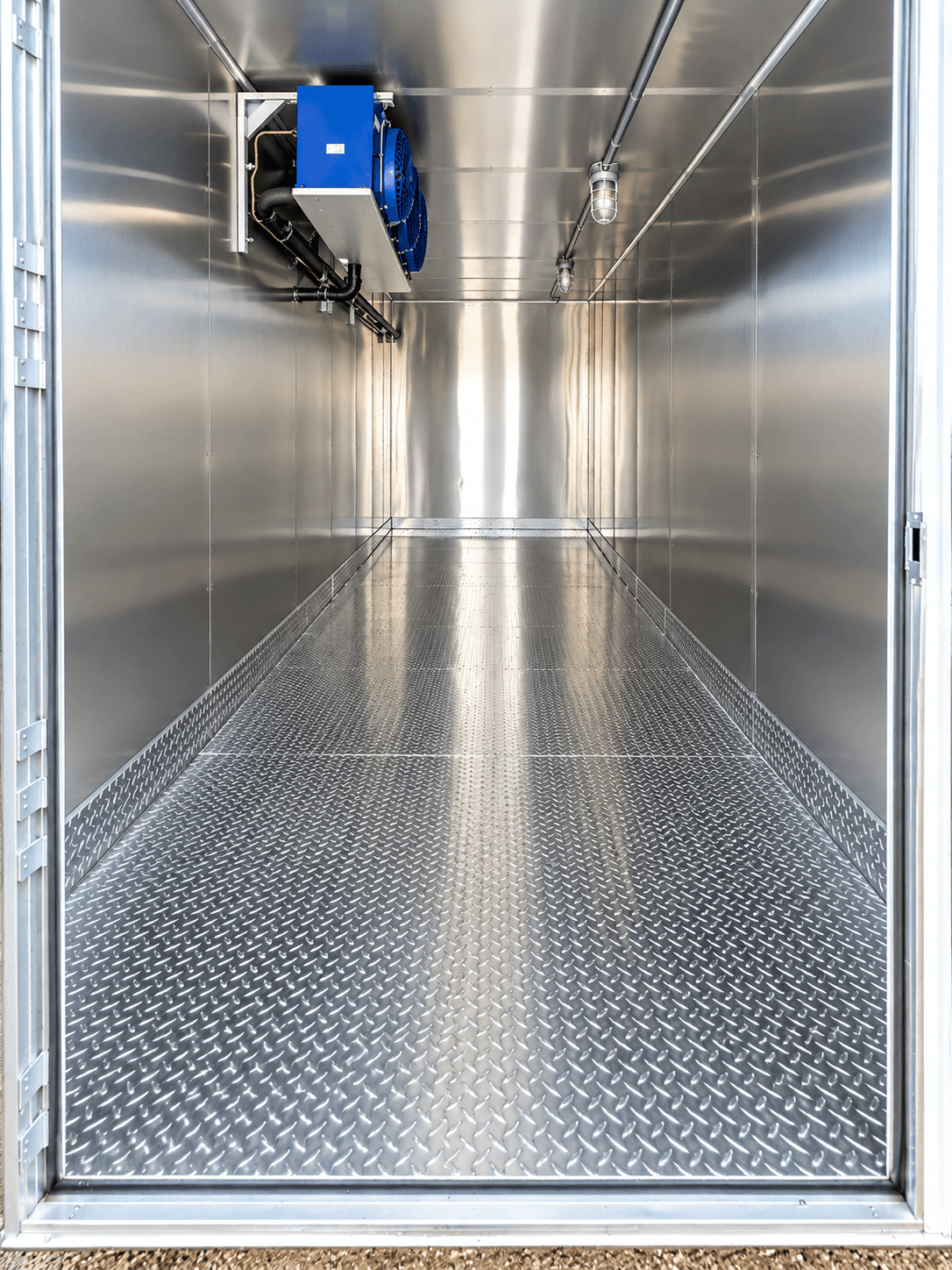
NOAA describes Colorado as semiarid, with substantial local variation and pronounced differences between daytime and nighttime temperatures. The Rocky Mountains occupy the central region between eastern plains and western mesas and canyons. Precipitation also follows different seasonal patterns, with winter precipitation important in higher areas. These differences give useful context for the season and location of a temporary store without establishing a single configuration for every property.
A longer rental can span a different season from the initial delivery. The selected refrigeration unit’s documented operating conditions need to be considered with the property’s exposure, site services and staff approach. Neither a regional climate description nor the equipment’s nominal length proves suitability. Keep the proposed entrance reachable during the work and distinguish usable cold-storage space from the room needed to approach it. Any change in the temporary position also needs a fresh look at the assigned unit’s connections and the route used for ingredients.
A military food-service manager in Fort Collins or Denver, Colorado, can explain the largest anticipated stock overlap rather than use the number of meals as the entire requirement. Ask the responsible dining lead to describe reserved stock and repeated ingredient retrieval before comparing the practical use of proposed temporary equipment.
When several teams share refrigeration in an Aurora commercial facility, a temporary replacement needs to accommodate the way those teams identify and retrieve their supplies. A refrigeration trailer can be discussed around package sizes, product conditions and the busiest overlap of stock. One department may collect small batches throughout a shift while another retrieves larger orders less often. Describe both patterns so the proposed space can be considered as a working store, rather than simply enough volume to hold a combined inventory. Clear separation of chilled and frozen requirements remains essential to defining the equipment being considered.
Give frequently retrieved ingredients a place that remains reachable when later orders arrive. A shared refrigeration layout should show how teams recognize their stock without repeatedly shifting another department’s cases. If washing facilities are shared too, dishwashing support needs a view of the combined used-item peak, not just the first department’s meal count. Sorting, machine loading and clean-item storage each take working space. A team returning indoors ahead of the others may release part of its storage allocation while continuing to use the temporary cleaning arrangement.
For hospitality managers reviewing placement in Denver or Aurora, Colorado, a doorway convenient for unloading may also serve guests, maintenance staff or other visiting suppliers. Keep the current menu, supplier schedule and proposed dates together so a change reaches everyone responsible for the temporary working arrangement.
Explore the Aurora rental guideA catering team in Fort Collins can need refrigeration long before an event starts. Advance ingredient orders, prepared components and supplies for later service periods may all share the same temporary store. Portable cooler and freezer rental inquiries should describe that complete sequence. Attendance gives background, but the quantity held at the busiest point and the way products are packaged explain the practical load. Distinguish goods used continuously during preparation from stock reserved for later, and include any everyday business that must keep operating alongside the event rather than treating its supplies as separate from the storage total.
Catering requires distinct holding, production and cleanup decisions. Cooler and freezer space follow the ingredient load; the cooking arrangement follows the preparation surfaces and appliances needed for the menu. Dishwashing equipment should be compared with the pans, utensils and tableware returning during each service period. A machine’s configuration and item compatibility cannot be established by attendance alone. Include space for dirty items waiting to be loaded and clean items awaiting reuse. Those tasks may continue after the public event, even when much of the ingredient stock has already left the store.
A revised catering menu in Colorado Springs or Fort Collins, Colorado, may change the mix of incoming ingredients without changing the venue's available access or preparation space. Separate supplier receiving tasks from guest service responsibilities, naming the person who can resolve a missed delivery or changed ingredient order.
Explore the Fort Collins rental guideA Pueblo kitchen with failed refrigeration may need an immediate temporary load that differs from the stock it normally holds. Menu changes, supplier adjustments or repairs to only part of a cold room can affect what needs space. Describe those decisions when considering a refrigerated trailer or container, rather than simply requesting a replacement with familiar dimensions. Product conditions, package sizes and retrieval frequency help explain the task. A cooler used throughout service and a freezer holding later supplies may need different arrangements, even when both requirements come from the same interruption in the permanent kitchen.
For a failed cold room, compare the stock displaced immediately with the larger delivery overlap that may follow during repairs. For a staged replacement, track which product groups move back inside first. Where cooking space is also unavailable, the appliance package needs to match the production duties still being performed. Dishwashing support becomes relevant when cleaning facilities close, with its own machine-loading and clean-item return needs. The equipment period can then follow the holding, production and cleanup still taking place instead of one general completion date.
Colleges planning holiday maintenance in Pueblo or Colorado Springs, Colorado, may still need meals for staff, residential students or activities continuing outside the normal timetable. Prepare a handover note covering supplier contacts, stock locations and outstanding access questions, with responsibility assigned for keeping it current.
Explore the Pueblo rental guideThe value of a refrigeration inquiry is a workable connection between products, space and time. Describe the busiest stock period, the way goods reach the kitchen and the conditions each product needs. That gives equipment selection a purpose beyond replacing a room on paper.
For emergency cover, concentrate on the load displaced now and the first date space is needed. For planned work, add the stages that change receiving or move stock back inside. The resulting conversation can address a short rental or a longer lease while staying focused on the operation the temporary store is intended to support.
Compare the 12ft Refrigerated Trailer guide with the Denver storage case.
Compare the 20ft Refrigerated Trailer guide with a larger trailer arrangement. Their named-unit information is a starting point for checking the proposed layout and connections, rather than inferring them from nominal length.
Compare the 20ft Refrigerated Container with the Aurora shared-store requirement. Confirm usable capacity, connection requirements and fit for the actual products.
For the 40ft Refrigerated Container, confirm usable capacity and connection requirements for the offered unit and assigned position.
Read Lakewood for a commercial service transition, Arvada for storage during renovation, Greeley for an emergency repair-period lease, or Grand Junction for a longer commercial holding requirement. These examples offer different starting points for the same equipment decision.
Food production managers in Aurora or Pueblo, Colorado, may need temporary equipment when a facilities handover leaves ingredient receiving and finished product movement on different schedules. Describe packaging, product handling needs and access restrictions in the rental inquiry, leaving equipment suitability for review against the supplied requirements.
Before you decide
No. The useful information is the quantity and packaging of products, their required conditions and the way staff access them. People counts can describe a project, but two kitchens supporting the same number may hold different loads. Equipment selection should reflect the storage task rather than a headcount alone.
Describe the expected changes when making the inquiry, including phased room closures, altered receiving or a gradual move back inside. The proposed period and terms should address that sequence. If the project changes after agreement, bring the revised requirement into the same conversation rather than assume the arrangement automatically adapts.
A project quote should identify the equipment, dates, address-specific transport, current charges and responsibilities. Include known access or connection information and any uncertain completion date. This page establishes the service area and useful planning considerations, while the written proposal confirms the actual rental arrangement for the property and period.
City examples illustrate project planning; availability is confirmed for each delivery address.
Temporary refrigeration, kitchens and dishwashing can support many kinds of food-service operations. Each setting below starts with its own schedule, stock and site questions, and every project is reviewed individually.
Hotels, restaurants and resorts can plan temporary refrigeration around breakfast, banquet and dinner service when a walk-in cooler fails or a kitchen is refurbished.
Hospital, nursing home and care-facility kitchens can describe meal schedules, delivery times and displaced stock so temporary storage follows the food-service routine.
Municipal, county and public-building food-service teams can outline receiving arrangements, responsible contacts and project dates before a quote is prepared.
Dining facility managers can explain the products displaced, the receiving arrangements and the proposed period, then review availability and terms with our team.
Schools, colleges and universities can plan around term dates, serving windows and campus kitchen renovations so meal service can continue during repairs or construction.
Plant cafeterias and employee dining areas can describe shift patterns and staged building work so temporary cold storage can be reviewed against the working schedule.
Caterers and venues can plan preparation windows, event days and overflow ingredients, and describe how stock moves between storage, the kitchen and service.
Producers, wholesalers and distributors can describe loading, staging and storage needs when a cooler breaks down or demand temporarily exceeds capacity.
These examples describe planning situations. Equipment, availability and terms are confirmed in a project quote.
Cold storage is only one part of a project. These are the questions we work through with you before anything is booked.
Start with refrigerated containers and refrigeration trailers, then add a temporary kitchen or dishwashing trailer when the project needs one, all in a single conversation.
Access, utilities and the intended position are reviewed before delivery is arranged, so the equipment is matched to your site rather than the other way around.
Whether a walk-in cooler failed this morning or a renovation is months away, describe the real situation and plan around the stock, dates and people involved.
Planning guides cover all 50 states and more than 700 cities. Your address is then confirmed for equipment and delivery.
Use the rental calculator for a rate-range estimate and setup amount, then request a project quote that confirms availability, transport and the rental period.