BXRT20–1Refrigerated trailer
- Nominal length
- 20ft
- Listed electrical supply
- 220V · single-phase · 40–60A
- Inventory temperature label
- 32°F
Temporary cold storage in Denver, Colorado
Refrigerated containers for rent in Denver give commercial kitchens another storage option when a walk-in cooler or freezer fails. Worldwide Refrigerated Container Rental Facilities serves Colorado with refrigeration trailers and portable cold storage, alongside related kitchen and dishwashing inquiries. The temporary arrangement should follow the ingredients used during repairs, incoming orders and the eventual transfer back inside. Short rentals and longer lease discussions can address different stages of that work. Share your delivery address, required conditions, access information and dates to explore equipment, delivery coordination, current availability and a project quote.
Emergency cooler or freezer failure in Denver? A person answers rental inquiries 24/7. Availability and delivery timing are confirmed in your quote.
Plan your rental budget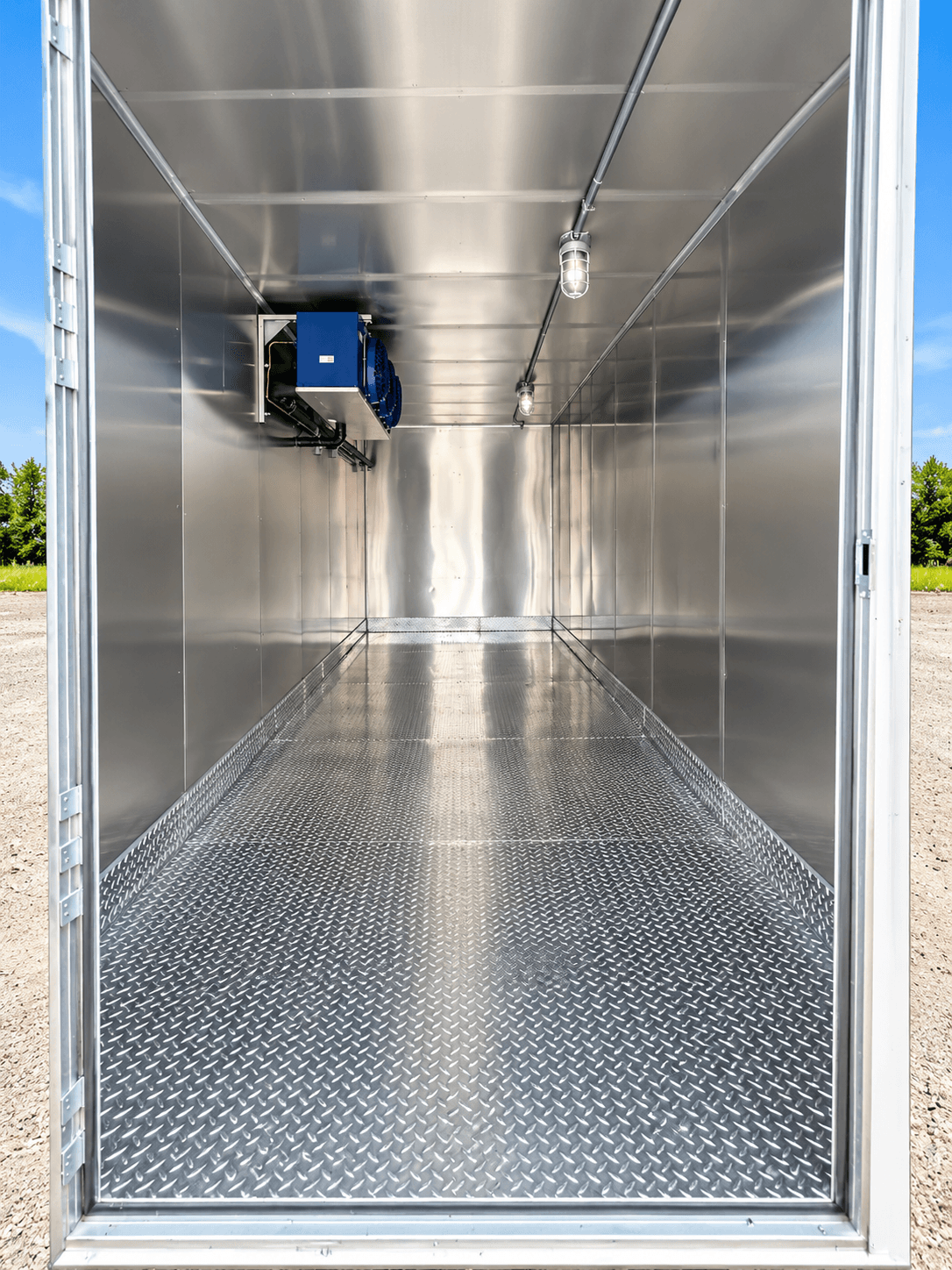
Compare the equipment
These published examples describe named company units. The supplied equipment, configuration and availability are confirmed for your project address.
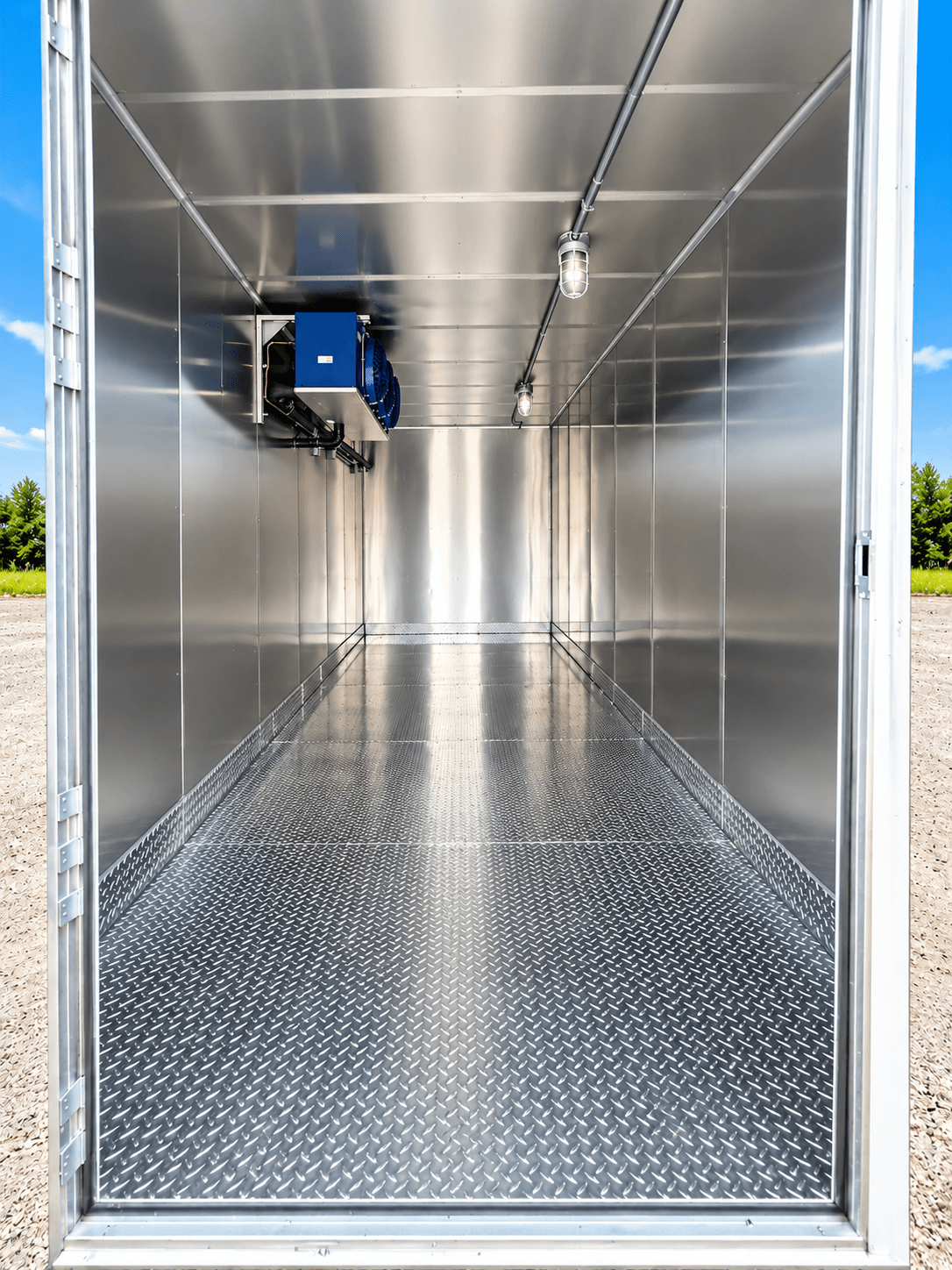
Listed refrigeration trailer equipment: condensing unit, amps panel, lighting.
Equipment records reviewed October 19, 2026. Temperature labels are inventory labels, not verified operating ranges. Nominal length is a model label, not a measure of usable space or site footprint.
A Denver restaurant can keep preparing food while its permanent cold room is repaired. The displaced stock is only part of the temporary load: later supplier orders and reserves for the next service may overlap before normal refrigeration returns. Chilled goods and frozen ingredients need separately established conditions. The menu used during repairs, rather than the ordinary room’s dimensions alone, explains what requires another store.
Package sizes, carts and the products retrieved repeatedly help define usable cold-storage space after loading. Another permanent room may continue holding reserves, reducing what needs to move. The named trailer examples above have individual electrical entries and inventory temperature labels; they do not establish one verified operating range or capacity for every proposed refrigerated unit.
For the 12ft Refrigerated Trailer, confirm the offered unit’s configuration before selecting it. The available electrical service at the working position must suit its connection requirements. A separate cooking or dishwashing function has its own workload when more than refrigeration is displaced.
Denver Public Schools’ published Garden to Cafeteria guidance calls for harvest records, approved handling procedures and a kitchen-manager discussion about harvest dates and approximate quantities. The program illustrates a receiving decision that starts before produce reaches a school store. For a comparable institutional transition, goods need an authorized destination and a defined collection period; not every new delivery can simply be added to whatever refrigerated space appears available.
A Glendale restaurant with another working store can have a smaller displaced load than a Denver operation whose entire cold room closes. An Aurora refurbishment may return rooms in stages, while a Thornton service property receives orders on another timetable. Shared purchasing does not make those properties’ refrigerated requirements identical. Keep the goods, conditions and site services attached to each actual address.
For a Cherry Hills Village catering operation, ingredients received before service can need a different holding place from stock beside the guest venue. A temporary kitchen or dishwashing arrangement may also have its own location and period. A clear handoff between receiving, refrigerated holding and active preparation gives each unit a specific job instead of deriving capacity from attendance.
During government facility renovations in Denver or Glendale, Colorado, food-service employees may need access to ordinary supplies while contractors work through different parts of the property. Include the person authorized to release temporary equipment after the food transfer, so the proposed collection stage receives the same review as arrival.
Denver City Council’s April 13, 2026 record approved a Skyline Park Block 1 agreement for markets, sports and entertainment watch parties and other public events by permit. That published program is a useful local example of repeated events sharing one property. For a caterer working within an authorized event, ingredient receiving, refrigerated holding and clearing can require different access from the hours when visitors attend.
The Colorado Convention Center separately provides an exhibitor-services process for electrical and other connections. A nearby socket or an event booking does not establish the supply for a proposed refrigerated unit. The authorized event team and equipment provider need the actual model’s requirements and an agreed working position. Cooking and washing can use different services from storage even within one food-service operation.
A Centennial preparation site supporting a Denver function needs a destination for the first ingredient delivery and the final remaining stock. The supplier unloading area can also be the route employees use for smaller, repeated trips. That overlap should be considered after the proposed refrigerated store is full and other event or construction vehicles occupy the property.
NOAA describes Colorado’s semiarid climate, substantial local and day-to-night temperature differences and precipitation variation between plains and mountains. For a Denver outdoor cold-storage position, the intended months and actual surface drainage belong beside the assigned unit’s operating requirements. Statewide climate information does not establish its ambient limit or prove that a position remains usable through changing conditions.
A longer refrigerated lease can span several construction phases while ordinary receiving continues. The agreed power connection, staff route and approach for collection need to stay usable throughout. Any separate kitchen or dishwashing provision also needs its own working space and connections. Permanent rooms returning at different times can change the stock remaining in temporary storage before the project ends.
Permanent refrigeration can become usable before the last temporary products move indoors. New orders and ingredients needed for the next service may overlap during that transfer. The useful rental period follows the final stock clearance and collection, with terms for changes or extensions agreed where the repair finish remains uncertain.
The written proposal should identify the equipment, availability, period, transport, collection and connection responsibilities. Setup and delivery is shown as a starting amount only; transport for the actual address, collection and other trips are confirmed in the quote. Request availability and a project quote for the complete food-service requirement, including any separate kitchen or dishwashing facilities.
Before you book
Describe the operation actually continuing during repairs, including revised orders and the ingredients still used. Those decisions can alter quantity and retrieval patterns. This gives equipment selection a practical load rather than simply matching the ordinary contents, dimensions or capacity of the unavailable permanent room.
They can overlap with supplies not yet used and create the busiest temporary quantity. Include timing, packaging and goods reserved for later service. The equipment discussion is more useful when it follows the receiving cycle rather than one inventory snapshot taken at the start.
Describe what moves first, supplies remaining temporarily and orders arriving between those steps. This connects the expected period with actual storage use. Confirm the terms in the quote rather than assuming one repaired room or installation milestone ends every temporary refrigeration requirement.
These public references inform the planning examples; equipment availability and delivery arrangements are confirmed for your address.
Temporary refrigeration, kitchens and dishwashing can support many kinds of food-service operations. Each setting below starts with its own schedule, stock and site questions, and every project is reviewed individually.
Hotels, restaurants and resorts can plan temporary refrigeration around breakfast, banquet and dinner service when a walk-in cooler fails or a kitchen is refurbished.
Hospital, nursing home and care-facility kitchens can describe meal schedules, delivery times and displaced stock so temporary storage follows the food-service routine.
Municipal, county and public-building food-service teams can outline receiving arrangements, responsible contacts and project dates before a quote is prepared.
Dining facility managers can explain the products displaced, the receiving arrangements and the proposed period, then review availability and terms with our team.
Schools, colleges and universities can plan around term dates, serving windows and campus kitchen renovations so meal service can continue during repairs or construction.
Plant cafeterias and employee dining areas can describe shift patterns and staged building work so temporary cold storage can be reviewed against the working schedule.
Caterers and venues can plan preparation windows, event days and overflow ingredients, and describe how stock moves between storage, the kitchen and service.
Producers, wholesalers and distributors can describe loading, staging and storage needs when a cooler breaks down or demand temporarily exceeds capacity.
These examples describe planning situations. Equipment, availability and terms are confirmed in a project quote.
Cold storage is only one part of a project. These are the questions we work through with you before anything is booked.
Start with refrigerated containers and refrigeration trailers, then add a temporary kitchen or dishwashing trailer when the project needs one, all in a single conversation.
Access, utilities and the intended position are reviewed before delivery is arranged, so the equipment is matched to your site rather than the other way around.
Whether a walk-in cooler failed this morning or a renovation is months away, describe the real situation and plan around the stock, dates and people involved.
Planning guides cover all 50 states and more than 700 cities. Your address is then confirmed for equipment and delivery.
Use the rental calculator for a rate-range estimate and setup amount, then request a project quote that confirms availability, transport and the rental period.