BXRT20–1Refrigerated trailer
- Nominal length
- 20ft
- Listed electrical supply
- 220V · single-phase · 40–60A
- Inventory temperature label
- 32°F
Temporary cold storage in Centennial, Colorado
Centennial refrigeration rentals help commercial operators plan stock holding when a walk-in cooler or freezer unexpectedly fails. Refrigerated trailers and containers can also be considered during scheduled building work, with kitchen and dishwashing requirements reviewed where normal operations move. Short-term rentals and longer lease periods should reflect receiving peaks and the repair or refurbishment sequence. Restaurants, caterers, schools and institutional dining teams can describe the products affected. Worldwide Refrigerated Container Rental Facilities can review delivery coordination at the proposed Centennial property. Share your dates, stock and site details to request current equipment availability and a project quote.
Emergency cooler or freezer failure in Centennial? A person answers rental inquiries 24/7. Availability and delivery timing are confirmed in your quote.
Plan your rental budget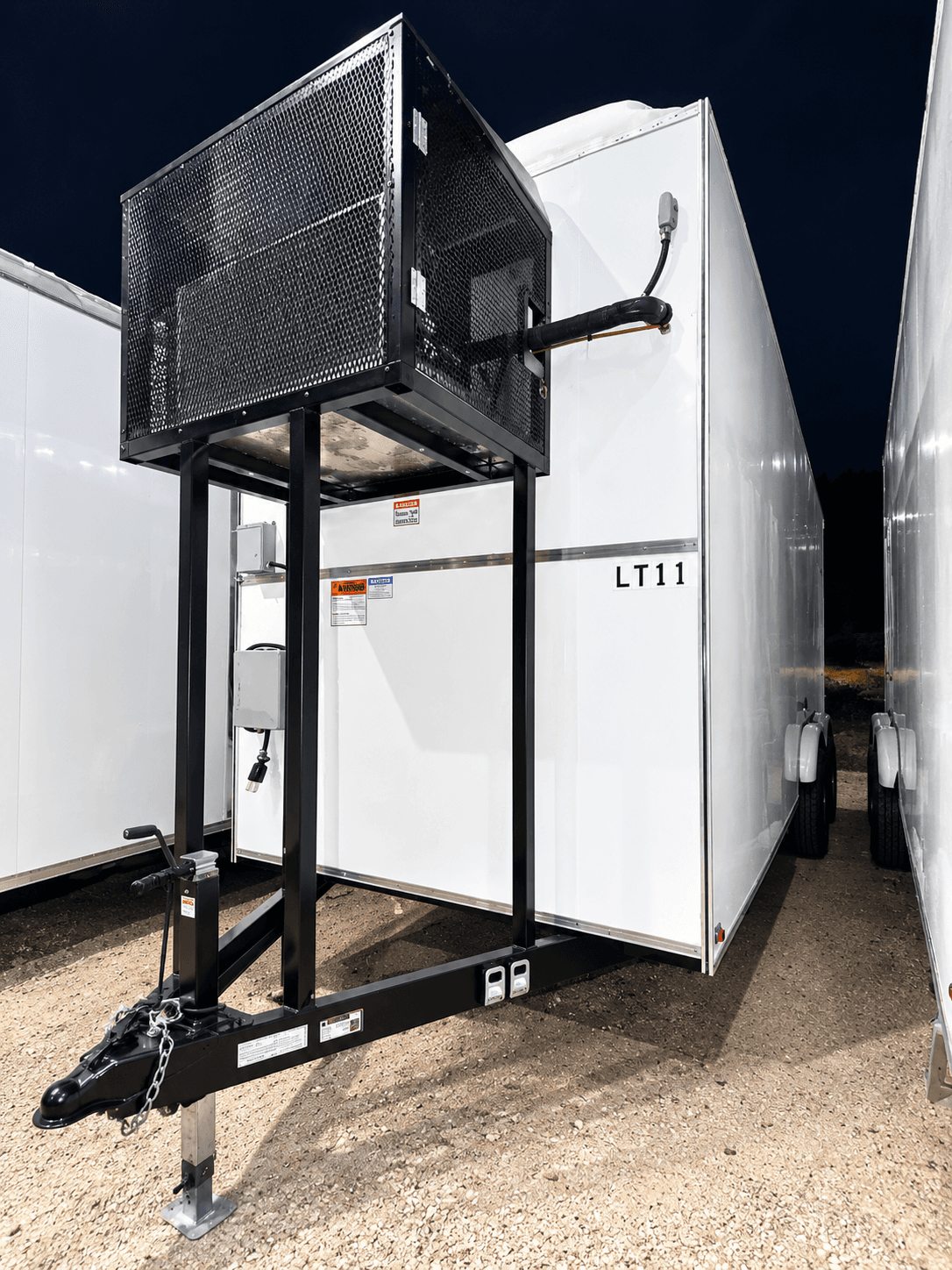
Compare the equipment
These published examples describe named company units. The supplied equipment, configuration and availability are confirmed for your project address.
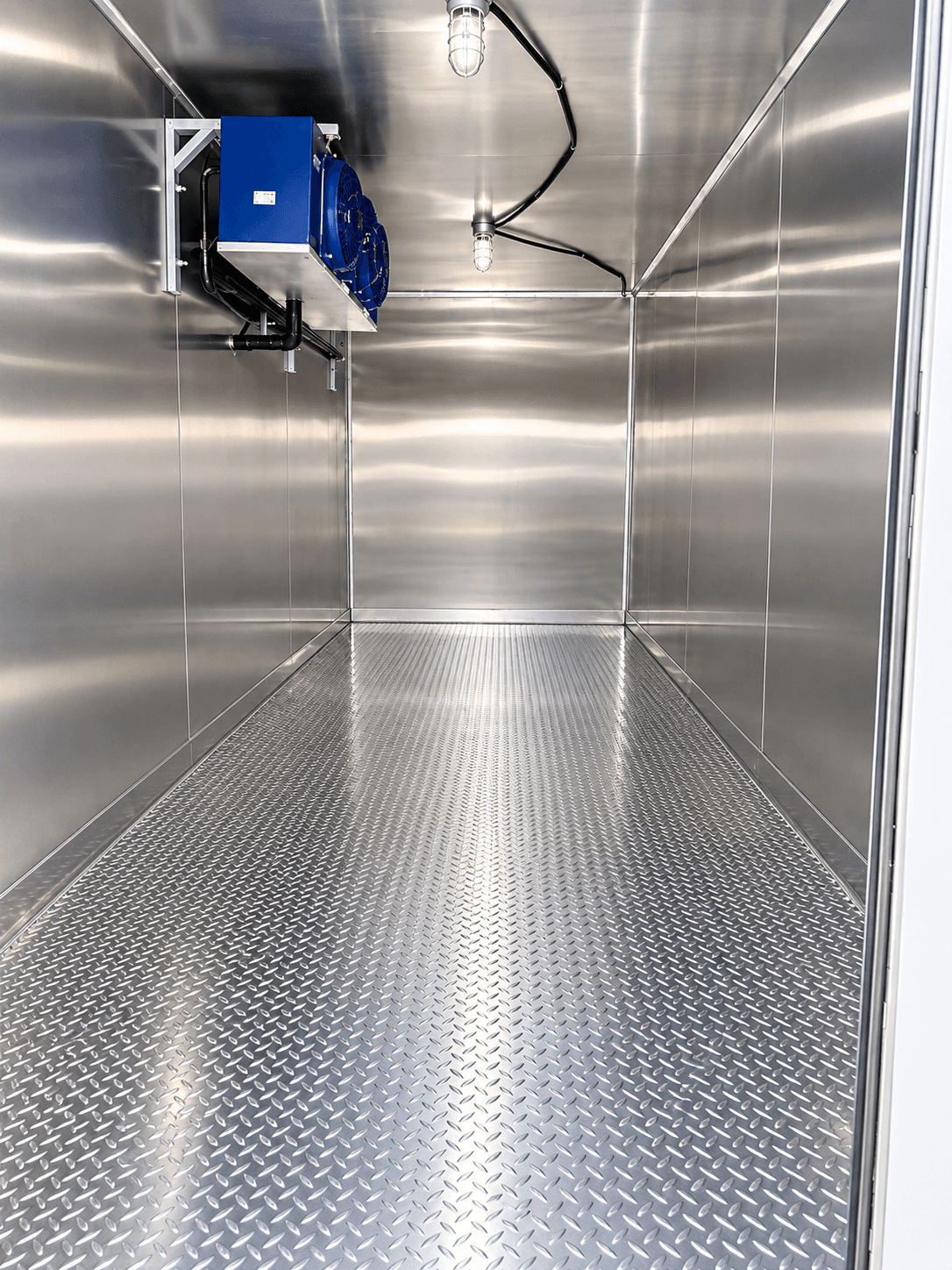
Listed refrigeration trailer equipment: condensing unit, amps panel, lighting.
Equipment records reviewed October 19, 2026. Temperature labels are inventory labels, not verified operating ranges. Nominal length is a model label, not a measure of usable space or site footprint.
Colorado’s 2022 NOAA climate summary discusses the state’s history of heavy precipitation, drought and temperature extremes. It is background, not a current condition report for a Centennial property. When a commercial cooler fails, explain whether the problem is isolated or accompanies a wider interruption that affects the operation. A business may be able to continue holding some stock while another group of goods needs temporary refrigeration. Reconcile those quantities and identify the next supplier arrival. Explain kitchen and dishwashing changes where they affect the working day. The refrigerated proposal should address that observed stock position without inferring equipment suitability or access from the state-level climate record.
Work transitions that may move the temporary store partway through are covered in the 20ft Refrigerated Trailer guide, including the route, positioning and how several teams share one unit.
Centennial’s official capital-program page describes a ten-year plan and explicitly treats its longer projection as guidance rather than a literal schedule. Its 2025–2026 budget also lists proposed regional park improvements. These are dated public planning records, without a claim that this refrigeration business supplied those projects. For a commercial Centennial opening, identify the milestone that makes permanent cold storage usable. Explain whether kitchen or dishwashing work follows another sequence. A refrigerated inquiry can describe an anticipated gap while keeping provisional dates visible, instead of treating every item in a public capital forecast as an approved immediate construction start.
For comparison, read what nearby cities emphasize. In Aurora, the guide covers shared food-service stock; in Denver, it covers planning during restaurant repairs. Those are separate sites with separate requirements, so use them only as prompts for your Centennial request.
A hospitality team planning longer works in Centennial or Greenwood Village, Colorado, can explain how contractor boundaries might change the daily route used to collect ingredients. Mark the proposed receiving point on the property plan and explain who can authorize changes when the working arrangement needs review.
The city’s capital-program overview distinguishes maintaining aging infrastructure from building new facilities. That is useful context for a Centennial commercial operator adapting an existing premises: name the services and rooms actually affected. The municipal overview does not establish a current shutdown or equipment requirement at your address. Identify the cooler retained during each phase and the goods that must move. Kitchen receiving and dishwashing may need different temporary paths while contractors control parts of the site. Review refrigeration against the usable layout and include the handover back. The name of a wider refurbishment cannot substitute for the operating details that determine temporary stock holding.
A further point of reference is Lakewood’s guide, which covers commercial food-service. Check your own site details separately before relying on any comparison.
A Greenwood Village operation should use its own receiving location even if a Centennial manager approves purchasing. Lone Tree projects need their authorized site contact, while Cherry Hills Village premises should describe their actual entrance restrictions. These Census references explain nearby communities without promising a common delivery schedule or claiming completed company jobs. At the Centennial address, show the proposed refrigerated position, measured access details and the path used to retrieve goods. Explain contractor-controlled areas and later changes. Include kitchen or dishwashing equipment on that same layout where relevant. The responsible property representative should authorize access rather than leaving a convenient-looking area on a preliminary plan to establish permission.
Send required conditions, peak stock quantities, preferred dates and the reason refrigeration is unavailable. Explain which finish milestone depends on a repair, inspection or revised construction decision. Ask what equipment, transport and additional items the Centennial quotation includes. Current rental charges, availability and terms need confirmation for the specific premises; public capital forecasts cannot establish those prices. Identify who confirms permanent cold storage is usable and when goods can move back. Discuss extensions, revisions and collection coordination under the proposed arrangement. Keeping those steps in the inquiry helps the rental period follow the actual inventory transition rather than end at a general building-completion estimate.
Before you book
It supplies context, but your operating program needs current confirmation. Identify when stock must leave permanent refrigeration and which milestone controls the move. A longer planning projection is not itself an agreed equipment date or reservation.
Yes. Explain how staff use the proposed refrigerated location throughout the period, not only where equipment first arrives. Include measured restrictions and contractor-controlled areas so the arrangement can be reviewed against the working premises.
Describe the quantities still needing temporary cold storage and the next decision that allows them to move. Ask whether the proposal and rental period need revision instead of assuming the whole stock transfer occurs on one construction date.
These public references inform the planning examples; equipment availability and delivery arrangements are confirmed for your address.
Temporary refrigeration, kitchens and dishwashing can support many kinds of food-service operations. Each setting below starts with its own schedule, stock and site questions, and every project is reviewed individually.
Hotels, restaurants and resorts can plan temporary refrigeration around breakfast, banquet and dinner service when a walk-in cooler fails or a kitchen is refurbished.
Hospital, nursing home and care-facility kitchens can describe meal schedules, delivery times and displaced stock so temporary storage follows the food-service routine.
Municipal, county and public-building food-service teams can outline receiving arrangements, responsible contacts and project dates before a quote is prepared.
Dining facility managers can explain the products displaced, the receiving arrangements and the proposed period, then review availability and terms with our team.
Schools, colleges and universities can plan around term dates, serving windows and campus kitchen renovations so meal service can continue during repairs or construction.
Plant cafeterias and employee dining areas can describe shift patterns and staged building work so temporary cold storage can be reviewed against the working schedule.
Caterers and venues can plan preparation windows, event days and overflow ingredients, and describe how stock moves between storage, the kitchen and service.
Producers, wholesalers and distributors can describe loading, staging and storage needs when a cooler breaks down or demand temporarily exceeds capacity.
These examples describe planning situations. Equipment, availability and terms are confirmed in a project quote.
Cold storage is only one part of a project. These are the questions we work through with you before anything is booked.
Start with refrigerated containers and refrigeration trailers, then add a temporary kitchen or dishwashing trailer when the project needs one, all in a single conversation.
Access, utilities and the intended position are reviewed before delivery is arranged, so the equipment is matched to your site rather than the other way around.
Whether a walk-in cooler failed this morning or a renovation is months away, describe the real situation and plan around the stock, dates and people involved.
Planning guides cover all 50 states and more than 700 cities. Your address is then confirmed for equipment and delivery.
Use the rental calculator for a rate-range estimate and setup amount, then request a project quote that confirms availability, transport and the rental period.