BXRT20–1Refrigerated trailer
- Nominal length
- 20ft
- Listed electrical supply
- 220V · single-phase · 40–60A
- Inventory temperature label
- 32°F
Temporary cold storage in Grand Junction, Colorado
Grand Junction cold storage leasing starts with the food your commercial operation must keep accessible while permanent refrigeration is unavailable. Worldwide Refrigerated Container Rental Facilities can discuss a refrigerated container or trailer together with kitchen trailers and dishwashing options where a broader temporary food-service arrangement is needed. Emergency equipment breakdowns and planned construction both benefit from a clear stock-transfer plan. Short-term rentals and longer project inquiries require equipment and schedule review. Share the actual delivery address, placement space and utility information so delivery coordination follows your site requirements. Request availability and a quote for your Grand Junction operation.
Emergency cooler or freezer failure in Grand Junction? A person answers rental inquiries 24/7. Availability and delivery timing are confirmed in your quote.
Plan your rental budget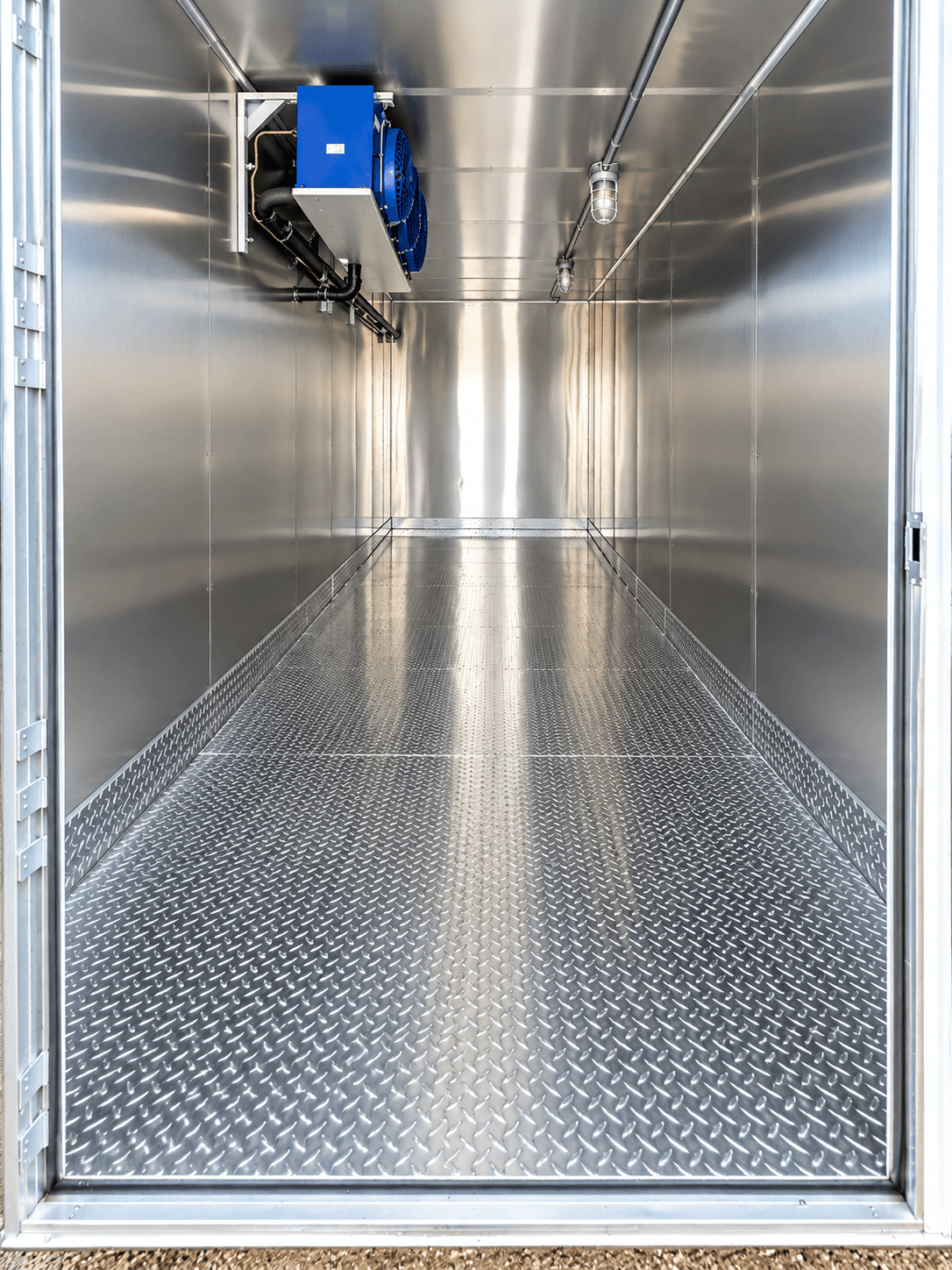
Compare the equipment
These published examples describe named company units. The supplied equipment, configuration and availability are confirmed for your project address.
Listed refrigeration trailer equipment: condensing unit, amps panel, lighting.
Equipment records reviewed October 19, 2026. Temperature labels are inventory labels, not verified operating ranges. Nominal length is a model label, not a measure of usable space or site footprint.
NOAA’s Colorado climate summary documents the state’s severe 2020 wildfire season. That is historical statewide context, rather than proof of damage, closure or equipment failure at a Grand Junction property. A commercial continuity brief should say what has actually stopped: the permanent refrigeration system, electrical supply, receiving access or a larger part of the building. Different failures require different operating decisions.
Ask the responsible food-safety lead to assess stock before arranging any transfer. Then identify the quantities that need a cooler, who can receive them and how staff will retrieve them during a shift. A temporary unit cannot establish safe access to a closed property or replace an electrical assessment. Keep those responsibilities explicit from the first inquiry.
Cold storage leasing for a larger commercial operation is the subject of the 40ft Refrigerated Container guide, which works through delivery restrictions, ground preparation and organizing substantial stock.
Grand Junction’s May 2024 announcement scheduled the Community Recreation Center groundbreaking for June 1 at Matchett Park. This dated public investment is a useful construction-planning example, without implying that the city rented equipment from us. An occupied commercial project likewise has several milestones: building access, utility readiness, equipment testing and release of the food-service area. The last of these may occur after physical installation.
Describe the refrigeration interval from the point when stock leaves its normal room until it can return under your operating procedures. A kitchen commissioning plan should include training and trial service, while dishwashing responsibilities need their own readiness checks. Linking these milestones helps avoid scheduling collection before the permanent operation is genuinely ready to resume.
A change in school meal arrangements in Grand Junction or Orchard Mesa, Colorado, can require ingredient orders and staff responsibilities to be reviewed before temporary equipment arrives. Include the expected handback arrangement in the rental inquiry so dining staff can describe how supplies will return to permanent facilities.
A restaurant fit-out and an institutional refurbishment can need very different storage patterns even when their floor plans look similar. Explain whether the project needs a complete stock transfer, a smaller daily supply or additional space during staggered commissioning. Describe frozen and chilled requirements separately. Refrigeration equipment should be reviewed against the actual task, rather than an assumed capacity based on its exterior photograph.
Fruita, Orchard Mesa and Redlands provide distinct regional location references for a business managing more than one property. Give each site its own entrance and utility details. The Grand Junction project can be coordinated with those inquiries, but a common management company does not make the physical constraints or transport arrangements identical.
Matchett Park identifies the location in the city’s recreation-center announcement; your own delivery brief needs comparable precision followed by entrance-level detail. Mark the vehicle approach, turning area and proposed standing space. Show where employees, visitors and other suppliers pass through the same area. A refrigerated trailer must be considered within that working site layout, including the access people need throughout the rental.
Have the property representative identify available electrical service and any placement approvals to investigate. State who can meet a driver and who can authorize a changed position if the agreed area is obstructed. Current restrictions and the selected refrigeration unit determine what needs review. This guide does not establish a local depot, standard journey time or guaranteed arrival window.
Include the expected opening or return-to-service date, the contractor’s current confidence in that date and the earliest point when your team can receive stock. Tell us whether the kitchen or dishwashing requirement will finish at the same time as temporary storage. Different completion dates should be visible in the inquiry rather than left for the final collection conversation.
Ask for the cold-storage rental period, transport scope, extension process and customer responsibilities to be explained in the quote. The estimate multiplies the published range by your number of periods; the written quote confirms where in that range the rate falls. Confirm the proposed equipment and address-specific arrangements before the commissioning plan relies on them. Availability remains subject to the actual project review.
Before you book
Explain the testing and release stages when you request a quote. A refrigeration lease can be discussed around those stages, with collection tied to the agreed period. A contractor’s installation date alone does not confirm that your operation can move stock back.
Each address needs its own assessment. A shared ownership or project schedule does not establish equivalent entrances, electrical service or placement permission. Provide separate site records while explaining any coordination your management team would like to discuss.
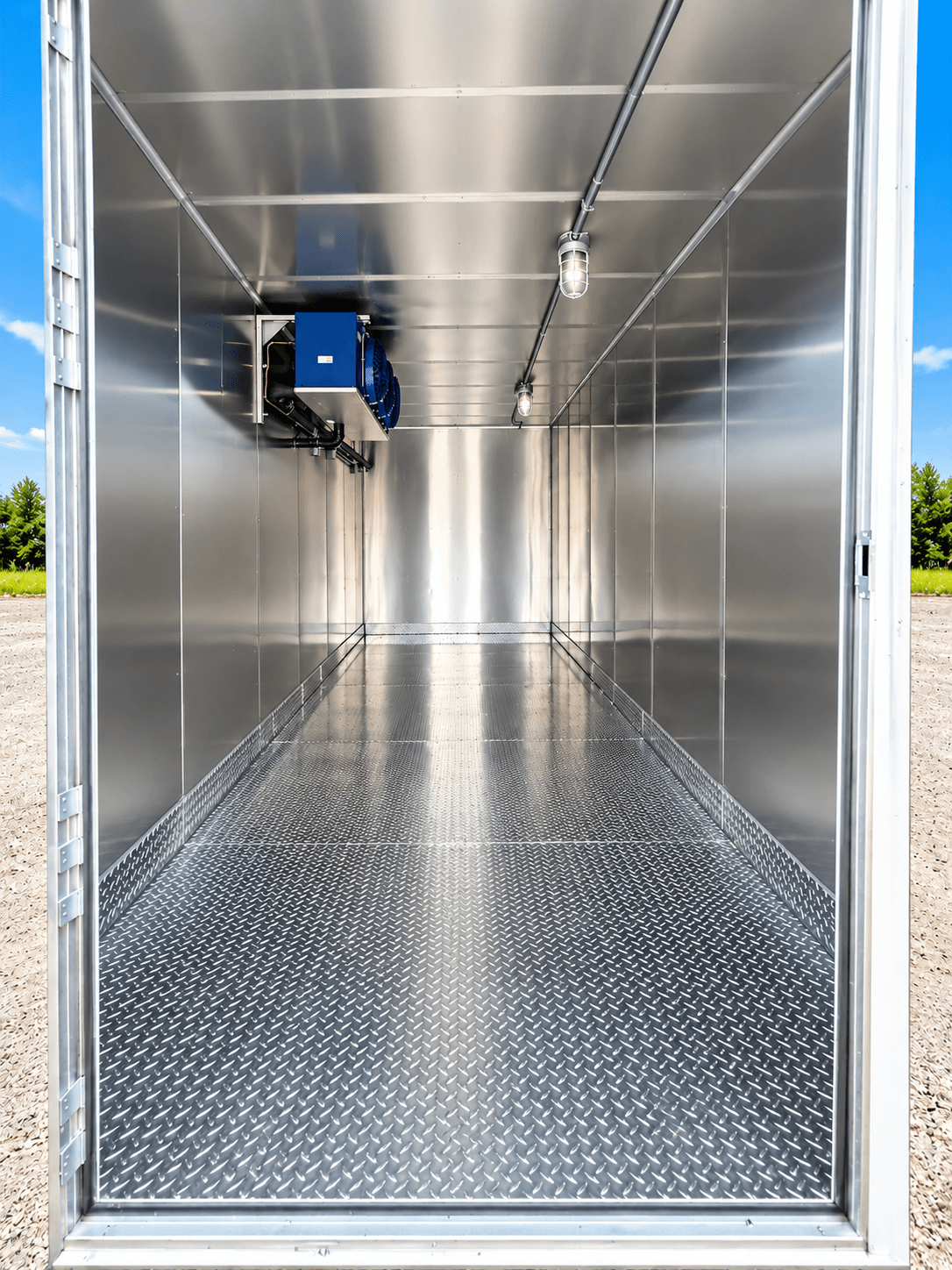
Use the photographs to understand equipment examples. Confirm the proposed configuration, usable storage and electrical requirements through the quote process. A reference image does not establish that a specific unit is available in Grand Junction.
These public references inform the planning examples; equipment availability and delivery arrangements are confirmed for your address.
Temporary refrigeration, kitchens and dishwashing can support many kinds of food-service operations. Each setting below starts with its own schedule, stock and site questions, and every project is reviewed individually.
Hotels, restaurants and resorts can plan temporary refrigeration around breakfast, banquet and dinner service when a walk-in cooler fails or a kitchen is refurbished.
Hospital, nursing home and care-facility kitchens can describe meal schedules, delivery times and displaced stock so temporary storage follows the food-service routine.
Municipal, county and public-building food-service teams can outline receiving arrangements, responsible contacts and project dates before a quote is prepared.
Dining facility managers can explain the products displaced, the receiving arrangements and the proposed period, then review availability and terms with our team.
Schools, colleges and universities can plan around term dates, serving windows and campus kitchen renovations so meal service can continue during repairs or construction.
Plant cafeterias and employee dining areas can describe shift patterns and staged building work so temporary cold storage can be reviewed against the working schedule.
Caterers and venues can plan preparation windows, event days and overflow ingredients, and describe how stock moves between storage, the kitchen and service.
Producers, wholesalers and distributors can describe loading, staging and storage needs when a cooler breaks down or demand temporarily exceeds capacity.
These examples describe planning situations. Equipment, availability and terms are confirmed in a project quote.
Cold storage is only one part of a project. These are the questions we work through with you before anything is booked.
Start with refrigerated containers and refrigeration trailers, then add a temporary kitchen or dishwashing trailer when the project needs one, all in a single conversation.
Access, utilities and the intended position are reviewed before delivery is arranged, so the equipment is matched to your site rather than the other way around.
Whether a walk-in cooler failed this morning or a renovation is months away, describe the real situation and plan around the stock, dates and people involved.
Planning guides cover all 50 states and more than 700 cities. Your address is then confirmed for equipment and delivery.
Use the rental calculator for a rate-range estimate and setup amount, then request a project quote that confirms availability, transport and the rental period.