A clear first message makes the conversation easier
Begin with a short description of the storage problem. Say whether existing refrigeration has failed, planned work is about to remove it or an event needs additional space. Include the date when temporary storage would first be useful. If a repair assessment or project milestone is still pending, explain the uncertainty rather than supplying an end date that looks final.
You do not need to know every equipment detail before making an inquiry. It is more helpful to identify the information you have and the questions you still need to resolve. A clear brief gives the conversation a direction without implying that equipment selection or availability has already been confirmed.
Describe the products and the storage task
State whether you need chilled storage, frozen storage or different requirements that should be considered separately. Explain the products, their packaging and the amount likely to be held at the busiest time. Add how stock will arrive and how frequently staff expect to enter the space. Those details are more informative than a broad request for a cold container.
If the temporary unit must support a particular loading method or packaging size, mention that early. Ask for the usable space, entrance information and relevant features of the equipment being proposed. Your request should lead to a discussion of suitability, not an assumption that every unit shown on the website has the same configuration.
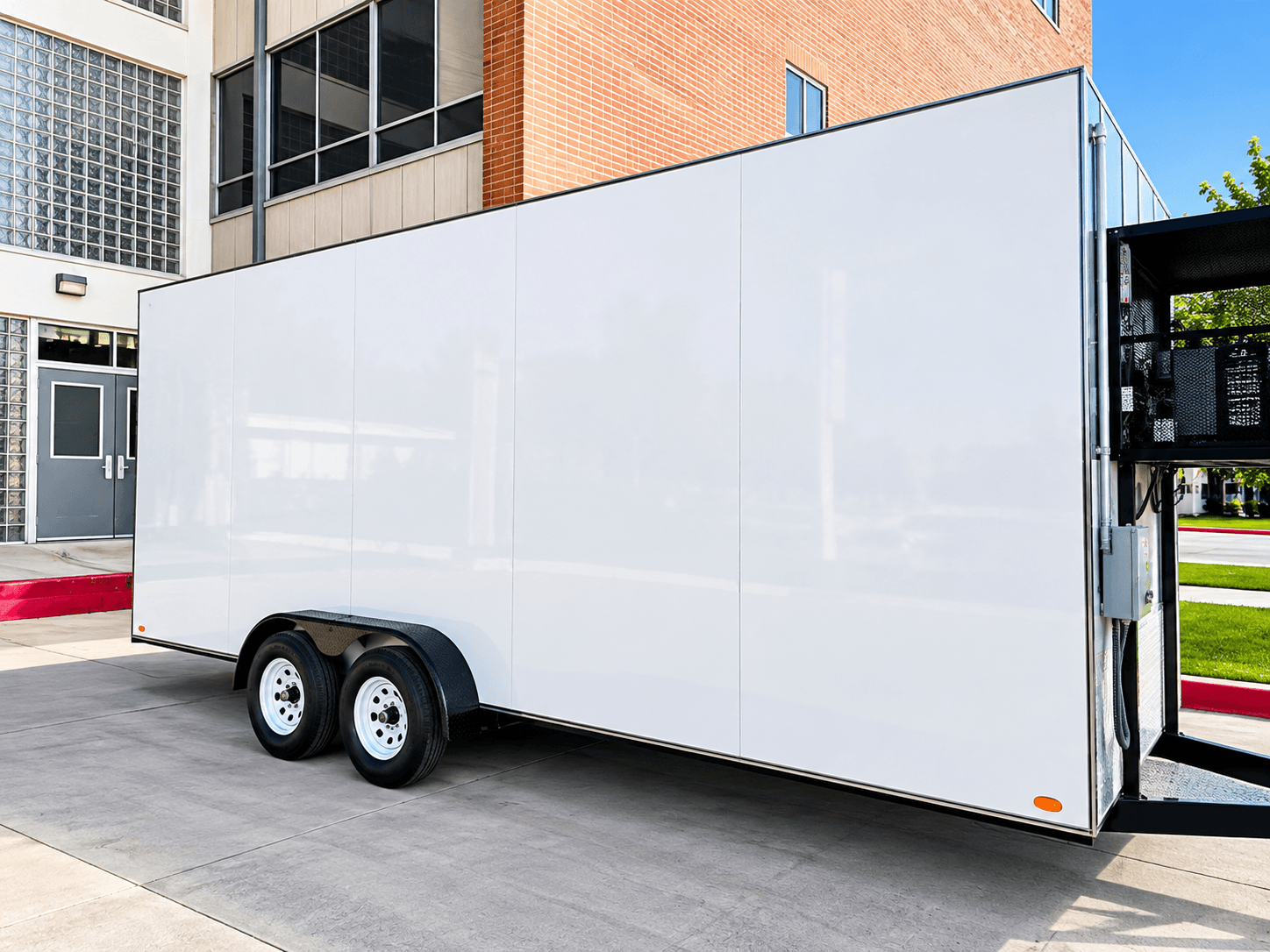
Keep healthcare meal service in the rental plan
For healthcare dining inquiries in Maine or New Hampshire, anticipated repair dates can remain provisional while the facility identifies the supplies displaced from its ordinary rooms. Include the packaging, expected stock peak and cart movements so the equipment inquiry reflects food-service activity within the occupied facility.
Provide the address and a useful site contact
Give the actual delivery address, the receiving entrance and the name or role of someone who understands access at the property. Mention known restrictions, shared loading areas and any work that may change the approach. Explain where you think the equipment could stand, while leaving room for that position to be reviewed.
A city page is background information rather than confirmation of access to a particular property. If the position or receiving arrangements are undecided, say who can help settle them. For occupied commercial sites, identify routes that must remain available during delivery and use. Include those facts in the inquiry instead of waiting until transport is being arranged.
Share electrical information without guessing
Tell the team what is known about the electrical service near the proposed position. If the supply has not been checked, state that clearly and ask for the requirements of the actual equipment under consideration. Avoid selecting a connection arrangement from a photograph or a specification for a different unit.
Explain whether a property manager or electrical contractor needs to be involved. Ask who is responsible for assessing suitability, carrying out preparation and confirming readiness. Equipment, transport and site preparation are related parts of the project, but they should not be assumed to have the same scope. Clarify the responsibilities before making a booking decision.
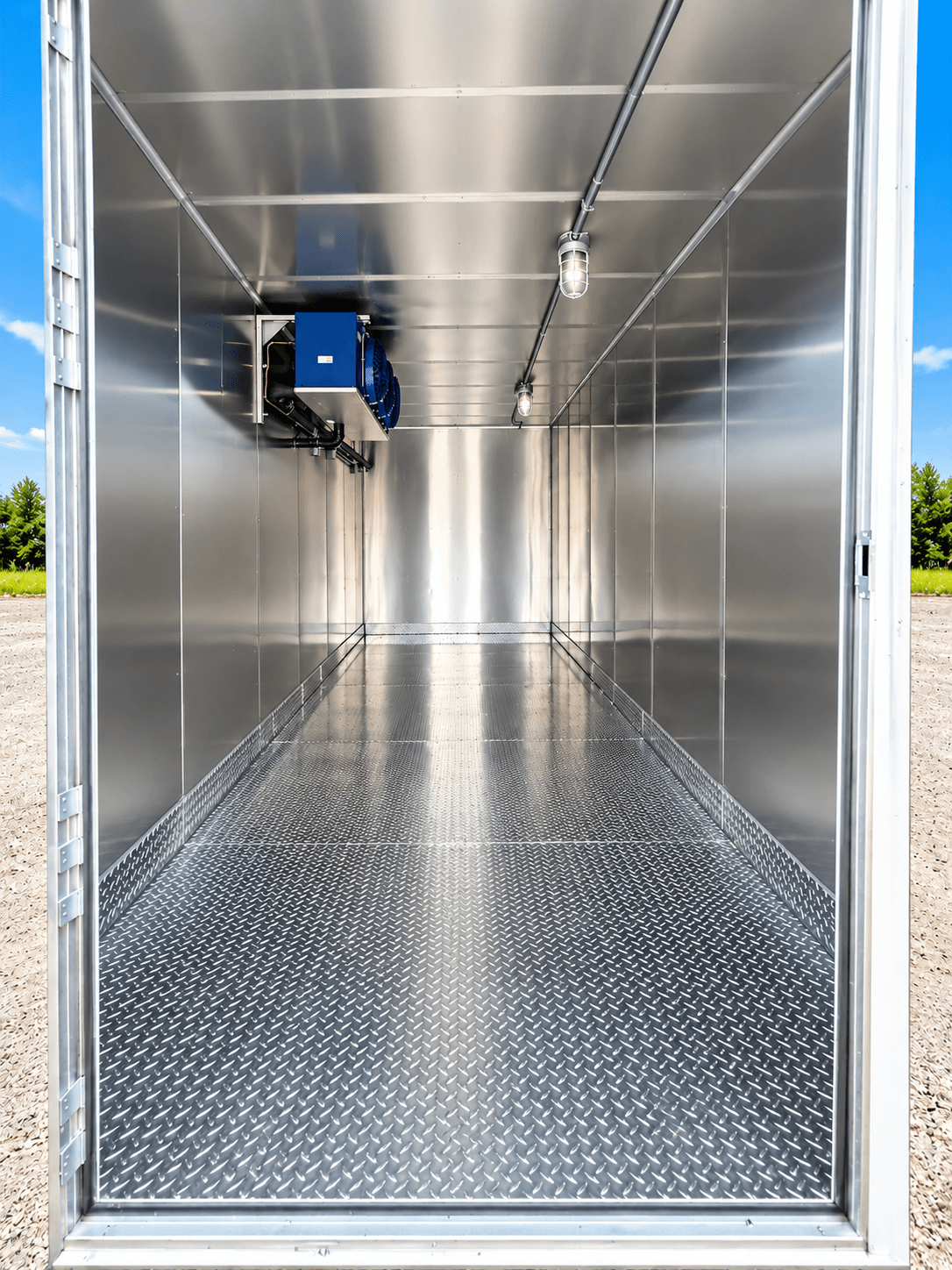
Explain the dates and what could change them
For a breakdown, describe what is known about the repair program. For a renovation, identify when permanent refrigeration becomes unavailable and when its replacement is expected to be ready. For an event, include preparation and clear-out periods around the public dates. These details help explain the full temporary storage requirement.
Say whether the period is fixed or depends on another task. Ask about short-term rental or longer-term lease terms appropriate to that situation. Confirm how an extension would be requested, what notice applies to collection and which changes require a revised quote. An early estimate can start a conversation, but it should remain distinguishable from agreed booking dates.
Ask for a complete current proposal
Request a quote that identifies the proposed equipment, period and transport arrangements, along with the applicable charges and customer responsibilities. Ask what is included and what must be arranged separately. If you have received another proposal, compare the same scope rather than only the headline rental figure.
Ask for equipment availability, minimum terms, delivery and collection arrangements to be confirmed for the address and dates in your inquiry. Keep the accepted proposal with the project brief and identify the contact responsible for any changes. A clear record helps the people approving the rental and those receiving it work from the same information.
Keep the inquiry separate from a confirmed booking
Sending a message or discussing a requirement does not reserve equipment. Before relying on a rental arrangement, confirm which unit or equipment description is being offered, whether it is available and which terms apply. Keep the final written details with the project information your receiving team will use.
If an online contact attempt cannot be completed, use the telephone number displayed on the site to discuss the next step. Avoid repeatedly sending the same request without knowing whether it was received. Do not assume a message has reached the team or that a booking exists until you have a response and the proposed arrangements have been agreed.
Prepare the people who will receive and use the equipment
The contact arranging a rental may be different from the person on site when equipment arrives. Share the agreed position, access instructions, contact details and preparation responsibilities with the receiving team. Identify who can make a decision if the site or equipment does not match the plan.
Also consider the final stock transfer and collection. Ask who will confirm that temporary storage is no longer needed and how changes should be communicated. Bring those questions to the first conversation where possible. Contact the team with the storage requirement, address and dates to request availability and a current project quote.
A useful first inquiry can still include unanswered questions
You can begin with a plain description of what happened and what your operation needs next. An illustrative first message could read: “Our restaurant walk-in is out of use. We need to discuss chilled storage for our existing packaged stock and incoming deliveries. The repair end date is still being checked. Our kitchen manager can describe the load, and our facilities contact is reviewing the receiving area.” Add the actual address, preferred start date and your own contact details in the form.
That message gives the discussion a direction without claiming that a particular unit is suitable. If you know only part of the site information, identify the remaining question and the person checking it. You do not need to invent an electrical specification or choose a model from a photograph to explain the problem.
Send changes as a clear update to the same request
When the project changes, identify the earlier inquiry and state what has changed: the storage load, address, desired start, likely duration or access arrangement. Explain whether the change is confirmed or still under review. A short update with that distinction is easier to use than another complete message containing conflicting dates.
If someone else is taking over the discussion, introduce their role and share the current project brief with them. Keep the commercial decision and the site questions connected so neither contact has to reconstruct the request from separate conversations. Ask which next step is needed to obtain an updated proposal.
Discuss your cold storage rental.
Confirm the equipment, delivery location, and rental period that fit your project.
Request availability