Explore every public page
Find your next step
Explore local context, equipment choices and the details to include in a rental inquiry. Each guide brings city examples into practical planning; availability and delivery arrangements are confirmed for your address.
A closer look at your market
Find a city rental guide
Explore major-market guides by city and state for local context and practical cold-storage options. Earlier city and area articles also remain available here.
Start with the storage task rather than a page title
Choose the information that answers your immediate question. If you are deciding what temporary refrigeration must do, begin with the equipment planning guide. If the main issue is placement or access for a particular type of unit, read the relevant container or trailer page. The homepage gives a broader introduction to project planning and common rental questions.
Keep a short list of the requirements already known and the details that need review. That is enough to begin an inquiry without guessing a specification. The purpose of reading the guides is to prepare a practical conversation about the work, not to make an equipment choice without confirming the proposed arrangement.
Explore refrigerated container rental information
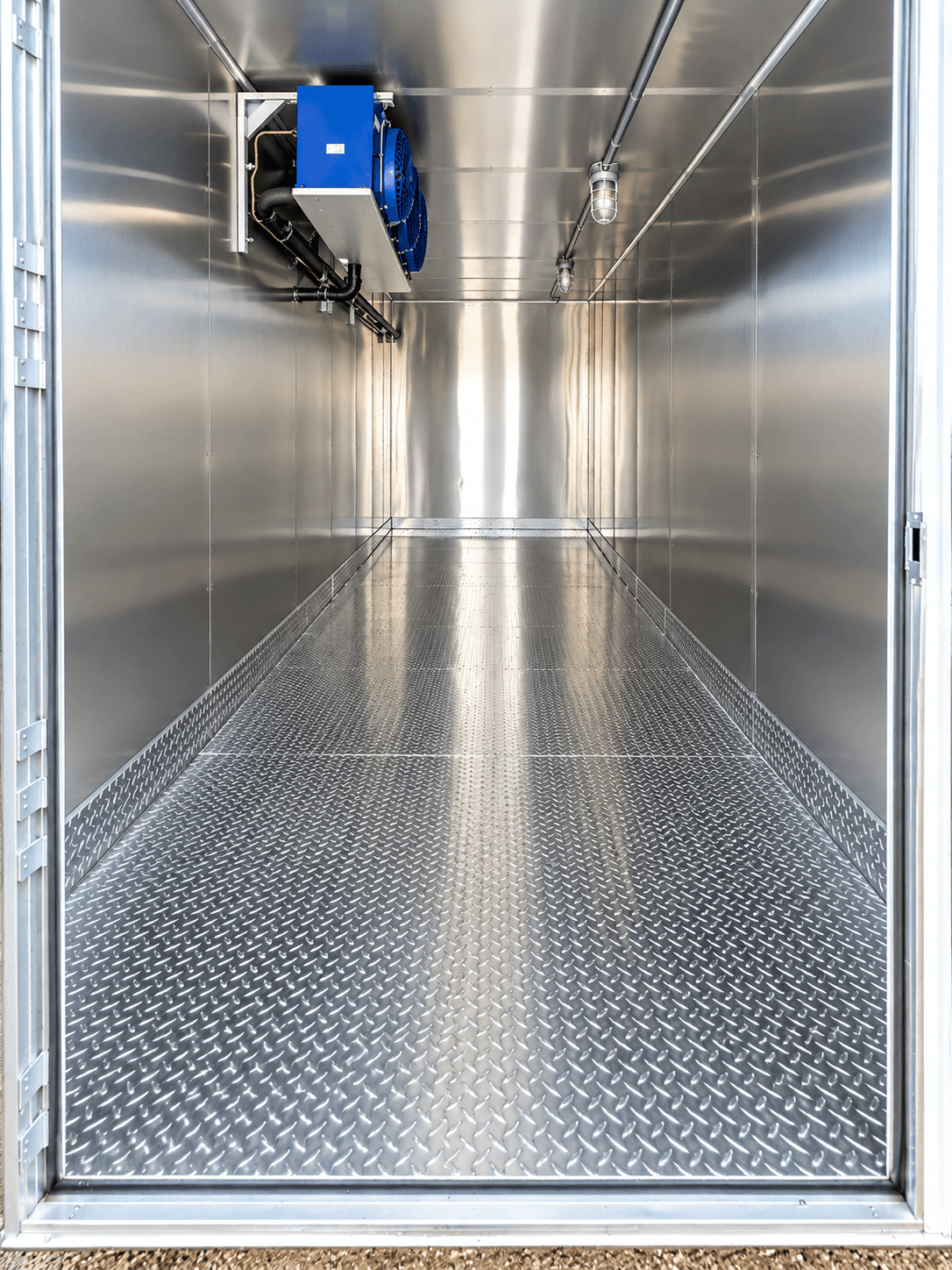
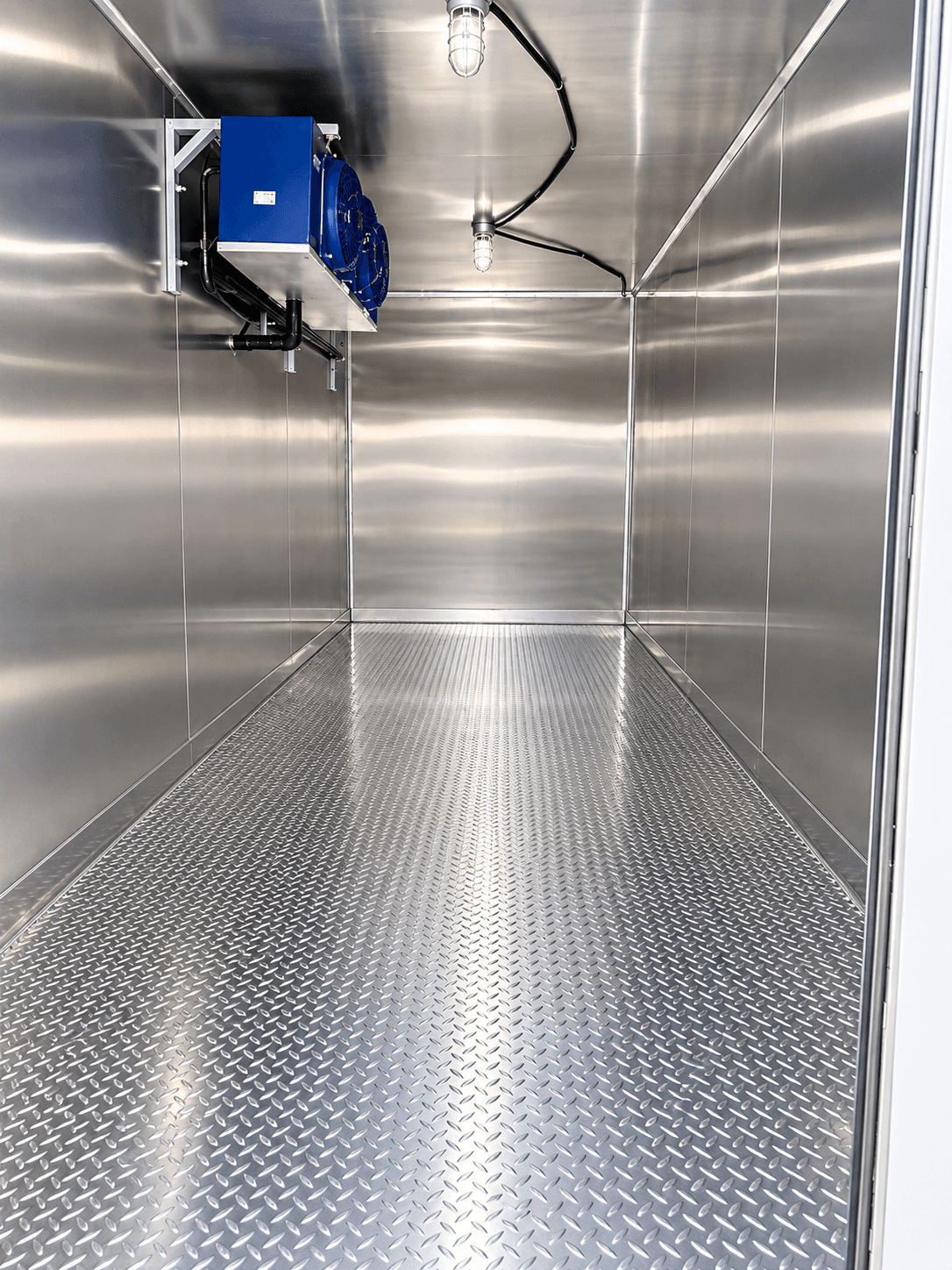
The container page covers the relationship between products, usable space, placement and daily access. It is useful when a team is considering temporary storage alongside an existing commercial operation or planned building work. Read it with the site in mind: where equipment could stand and how staff would move products to and from it.
Note the questions you need answered about the actual proposed unit, including entrance details, configuration and electrical requirements. A general equipment category is only the beginning of a specification. Bring the product conditions, likely capacity and project dates to the inquiry so the proposal can be reviewed against those needs.
Coordinate a rental for government food-service facilities
A government meal service team in Kentucky or West Virginia can identify which proposed dates are provisional before the purchase representative reviews the equipment and transport scope. Have the property and food-service contacts review the receiving route together before the purchase representative treats a proposed position as agreed.
Explore refrigerated trailer rental information
The trailer page focuses on the working route, transport arrangements and the timing of events or commercial projects. Use it to think through preparation, active use and clear-out. For catering, the storage period may begin before the public event and continue while remaining stock is removed afterwards.
For a breakdown or renovation, consider how trailer access would connect with the kitchen's normal workflow. Include shared loading areas and property restrictions in your notes. Ask who handles delivery, positioning and collection, and request connection details for the unit being considered. These questions help turn a broad trailer inquiry into an arrangement your site team can assess.
Use the equipment planning details as a checklist
The details guide brings storage conditions, capacity, working layout, access and electrical preparation into one planning process. It can help when different people hold different information. A kitchen contact may define the products, while a facilities or project contact knows the property and schedule.
Use the guide to prepare a shared brief and identify who will answer the remaining questions. Ask for actual unit information before arranging work around equipment dimensions or connections. The page supports planning rather than providing a set of drawings. Keep the latest proposal with the brief so the team receiving equipment has the same information as the person arranging it.
Find pricing questions and request a current proposal
The price page preserves dated historical tables and explains how to read them. Use it to identify categories of questions about equipment, rental periods and transport. For a present project, request a current quote using the actual address, storage requirement and dates. Availability and applicable terms need to be confirmed in that proposal.
Compare the complete scope: equipment description, period, delivery, collection, charges and responsibilities. If a figure appears lower, check whether it covers the same arrangement. Ask how extensions or changes are handled and keep any clarification with the quote. That is more useful than treating an old figure as a booking total.
Find location information for an address-specific inquiry
The location directories lead to existing area pages. Use them to find relevant background, then provide the property address and intended receiving entrance when contacting the team. Include known restrictions, the proposed position and the name or role of someone who can answer site questions.
A directory listing is not a substitute for reviewing the actual location. Access, electrical preparation and the project program still need discussion. If a request covers several properties, keep their details separate so equipment and transport arrangements are associated with the correct site. Ask what can be proposed for each address and schedule.
Use the contact pages to bring the request together
The main contact page helps organize a first inquiry, from products and conditions to the delivery location and expected period. The project handover contact guide focuses on the people who approve, receive and use the equipment. Choose the guidance that helps you close any gaps in the brief.
Use the telephone contact shown on this site if an online inquiry cannot be completed. A message or conversation begins the process; it does not reserve equipment. Before relying on a rental, confirm the proposed equipment, availability, charges and responsibilities. Share the agreed information with the team that will be present at the property.
Return to the plan as the project develops
Repairs, building works and events can change after the first inquiry. Update the storage brief when the load, address, access or dates change, and ask whether the proposal needs revision. Keep estimates distinguishable from agreed arrangements so an early planning assumption does not become a conflicting instruction.
Before collection, confirm the stock transfer and the point when temporary storage will no longer be needed. Ask about notice and changes using the agreed contact route. The guides on this site can help prepare the questions, while the current proposal provides the equipment and commercial details for your project.
Use the website directory to answer one decision at a time
The equipment pages explain different parts of the rental discussion, so you do not need to read every guide before making contact. Begin with the question preventing the next decision. If it is storage layout, use the container or trailer guide. If different people need to provide information, use the details guide to build the brief. If you are reviewing costs, use the price page to prepare questions for a current proposal.
Keep a short note of the answer you still need after reading. For example, you may understand why usable interior space matters but still need the entrance details for the proposed unit. That is a focused question to bring to the inquiry, rather than treating general guidance as the specification of an available item.
Follow related guides when the project includes more than refrigeration
The kitchen and dishwashing sections are relevant when a commercial operation loses preparation, cooking or washing space alongside its cold storage. Read the category guide first to describe the affected function, then use a model guide to prepare questions about the proposed layout. Model labels and reference photographs help the conversation but do not confirm an appliance package or capacity.
Bring these requirements into one project description while keeping each function clear. Explain where products enter storage, where food is prepared and where used items return for washing. Ask which equipment can be considered for each part. This helps a reader move between related guides for a practical reason, without assuming every temporary facility is needed.
Discuss your cold storage rental.
Confirm the equipment, delivery location, and rental period that fit your project.
Request availability