BXRT20–1Refrigerated trailer
- Nominal length
- 20ft
- Listed electrical supply
- 220V · single-phase · 40–60A
- Inventory temperature label
- 32°F
Temporary cold storage in Elgin, Illinois
An Elgin caterer can need cold storage for the next function when a commercial walk-in cooler or freezer breaks down. Worldwide Refrigerated Container Rental Facilities offers refrigerated containers, refrigeration trailers, portable coolers and freezers for emergency repairs, planned renovations and temporary stock overlaps. Mobile kitchen and dishwashing trailers can support separate cooking and cleanup requirements. Caterers, restaurants, schools and other commercial food-service teams can explore short-term rentals or longer leases. Equipment selection and delivery coordination account for the actual property, product conditions and dates when each load arrives and leaves. Request availability and a project quote from our team.
Emergency cooler or freezer failure in Elgin? A person answers rental inquiries 24/7. Availability and delivery timing are confirmed in your quote.
Plan your rental budget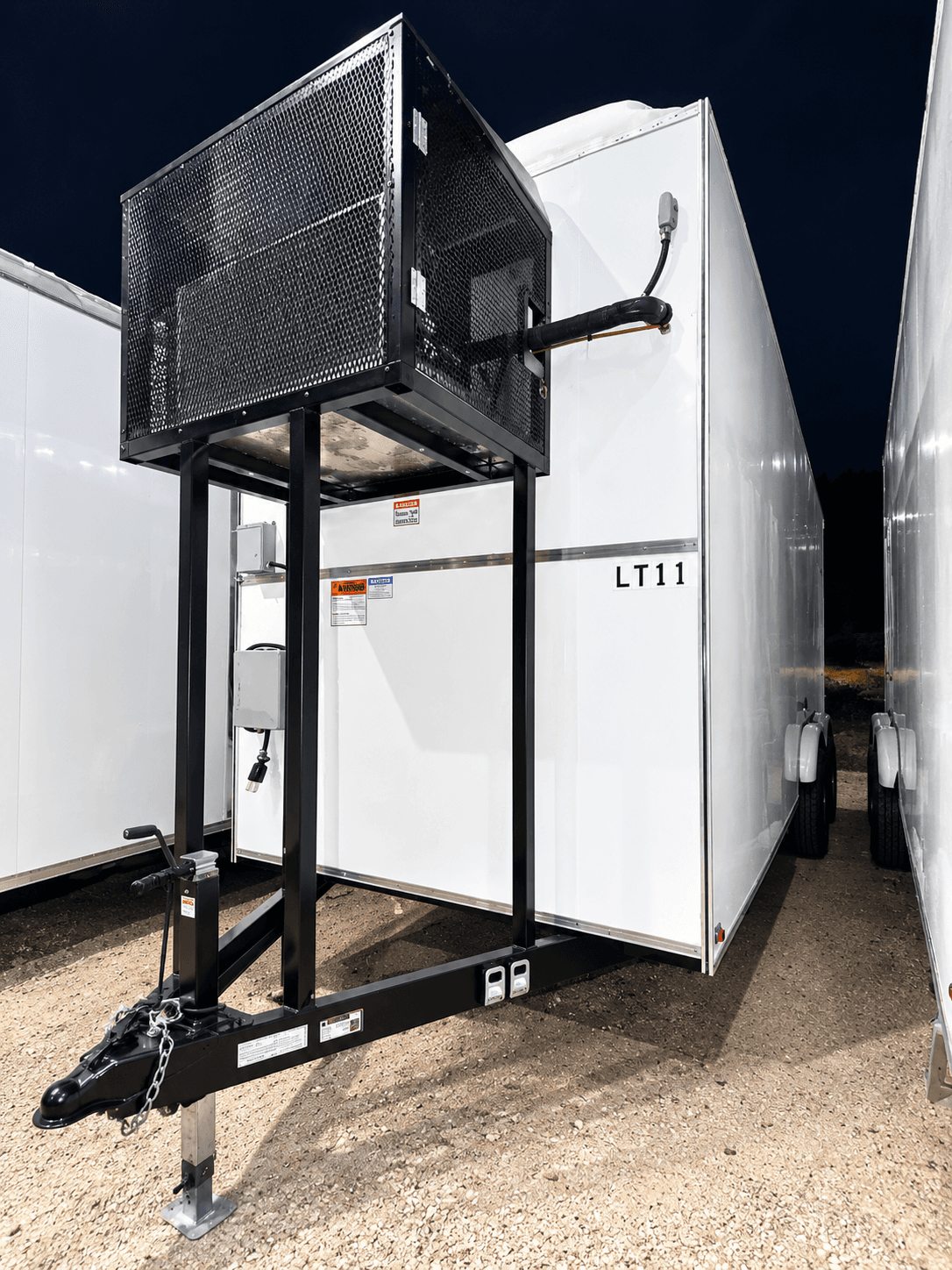
Compare the equipment
These published examples describe named company units. The supplied equipment, configuration and availability are confirmed for your project address.
Listed refrigeration trailer equipment: condensing unit, amps panel, lighting.
Equipment records reviewed October 19, 2026. Temperature labels are inventory labels, not verified operating ranges. Nominal length is a model label, not a measure of usable space or site footprint.
List the stock held for each service and identify the time when those groups occupy storage together. Include packaging and the containers used for dispatch, not only ingredients. Give commonly retrieved items a recognizable position. A temporary room should let staff follow the preparation sequence without moving one event's stock repeatedly to reach another's.
An Elgin kitchen preparing for a South Elgin function may need holding at the preparation address before dispatch. A Sleepy Hollow property could instead require its own equipment during a refrigerator closure. If West Dundee is part of the job, identify whether it is a preparation, service or storage location. Those distinctions connect nearby coverage with actual work rather than combining different addresses into one vague request.
To turn this local picture of catering and repairs into an equipment shortlist, start with the 20ft Refrigerated Trailer guide and its notes on floor height for carts and hand trucks and simple rules when several teams share one unit.
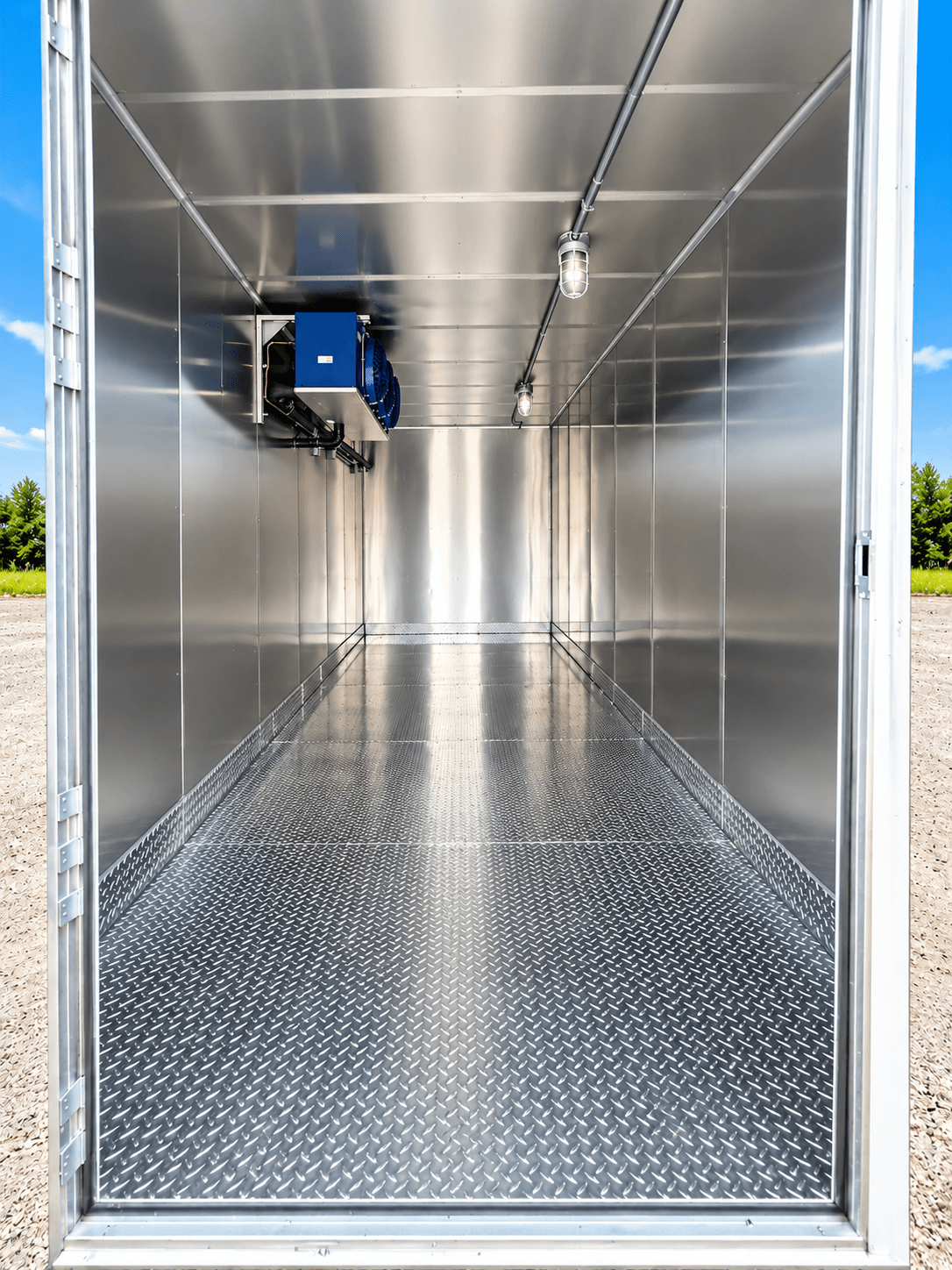
Separate chilled and freezer needs and explain their required conditions. Include dimensions for carts, large cases or food containers. Compare the proposed trailer, refrigerated container or portable cooler using its confirmed entry and usable layout. Ask about shelving where it changes product organization and make clear how often staff enter during preparation and service.
Several neighboring guides cover situations that resemble parts of an inquiry from Elgin. Aurora’s guide is organized around food-service transitions. A separate comparison is Naperville’s guide, which covers planned food-service work. Use them to prepare questions, not to infer availability or terms for Elgin.
A bulk load removed in a few stages may need a different arrangement from ingredients retrieved repeatedly. Discuss that access pattern alongside the maximum quantity. Confirm the final equipment configuration in the quotation rather than inferring it from representative images. If several different product conditions are required, discuss separate or otherwise suitable confirmed arrangements before committing to the booking.
For healthcare food-service rentals in Elgin or Sleepy Hollow, Illinois, the proposed equipment position should be discussed alongside the employee route and the facility's receiving arrangements. Ask the responsible food-service manager to identify any handling assumptions that need clarification before the facility compares proposed equipment and layouts.
Provide current photographs of the entrance, approach, intended position and stock route to the kitchen. Note tight turns, overhead obstacles, surface concerns and ordinary receiving activity. Identify when contractors or event crews use the same area. Preserve required routes and clearances throughout the period, including a workable approach for collection after setup or construction changes the property.
Another nearby guide, Waukegan’s, covers food-service continuity. Use it as a prompt for your own questions about timing, access and storage.
NOAA describes Illinois's strong seasonal differences and geographic climate contrasts. Apply that state context by discussing the actual Elgin site's drainage, exposure and intended period. Obtain the offered equipment's electrical requirements and arrange appropriate review of the available connection. Confirm property permission alongside the practical placement details so the agreed arrangement can be prepared before loading.
An event booking can need early receiving and final clearing outside the public function hours. A renovation includes stock transfers before closure and after permanent equipment is ready. For an urgent failure, explain the affected product groups and next deadline while responsible staff follow established safety procedures for goods exposed to the interruption. Rental options do not replace that product assessment.
Ask for an Elgin proposal that links the equipment, use period, address, transport and collection, with additional charges identified. Discuss uncertain work milestones and related kitchen or dishwashing rentals sharing the site. Keep a clear receiving and stock-check routine for each shift, reviewing it when the preparation pattern or supplier quantities change during longer temporary use.
Keep the person ordering ingredients informed about the temporary layout. A routine replenishment order may overlap with held event stock in a way that does not happen during normal service. Reviewing that next order helps the kitchen protect the useful working space it planned in the rental.
Before you book
Describe the stock for both jobs and the point when it overlaps. Include required conditions, packaging and staff retrieval needs. Confirm the offered configuration against that combined working load rather than assuming capacity for one event automatically accommodates another preparation cycle at the same time.
Give the address, affected equipment, product requirements and next operating deadline. Estimate the quantity needing storage and describe a potential site position. Continue the facility safety response for exposed goods while equipment, transport and the temporary working arrangement are discussed with the rental team.
Review it after the first busy preparation period and whenever the menu or supplier schedule changes. Staff can identify goods that are hard to reach or an overlap missed in the original estimate. Keep labels, rotation and responsibility for receiving clear throughout the rental.
These public references inform the planning examples; equipment availability and delivery arrangements are confirmed for your address.
Temporary refrigeration, kitchens and dishwashing can support many kinds of food-service operations. Each setting below starts with its own schedule, stock and site questions, and every project is reviewed individually.
Hotels, restaurants and resorts can plan temporary refrigeration around breakfast, banquet and dinner service when a walk-in cooler fails or a kitchen is refurbished.
Hospital, nursing home and care-facility kitchens can describe meal schedules, delivery times and displaced stock so temporary storage follows the food-service routine.
Municipal, county and public-building food-service teams can outline receiving arrangements, responsible contacts and project dates before a quote is prepared.
Dining facility managers can explain the products displaced, the receiving arrangements and the proposed period, then review availability and terms with our team.
Schools, colleges and universities can plan around term dates, serving windows and campus kitchen renovations so meal service can continue during repairs or construction.
Plant cafeterias and employee dining areas can describe shift patterns and staged building work so temporary cold storage can be reviewed against the working schedule.
Caterers and venues can plan preparation windows, event days and overflow ingredients, and describe how stock moves between storage, the kitchen and service.
Producers, wholesalers and distributors can describe loading, staging and storage needs when a cooler breaks down or demand temporarily exceeds capacity.
These examples describe planning situations. Equipment, availability and terms are confirmed in a project quote.
Cold storage is only one part of a project. These are the questions we work through with you before anything is booked.
Start with refrigerated containers and refrigeration trailers, then add a temporary kitchen or dishwashing trailer when the project needs one, all in a single conversation.
Access, utilities and the intended position are reviewed before delivery is arranged, so the equipment is matched to your site rather than the other way around.
Whether a walk-in cooler failed this morning or a renovation is months away, describe the real situation and plan around the stock, dates and people involved.
Planning guides cover all 50 states and more than 700 cities. Your address is then confirmed for equipment and delivery.
Use the rental calculator for a rate-range estimate and setup amount, then request a project quote that confirms availability, transport and the rental period.