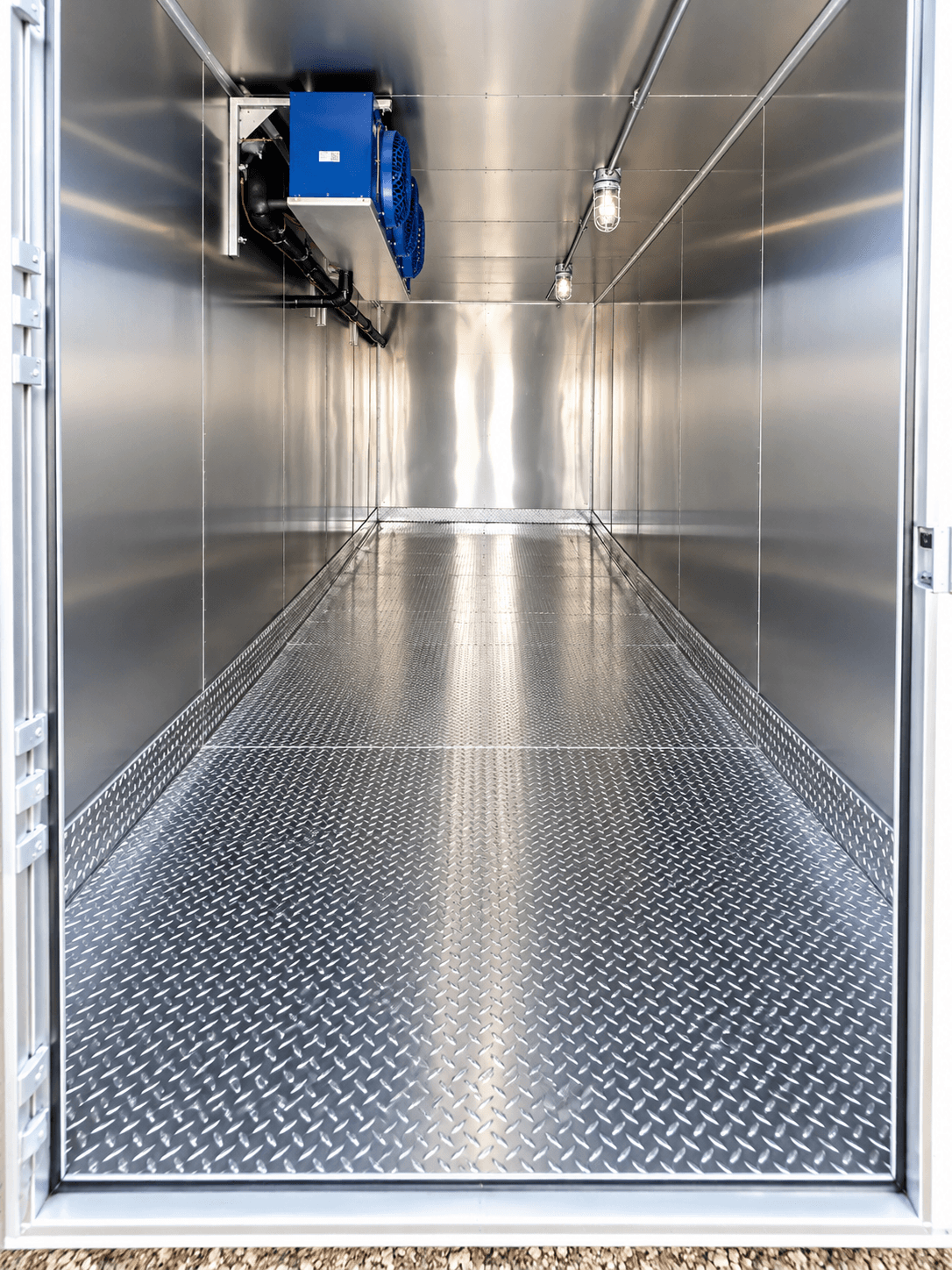
Compare the actual details
Rental equipment specifications
Compare the named unit examples below, including their listed power and equipment. Each model page also displays its specifications and complete published equipment list.
| Rental model | Named unit specifications | Equipment highlights |
|---|---|---|
| 12FT Refrigerated Trailer |
|
|
| 20FT Refrigerated Trailer |
|
|
| 20FT Refrigerated Container | Share what you need to store and where the container will stand. Your quote confirms its power, temperature setting and usable space. | Open the guide for photographs and model details. Your quote confirms capacity and connections for the unit assigned to your project. |
| 40FT Refrigerated Container | Share what you need to store and where the container will stand. Your quote confirms its power, temperature setting and usable space. | Open the guide for photographs and model details. Your quote confirms capacity and connections for the unit assigned to your project. |
Details come from named units in our equipment records (reviewed October 19, 2026). Your rental proposal confirms the unit and configuration supplied. Nominal length is a model label, not the interior space.
Temperatures shown are inventory labels, not verified operating ranges. Your quote confirms the plug type, usable space and settings for the unit assigned to your project.
Turn a general request into a working equipment brief
Start with the function that temporary refrigeration must replace or support. Write down the products, their packaging and the conditions they require. Add the quantity expected at the busiest point and the way stock will enter and leave storage. This creates a useful specification without guessing which unit is available or suitable.
Separate requirements from preferences. An essential storage condition, a packaging clearance and a preferred position are different kinds of information. Mark uncertainties that need review rather than presenting them as settled facts. A rental discussion can then focus on the questions that matter before a proposal is compared or a booking is considered.
Distinguish overall size from a usable working layout
Exterior dimensions describe the equipment envelope, but they do not describe the full working experience. Ask about interior space, the entrance and any features included in the proposed unit. Consider the room needed to reach products and carry out the expected loading pattern. Packing every visible space may not produce an arrangement your staff can use effectively.
If the project has a particular access or handling requirement, explain it with the inquiry. Ask for the equipment information needed to check that requirement. This page is a planning guide, not a set of unit drawings; confirm dimensions and layout details from the actual proposal before designing the site around them.
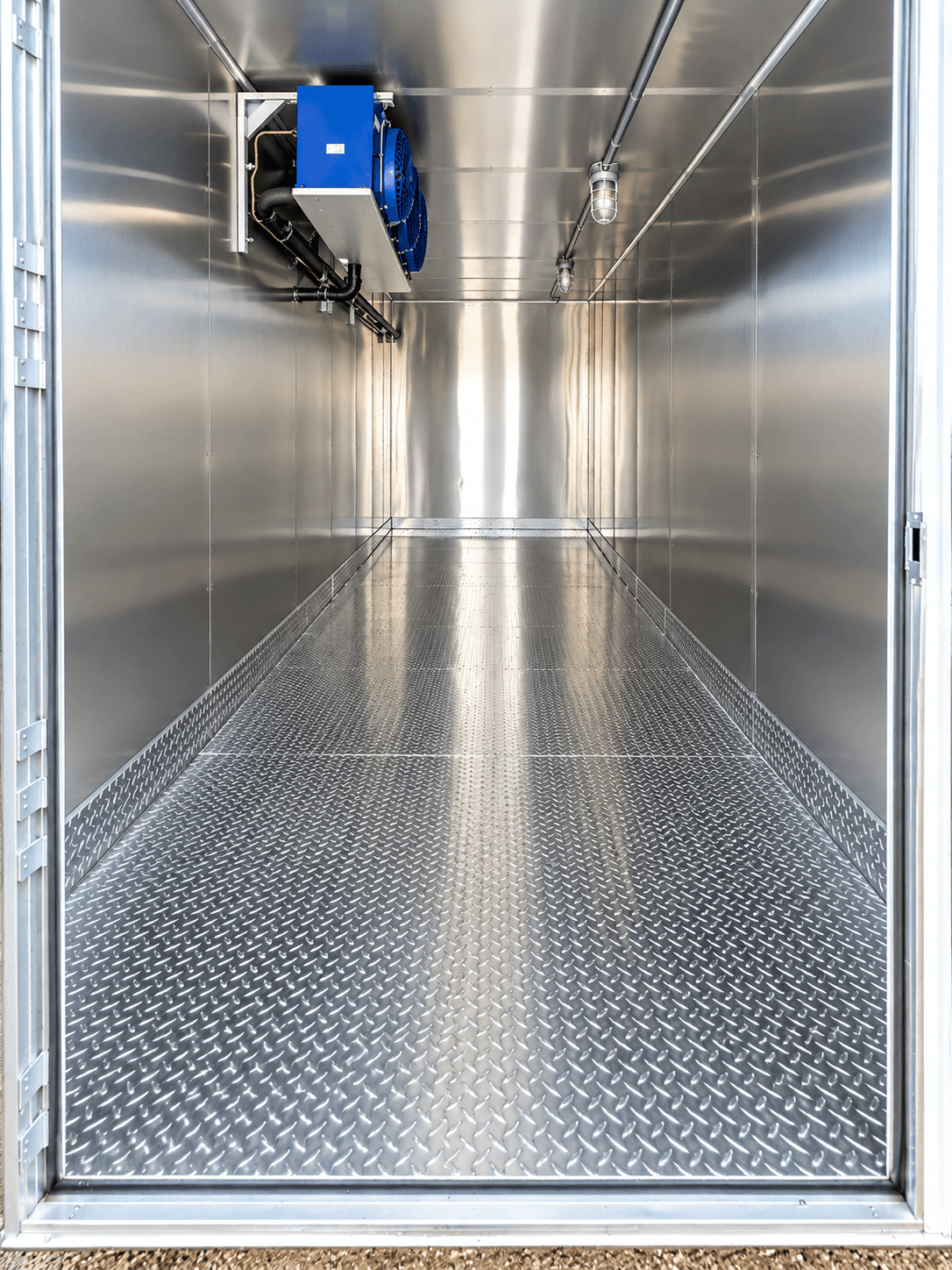
Prepare a rental brief for military dining
A military dining manager planning temporary food service in Alaska or Hawaii can identify which parts of the arrangement are known and which require the authorized representative's review. State the meal service requirements and the dates currently known, marking any timing or receiving assumptions for review by the authorized contact.
Record the storage conditions separately from capacity
Capacity and temperature are different questions. A large space is not a substitute for equipment appropriate to the products, and a suitable storage condition does not confirm that enough usable space remains for the load. Describe chilled and frozen needs clearly and explain whether they concern separate groups of products.
Keep your operational procedures and responsibilities in view when discussing the equipment. Ask what operating information is available and what checks are expected during the rental. Avoid copying a specification from another unit or assuming an existing walk-in's configuration will be reproduced exactly. The proposal should address the temporary arrangement on its own terms.
Review the site as a sequence of movements
Look beyond the final equipment position. Describe the approach for delivery, the place where staff will receive the unit, the route products will follow and how collection can occur. Shared loading areas, building work and occupied public routes may all affect that sequence. Give the site contact an opportunity to identify restrictions before arrangements are agreed.
Consider whether the position remains practical throughout the project. A construction phase might use an access route that was clear initially, or an event might change receiving arrangements after setup. Include those changes in the brief. Ask how any proposed adjustment would be reviewed instead of assuming equipment can be moved without coordination.
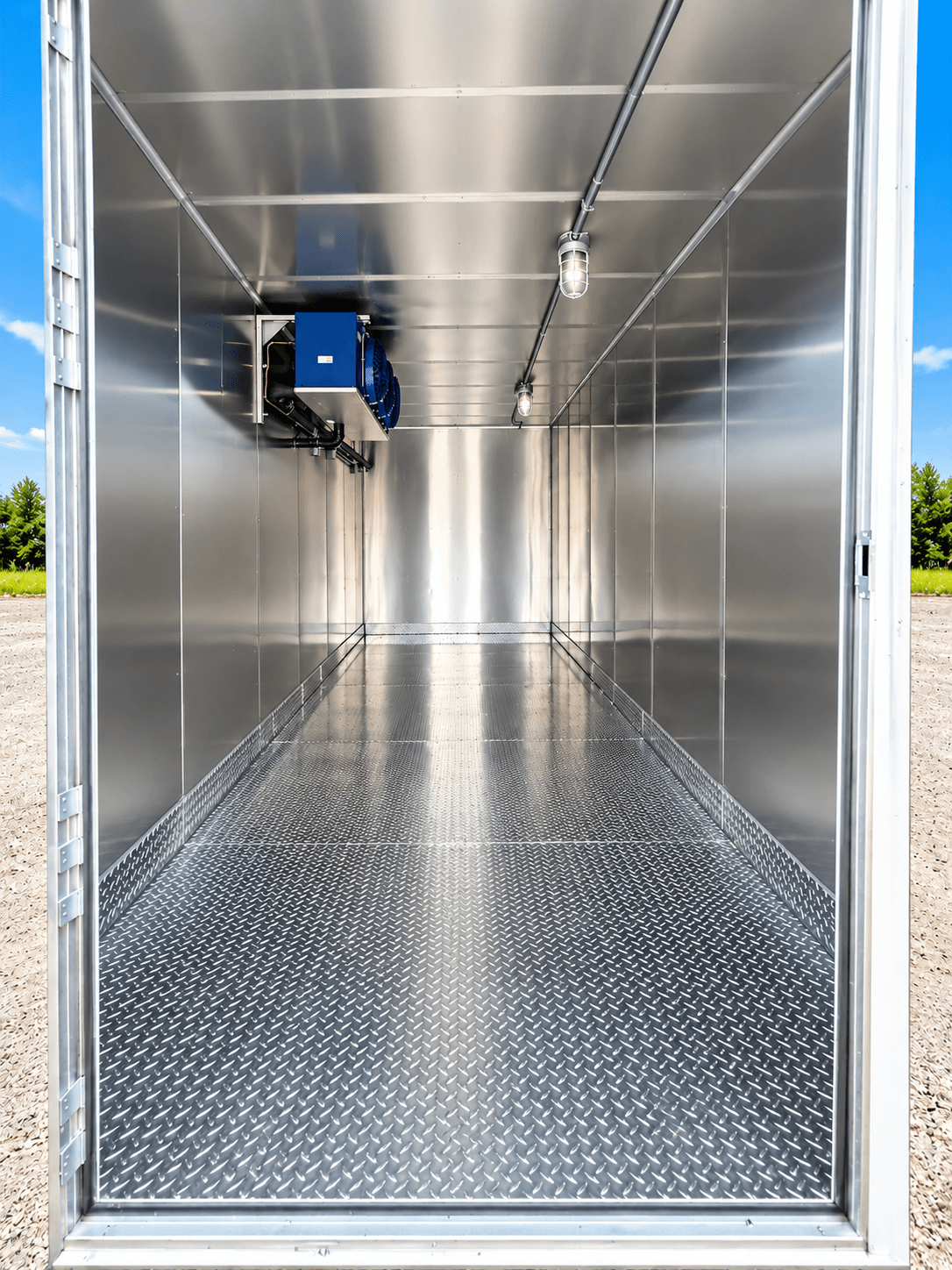
Ask for electrical requirements before commissioning work
Provide the electrical information known about the intended location and request the requirements of the proposed equipment. Be clear when information has not yet been checked. A site description, a general equipment category or a photograph does not establish connection compatibility. The appropriate people need the actual proposal before they can assess preparation.
Agree who will review the supply, arrange any required work and confirm readiness. If an electrical contractor or property manager is involved, identify their role and expected timing. Bring those dependencies into the project schedule so a rental date is not mistaken for confirmation that every other part of the setup is complete.
Map the temporary requirement to project milestones
Write down when storage is first needed, when permanent refrigeration becomes unavailable and when the temporary arrangement might end. A repair estimate, renovation completion date and final commissioning date are not always the same milestone. Showing the dependencies helps explain why the required period may be uncertain.
Ask about the terms that can be proposed for a short rental or a longer lease, and how extensions would be requested. Do not choose a term solely from an archived minimum or an old price table. Confirm the current proposal against the actual schedule, including product transfers and the point at which collection can be arranged.
Compare proposals against the same specification
A meaningful comparison uses the same equipment requirement, address, dates and transport scope. Ask each proposal to make its inclusions and customer responsibilities clear. Note any differences in usable space, connections, delivery or collection arrangements rather than comparing only a headline rental figure.
Keep the latest equipment details and agreed charges with your project brief. If a proposal changes after access or connections are reviewed, make sure the updated scope is clear. Ask for clarification wherever the arrangements differ. The useful outcome is a quote that your team can assess against the same working specification, with responsibilities and expected dates understood.
Give the receiving team a clear handover record
Bring the agreed equipment description, site position, access instructions, contacts and preparation responsibilities into one record. Share it with the people present for delivery and those responsible for using the storage. Ask what information should be checked at handover and how an issue should be reported.
Plan the closing stage as carefully as the arrival. Identify who will empty the temporary storage, confirm that permanent refrigeration is ready and coordinate collection. If the schedule changes, use the agreed contact process to request revised arrangements. Contact the team with your brief to discuss equipment suitability, current availability and a quote.
Write requirements that a proposal can answer
An equipment brief works best when each important statement can be checked against the proposal. Instead of “we need a large freezer,” describe the products, packaging, expected peak load and required storage conditions. If a packaging clearance matters, supply the actual measurement your team has recorded and ask for the proposed entrance information. This keeps a preference such as “near the kitchen” separate from a requirement that determines whether the equipment can be used.
Mark the source of each uncertain detail. For example, a facilities contact may still be confirming the available supply while a kitchen manager has already documented stock movements. Naming the person checking each question gives the rental conversation a useful next step. It also prevents an unchecked detail from being repeated later as an approved specification.
Review a changed proposal before accepting it
If the equipment offered changes during discussions, compare it with the original brief again. A different description may affect usable space, access or the preparation another contractor is arranging. Ask which details have changed and which remain the same rather than assuming an earlier review applies to every alternative.
Keep a dated copy of the accepted description with the project record. Tell the receiving team which earlier version it replaces and highlight any preparation that needs reconsideration. This is especially useful when purchasing, facilities and kitchen staff review different parts of the arrangement. The goal is one understood proposal that can be checked against the work.
Discuss your cold storage rental.
Confirm the equipment, delivery location, and rental period that fit your project.
Request availability