The price list below was captured on December 1, 2023. Please call to confirm current rates, delivery charges, and availability.
Compare the equipment
Specifications for your rental planning
These published examples describe named company units. The supplied equipment, configuration and availability are confirmed for your project address.
BXRT20–1Refrigerated trailer
- Nominal length
- 20ft
- Listed electrical supply
- 220V · single-phase · 40–60A
- Inventory temperature label
- 32°F
MT1Refrigerated trailer
- Nominal length
- 20ft
- Listed electrical supply
- 220V · single-phase · 40–60A
- Inventory temperature label
- 15°F
LT2Refrigerated trailer
- Nominal length
- 20ft
- Listed electrical supply
- 220V · single-phase · 40–60A
- Inventory temperature label
- -5°F
K1Mobile kitchen
- Nominal length
- 24ft
- Listed electrical supply
- 220V · single-phase · 200A
- Single-stack convection oven
- Griddle/oven combination
- Six-burner range/oven combination
- Deep fryers
D1Dishwashing trailer
- Nominal length
- 22ft
- Listed electrical supply
- 220V · single-phase · 150A
- Machine classification
- Low-temperature push-through dishwasher
- Push-through low-temperature dishwasher
- Soil tray
- Three-compartment sink
- Scraping table
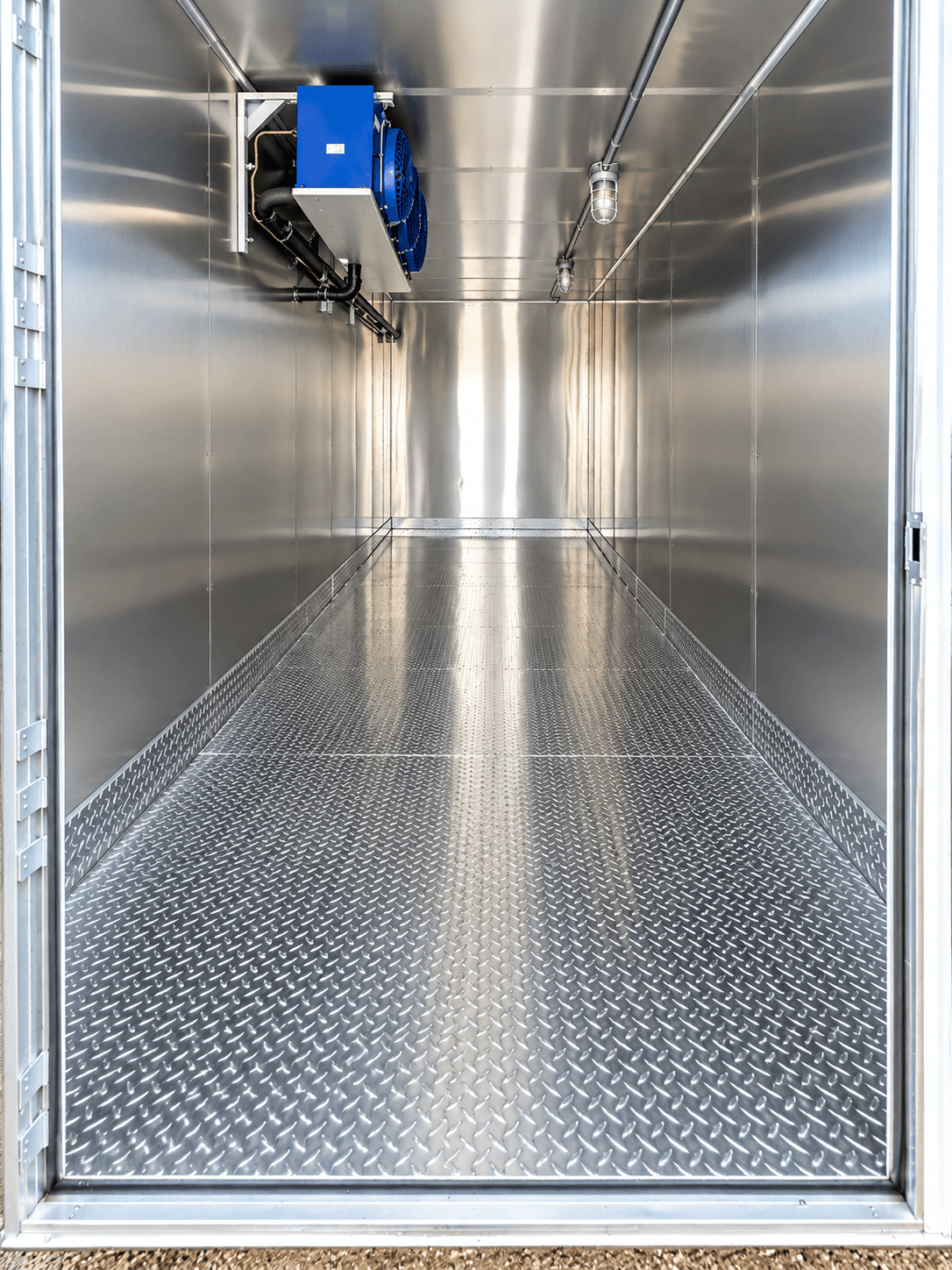
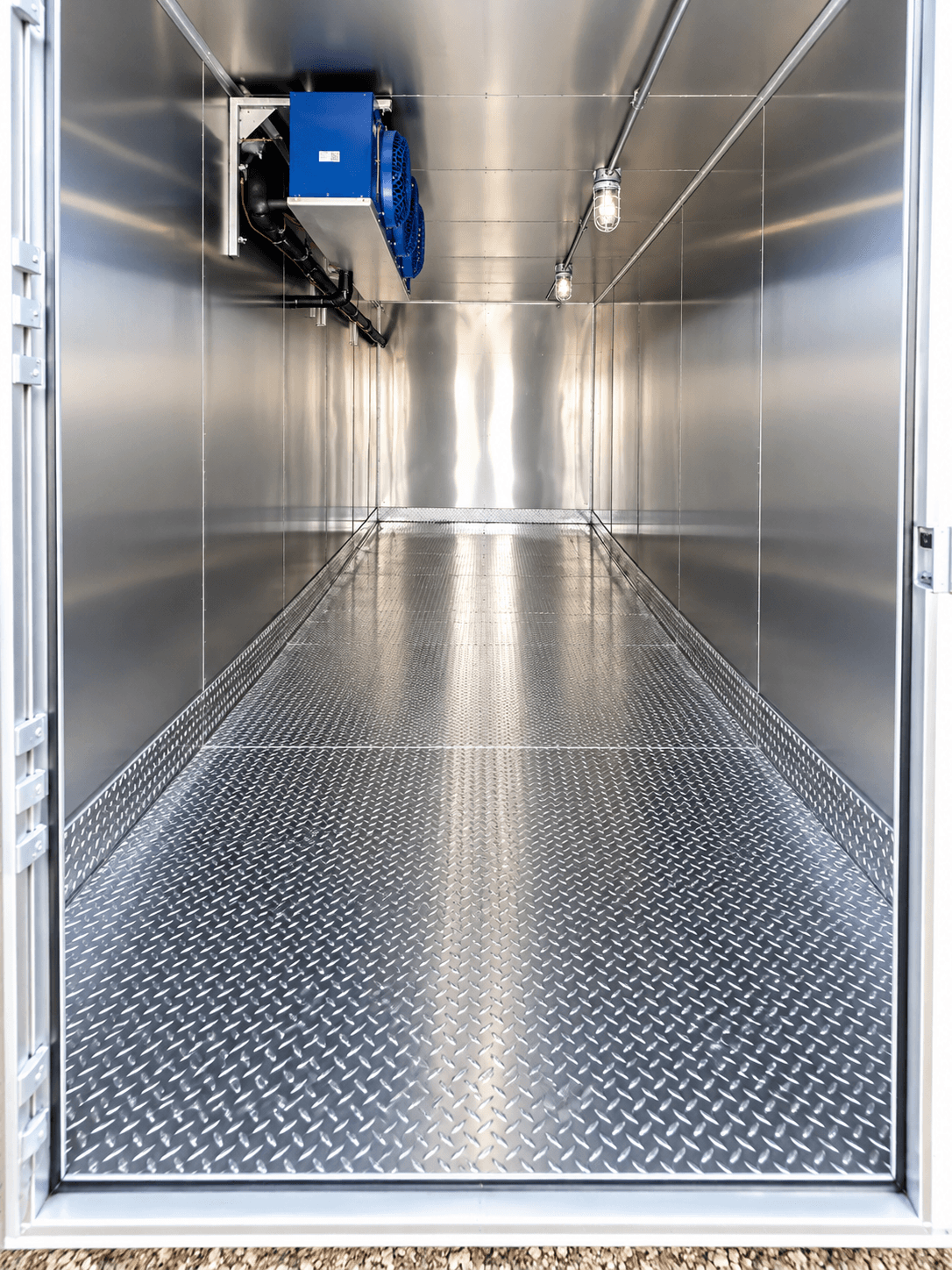
Listed refrigeration trailer equipment: condensing unit, amps panel, lighting.
Other cold-storage model details
- 12FT Refrigerated TrailerBXRT12–1 and BXRT12–2 list 220V · single-phase · 40–60A and a 32°F inventory label. Both are named as 12ft models, but their records also mention 20ft, so your quote confirms the length.
- 20FT Refrigerated ContainerYour quote confirms this container’s power, temperature and storage space for your project.
- 40FT Refrigerated ContainerYour quote confirms this container’s power, temperature and storage space for your project.
Equipment records reviewed October 19, 2026. Temperature labels are inventory labels, not verified operating ranges. Nominal length is a model label, not a measure of usable space or site footprint.
Read these figures as a dated source record
The four tables below are preserved from the recovered price page captured on December 1, 2023. Their wording, figures and empty cells remain as recorded. They show historical information rather than a current price list, equipment inventory or promise of availability. An amount in one table should not be combined with another to calculate a present booking total.
Some entries use different equipment labels or price formats, and an empty cell does not explain whether a service was unavailable or simply not priced there. Ask for clarification in a current proposal. Keep the historical record separate from the equipment and commercial terms offered for your actual request.
The archived page was headed “Monthly Prices,” while the trailer table states weekly rates. Confirm the billing period for each item rather than assuming every figure covers the same duration.
Historical refrigeration and transport entries
| Refrigeration / Freezer 20ft Long x 8ft Wide: Rental $1,500 Min. Delivery: Min. $795 Take Away: $795 | Refrigeration / Freezer Containers 20ft-40ft : Rental $1,500 Min. Delivery: Min. $795 Take Away: $795 |
Coordinate a rental for government food-service facilities
During government building works in Mississippi or Tennessee, a food receiving entrance may change while employees continue using the property for their ordinary working day. Ask the agency representative which documents are needed to assess the proposal, without assuming the inquiry establishes an approved purchasing arrangement.
Historical refrigerated trailer entries
| Refrigerated Trailer Rentals | Price |
|---|---|
| 8x12 | $1495 / week |
| 8x20 | $1495 / week |
Historical container and chassis entries
| 20ft | 24ft | 40ft | |
|---|---|---|---|
| Refrigerated Containers | $1,895 to $2,495 | $1,895 to $2,495 | $1,895 to $2,495 |
| Container Chassis [Double Axle or Triple Axle] | $1495 to $2,495 | $1495 to $2,495 | |
| Dry Containers | $195 to $395 | $195 to $395 |
Historical cord rental entry
| 60FT to 100FT | |
|---|---|
| Cord Rental | 75$ |
Historical minimum periods also need current confirmation
The recovered page states: “We have a 3 day price rate minimum for all refrigeration trailers and a 30 day minimum price rate for refrigerated containers.” That sentence belongs to the same historical source record. It does not confirm the minimum term that applies to a new rental or lease inquiry today.
Explain the period you expect to need and ask which current terms can be offered. Include preparation, product transfers and the point when collection can take place. If the end date depends on a repair or construction milestone, identify that uncertainty and ask how an extension would be requested and priced.
Define the equipment before comparing the rental charge
Describe the products, their packaging, the required storage conditions and likely capacity. Ask whether a refrigerated container or trailer can be proposed for that task, and request the details of the actual equipment under consideration. Overall dimensions alone do not describe usable space, entrance arrangements or included features.
A quote should give you enough information to compare the proposed equipment with the operation's needs. If two options differ in configuration or access, note that difference alongside the price. A cheaper headline rental amount is not a like-for-like comparison when the storage arrangement or included equipment is different.
Review delivery and collection as part of the total
Provide the address, receiving entrance, proposed position and any known access restrictions. Ask which transport and positioning arrangements are included in the quote and which responsibilities remain with the customer. The historical delivery and take-away entries above should not be treated as current charges for your property.
Collection needs the same attention as arrival. Explain when the products can leave temporary storage and when the route will be available. Ask what notice applies and how a change would affect the proposal. Compare complete arrangements for the same address and dates instead of comparing an equipment charge with a package that also includes transport.
Clarify connection and preparation responsibilities
Tell the team what electrical information is known about the intended position and request the proposed unit's requirements. Identify who will assess the available supply and arrange any necessary preparation. Confirm whether any connection equipment is included and whether separate preparation needs to be arranged for the site.
Ask the proposal to distinguish equipment rental, transport and any separately arranged work. If another contractor or property manager is involved, include their timing in the plan. Clear responsibilities help you assess the full project cost without assuming that an equipment quote covers every task needed at the site.
Allow for schedule changes in the comparison
A fixed event period and an uncertain repair program present different planning questions. Explain when storage is first needed, what determines the end date and whether a longer lease is being considered. Ask how the offered term is measured and what happens if the project finishes earlier or later than expected.
Review extension arrangements, collection notice and any other applicable conditions in the current proposal. Keep those details with the quoted equipment and charges. When comparing options, use the same expected period and the same assumptions about changes. That makes differences in the commercial arrangement visible before a booking decision.
Request a current quote for your project
Bring together the storage requirement, address, site information, dates and receiving contact. Ask for a proposal that identifies equipment, availability, rental period, delivery and collection arrangements, applicable charges and customer responsibilities. Raise any uncertainty directly so the quote can be reviewed against the project as it is currently understood.
Use the contact details shown on this site to discuss the request. An inquiry does not reserve equipment, and the historical tables do not replace a current agreement. Before relying on the arrangement, confirm the accepted equipment and terms, then share the relevant information with the team receiving and using the temporary storage.
Resolve differences in two quotes before choosing between them
Consider an illustrative comparison where one current proposal separates equipment and transport while another presents a combined amount. Do not assume the combined figure includes every task or that a separate line represents an additional service. Ask each proposal to identify the same equipment period, delivery, collection and customer responsibilities. Record items that still need clarification before presenting a comparison for approval.
The historical tables on this page cannot fill those gaps. A dated transport entry does not explain what a current proposal includes, and an archived minimum period does not settle the billing basis of a new offer. Use the tables as background questions, then compare the answers supplied for the present request. No new price is implied by this example.
Compare the expected project period and a possible change
Ask how the proposal would apply if the expected end date moves. For a repair with an uncertain completion, the decision may depend on the extension process and collection notice as well as the initial rental amount. Request an explanation using the current terms; avoid calculating an assumed extension from an old weekly or monthly figure.
Keep the base request and the possible change distinguishable in your approval record. State which dates are expected and which alternative is only being considered. If the project changes after acceptance, seek a revised confirmation rather than treating an earlier pricing discussion as permission to extend. This gives the purchasing team a clearer view of the arrangement it is reviewing.
Discuss your cold storage rental.
Confirm the equipment, delivery location, and rental period that fit your project.
Request availability