Bring the different return streams into one brief
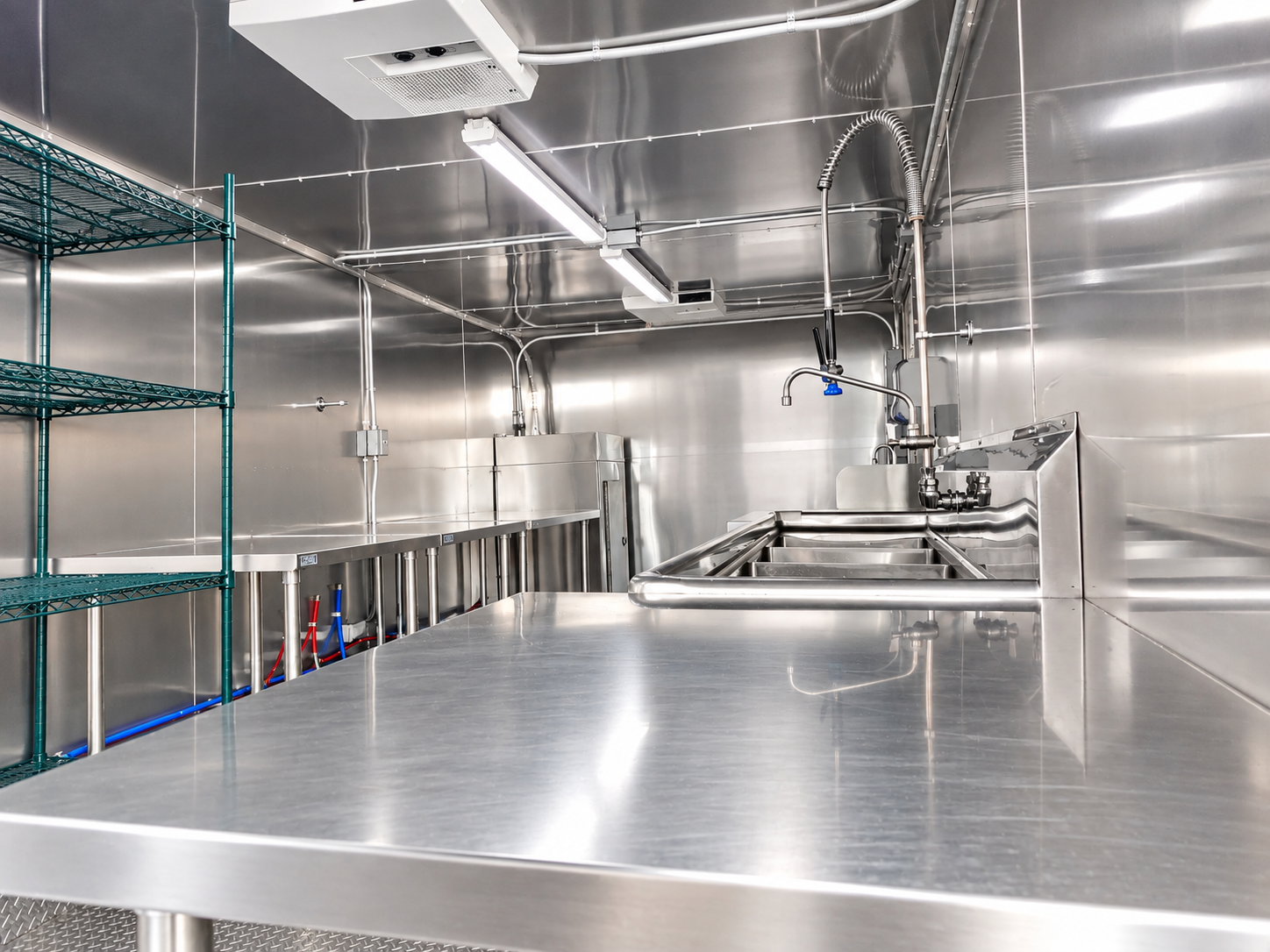
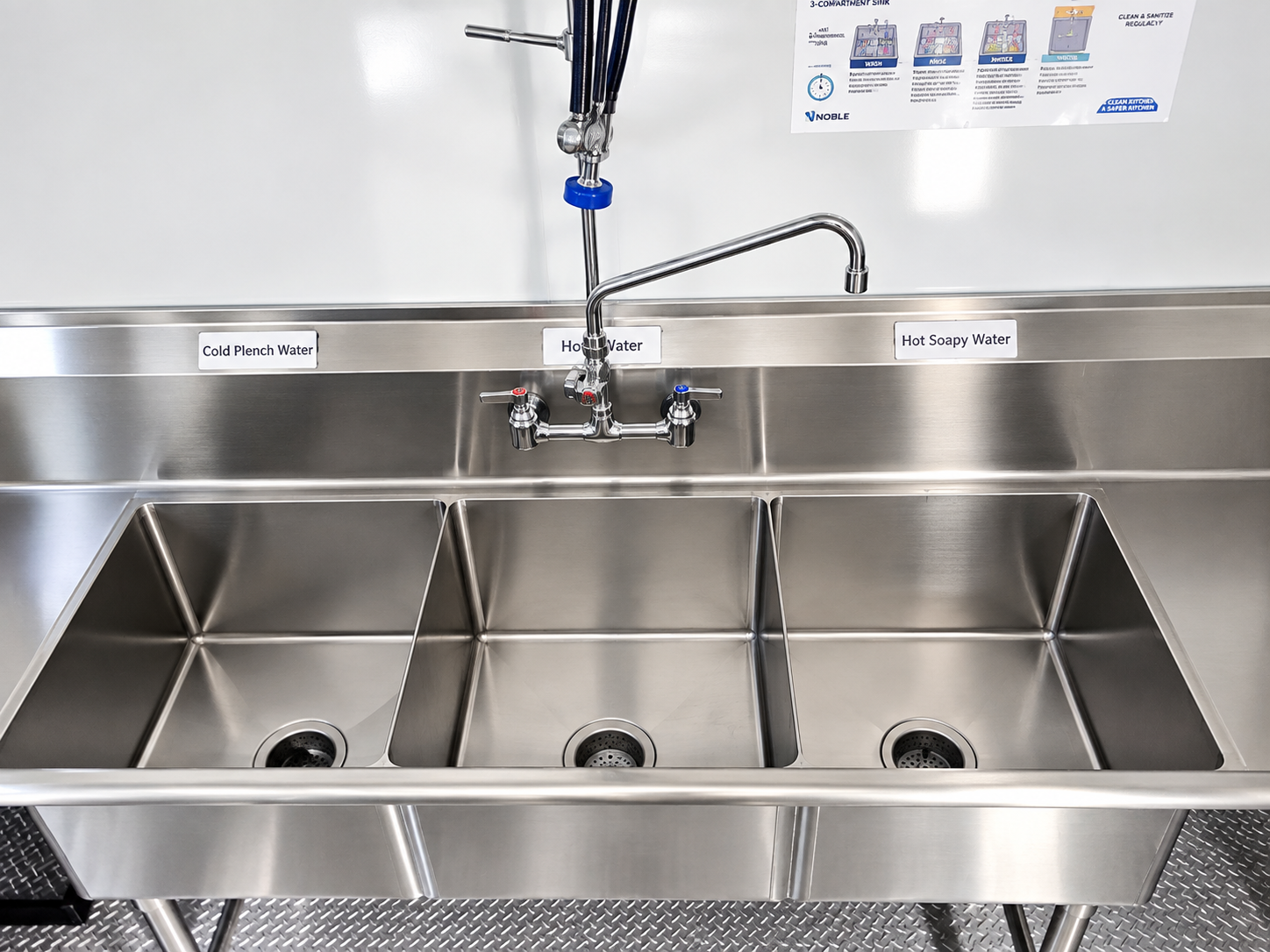
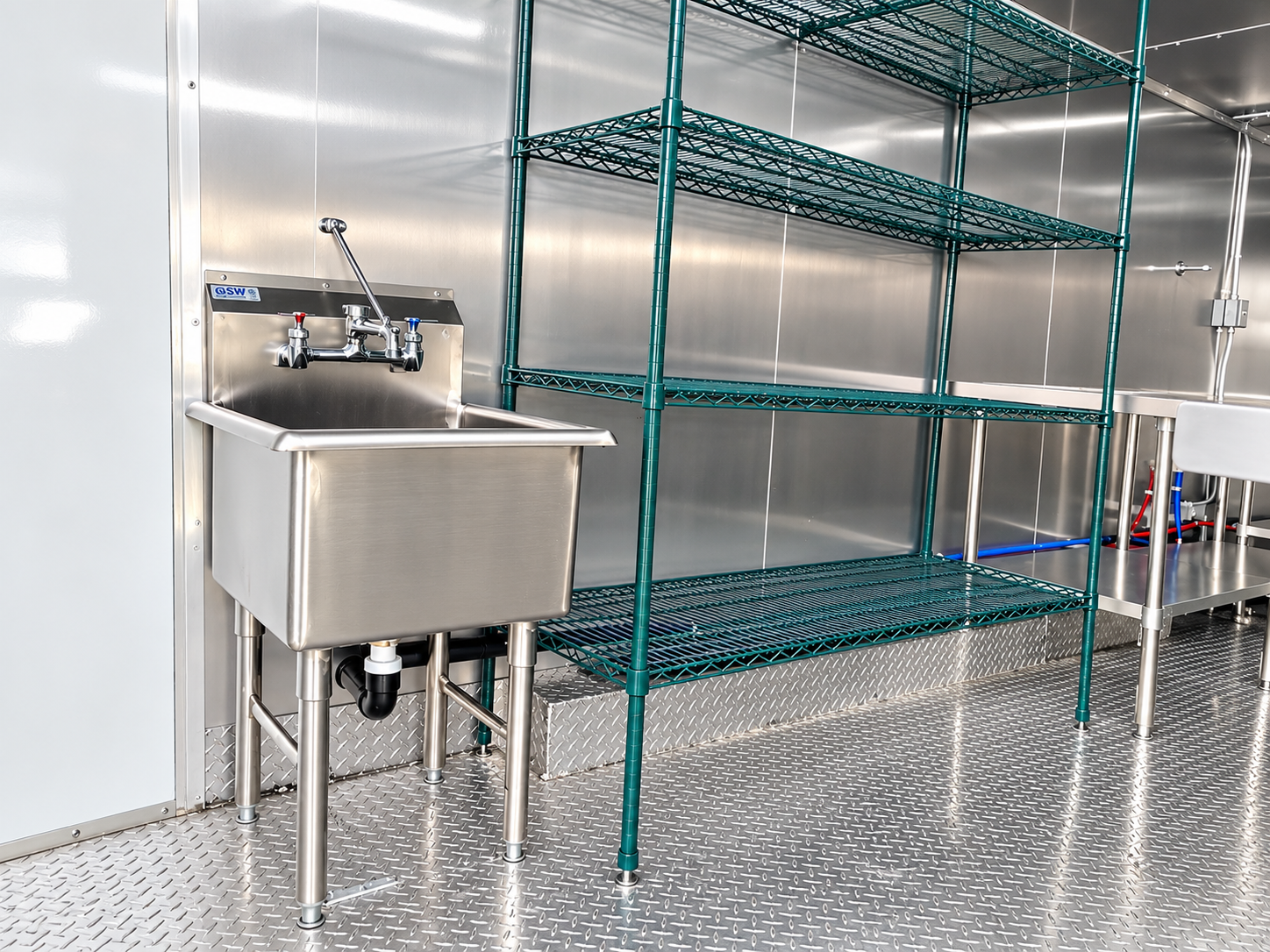
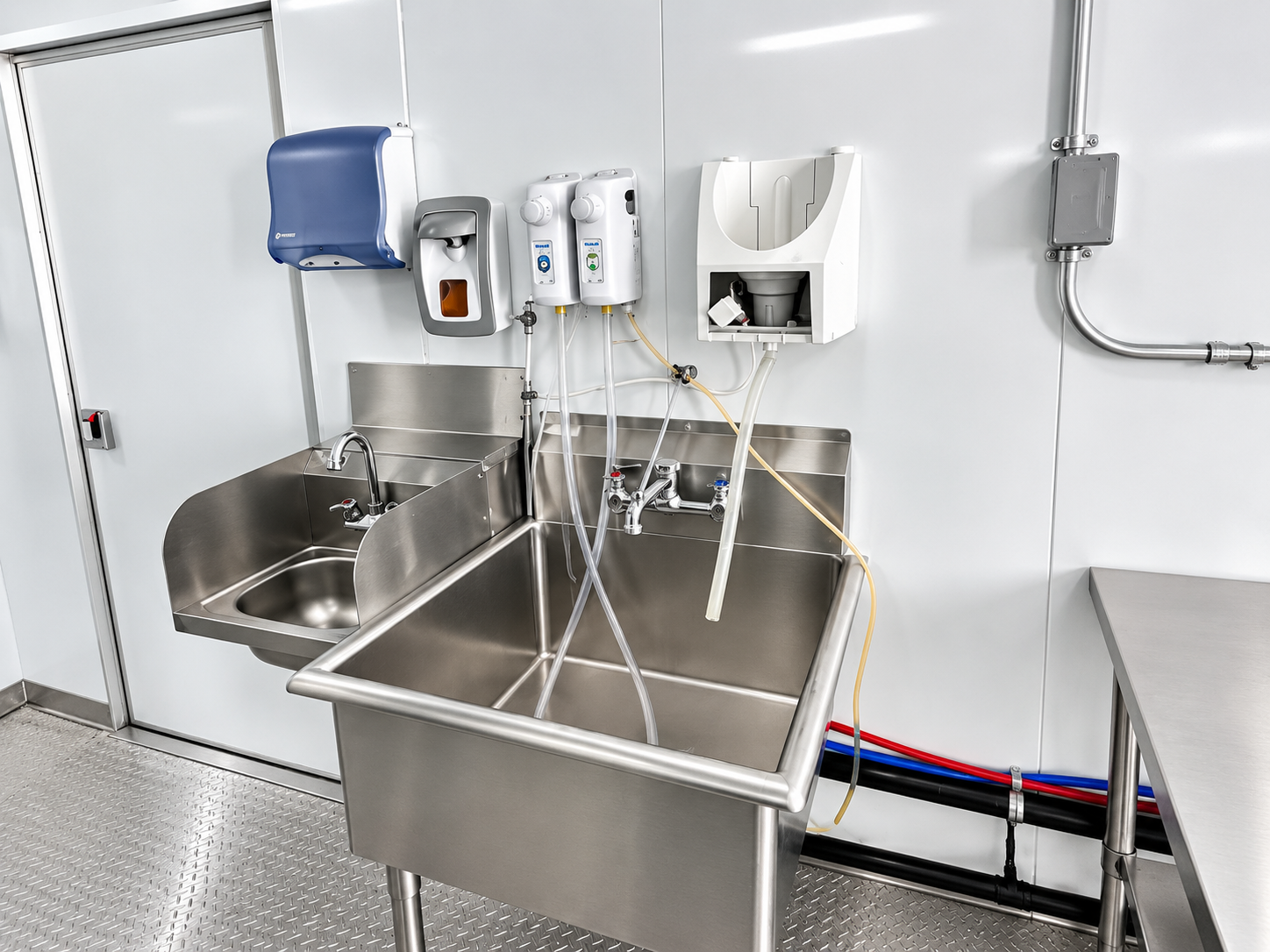
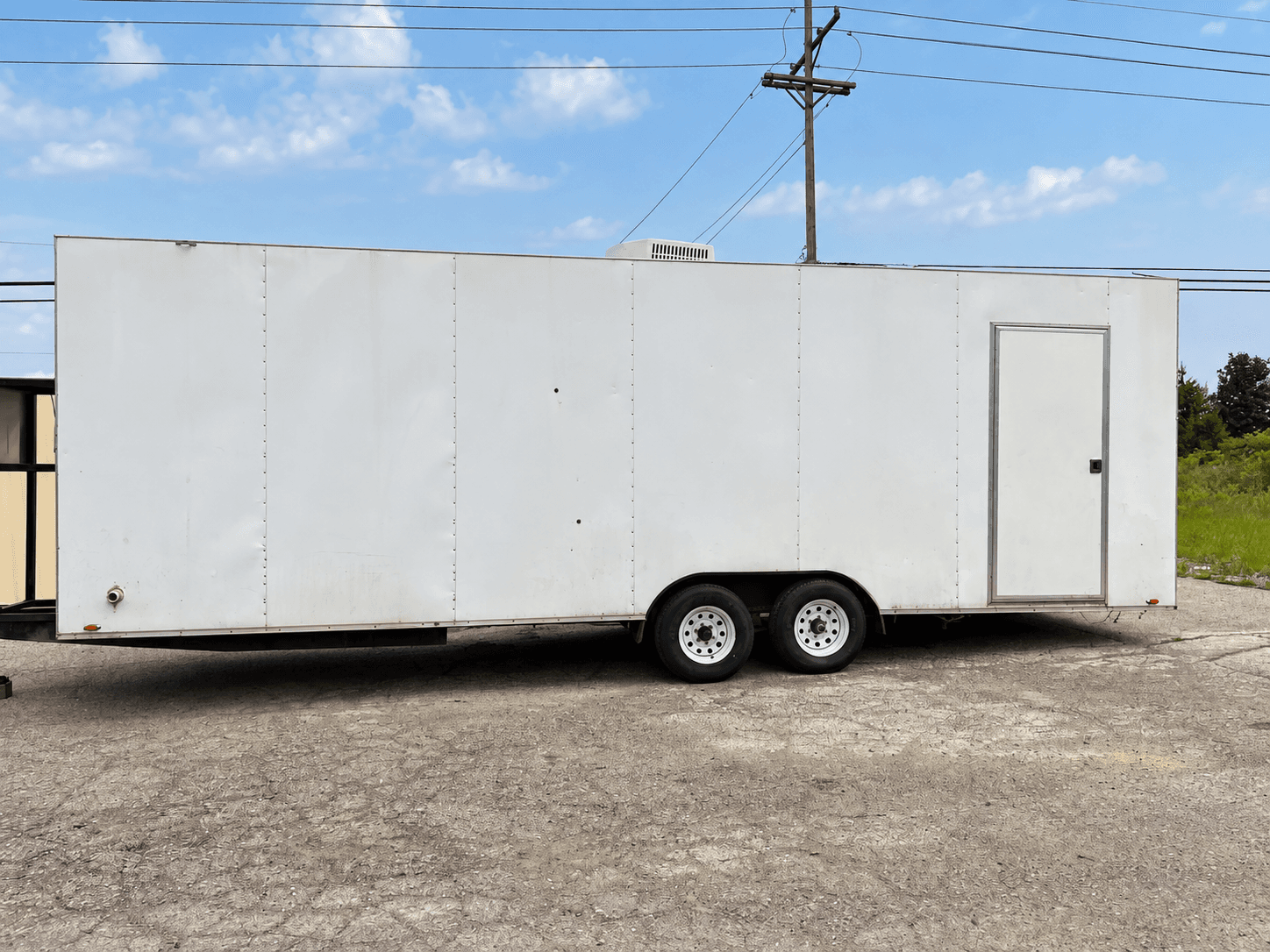
D4’s published list contains a low-temperature push-through dishwasher, soil tray, scraping table, three-compartment sink and handwashing sink. D1, the documented 22ft example, lists the same machine type and fixtures. The nominal 24ft length therefore does not establish a different processing rate, more staging space or a more powerful machine.
For a shared food-service operation, the useful distinction is the return pattern. Banquet items, daily meal trays and preparation utensils may reach washing at different times or overlap after service. Comparing those streams with the assigned unit’s actual layout reveals the receiving and collection work that an equipment list alone cannot describe.
Review the changeover between service periods
A changeover between services can leave clean items waiting for collection while the next set of soiled items arrives. Both need a place that preserves the operation’s separation of used and cleaned equipment. D4’s soil tray and scraping table relate to the receiving end; the record does not publish the size or arrangement of any clean holding area.
Racks and carts should therefore have a destination beyond the machine exit, with a responsible team collecting them. The actual aisle and doorway dimensions matter when several departments share the dish room. A nominal trailer length or a reference photograph cannot establish that two carts can pass or that a return peak fits the proposed working space.
Keep healthcare meal service in the rental plan
Healthcare meal service in Massachusetts, Rhode Island or Connecticut can involve patient trays and employee dining items returning at different times. Ask the facility's responsible food-service lead to describe those return patterns, the proposed handling route and the handover that keeps clean items distinct from incoming used supplies.
Make the receiving and collection responsibilities clear
Nominate the team responsible for bringing items to the trailer and the team responsible for collecting them after washing. These may be the same people or separate roles, depending on the operation. Explain where the handoffs take place and how changes in the service schedule will be communicated.
Identify any shared loading or pedestrian activity around the proposed position. Ask about entrance details and access using the actual trailer layout. Your business continues to define its product handling, cleaning and working procedures. The rental brief should make the planned movements clear enough for the site and equipment proposal to be assessed.
Review clean storage as a separate operating need
Clean items need an agreed destination after they leave the washing task. Describe the storage or collection arrangement your team intends to use and whether it is inside an existing building or elsewhere at the site. Include the routes back to preparation and service areas.
Ask which storage or staging features are included with the proposed unit. If a separate arrangement is needed, keep it visible in the project brief and assign responsibility for it. A dishwashing trailer inquiry should connect the machine with the wider operation rather than assume that every receiving, storage and return task is covered by one equipment label.
Coordinate the property review and connection work
D4 lists 220V, single-phase power at 150A. Its record supplies no exact electrical connector, circuit design, water flow, drain size or numeric wash and rinse temperatures. A qualified site professional needs the assigned unit’s technical information before the property arranges supply and wastewater connections.
The water and drainage review should follow the proposed position and the complete period of use. A temporary route may cross construction or an event work area that changes later. Chemical supplies, training and operating instructions also need to be tied to the actual low-temperature machine, rather than inferred from the trailer’s size or assumed identical across every unit.
Match the term to the operating transition
The temporary washing requirement can begin before the main renovation work and end after the permanent dish room becomes available. Describe the transfer into the temporary arrangement and the point when ordinary working routes can resume. If repairs control the end date, explain what is known and what is still being assessed.
Ask about the rental or lease period that can be proposed for the project, including extensions and collection notice. Keep estimated dates distinguishable from agreed arrangements. If service patterns or receiving routes change during the job, request a review rather than assuming the original proposal covers the revised operation.
Compare proposals using the same return schedule
Bring together the item list, return streams, collection responsibilities, site details and dates when requesting a quote. Ask for the machine and trailer configuration, availability, transport arrangements and current charges to be identified clearly. Clarify the features included and the preparation responsibilities assigned to the customer.
Review the proposal with the people coordinating service returns and the person receiving the equipment. A comparison is most useful when each option addresses the same workflow and period. Contact the team to discuss the 24FT Dishwashing model and request a quote based on your operation's temporary washing needs.