BXRT20–1Refrigerated trailer
- Nominal length
- 20ft
- Listed electrical supply
- 220V · single-phase · 40–60A
- Inventory temperature label
- 32°F
Indiana refrigerated container rentals can provide a temporary storage option to discuss when a commercial walk-in fails or renovation removes normal refrigeration space. Worldwide Refrigerated Container Rental Facilities serves Indiana with refrigeration trailer, cooler and freezer inquiries, together with related kitchen and dishwashing options. A restaurant interruption, institutional kitchen project and catered event each involve different stock and handling routines. Short rentals and longer lease needs should follow the work rather than a generic equipment label. Share your product conditions, delivery address, proposed position and dates to explore suitable equipment, site and transport coordination, current availability and a project quote.
Emergency cooler or freezer failure in Indiana? A person answers rental inquiries 24/7. Availability and delivery timing are confirmed in your quote.
Plan your rental budget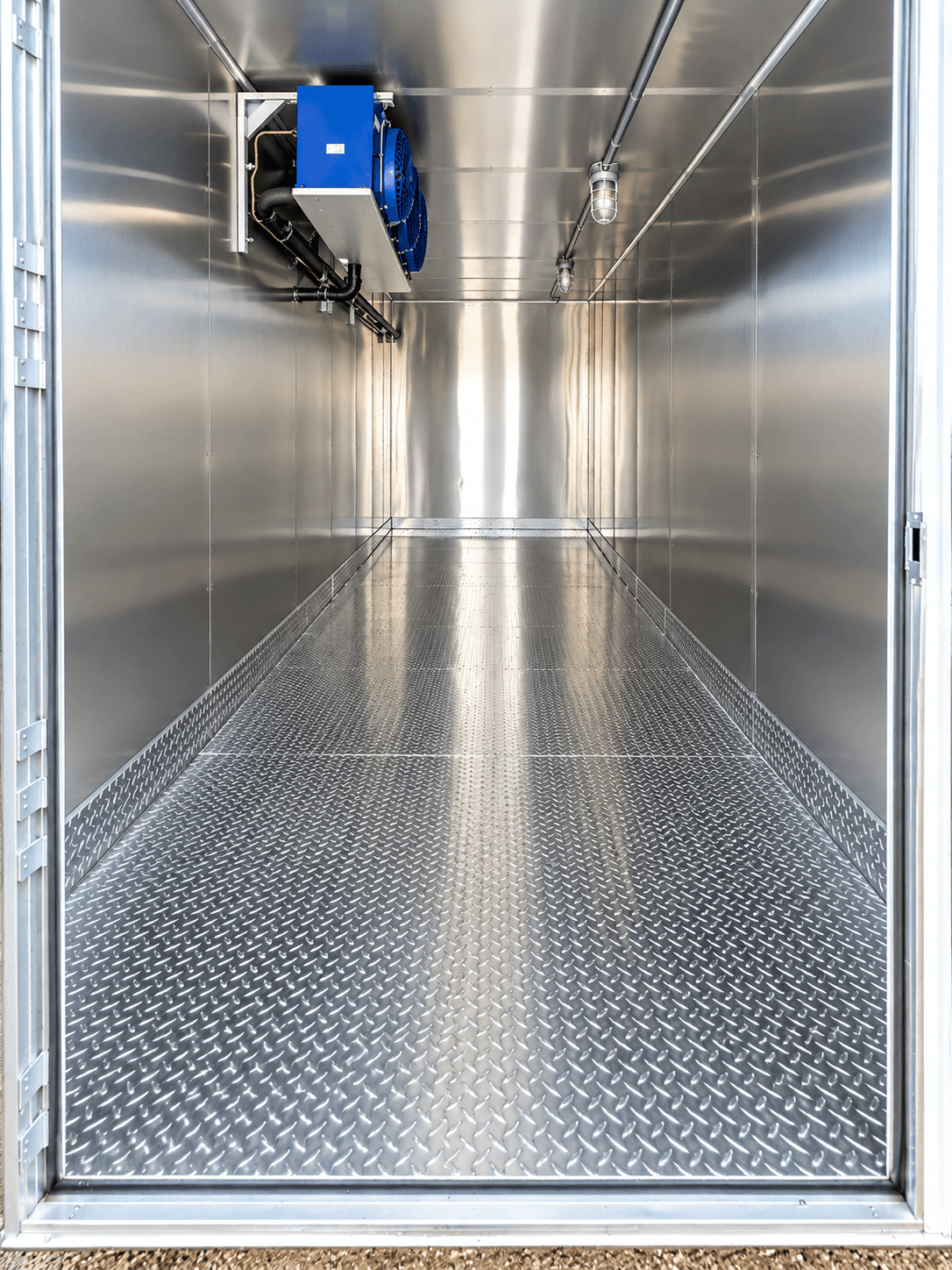
Compare the equipment
These published examples describe named company units. The supplied equipment, configuration and availability are confirmed for your project address.
Listed refrigeration trailer equipment: condensing unit, amps panel, lighting.
Equipment records reviewed October 19, 2026. Temperature labels are inventory labels, not verified operating ranges. Nominal length is a model label, not a measure of usable space or site footprint.
A closer look at your project area
Choose a city to explore refrigeration rental planning for your area. Bring the delivery address, preferred dates and storage needs to your inquiry.
Outline: Census TIGERweb generalized states, ACS 2025. City locations: 2025 Census Gazetteer.
Find the place that fits your project
An Indianapolis walk-in failure can leave ingredients displaced while cooking and receiving continue. A wider electrical interruption can instead close several functions at once. The temporary refrigerated load follows the goods still requiring holding and the services remaining usable. Later supplier orders may create a larger overlap than the stock moved first. Chilled supplies and frozen reserves need separately established conditions, with packaging and the meal schedule used during repairs included in the equipment comparison.
For the 12ft Refrigerated Trailer, confirm the supplied configuration and connection requirements before selecting it. The actual doorway and internal arrangement must suit the cases and carts used after loading. Frequently retrieved ingredients need a usable route alongside reserves for later meals. A separate kitchen or dishwashing arrangement has another task if preparation or cleaning also moves. The responsible food-service team handles stock already affected under its own procedures while equipment and repairs are reviewed.
For healthcare food-service teams in Bloomington or Fort Wayne, Indiana, scheduled meal rounds and supplier receiving windows can create different demands on the same ingredient supply. Have the facilities and dining contacts review the same proposed position, identifying any employee route or receiving entrance that must remain available.
Industrial shift patterns in South Bend or Indianapolis, Indiana, can leave employee meal preparation and supplier receiving competing for access during a constrained facilities project. Check where arriving suppliers should wait, which staff member receives ingredients, and how access problems are escalated during shift changes.
Explore the Indianapolis rental guideNOAA describes Indiana’s substantial seasonal temperature contrasts, Lake Michigan’s influence in the northwest and greater snowfall in some northern areas. The project months and actual drainage or surface conditions matter for an outdoor refrigerated position. Those statewide patterns are background rather than an operating rating for a proposed unit. The supplied equipment’s own technical requirements govern its comparison with the required product conditions and assigned connection at the property.
A longer refrigeration lease can span later contractor phases while receiving continues. The approach for supplier unloading, repeated ingredient collection and eventual equipment removal needs to remain usable through those changes. Each relocated preparation or cleanup function also requires its own working footprint and services. Evaluating the occupied layout during a busy receiving period is more useful than checking only whether the equipment fits an empty area on installation day. A change in the permanent rooms remaining usable can also alter the temporary stock before the project ends.
For government food-service inquiries in Indianapolis or Evansville, Indiana, the person describing daily meal operations may differ from the representative authorized to approve a purchase. Describe the meal service requirement in practical terms and request a proposal showing the equipment period, transport assumptions and items needing confirmation.
A Fort Wayne facility can use one permanent refrigerated room for supplies managed by several departments. If it closes, the temporary store needs identifiable places for ingredients in active use and goods reserved for another meal period. The largest supplier overlap, package sizes and frequency of staff collection affect that usable arrangement. A combined quantity taken before the project starts may miss deliveries still due or products returning from another temporary preparation area.
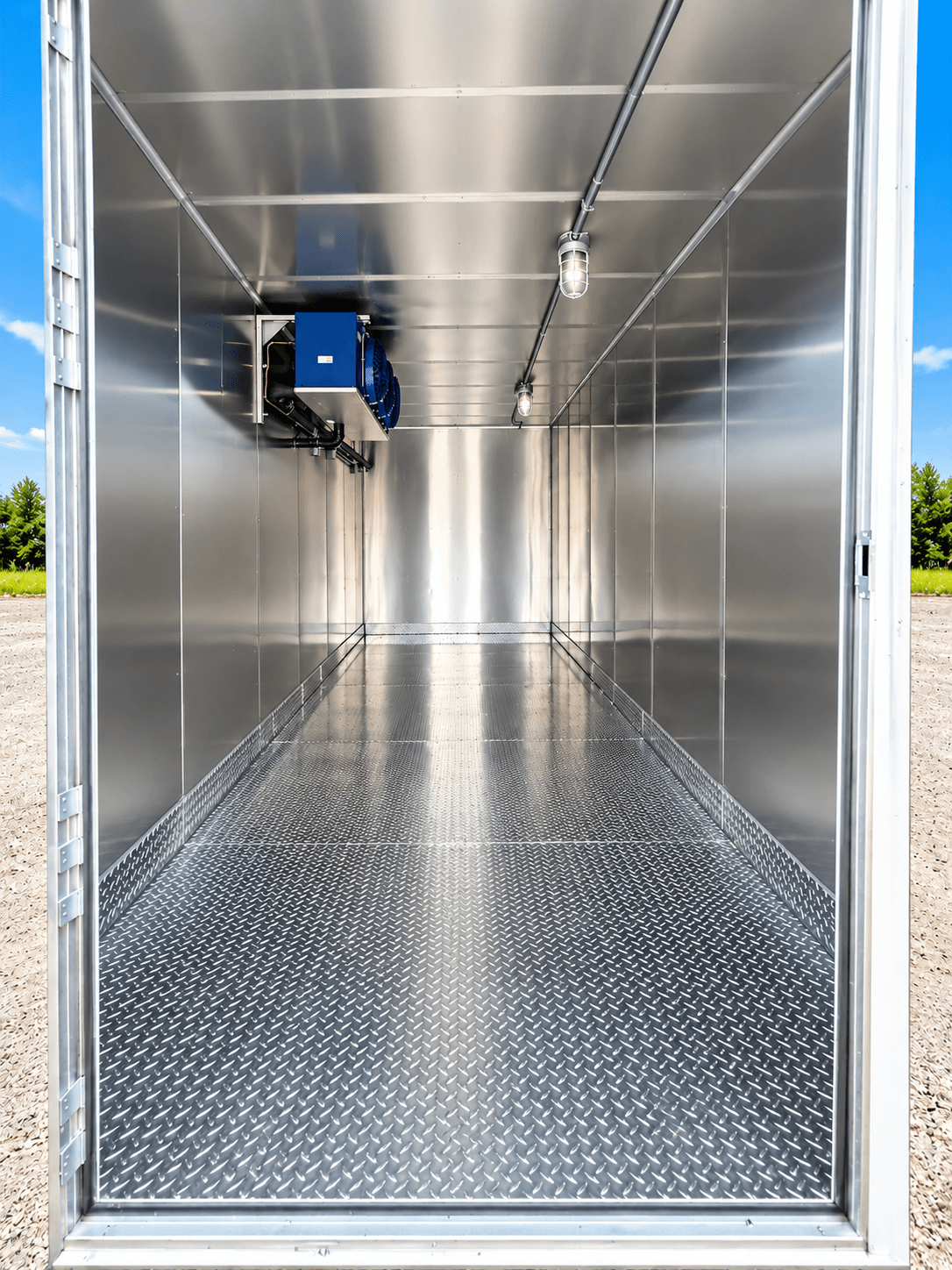
For the 20ft Refrigerated Trailer, confirm usable capacity and the electrical requirements of the offered unit. A listed temperature does not establish its full operating range. The actual offered unit’s doorway, interior and agreed fittings need to work with the stock after loading. Separate preparation and cleanup requirements need their own workloads and connections, with returned items and clean supplies positioned around the same continuing receiving activity.
For military dining inquiries in Fort Wayne or South Bend, Indiana, the useful starting point is the meal service requirement and the authorized contact reviewing the proposed arrangement. Ask the authorized representative to identify the documents and receiving details needed for review, rather than assume an inquiry confirms site access.
Explore the Fort Wayne rental guideReplacing permanent storage in Evansville can leave old refrigeration unavailable before the new room is part of ordinary meal service. Products moving first, goods remaining inside and supplier orders arriving during the gap can create different loads at different stages. A temporary cooler or freezer should follow those required conditions and staff movements. The working quantity includes ingredients used repeatedly during preparation and reserves opened less often; each can need a different position within the assigned equipment.
A kitchen and dishwashing area can return on separate dates as building services become usable. Food storage may still be needed while ingredients transfer back and normal receiving restarts. The complete refrigerated period therefore follows the final products rather than a single contractor milestone. A staged return can also leave new orders arriving before reserves move indoors. Terms for changed dates or extensions should address that remaining workload instead of treating the first room’s reopening as the automatic end of every temporary function.
For hospitality teams in South Bend or Indianapolis, Indiana, breakfast service and an evening function can draw on shared ingredients at different points in the day. Mark the proposed receiving point on the property plan and explain who can authorize changes when the working arrangement needs review.
Explore the Evansville rental guideIndiana Convention Center and Lucas Oil Stadium’s current shipping guidance directs show deliveries through the event’s decorator or general service contractor and the correct dock. Early shipments can be refused, and ordinary small-package handling is described separately from freight. For an authorized food operation arranging refrigeration there, the actual event receiving instructions matter. A guest entrance, business-center parcel address or delivery slot does not establish the place where a cold store works throughout preparation and service.
The venue’s booth information also distinguishes exhibitor setup and material handling from food-and-beverage authorization. Its exclusive catering arrangement and separate food-sampling process require an event operator to establish the permitted role before settling equipment. A South Bend preparation property supporting a function elsewhere can have another stock peak before the venue accepts supplies. Other relocated food-service tasks need their own authorized working arrangements. Ingredient receiving and final clearance can extend beyond the public hours when guests attend.
For catering teams in Bloomington or Fort Wayne, Indiana, supplier arrivals can overlap with venue preparation before staff have an agreed place to receive ingredients. Ask the venue which service routes remain available, and show how staff will move ingredients without crossing the planned guest arrival area.
Explore the South Bend rental guideIndiana University’s current Bloomington dining map identifies residential dining halls, academic-building cafés, stores and restaurants in separate buildings. Its restaurant information distinguishes food courts, prepared meals and grab-and-go options. For a comparable institutional refurbishment, those different destinations explain why a campus-wide public address cannot define one refrigeration task. Ingredients for active preparation and finished products moving onward need their own holding conditions, receiving responsibility and collection periods.
A temporary refrigerated store may support one closed room while another permanent area remains usable. Later phases can change which products move and where staff collect them. For another Indiana location, continue with the Carmel, Fishers, Noblesville or Hammond rental guide. The actual products, working address and assigned connection should remain attached to the proposed arrangement.
A college food service team in Evansville or Bloomington, Indiana, may need temporary equipment while permanent facilities undergo repairs and classes continue on campus. Check how supplies for different meal destinations will be identified, collected and handed over without blocking the shared receiving point.
Explore the Bloomington rental guideThe largest temporary refrigerated load can occur after the initial closure, when supplier orders overlap with ingredients already held. Its role can change again as permanent rooms return. The final transfer may extend beyond the restart of cooking or the end of a public event, while dishwashing finishes on another timetable. A short rental or longer lease should follow that complete food-service cycle, including stock clearance, restoration of ordinary receiving and collection of the equipment.
Request availability and a project quote for the full working arrangement.
For food distribution teams in Indianapolis or Evansville, Indiana, a temporary change in product location can complicate the handover between goods receiving and staff preparing customer orders. Coordinate the temporary arrangement with receiving and dispatch leads, giving each team a clear method for reporting changed orders or product locations.
Before you decide
They can be described in one project conversation if their requirements remain clear. Identify the goods each team holds, the required conditions and how staff retrieve supplies. Include combined receiving peaks as well as separate needs. This helps the proposed arrangement reflect shared use without assuming one configuration suits every product or department.
Include cooking, refrigeration and dishwashing as related but separate requirements where relevant. Explain what remains in permanent rooms and how ingredients move between work areas. The equipment proposal can then consider the full operating route without implying that a standard package, shared connection or particular appliance configuration is automatically included.
The current proposal should identify the equipment, availability, rental period, address-specific transport, charges and responsibilities. Describe known site services and access when making the request. Agree how extensions or other changes are handled, particularly if the end date depends on ongoing repair assessment or a construction handover that is not yet fixed.
City examples illustrate project planning; availability is confirmed for each delivery address.
Temporary refrigeration, kitchens and dishwashing can support many kinds of food-service operations. Each setting below starts with its own schedule, stock and site questions, and every project is reviewed individually.
Hotels, restaurants and resorts can plan temporary refrigeration around breakfast, banquet and dinner service when a walk-in cooler fails or a kitchen is refurbished.
Hospital, nursing home and care-facility kitchens can describe meal schedules, delivery times and displaced stock so temporary storage follows the food-service routine.
Municipal, county and public-building food-service teams can outline receiving arrangements, responsible contacts and project dates before a quote is prepared.
Dining facility managers can explain the products displaced, the receiving arrangements and the proposed period, then review availability and terms with our team.
Schools, colleges and universities can plan around term dates, serving windows and campus kitchen renovations so meal service can continue during repairs or construction.
Plant cafeterias and employee dining areas can describe shift patterns and staged building work so temporary cold storage can be reviewed against the working schedule.
Caterers and venues can plan preparation windows, event days and overflow ingredients, and describe how stock moves between storage, the kitchen and service.
Producers, wholesalers and distributors can describe loading, staging and storage needs when a cooler breaks down or demand temporarily exceeds capacity.
These examples describe planning situations. Equipment, availability and terms are confirmed in a project quote.
Cold storage is only one part of a project. These are the questions we work through with you before anything is booked.
Start with refrigerated containers and refrigeration trailers, then add a temporary kitchen or dishwashing trailer when the project needs one, all in a single conversation.
Access, utilities and the intended position are reviewed before delivery is arranged, so the equipment is matched to your site rather than the other way around.
Whether a walk-in cooler failed this morning or a renovation is months away, describe the real situation and plan around the stock, dates and people involved.
Planning guides cover all 50 states and more than 700 cities. Your address is then confirmed for equipment and delivery.
Use the rental calculator for a rate-range estimate and setup amount, then request a project quote that confirms availability, transport and the rental period.