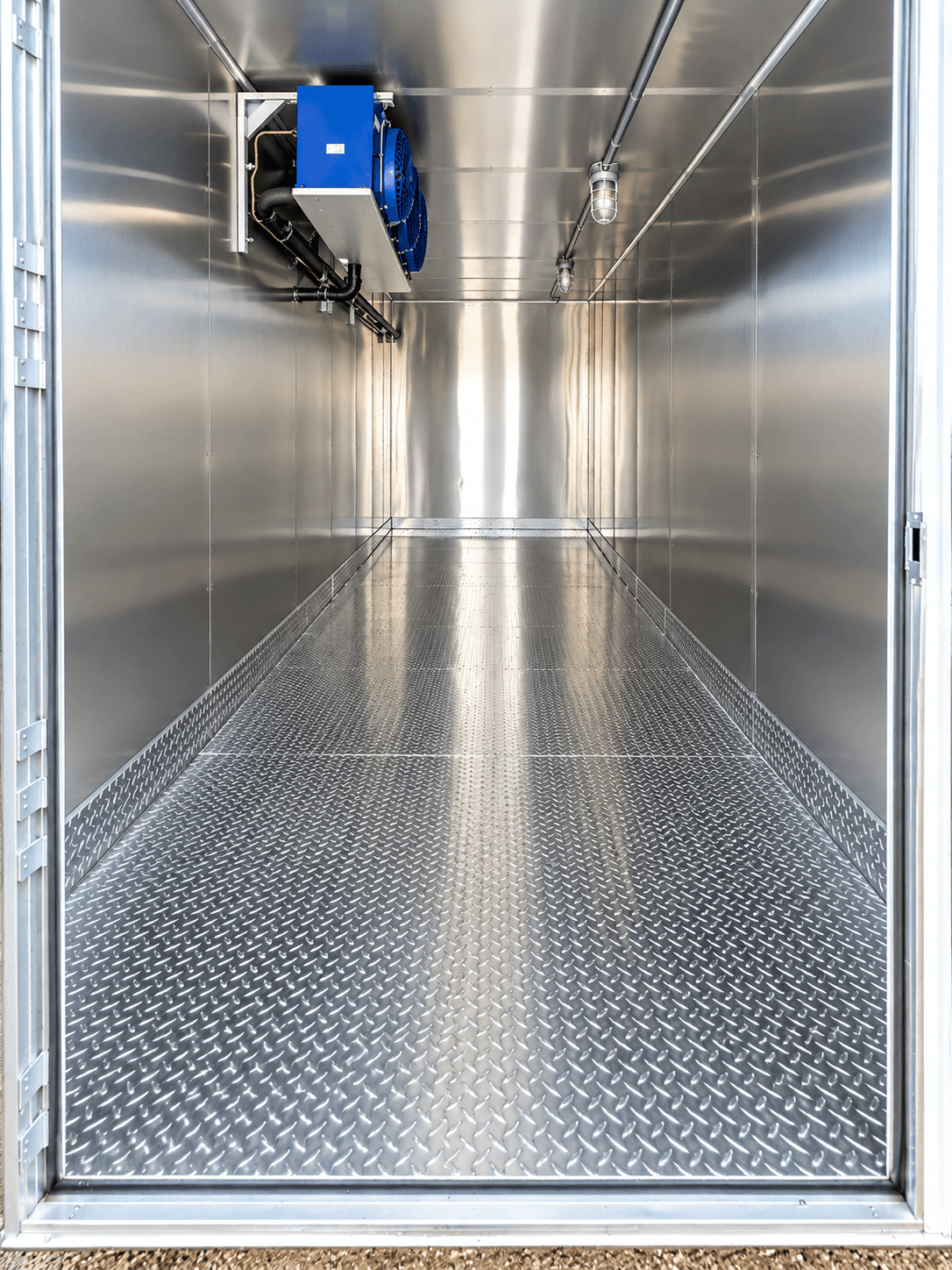
Start with your state
A guide for every state
Explore local context, equipment choices and the details to include in a rental inquiry. Each guide brings city examples into practical planning; availability and delivery arrangements are confirmed for your address.
A closer look at your market
Find a city rental guide
Explore major-market guides by city and state for local context and practical cold-storage options. Earlier city and area articles also remain available here.
Start with the address where the equipment is needed
A location name helps identify the area, but the rental plan depends on the actual property. Give the delivery address and explain which entrance should be used. A large venue, hospital campus or hotel may have a receiving area separate from its public entrance. Identifying the right approach early keeps the discussion focused on the route the receiving team expects to use.
Add the name or role of someone who understands the property. They can help answer questions about the proposed equipment position, shared loading activity and restrictions. If a location is still being chosen for an event, explain that and ask what site information will be needed to assess a proposal.
Start with your state, then bring the city into the conversation
Choose any of the 50 state guides for an overview that connects local conditions with temporary refrigeration planning. Representative cities appear within practical examples of renovations, equipment failures and changing food-service routines. Use the guide to organize your questions, then bring the project details to the conversation. The equipment requirement, dates and receiving arrangements help turn a place name into a workable rental inquiry.
Our nationwide service includes all 50 states. Give the actual city and property address even if it is not one of the examples in a guide. Equipment availability and delivery arrangements are reviewed for the request, including the destination and proposed period. Keep the discussion specific: what needs refrigeration, where it will stand and when it will be needed.
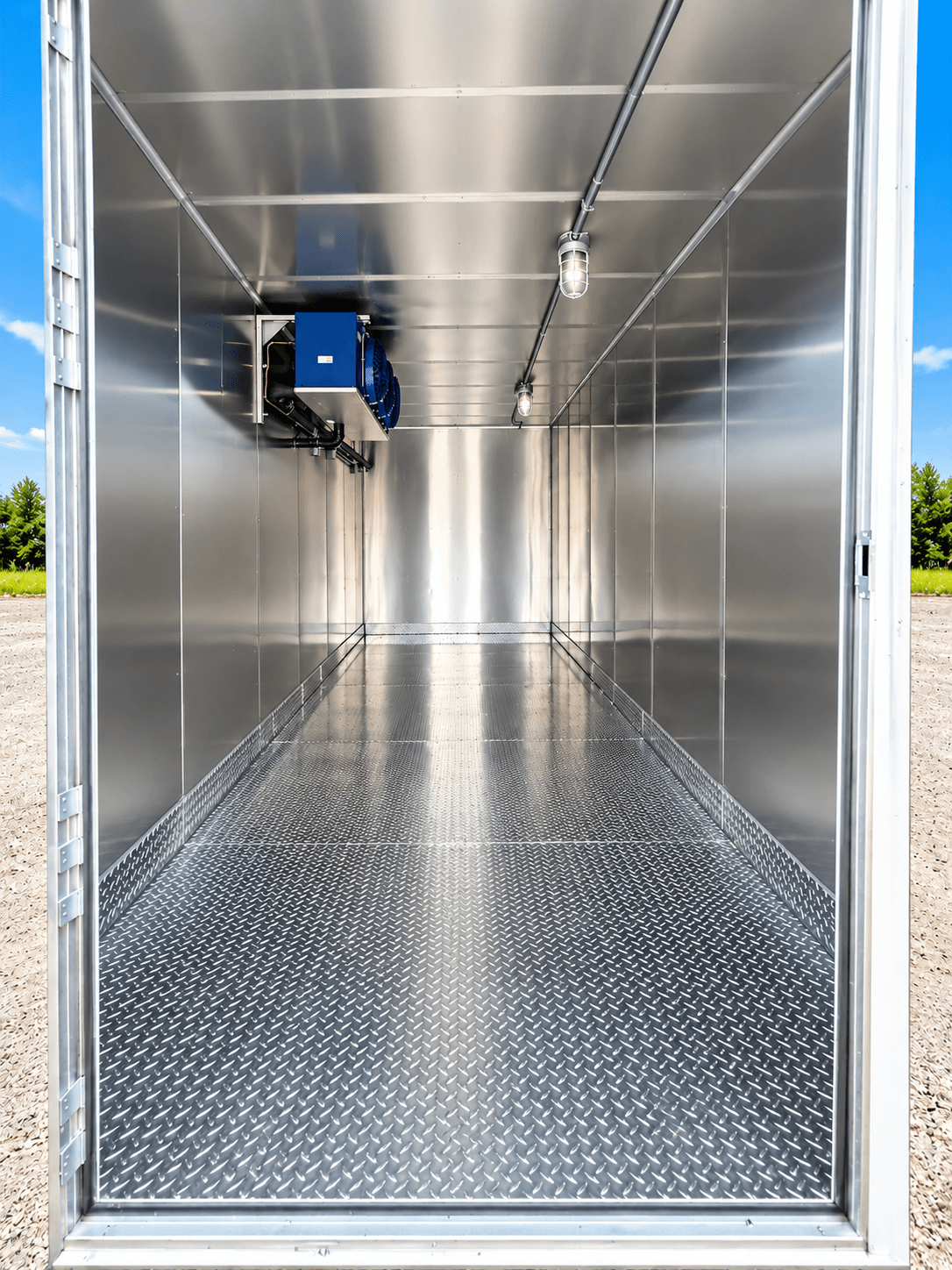
Plan for food production and distribution handovers
A food distribution operator in Arkansas or Louisiana may need a fallback receiving arrangement if supplier arrivals continue before the permanent holding area is handed back. Identify the operator's product handling requirements, then map how delivery records will remain linked to stock as its location changes.
Connect the storage position to the working area
Think about how products will move between temporary refrigeration and the working kitchen, preparation space or receiving area. Describe the route staff will use and the busiest periods of access. A position that looks convenient from the road may be less useful if it creates a long or awkward stock transfer during normal work.
Explain the amount and packaging of the products and whether the need is for chilled or frozen storage. Ask about usable capacity and entrance details for the proposed container or trailer. Selecting the location and selecting the equipment are connected decisions, so review them together rather than resolving one without the other.
Identify access restrictions before arranging transport
Share the restrictions already known at the property. These might involve receiving times, shared supplier activity, access controlled by a property manager or building works near the proposed position. You do not need to invent a technical assessment; provide the facts the site team knows and identify who can help review anything uncertain.
Look ahead to collection as well as arrival. A route available before an event or renovation may be used differently later. Explain changes planned during the rental period and ask how they affect the arrangement. Agree the intended position and the receiving contact before transport plans are finalized.
Bring electrical information into the location review
The best storage position also needs an appropriate connection arrangement for the proposed equipment. Tell the team what electrical service is known to be available nearby and request the unit's requirements. If the information has not been checked, identify the property or electrical contact who can help with that review.
Discuss who will assess suitability and arrange any necessary preparation. A location decision should consider those tasks and their timing alongside staff access and transport. Avoid arranging work from a general equipment description alone. Use the actual proposal so the people preparing the site have the information they need.
Plan around the local project schedule
For a breakdown, explain how the need for temporary storage relates to the repair assessment. For construction or renovation, describe when existing refrigeration becomes unavailable and which stages may change access. For an event, include preparation, service and clear-out. These details help define the rental period at the address.
Ask about a short rental or longer lease based on that program. If several people control different stages, identify the contact who will coordinate updates. Confirm how changes to dates, access or collection should be communicated. A shared plan helps keep the equipment arrangement aligned with the work taking place at the property.
Request a quote for the complete arrangement
Provide the same address, dates, storage requirements and site information when comparing options. Ask for the equipment description, rental period, transport arrangements and applicable charges to be clear. Include any known preparation tasks so responsibilities can be reviewed before a decision is made.
Current availability and pricing should be confirmed for your request. Use the contact details shown on the site to discuss the next step. An inquiry can begin with the information you have, while clearly identifying anything still being checked. Before booking, bring the agreed equipment, receiving instructions and project contacts together for the team on site.
Keep the receiving team involved through collection
Once arrangements are agreed, share the equipment position, access instructions and contact information with the people who will receive and use it. Make sure they know which preparation tasks have been assigned and how to raise a question. The person arranging the rental and the person on site should be working from the same details.
Near the end of the project, coordinate the final stock transfer and collection. Confirm that the temporary storage can be emptied and that the collection route remains available. If the project changes, ask about revised arrangements promptly. Contact the team with your address and storage requirement to discuss a suitable rental proposal.
Use local guidance to make the property discussion clearer
A state guide gives the broad planning context; the existing city guides offer another route into the rental information. Read either alongside the site details you already have. Keep the delivery address as the main reference for the inquiry. A guide can help organize questions, while the site review establishes how a particular entrance, loading area or equipment position relates to the unit being proposed.
A city does not need its own dedicated page for you to contact us. We serve all 50 states, and the examples are a representative selection rather than the boundary of our service. Use the contact form to describe your property and intended use, then ask about suitable equipment, current availability and the delivery arrangements for that address.
Make an address-specific note that the receiving team can use
For an illustrative commercial property with several entrances, the postal address might lead visitors to reception while suppliers use a different approach. State which entrance is intended for the equipment discussion and identify who can confirm it. If your team supplies a sketch or photographs when requested, describe what each view shows so there is no ambiguity about the proposed area.
Keep this note with the latest equipment proposal. If a project stage changes access, revise the note and tell the people arranging transport and receiving the unit. Reusing an old address instruction without checking the current site plan can obscure the very restriction the review was intended to resolve.
Discuss your cold storage rental.
Confirm the equipment, delivery location, and rental period that fit your project.
Request availability