BXRT20–1Refrigerated trailer
- Nominal length
- 20ft
- Listed electrical supply
- 220V · single-phase · 40–60A
- Inventory temperature label
- 32°F
Temporary cold storage in Hoover, Alabama
Hoover refrigeration trailer rentals help commercial operators plan another cold-storage arrangement when a walk-in cooler or freezer stops working. Refrigerated containers can also support planned refurbishment, with kitchen and dishwashing options discussed when cooking or cleaning space moves. Worldwide Refrigerated Container Rental Facilities serves Alabama inquiries from restaurants, healthcare facilities, schools, hotels and event businesses. A short repair or longer lease needs to follow the stock, receiving schedule and return to permanent refrigeration. Send the Hoover site address, intended dates and product requirements to discuss equipment selection, delivery coordination, current availability and a written project quote.
Emergency cooler or freezer failure in Hoover? A person answers rental inquiries 24/7. Availability and delivery timing are confirmed in your quote.
Plan your rental budget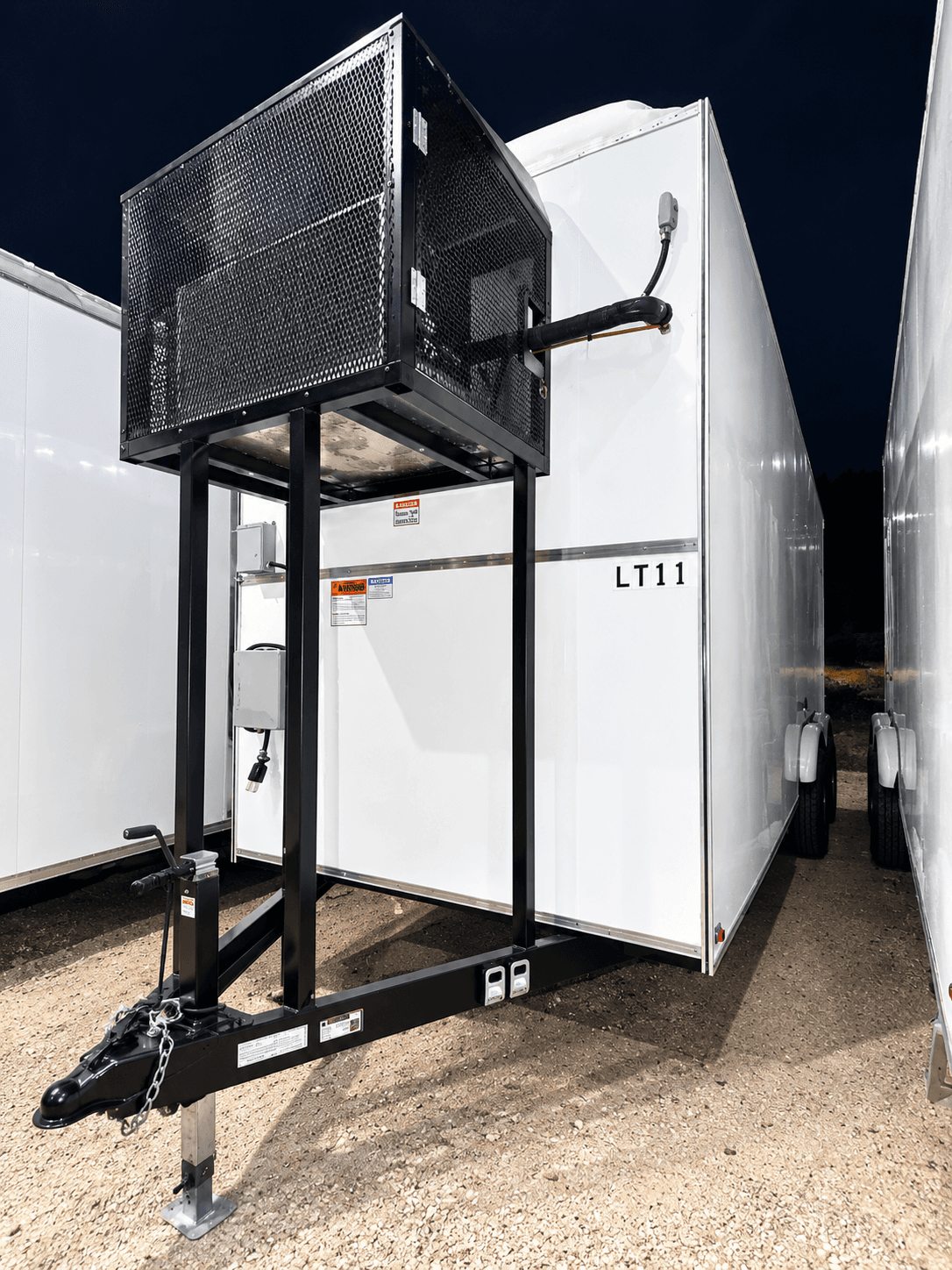
Compare the equipment
These published examples describe named company units. The supplied equipment, configuration and availability are confirmed for your project address.
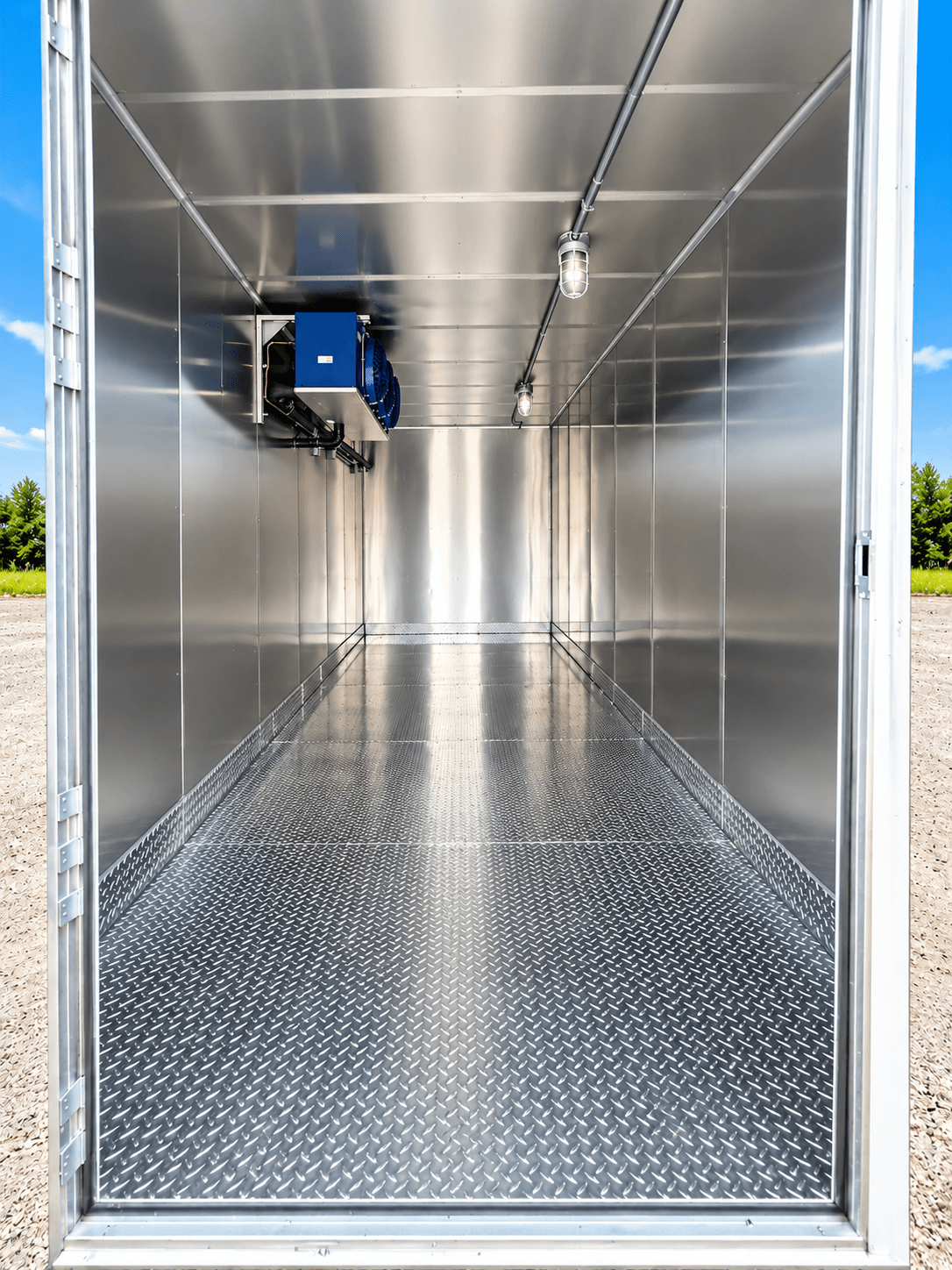
Listed refrigeration trailer equipment: condensing unit, amps panel, lighting.
Equipment records reviewed October 19, 2026. Temperature labels are inventory labels, not verified operating ranges. Nominal length is a model label, not a measure of usable space or site footprint.
The National Weather Service identifies Hoover among the communities affected by the October 6, 2021 central Alabama flash-flood event. That dated history is relevant when a commercial refrigeration plan must account for changing access as well as equipment failure. It does not mean every Hoover address has the same flood exposure, or that the position used previously is appropriate for a new refrigerated rental.
Hoover's flood record sits beside a different hazard nearby. The National Weather Service's April 27, 2011 tornado survey describes damage around Birmingham, including Smithfield Estates. Its account of the same storm also identifies severe damage in Tuscaloosa, including the Alberta City area. Comparing a flood with a tornado shows why the cause of an interruption matters when access, power and building condition are checked before refrigeration is positioned.
A Hoover cooler inquiry should explain whether the interruption is confined to permanent refrigeration or also affects power, receiving and building access. List the products displaced and any unaffected cold storage. If kitchen operations stop or dishwashing moves, describe those changes alongside the storage requirement. The site’s responsible people should determine what remains usable before a delivery arrangement is confirmed; a past storm report cannot settle the current operating plan.
Planning hospitality kitchen refurbishments raises equipment questions that the 20ft Refrigerated Container guide answers in more detail, including protection for the power connection and how to organize stock for a longer stay.
Hoover’s capital-project summary dated August 27, 2026 lists Chester Street drainage improvements in construction and several road schemes at design, utility or right-of-way stages. These are distinct statuses, not a blanket claim that every listed street is under active construction. They illustrate why a refrigeration delivery needs the property’s current instructions instead of assumptions drawn from a project name.
For a Hoover business scheduling cold storage during nearby work, ask the site contact whether the approved receiving entrance changes during the proposed period. Describe supplier deliveries and staff retrieval separately. If the wider arrangement requires a mobile kitchen, include its working footprint; give dishwashing connections their own review. Confirm access for the specific refrigerated proposal, since a capital-plan entry does not authorize parking or establish a clear route to a commercial loading area.
In hospitality food service, an early supplier delivery may create the largest stock load before staff begin preparing guest meals. Explain how suppliers and employees share the receiving area, then ask the property representative to review the proposed equipment position.
The same August 2026 city summary lists the Hoover Lake House Renovation Project at the bid-process stage, with construction shown as the next milestone. This is a dated procurement status, not evidence that renovation is finished or that a refrigeration unit is required there. For another existing-building project, the useful rental details are the rooms, connections and access affected during each phase.
A Hoover commercial refurbishment may displace only part of a permanent cooler at first and a larger refrigeration load later. Show that progression in the request, including orders due while stock is outside. If production moves to a temporary kitchen, identify the ingredient-transfer path. If dishwashing is also displaced, record its service requirements independently. Include the final move back inside so the cold-storage period follows the entire changeover rather than the contractor’s first day.
At a Hoover site, identify the authorized receiving contact and the proposed refrigerated position with measured access information where available. The unloading area must also work for ordinary stock retrieval, without obstructing required exits, emergency access or other contractors. Check current official road and emergency information when conditions change. A nearby arterial road is not automatically an approved route or a source of priority passage.
A Pelham property should state its actual cooler location even if a Hoover office manages the contract. At a Homewood business, explain whether supplier arrivals share the same space with staff movement. A Vestavia Hills operator should describe how chilled goods reach preparation from the proposed cold store. Where kitchen or dishwashing equipment is also considered, review the combined layout with the property representative instead of assuming all units have interchangeable connections.
A Hoover project quotation needs the required storage conditions, product quantities, receiving peaks, address and dates. Describe what permanent refrigeration remains available and what triggers the return of stock. No current city-specific rate is established on this page. Ask the written proposal to distinguish rental-period charges, transport, collection and any separately arranged site preparation, connections or servicing.
If a permanent cooler repair takes longer than expected, the process for extending temporary cold storage matters as much as the initial period. Discuss notice, availability and revised charges before relying on an extension. Give any mobile kitchen requirement its own period and workload, with dishwashing reviewed on the same basis. Those details make the refrigerated rental a defined part of the Hoover operating plan instead of an estimate with unclear responsibilities.
Before you book
No. Hoover’s dated project stages provide context, while the actual refrigeration delivery needs current property instructions and any applicable restrictions checked. Identify the receiving contact and approved entrance rather than assuming a listed road is closed, open or suitable for the proposed vehicle.
Identify the refrigerated goods displaced, then explain whether food production or dishwashing also needs temporary facilities. Describe those workloads and connections separately. The resulting proposal can consider the full interruption without assuming that a storage-only solution addresses every part.
No. Discuss the specific refrigeration equipment proposed for your Hoover address. Capacity, required conditions and connection information should come from that equipment’s confirmed details and the project review, rather than from a similar-looking unit pictured on a guide.
These public references inform the planning examples; equipment availability and delivery arrangements are confirmed for your address.
Temporary refrigeration, kitchens and dishwashing can support many kinds of food-service operations. Each setting below starts with its own schedule, stock and site questions, and every project is reviewed individually.
Hotels, restaurants and resorts can plan temporary refrigeration around breakfast, banquet and dinner service when a walk-in cooler fails or a kitchen is refurbished.
Hospital, nursing home and care-facility kitchens can describe meal schedules, delivery times and displaced stock so temporary storage follows the food-service routine.
Municipal, county and public-building food-service teams can outline receiving arrangements, responsible contacts and project dates before a quote is prepared.
Dining facility managers can explain the products displaced, the receiving arrangements and the proposed period, then review availability and terms with our team.
Schools, colleges and universities can plan around term dates, serving windows and campus kitchen renovations so meal service can continue during repairs or construction.
Plant cafeterias and employee dining areas can describe shift patterns and staged building work so temporary cold storage can be reviewed against the working schedule.
Caterers and venues can plan preparation windows, event days and overflow ingredients, and describe how stock moves between storage, the kitchen and service.
Producers, wholesalers and distributors can describe loading, staging and storage needs when a cooler breaks down or demand temporarily exceeds capacity.
These examples describe planning situations. Equipment, availability and terms are confirmed in a project quote.
Cold storage is only one part of a project. These are the questions we work through with you before anything is booked.
Start with refrigerated containers and refrigeration trailers, then add a temporary kitchen or dishwashing trailer when the project needs one, all in a single conversation.
Access, utilities and the intended position are reviewed before delivery is arranged, so the equipment is matched to your site rather than the other way around.
Whether a walk-in cooler failed this morning or a renovation is months away, describe the real situation and plan around the stock, dates and people involved.
Planning guides cover all 50 states and more than 700 cities. Your address is then confirmed for equipment and delivery.
Use the rental calculator for a rate-range estimate and setup amount, then request a project quote that confirms availability, transport and the rental period.