BXRT20–1Refrigerated trailer
- Nominal length
- 20ft
- Listed electrical supply
- 220V · single-phase · 40–60A
- Inventory temperature label
- 32°F
Temporary cold storage in Auburn, Alabama
Auburn refrigerated container rentals give commercial operators temporary cold-storage options to discuss when a walk-in cooler or freezer fails. Refrigeration trailers can also support planned building work, with mobile kitchen and dishwashing requirements considered where preparation or cleaning functions move. Worldwide Refrigerated Container Rental Facilities serves Alabama restaurants, schools, healthcare facilities, hotels and event teams. Short repairs and longer lease arrangements should follow the actual stock load and the move back into permanent refrigeration. Tell us the Auburn address, required conditions and preferred period to discuss equipment, delivery coordination, current availability and a written project quote.
Emergency cooler or freezer failure in Auburn? A person answers rental inquiries 24/7. Availability and delivery timing are confirmed in your quote.
Plan your rental budget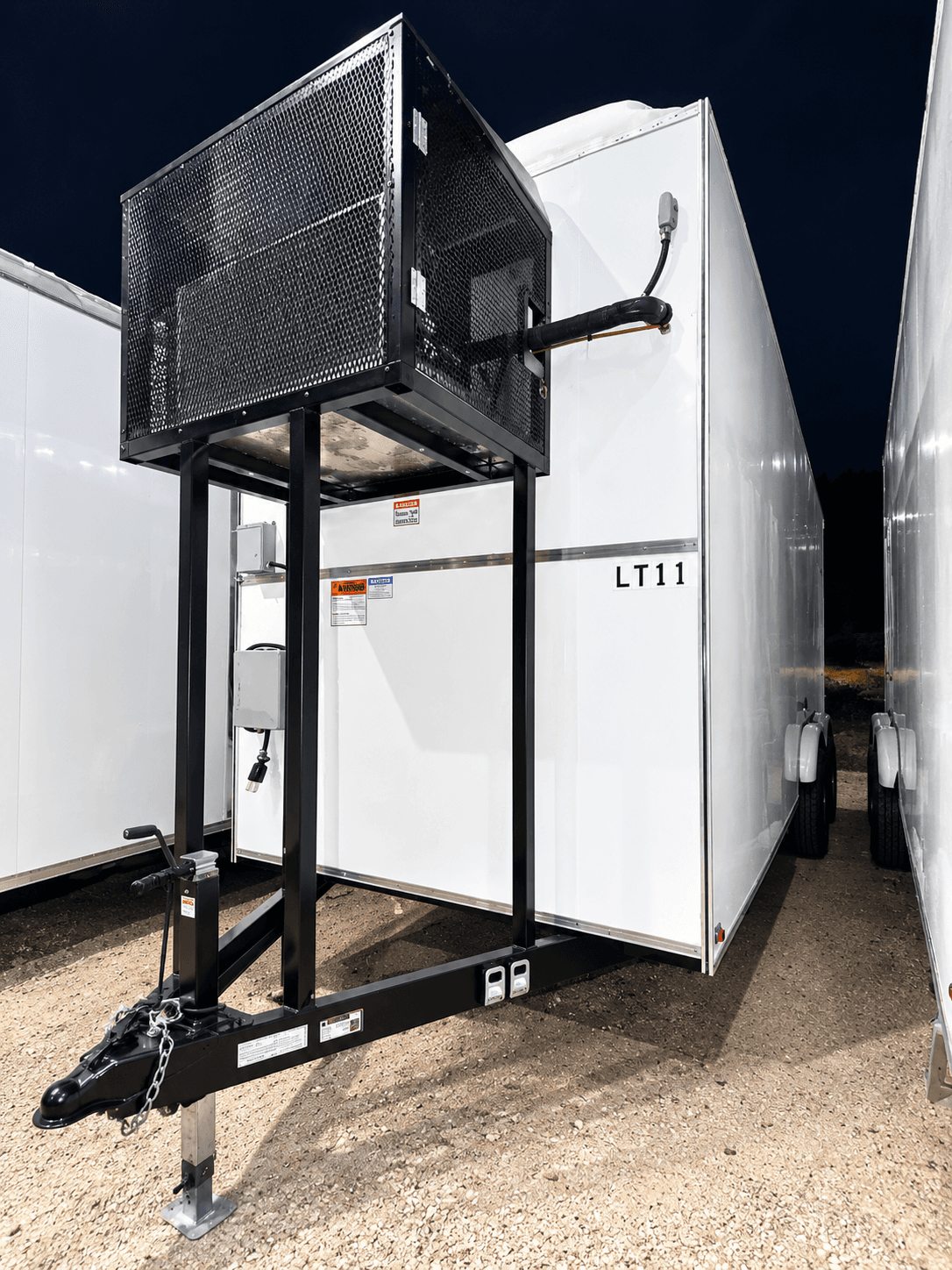
Compare the equipment
These published examples describe named company units. The supplied equipment, configuration and availability are confirmed for your project address.
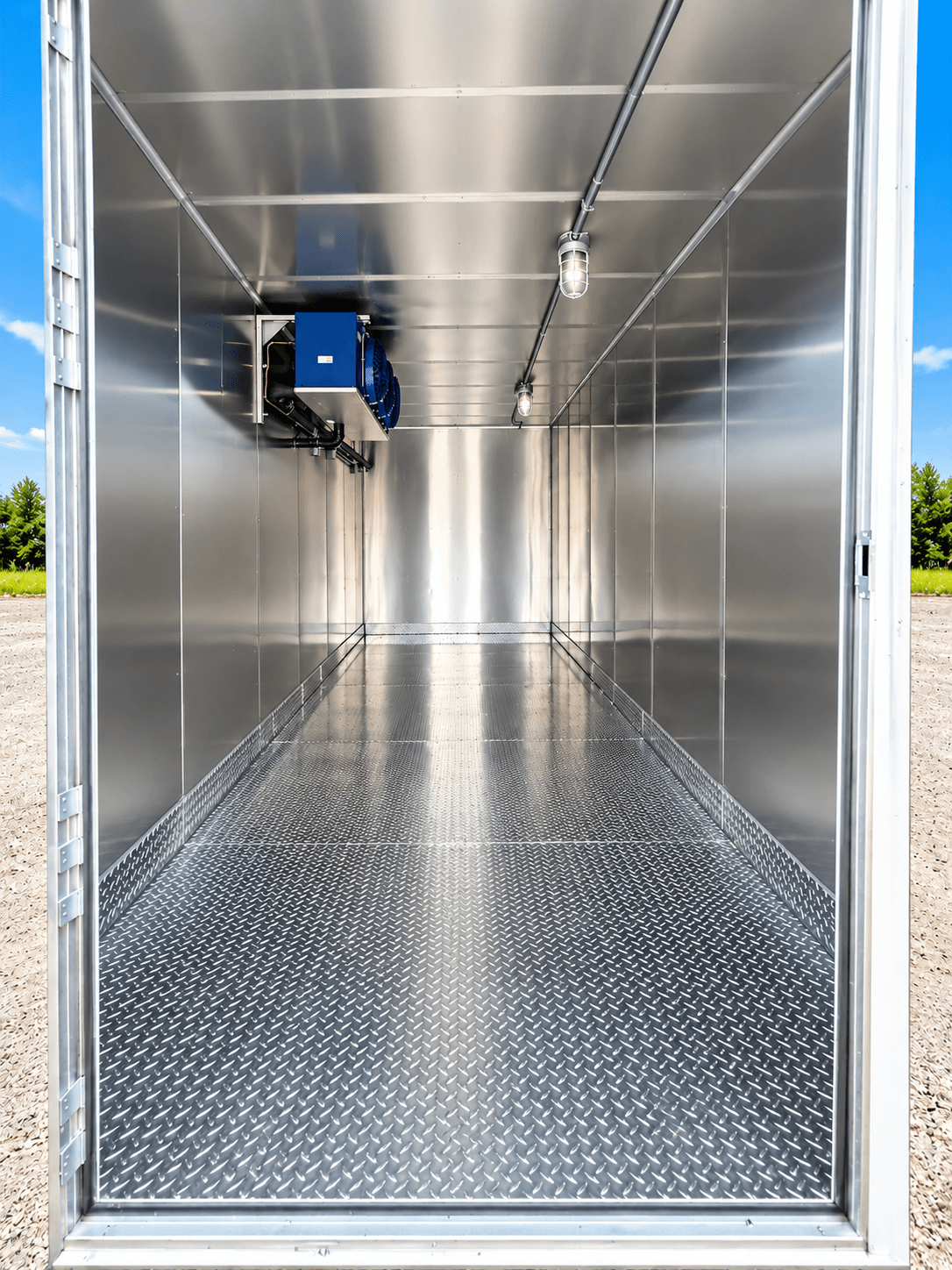
Listed refrigeration trailer equipment: condensing unit, amps panel, lighting.
Equipment records reviewed October 19, 2026. Temperature labels are inventory labels, not verified operating ranges. Nominal length is a model label, not a measure of usable space or site footprint.
The National Weather Service documented the March 3, 2019 Beauregard–Smiths Station tornado in Macon and Lee counties. That regional emergency occurred outside a claim that all of Auburn was affected. It gives commercial operators a reason to keep a refrigeration contingency ready, while leaving today’s assessment of an individual property to the people responsible for its operation and access.
Two other regional records help place that tornado in context. The National Weather Service documented the November 30, 2022 Flatwood–Willow Springs tornado in Montgomery and Elmore counties, and its Hurricane Michael report from October 2018 records widespread outages around Dothan. Read together, the three records show that an interruption can be local or can reach across a region, and none of them describes conditions at an Auburn property.
An Auburn walk-in breakdown may be a storage-only interruption or part of a wider closure. Identify which goods require another cooler and which frozen products need separate conditions. Record whether food preparation can continue inside and whether dishwashing is functioning. A refrigerated proposal should follow those specific facts, with the next supplier arrival included. The historical storm record supplies context, not a promised transport window or authorization to enter an affected property.
When the work involves institutional kitchen projects, the 20ft Refrigerated Container guide is a practical next read, covering one resting place for the whole project and protection for the power connection before a quote is requested.
As checked on October 16, 2026, Auburn’s Boykin Donahue Campus project page gives October 31, 2026 as anticipated substantial completion, with the opening date still to be determined. The city describes a library branch, cultural center and recreation features. Its explicit distinction between construction completion and opening is useful for refrigeration planning at a commercial facility undergoing a similar transition.
For an Auburn operation preparing to open, place the first food delivery beside the date permanent refrigeration becomes usable. If there is a gap, describe the cold-storage load during that interval. A temporary kitchen may have its own move-in and inspection requirements, and dishwashing needs another service discussion. The Boykin project is a sourced local example; we do not claim a rental contract there or infer an equipment requirement from its public timetable.
For healthcare food-service inquiries, the responsible facility lead can provide product handling requirements alongside the quantities expected during each receiving period. Give the reviewer a clear food-service brief, including the supplies affected, expected dates and facility contacts responsible for approving the arrangement.
In May 2024, Auburn approved replacement rooftop HVAC units for the Boykin Community Center and explained that the work would facilitate future planned renovations. This dated announcement concerns an existing facility, separate from the wider campus’s new buildings. It does not establish current work at the center or a need for rented refrigeration. For your project, identify the actual systems and rooms taken out of use.
At an Auburn restaurant or institutional facility, changing connections can affect a permanent cooler before the main interior works begin. Describe when stock must leave and which cold-storage rooms remain available. Give any kitchen relocation its production details; give dishwashing its cleaning workload and proposed connections. The temporary refrigeration period should include receiving during the changeover and the final stock return, rather than only the days shown on a building contractor’s schedule.
Auburn’s January 2025 Boykin construction notice described temporarily relocating the recycling drop-off operation. The later campus project page links a notice that it has returned to a permanent location. That sequence illustrates how access information can change during a long project. A refrigeration delivery should therefore use current property instructions, not the temporary arrangement in an older announcement.
For an Opelika cold-storage request, identify the actual entrance and receiving contact even when an Auburn team manages procurement. For a Tuskegee operation, describe the journey from the proposed refrigerated position to preparation. A Valley property should identify who can approve the placement and confirm utilities. Where kitchen and dishwashing activities share the area, show their movements too. Keep exits and emergency access subject to the property’s review and applicable official instructions.
Auburn refrigeration pricing needs a project quotation for the goods, required conditions, address and full period. Show the busiest receiving overlap and any permanent storage that stays available. No current city-specific tariff is established here. Ask which rental-period charges, transport and collection are included and which preparation, connection or servicing tasks remain with another party.
If acceptance of a permanent cooler is delayed, explain that risk while discussing the refrigeration rental end. Ask how extensions are requested and priced, and what availability must be reconfirmed. Add a mobile kitchen scope only when it is needed, with dishwashing described separately. This keeps the refrigerated proposal focused on your Auburn operation and makes responsibilities visible before the temporary cold storage becomes part of the working schedule.
Before you book
Use the first stock delivery and the date permanent refrigeration is usable, together with the final transfer of refrigerated goods. A public opening date can fall later. The refrigeration quotation should follow the actual cooler requirement and explain what happens if those working dates change.
Yes, describe the mobile kitchen workload and dishwashing needs alongside the refrigerated products. Each function needs its own connection, layout and period review. Including them in one conversation does not establish a bundled configuration, shared utilities or equipment availability.
No. Opelika, Tuskegee and Valley are verified regional place references for inquiries. Each cold-storage project needs its own address and proposal. We do not claim local offices, completed rentals or identical transport arrangements merely because a community appears in this guide.
These public references inform the planning examples; equipment availability and delivery arrangements are confirmed for your address.
Temporary refrigeration, kitchens and dishwashing can support many kinds of food-service operations. Each setting below starts with its own schedule, stock and site questions, and every project is reviewed individually.
Hotels, restaurants and resorts can plan temporary refrigeration around breakfast, banquet and dinner service when a walk-in cooler fails or a kitchen is refurbished.
Hospital, nursing home and care-facility kitchens can describe meal schedules, delivery times and displaced stock so temporary storage follows the food-service routine.
Municipal, county and public-building food-service teams can outline receiving arrangements, responsible contacts and project dates before a quote is prepared.
Dining facility managers can explain the products displaced, the receiving arrangements and the proposed period, then review availability and terms with our team.
Schools, colleges and universities can plan around term dates, serving windows and campus kitchen renovations so meal service can continue during repairs or construction.
Plant cafeterias and employee dining areas can describe shift patterns and staged building work so temporary cold storage can be reviewed against the working schedule.
Caterers and venues can plan preparation windows, event days and overflow ingredients, and describe how stock moves between storage, the kitchen and service.
Producers, wholesalers and distributors can describe loading, staging and storage needs when a cooler breaks down or demand temporarily exceeds capacity.
These examples describe planning situations. Equipment, availability and terms are confirmed in a project quote.
Cold storage is only one part of a project. These are the questions we work through with you before anything is booked.
Start with refrigerated containers and refrigeration trailers, then add a temporary kitchen or dishwashing trailer when the project needs one, all in a single conversation.
Access, utilities and the intended position are reviewed before delivery is arranged, so the equipment is matched to your site rather than the other way around.
Whether a walk-in cooler failed this morning or a renovation is months away, describe the real situation and plan around the stock, dates and people involved.
Planning guides cover all 50 states and more than 700 cities. Your address is then confirmed for equipment and delivery.
Use the rental calculator for a rate-range estimate and setup amount, then request a project quote that confirms availability, transport and the rental period.