BXRT20–1Refrigerated trailer
- Nominal length
- 20ft
- Listed electrical supply
- 220V · single-phase · 40–60A
- Inventory temperature label
- 32°F
Temporary cold storage in Mobile, Alabama
Mobile refrigeration trailer rentals give commercial food-service teams another cold-storage option to discuss when a walk-in cooler or freezer fails. Refrigerated containers can also bridge planned building work, with mobile kitchen and dishwashing needs reviewed when those operations move. Worldwide Refrigerated Container Rental Facilities serves Alabama businesses, including restaurants, hotels, schools, healthcare facilities and caterers. A short repair and a longer lease should each follow the refrigerated stock affected and the period it remains outside. Share the Mobile property address, receiving pattern and dates to discuss delivery coordination, suitable equipment, current availability and a written project quote.
Emergency cooler or freezer failure in Mobile? A person answers rental inquiries 24/7. Availability and delivery timing are confirmed in your quote.
Plan your rental budget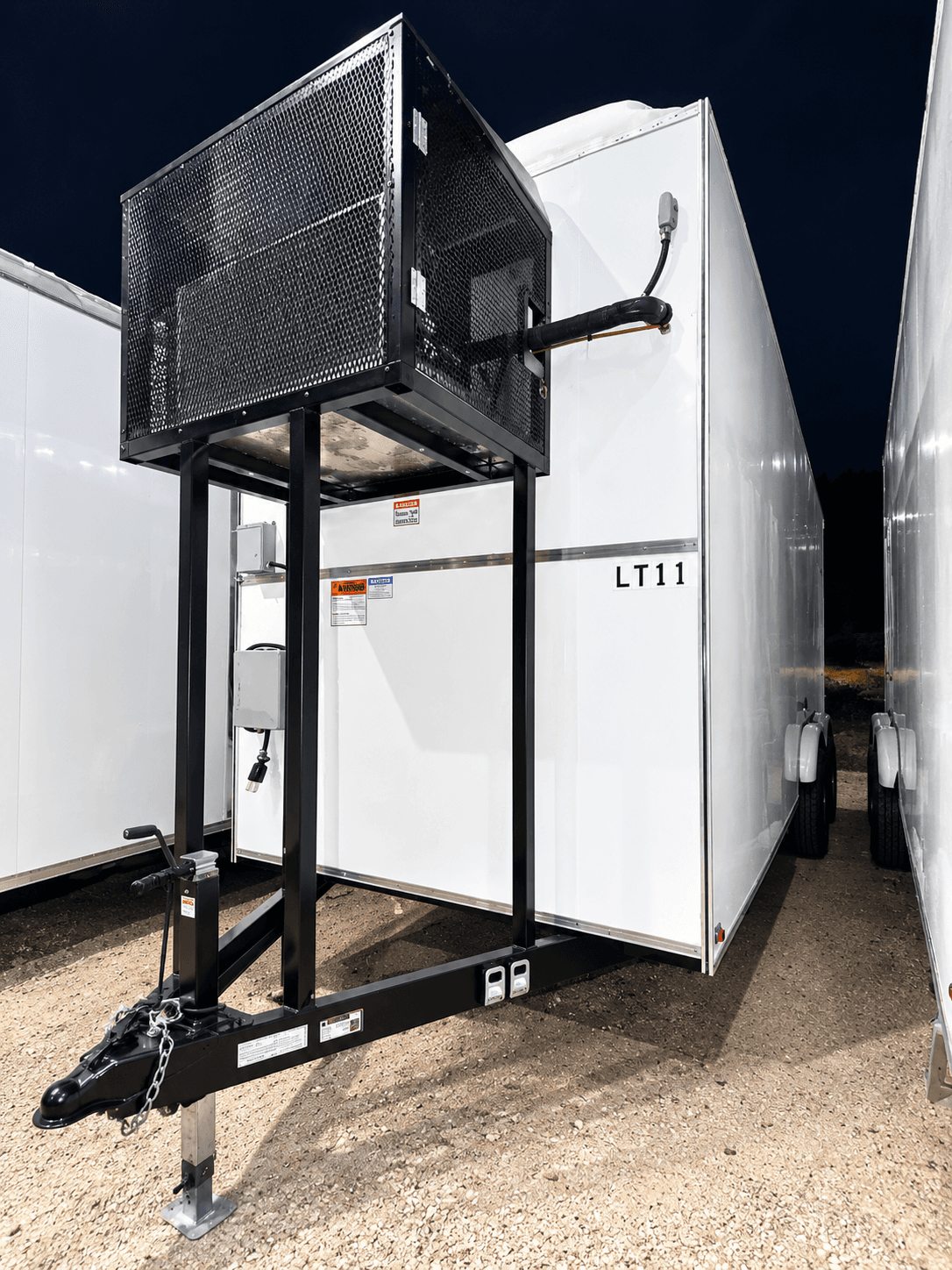
Compare the equipment
These published examples describe named company units. The supplied equipment, configuration and availability are confirmed for your project address.
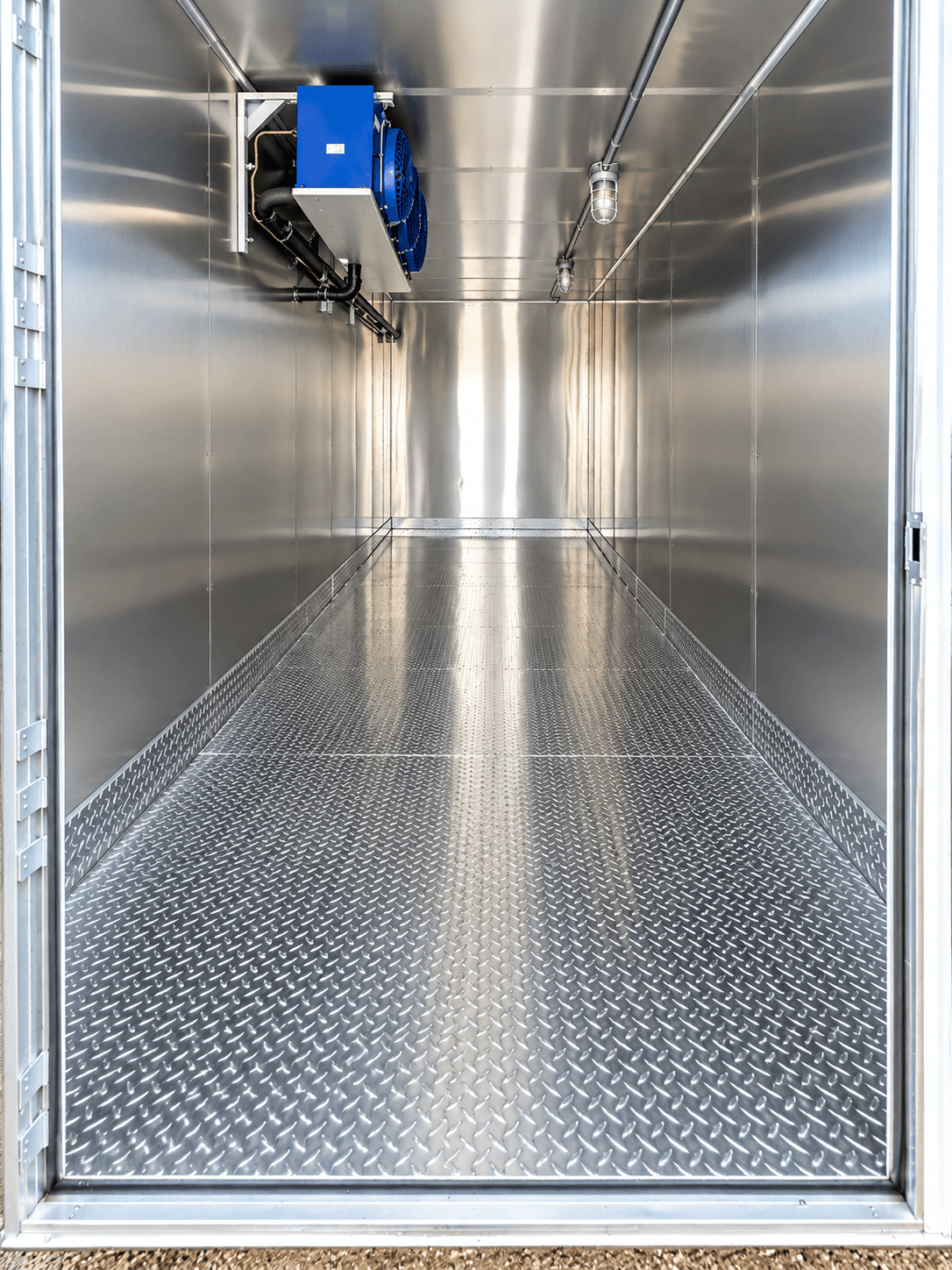
Listed refrigeration trailer equipment: condensing unit, amps panel, lighting.
Equipment records reviewed October 19, 2026. Temperature labels are inventory labels, not verified operating ranges. Nominal length is a model label, not a measure of usable space or site footprint.
National Weather Service reporting on Hurricane Sally in September 2020 describes wind and flooding across coastal Alabama, including significant tree damage in parts of Mobile County. This is historical regional context for emergency refrigeration planning, not a claim that every Mobile property experienced the same conditions. When a commercial cooler fails during disruptive weather, describe what the site representative can verify about access and utilities.
A Mobile operator should distinguish an isolated refrigeration breakdown from a wider interruption that also stops receiving or food preparation. Record the goods requiring another chilled or frozen store and the deliveries already committed. Explain whether the kitchen remains operational and whether dishwashing service has been interrupted. The temporary refrigerated arrangement must be assessed against those facts; a requested delivery time is not an accepted booking or a forecast of road conditions.
If the inquiry concerns restaurant interruptions, compare the plan with the 12ft Refrigerated Trailer guide, which explains which stock must move first and how to rotate stock in a small interior.
Mobile’s official Regions Arena project page states that the arena broke ground in spring 2025 and is expected to open in spring 2027. As checked in October 2026, that remains a published construction expectation, not a guaranteed completion date. The wider work includes the former Civic Center site, roads and utilities. We reference the public project as a local scheduling example without implying a supplier relationship.
For a Mobile commercial opening alongside major construction, connect temporary refrigeration to the first supplier delivery and the acceptance of permanent equipment. An opening announcement does not describe the cooler load or the space available to position a trailer. If the operating plan includes a mobile kitchen, outline production separately. Discuss dishwashing only with the actual cleaning workload, connections and inspection responsibilities for the proposed operation.
A military dining representative can explain which goods move temporarily while other food-service functions remain within the property's existing working arrangement. Describe how food supplies arrive and reach preparation staff, with the dining lead available to clarify the busiest receiving and retrieval periods.
Mobile posted its Government Plaza various-area painting procurement on August 11, 2026, advertising a September bid deadline. The official notice now says the process is on hold because of limited qualified-bidder participation. This is a recent, documented improvement proposal for an existing public building, not evidence that painting is underway. It illustrates why the room-by-room scope and actual work status matter. Refrigeration displaced by maintenance should follow the operator’s confirmed closure sequence.
For another comparison, the guide for operators in Daphne covers commercial venue renovations, citing the City of Daphne entry “Bayfront Park project notice, May 26, 2026”. It describes a different property and is useful mainly for the questions it raises.
A restaurant in Mobile may retain its preparation area while losing the permanent cold room. Identify what the rented cooler must hold before and after each supplier visit. If the refurbishment also removes cooking space, explain the temporary kitchen requirement; if wash-up moves, give the dishwashing arrangement its own review. Keep freezer stock visible as a separate requirement rather than assuming an additional refrigerated space handles every product.
Use the Mobile property’s approved entrance and delivery instructions for a refrigeration request, then check current restrictions with the site contact and official road or emergency information. Leave evacuation instructions and access decisions to the responsible authorities. A nearby public highway or a past arena construction plan does not confer permission to enter an active worksite or predict a safe delivery approach.
A refrigeration inquiry from Chickasaw should identify that address even when procurement is managed in Mobile. For Prichard, explain the working entrance and any other contractors sharing the position. A Semmes caterer should show how ingredients move from cold storage to preparation before the event opens. Include kitchen and dishwashing movements where those functions share the site, so an initially convenient trailer position does not interrupt daily operations.
The useful Mobile refrigeration price is a written proposal for the products, address and complete period. Describe the busiest stored quantity, required conditions and receiving frequency. Include stock arriving before public service and goods remaining after it ends. No current city-specific rental rate is published here. Ask the proposal to identify rental-period charges, transport, collection and the responsibilities for site preparation, utility connections and servicing.
A refrigerated trailer lease for a phased refurbishment may need extensions when permanent equipment is delayed. Agree how those changes are requested and priced. Where the inquiry also concerns a temporary kitchen, keep its workload and period visible beside the refrigeration requirement. Add dishwashing requirements as a separate part of the same project conversation. The calculator estimates a range from published rates and adds a setup and delivery starting amount, while collection, taxes and site charges stay separate.
Before you book
These examples do not imply a supplier relationship. The municipal sources explain local construction and renovation context. Your Mobile refrigeration inquiry needs its own delivery address, dates, equipment review and quotation; a named development does not imply our involvement or the availability of a refrigeration unit.
Show the first ingredient delivery, the busiest cooler load and the goods left afterward. Separate the refrigeration task from cooking in a temporary kitchen and cleaning through dishwashing. Those operating details describe the rental period more accurately than guest hours alone.
A forecast is only one input. Access permission, current restrictions, the proposed equipment and transport arrangements still need confirmation. Tell us what is known at the Mobile property and keep an appropriate site contact involved when reviewing a temporary cold-storage proposal.
These public references inform the planning examples; equipment availability and delivery arrangements are confirmed for your address.
Temporary refrigeration, kitchens and dishwashing can support many kinds of food-service operations. Each setting below starts with its own schedule, stock and site questions, and every project is reviewed individually.
Hotels, restaurants and resorts can plan temporary refrigeration around breakfast, banquet and dinner service when a walk-in cooler fails or a kitchen is refurbished.
Hospital, nursing home and care-facility kitchens can describe meal schedules, delivery times and displaced stock so temporary storage follows the food-service routine.
Municipal, county and public-building food-service teams can outline receiving arrangements, responsible contacts and project dates before a quote is prepared.
Dining facility managers can explain the products displaced, the receiving arrangements and the proposed period, then review availability and terms with our team.
Schools, colleges and universities can plan around term dates, serving windows and campus kitchen renovations so meal service can continue during repairs or construction.
Plant cafeterias and employee dining areas can describe shift patterns and staged building work so temporary cold storage can be reviewed against the working schedule.
Caterers and venues can plan preparation windows, event days and overflow ingredients, and describe how stock moves between storage, the kitchen and service.
Producers, wholesalers and distributors can describe loading, staging and storage needs when a cooler breaks down or demand temporarily exceeds capacity.
These examples describe planning situations. Equipment, availability and terms are confirmed in a project quote.
Cold storage is only one part of a project. These are the questions we work through with you before anything is booked.
Start with refrigerated containers and refrigeration trailers, then add a temporary kitchen or dishwashing trailer when the project needs one, all in a single conversation.
Access, utilities and the intended position are reviewed before delivery is arranged, so the equipment is matched to your site rather than the other way around.
Whether a walk-in cooler failed this morning or a renovation is months away, describe the real situation and plan around the stock, dates and people involved.
Planning guides cover all 50 states and more than 700 cities. Your address is then confirmed for equipment and delivery.
Use the rental calculator for a rate-range estimate and setup amount, then request a project quote that confirms availability, transport and the rental period.