Confirm that the site can receive a unit of this length
A 40ft refrigerated container is the larger option, and it needs a site that can receive its length. The nominal label gives the model size; door clearance, floor plan, power and usable space are confirmed in your quote for the assigned unit. A longer body also changes the transport route and the space needed to place it, so measure the site first.
The working position needs to support both arrival and repeated use. Doors, service access, staff routes and the delivery vehicle’s space extend the review beyond the container body. Those details should be established from the assigned unit and property measurements before a larger-model inquiry becomes a placement plan, particularly where access changes during building work.
Review how the photographs relate to the model
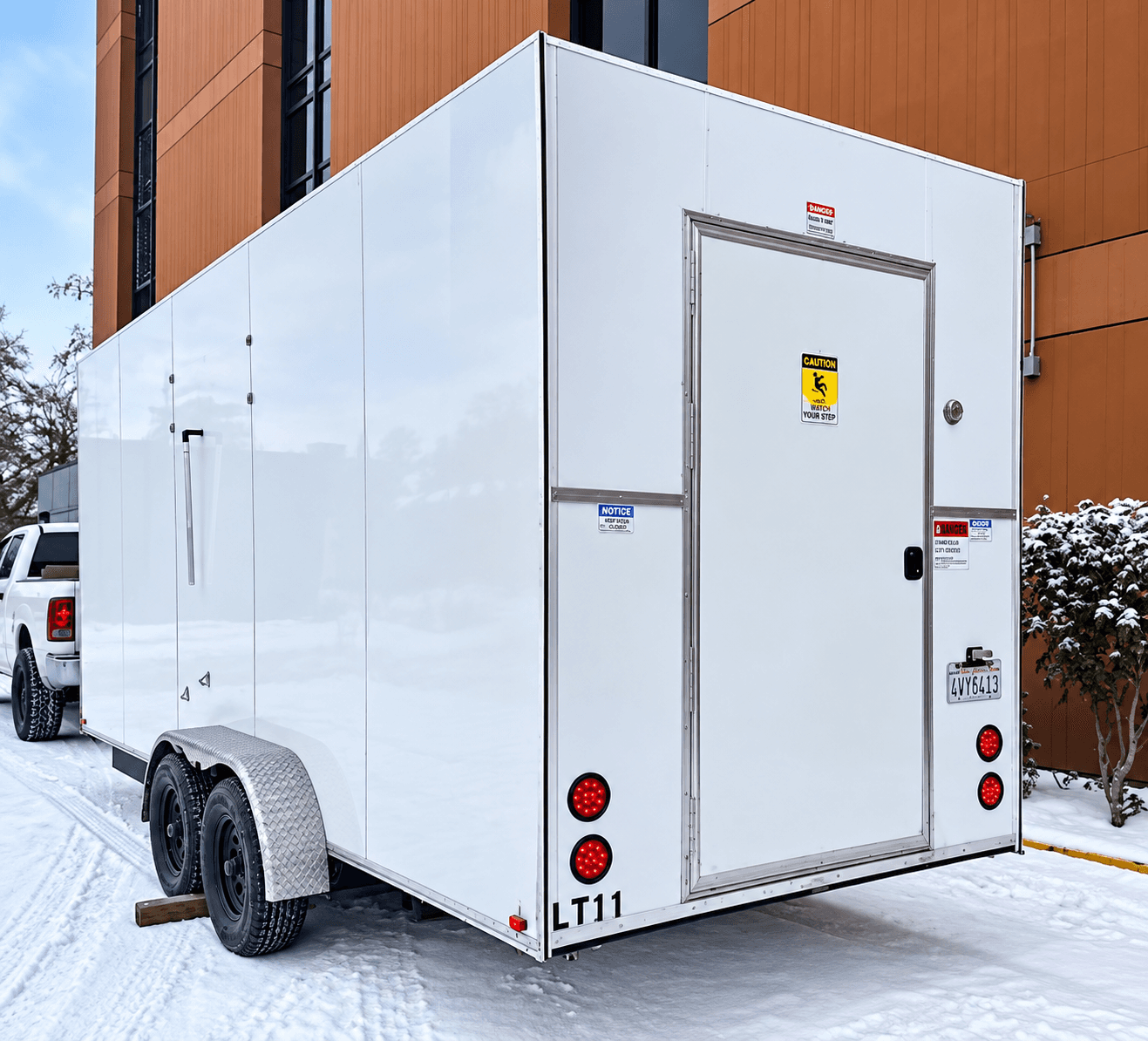
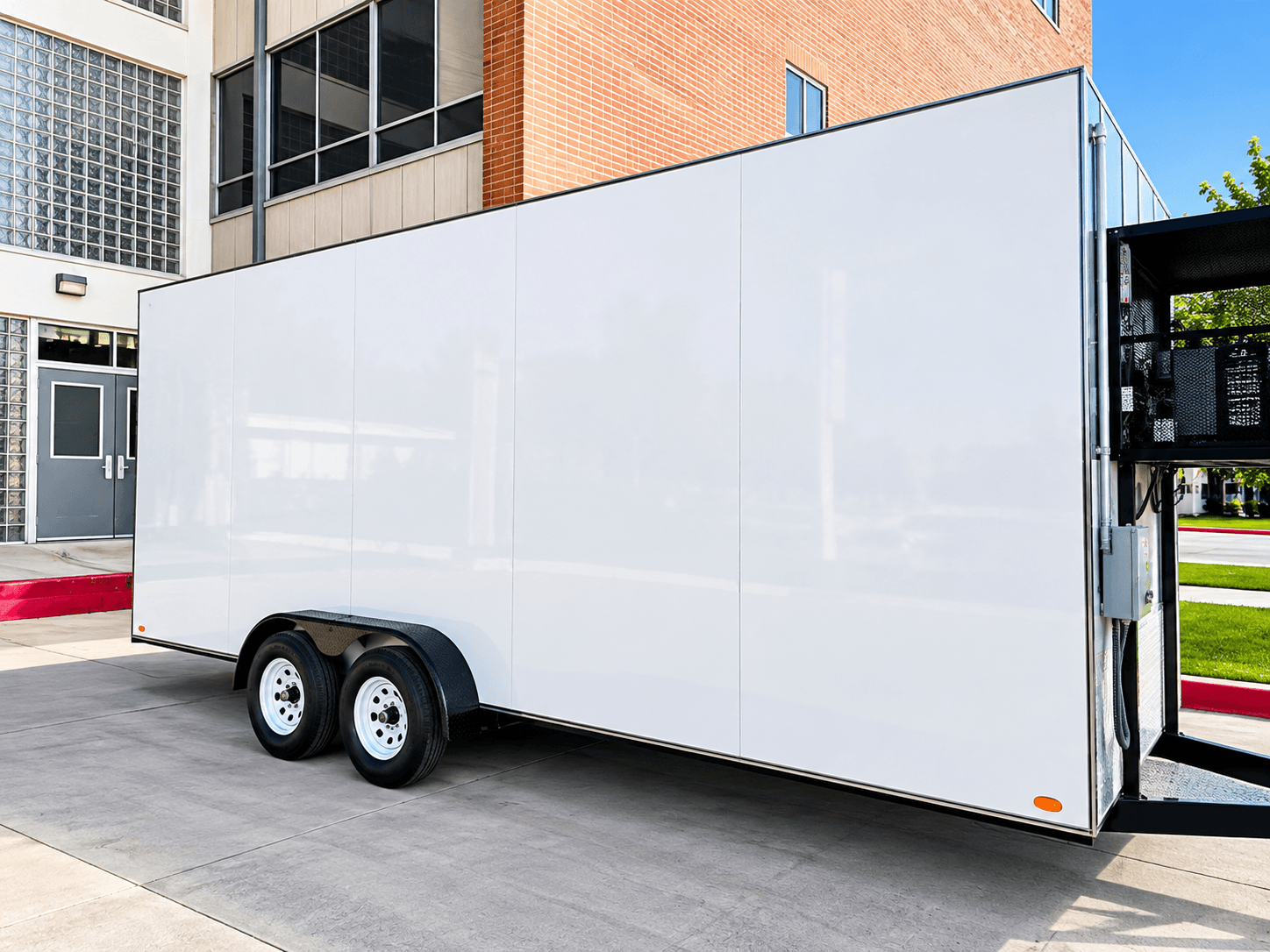
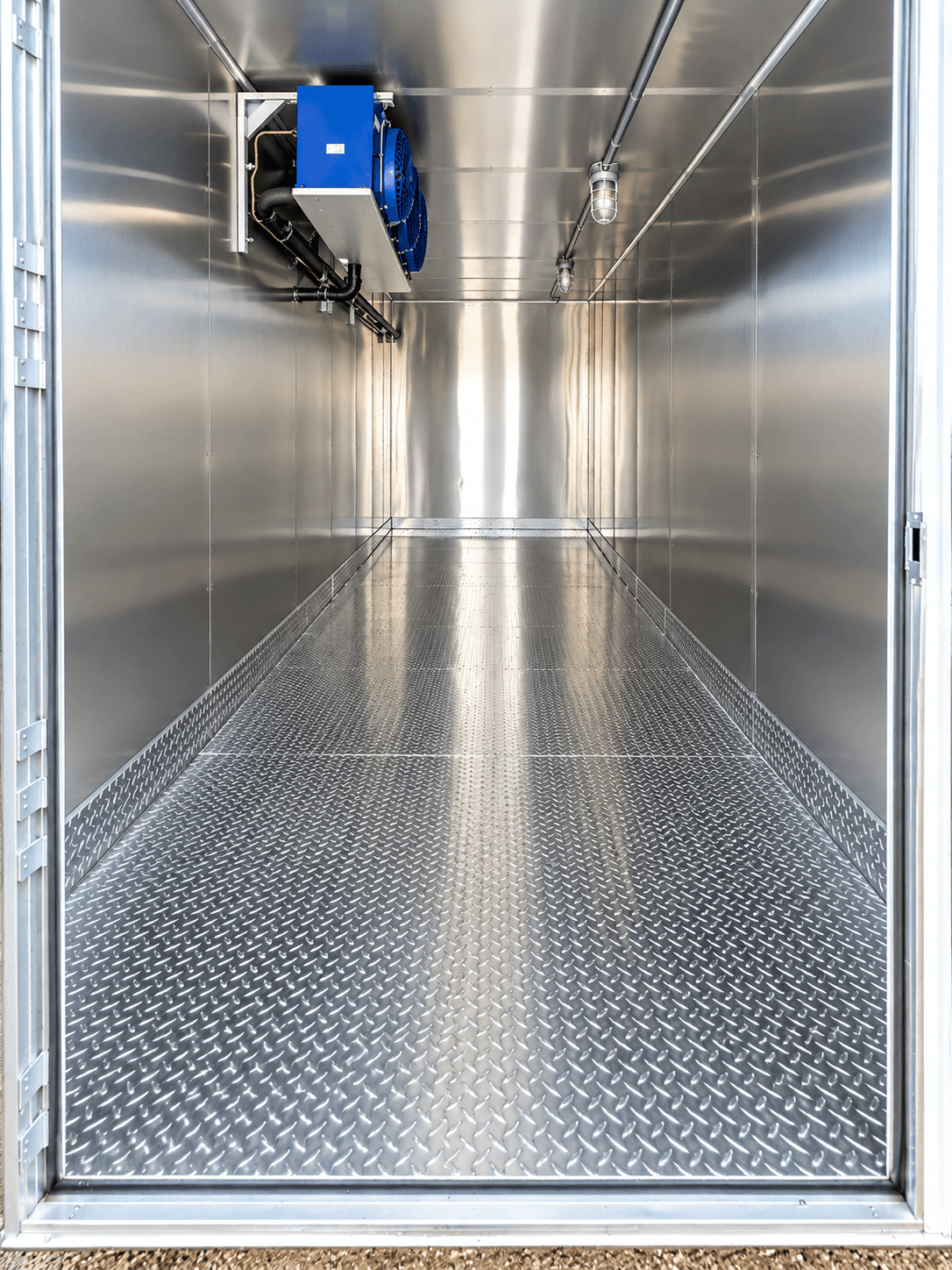
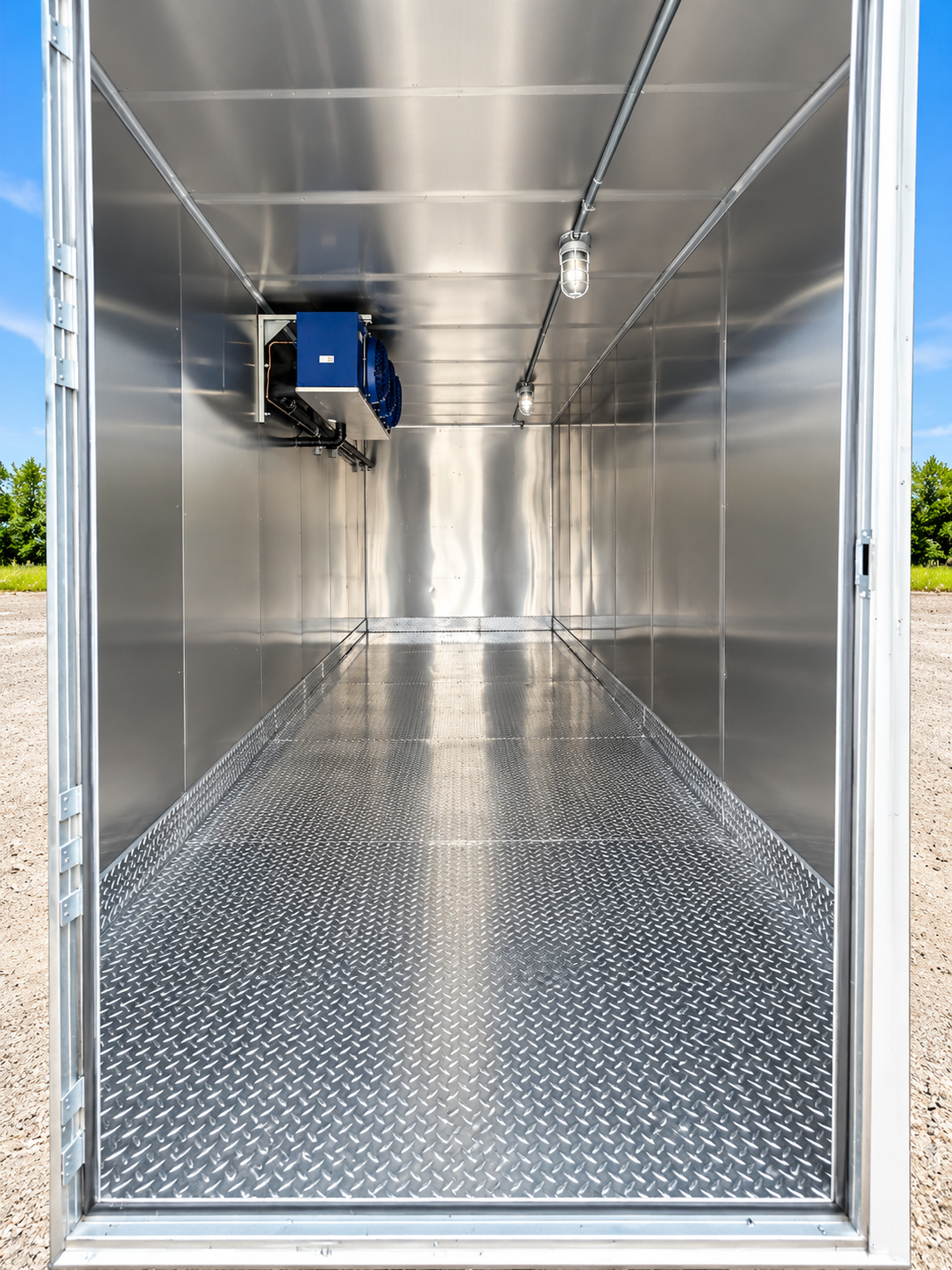
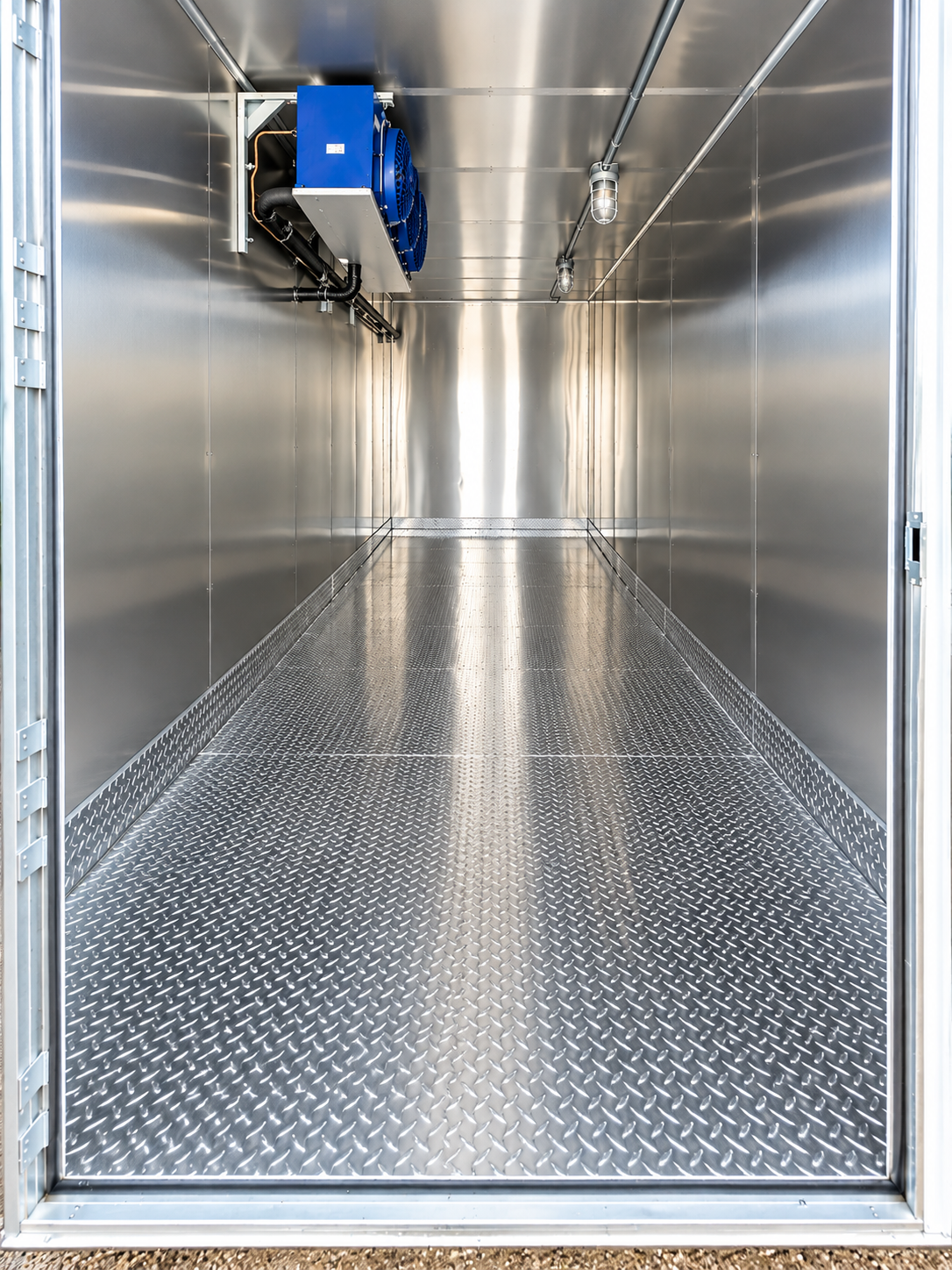
Our photo library does not yet include a 40ft refrigerated container, so this page uses reference images from the 20ft container folder and labels them as such. They illustrate visible cold-storage features but do not show the 40ft unit you would be assigned.
Ask for exterior and interior views and a measured layout of the unit proposed for your project; they make a larger-model comparison much more useful. Until you have them, check door openings, racking and usable floor area with the team, and avoid calculating capacity from the repeated reference image or the nominal length.
Prepare the ground and the surroundings
A long refrigerated container carries considerable weight, so the ground must be suitable. Look at firmness, slope and drainage, and note any soft areas, drains, buried services or surfaces that could be damaged. Ask what preparation the team expects and who is responsible for it.
Check for overhead lines, trees, walls and buildings that could limit how the container is put down or collected. A landlord, property manager or campus facilities office may need to approve the position, so ask early. Good preparation prevents delays on the day the unit arrives.
Plan the delivery route and any road or yard restrictions
A long unit needs a wider sweep to turn and may meet restrictions that smaller vehicles avoid. Note any narrow roads, tight yard entrances, weight limits, low bridges or time-of-day rules on the way to the site. Check whether any parked vehicles or temporary fencing will need to move.
Provide the rental team with the exact address, a contact who can open gates and photographs of each difficult point. Ask what is needed for delivery and pickup and who will direct the vehicle on site. Clear answers at this stage make the quote more meaningful.
Work out the electrical supply carefully
Ask for the assigned 40ft unit's voltage, phase, amperage and connector before the property arranges a connection. A larger model does not automatically mean a larger electrical load, and details from a different container should not be assumed. A qualified site professional can review the available services once that information is in hand.
The supply position and service route should remain accessible throughout the rental period. The property also needs its own plan for interruptions, reviewed with the people responsible for the stored products. Ask what monitoring or backup arrangements, if any, come with the proposed unit, and do not assume them from the photographs on this page.
Organize a large space for several teams
A big container can serve a kitchen, a production area, a venue bar and a storeroom at once. Agree who may open the door, how product is labeled and how stock is rotated. Without a clear structure, a large unit can become hard to manage and wasteful.
Divide the interior into zones on paper before the unit arrives and decide who is responsible for each. Name one person to coordinate with the rental team. A short briefing at the start and a regular check during the rental help the arrangement run smoothly.
Match the rental period to long projects
Large containers are often discussed for long renovations, seasonal peaks or extended events. Give the rental team the best schedule you have, including milestones and the dates by which the permanent storage will be ready. Mark any dates that could shift.
Ask how an extension would work and what notice is needed to end the rental early. Historical prices on this site are dated references and do not state a current offer. Current rates, minimum terms and additional charges are confirmed in a project quote.
Prepare the quote request
Gather your volume estimate, measurements, route and position photographs, power information and dates before contacting Worldwide Refrigerated Container Rental Facilities. Ask which container is proposed, whether it is available and what the rental or lease arrangements would be at your address.
Ask also about handback, including emptying, cleaning and collection. Request the actual dimensions and photographs of the unit. The team can prepare a project quote once your requirements and site are clear.