BXRT20–1Refrigerated trailer
- Nominal length
- 20ft
- Listed electrical supply
- 220V · single-phase · 40–60A
- Inventory temperature label
- 32°F
Temporary cold storage in Miami, Florida
Miami hotels, restaurants and caterers can need temporary cold storage after a commercial walk-in cooler or freezer fails, as well as during planned repairs or renovations. Refrigeration trailers, refrigerated containers, portable coolers and freezers serve different holding requirements. Worldwide Refrigerated Container Rental Facilities serves Florida with short-term rental and longer lease inquiries for commercial food operations. Mobile kitchen and dishwashing trailers can support preparation and cleanup if those areas also close. Equipment review and delivery coordination follow the actual property, product conditions and dates when ingredients need holding. Request availability and a Miami project quote from our team.
Emergency cooler or freezer failure in Miami? A person answers rental inquiries 24/7. Availability and delivery timing are confirmed in your quote.
Plan your rental budget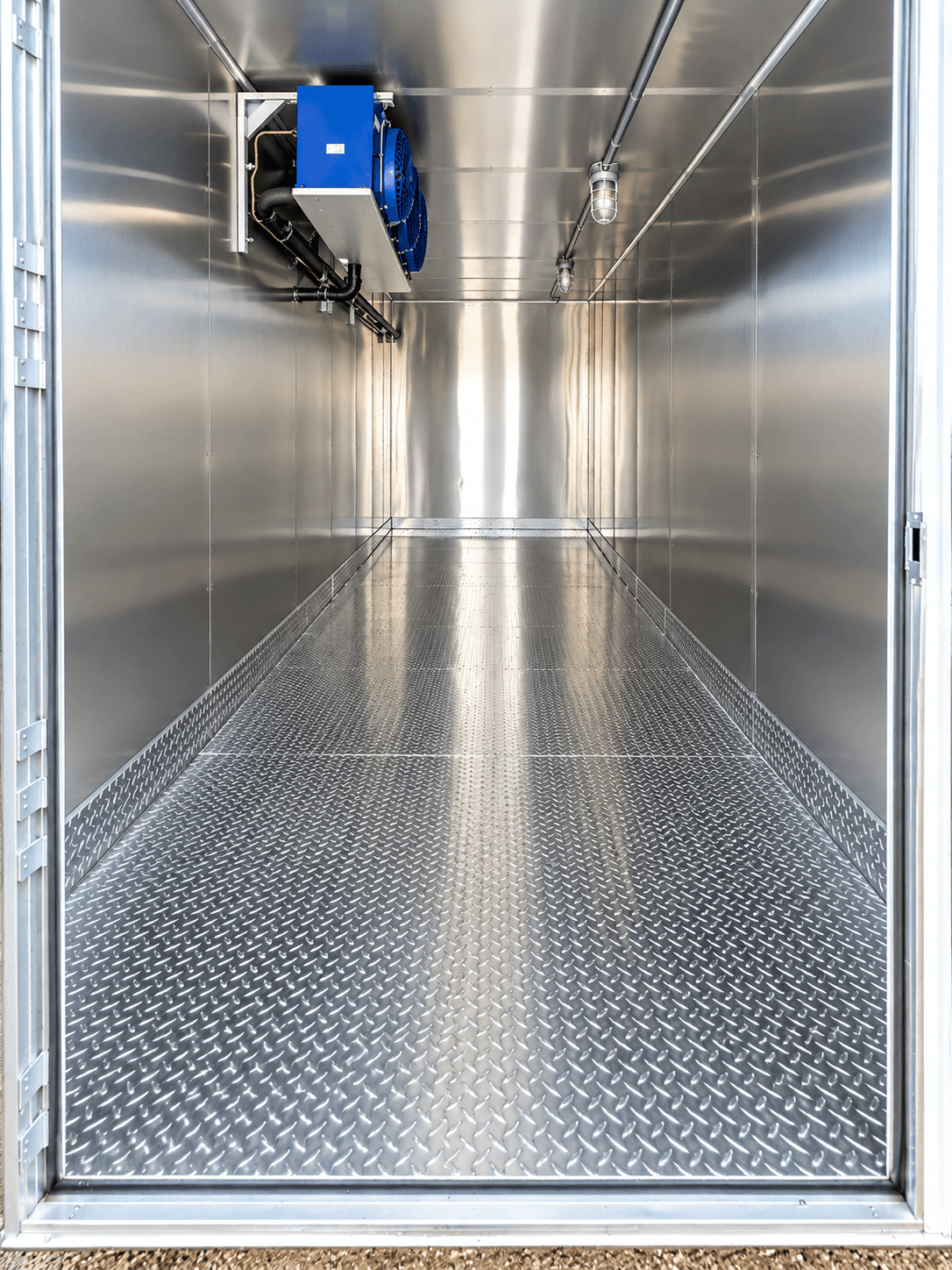
Compare the equipment
These published examples describe named company units. The supplied equipment, configuration and availability are confirmed for your project address.
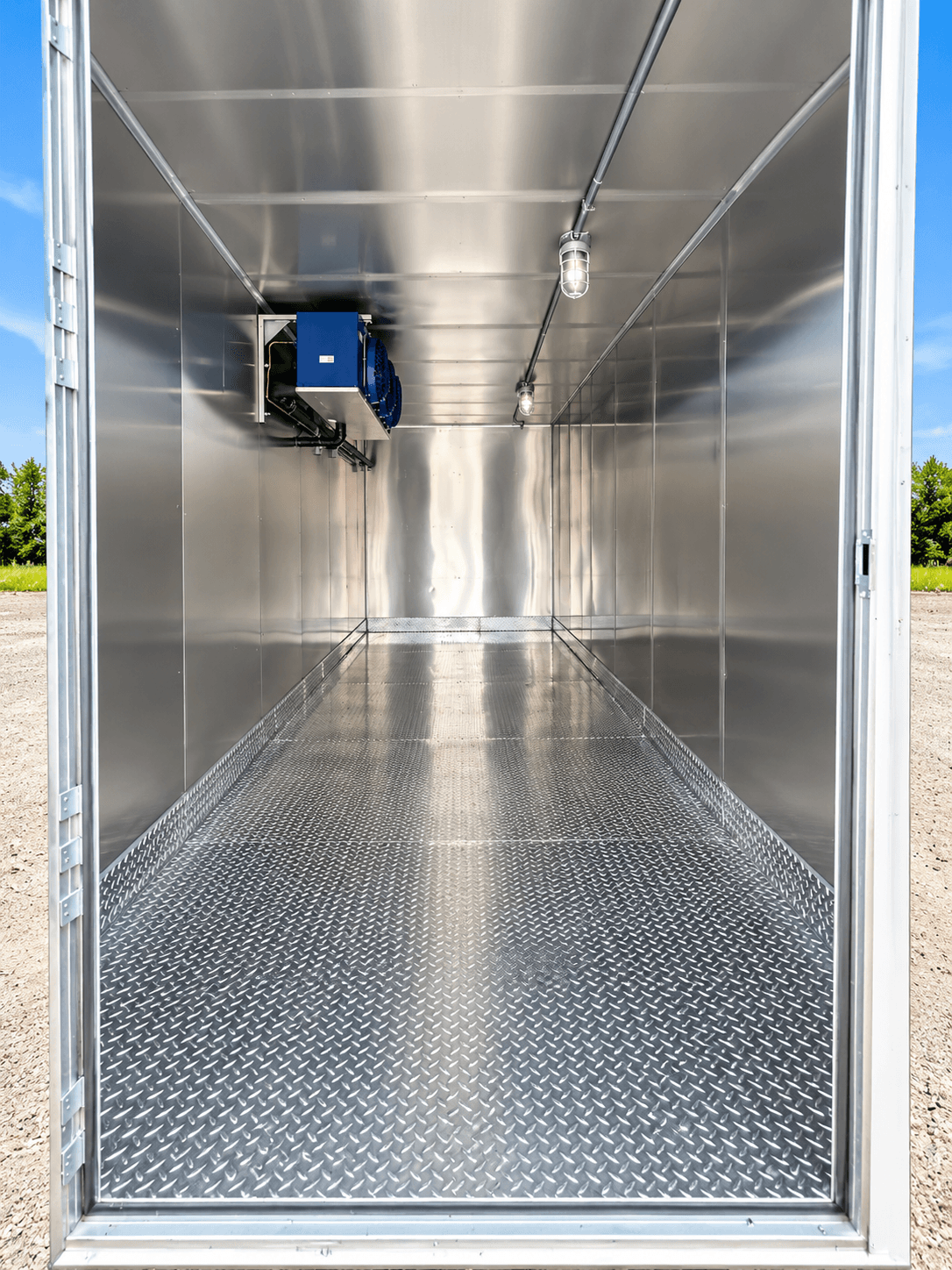
Listed refrigeration trailer equipment: condensing unit, amps panel, lighting.
Equipment records reviewed October 19, 2026. Temperature labels are inventory labels, not verified operating ranges. Nominal length is a model label, not a measure of usable space or site footprint.
A Miami hospitality renovation can displace a cold room while regular meals and catered functions continue. The temporary refrigerated load includes the ingredients already held and later orders due while repairs proceed. Daily preparation stock, frozen reserves and goods allocated to another function need separate conditions and identifiable access. A reduced menu or staged room closure can change those quantities during the work.
A Miami Beach operation needs its own receiving address and authorized food-service arrangements. The Convention Center there, for example, lists exclusive catering separately from its preferred service providers. That venue policy belongs to that property, and City of Miami procedures should not be carried across the municipal boundary. A West Miami preparation site and Miami Springs storage property likewise need their own loads and connections even when one purchasing team coordinates them.
The 20ft Refrigerated Container guide distinguishes a model label from its still-unconfirmed usable capacity and connection details. The trailer examples above have individual electrical entries and inventory temperature labels; they do not establish one operating range for every cold store. The actual doorway, interior and agreed fittings should suit the ingredients and packaging that staff handle throughout service.
For events within its special-event process, the City of Miami requests property authority and an outdoor site plan or indoor floorplan. Its guidance includes structures, food-vending areas, entrances and exits, generator size and electrical supply or connections. A proposed refrigerated position should be considered with those working elements. An empty guest parking space alone does not establish permission or a usable connection.
The City distinguishes limited special-event affidavit arrangements from structures that may need other review. The applicable process depends on the actual event and proposed work. The authorized property and event teams should settle the arrangement, including any temporary kitchen or dishwashing function. Receiving needs to remain separate from the movement of guests and returned service items.
A Hialeah preparation team supplying service in Miami Gardens can have ingredients arriving before the venue accepts event deliveries. Holding stock at the preparation address and moving it near service later are distinct tasks. Cartons received in bulk and small quantities collected repeatedly can also use the space differently. Match the proposed refrigerated doorway and arrangement with those movements rather than one total for the entire function.
Food production schedules in Miami or Miami Beach, Florida, can change after ingredients are ordered, leaving receiving staff to reconcile deliveries with the revised preparation plan. Ask how the operator records returned goods and separates them from available stock before agreeing the proposed equipment position and product route.
Jackson Health’s visitor information identifies cafeteria arrangements at separate hospital campuses, including food and coffee service at Jackson Memorial. For a comparable institutional refurbishment, public dining and ingredient receiving can have different locations and responsibilities. The temporary cold-storage task follows the actual food-service products and collection routine, with requirements set by the facility’s responsible team.
A Miramar refurbishment supporting a Miami operation can also return rooms in stages. One permanent refrigerated room may reopen while another remains unavailable and ordinary supplier orders continue. The unit at each address needs a defined load through those changes. Cooking or dishwashing can move on a different timetable, so its release should follow the function restored rather than the first construction milestone.
NOAA describes Florida’s hot, humid summers and frequent warm-season thunderstorms. For outdoor refrigeration, the intended months, actual surface drainage and staff approach belong beside the supplied unit’s technical requirements. Statewide weather context does not establish that a particular position remains usable or that every refrigerated unit performs alike. Later construction and other suppliers can change the approach even when the equipment stays in place.
The last temporary refrigerated load can remain after repairs finish. Staff may transfer ingredients in stages while receiving orders for the next service, and both storage locations can be active during the changeover. The complete period follows those products through final clearance. A short rental or longer lease should account for that overlap rather than end automatically when a function closes or a contractor leaves.
A Miami proposal should name the assigned equipment and establish its period, availability, transport, collection and connection responsibilities. Setup and delivery is shown as a starting amount only; transport for the actual address, collection and other trips are confirmed in the quote. Extensions, revised dates and any separate kitchen or dishwashing provision need agreed terms. Request availability and a project quote for the full working arrangement.
Before you book
Keep their required conditions and retrieval patterns distinct, then show the busiest overlap. Include normal orders continuing alongside catered functions. This gives equipment selection the complete working load rather than consider event supplies without the everyday ingredients still depending on temporary storage during the refurbishment.
Staff continue using the entrance for preparation and suppliers keep arriving while work progresses. Later construction can change those routes even if the unit stays in place. Include those phases so the arrangement is considered through its period of use, not only at the first unloading.
Describe which products return inside at each stage and the final remaining temporary load. This connects the expected period with actual storage use. Confirm terms for changes in the quote rather than assuming the first repaired room or construction milestone ends every refrigeration requirement.
These public references inform the planning examples; equipment availability and delivery arrangements are confirmed for your address.
Temporary refrigeration, kitchens and dishwashing can support many kinds of food-service operations. Each setting below starts with its own schedule, stock and site questions, and every project is reviewed individually.
Hotels, restaurants and resorts can plan temporary refrigeration around breakfast, banquet and dinner service when a walk-in cooler fails or a kitchen is refurbished.
Hospital, nursing home and care-facility kitchens can describe meal schedules, delivery times and displaced stock so temporary storage follows the food-service routine.
Municipal, county and public-building food-service teams can outline receiving arrangements, responsible contacts and project dates before a quote is prepared.
Dining facility managers can explain the products displaced, the receiving arrangements and the proposed period, then review availability and terms with our team.
Schools, colleges and universities can plan around term dates, serving windows and campus kitchen renovations so meal service can continue during repairs or construction.
Plant cafeterias and employee dining areas can describe shift patterns and staged building work so temporary cold storage can be reviewed against the working schedule.
Caterers and venues can plan preparation windows, event days and overflow ingredients, and describe how stock moves between storage, the kitchen and service.
Producers, wholesalers and distributors can describe loading, staging and storage needs when a cooler breaks down or demand temporarily exceeds capacity.
These examples describe planning situations. Equipment, availability and terms are confirmed in a project quote.
Cold storage is only one part of a project. These are the questions we work through with you before anything is booked.
Start with refrigerated containers and refrigeration trailers, then add a temporary kitchen or dishwashing trailer when the project needs one, all in a single conversation.
Access, utilities and the intended position are reviewed before delivery is arranged, so the equipment is matched to your site rather than the other way around.
Whether a walk-in cooler failed this morning or a renovation is months away, describe the real situation and plan around the stock, dates and people involved.
Planning guides cover all 50 states and more than 700 cities. Your address is then confirmed for equipment and delivery.
Use the rental calculator for a rate-range estimate and setup amount, then request a project quote that confirms availability, transport and the rental period.