BXRT20–1Refrigerated trailer
- Nominal length
- 20ft
- Listed electrical supply
- 220V · single-phase · 40–60A
- Inventory temperature label
- 32°F
Temporary cold storage in Naples, Florida
Naples refrigeration trailer rentals address an immediate commercial problem when a walk-in cooler or refrigeration unit stops working. Mobile kitchen and dishwashing trailer options can also be discussed when the disruption reaches cooking or cleaning. Short-term rentals may bridge a repair, while longer leasing can support a planned hospitality refurbishment or industrial dining project. Hotels, restaurants, institutions and commercial food operators should identify the stock displaced and their next receiving date. Share the Naples delivery address, usable space and work schedule so equipment needs and transport coordination can be reviewed. Request availability and a quote from Worldwide Refrigerated Container Rental Facilities matched to your project.
Emergency cooler or freezer failure in Naples? A person answers rental inquiries 24/7. Availability and delivery timing are confirmed in your quote.
Plan your rental budget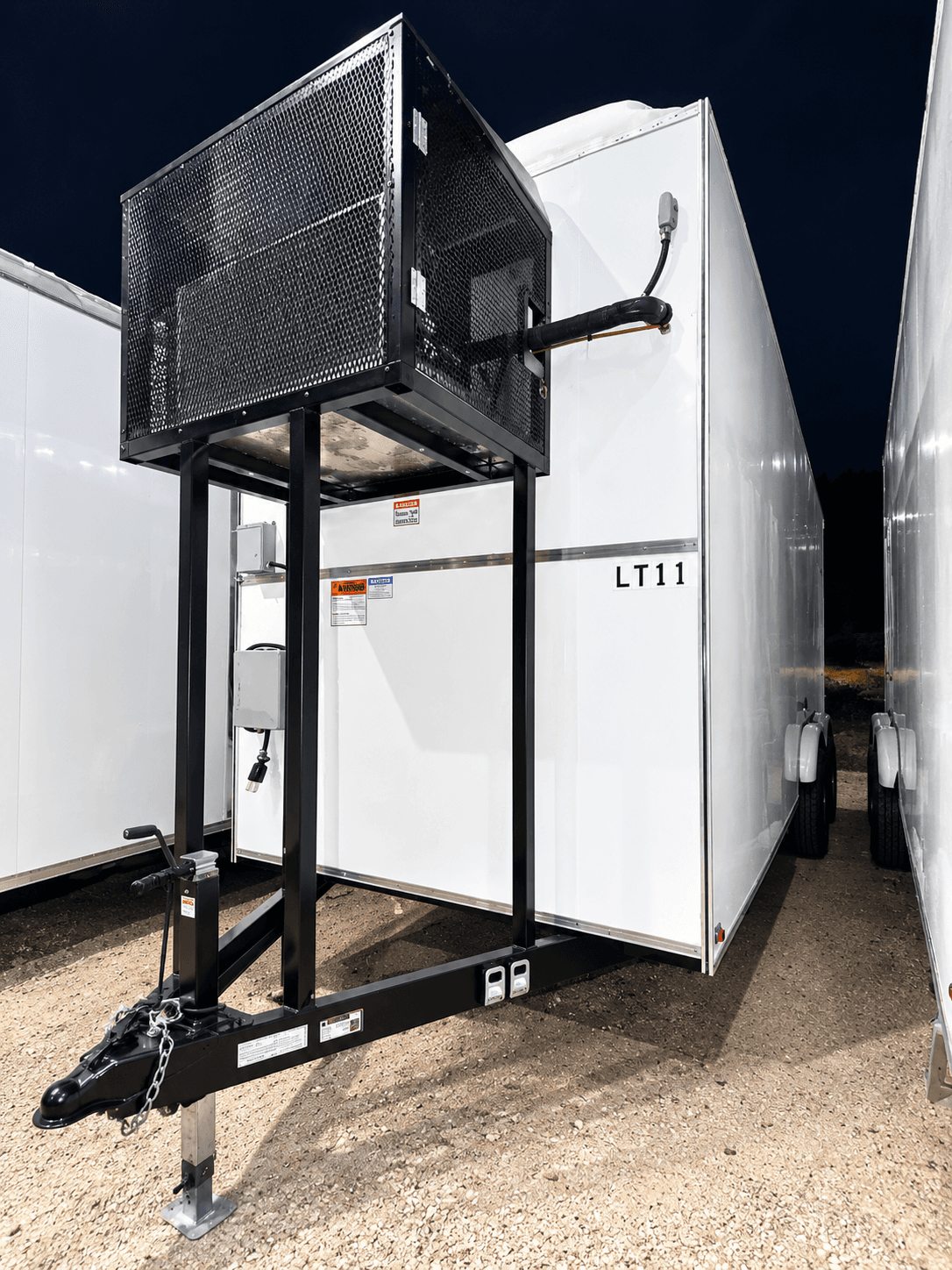
Compare the equipment
These published examples describe named company units. The supplied equipment, configuration and availability are confirmed for your project address.
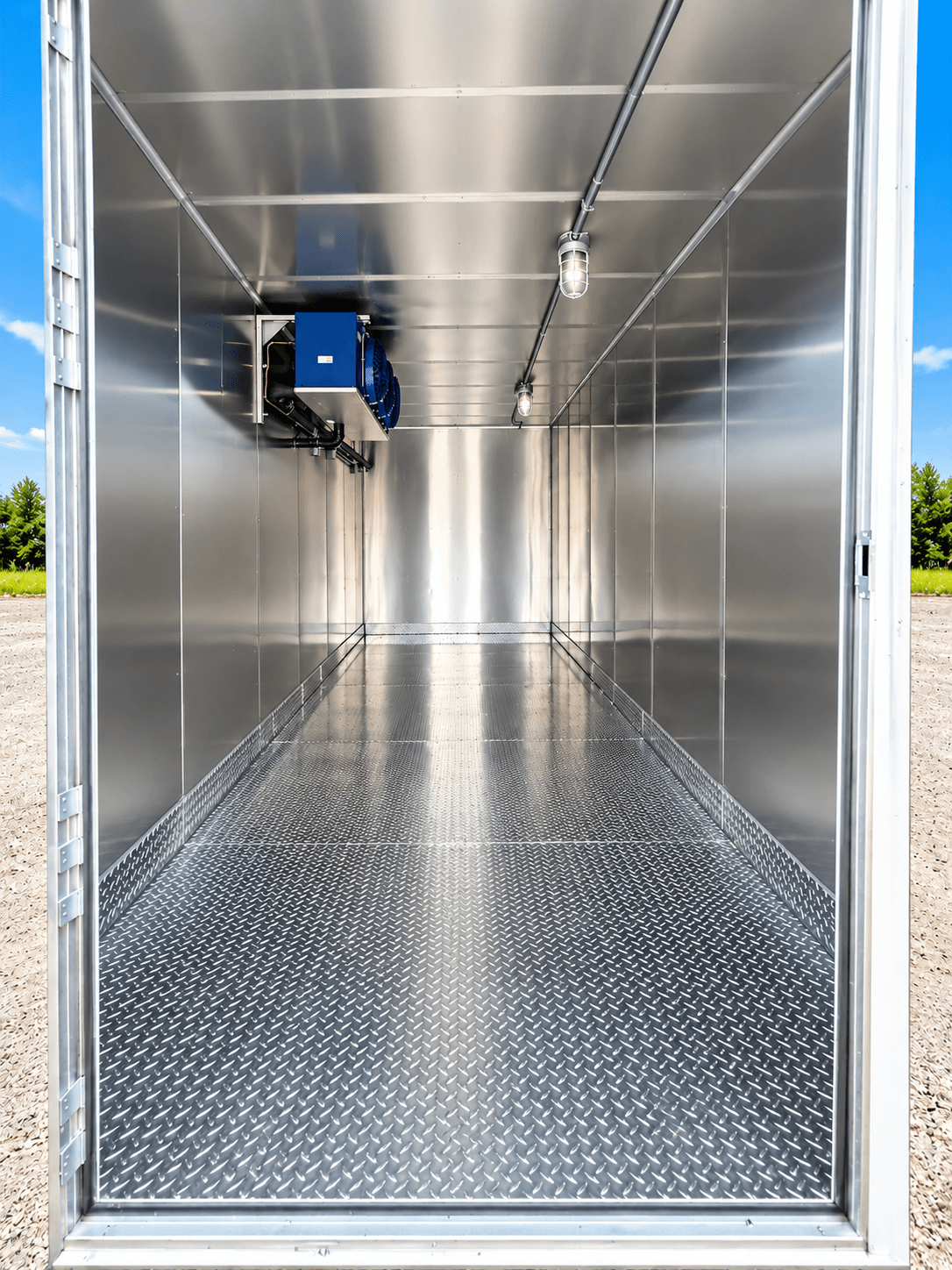
Listed refrigeration trailer equipment: condensing unit, amps panel, lighting.
Equipment records reviewed October 19, 2026. Temperature labels are inventory labels, not verified operating ranges. Nominal length is a model label, not a measure of usable space or site footprint.
NOAA’s Florida summary describes the state’s history of hurricanes and intense rainfall. It supplies statewide context, rather than a prediction for a Naples hotel or evidence of losses at its loading dock. Emergency refrigeration planning should begin with the fault and conditions actually observed: the affected storage, products awaiting a decision and the facilities your team can still use.
At a hotel with breakfast and evening service, a cooler failure can affect several departments before the full stock position is clear. Ask each department to identify what it must retrieve during the next service period. Combine those needs into one controlled transfer plan, with a manager responsible for revisions. A temporary cold-storage inquiry is more useful when it describes that working pattern than when it simply repeats the old room’s size.
Because this guide centers on phased business work, the 12ft Refrigerated Trailer guide is a useful companion: it covers a handback plan for the end of the rental and how to rotate stock in a small interior.
Naples’ Community Redevelopment Agency reports that the 1st Avenue South public parking garage was completed and opened in 2025. Its project page also records stormwater design decisions during that year. These are dated public improvements, not evidence that the projects used our refrigeration services. They illustrate that neighboring buildings, parking and infrastructure can change on different timelines.
Nearby guides can help frame your questions. Fort Myers’s guide covers reopening work, citing the City of Fort Myers entry “December 5, 2022 council record”. For a different working situation, Cape Coral’s guide covers food-service repairs. Those are separate sites with separate requirements, so use them only as prompts for your Naples request.
A restaurant planning its own reopening should therefore establish which access arrangements belong to its property and which depend on the surrounding block. Keep the refrigerated delivery position separate from customer parking assumptions. Where a temporary cooking facility supports a phased opening, the operating plan should say when ingredients arrive and how cleaning will function before the permanent back-of-house area is accepted.
For government dining teams in Naples or Marco Island, Florida, a contractor's proposed completion date may precede the final movement of ingredients back into permanent working rooms. Ask the agency representative which documents are needed to assess the proposal, without assuming the inquiry establishes an approved purchasing arrangement.
During a floor or ceiling replacement, a hospitality operator may keep one preparation area running while another closes. Map the ingredients used by each section and the point at which they return to permanent refrigeration. Separate frozen reserves from frequently retrieved chilled items in the inquiry. The proposed storage arrangement must accommodate handling and access, not merely a total volume calculated from purchasing records.
Operators near Naples can also compare Punta Gorda’s guide, which covers food operations, citing the Punta Gorda Airport entry “Bailey Terminal construction release”. Check your own site details separately before relying on any comparison.
Consider a hospitality group carrying out different work in Bonita Springs, Marco Island and Estero. A shared kitchen purchasing order can hide a concentrated delivery to the Naples property while its store is closed. Allocate that order before requesting temporary space. If dishwashing items are washed elsewhere and returned, show the return point on the Naples layout; otherwise a convenient unloading position for one department can become an obstacle for another.
Send photographs from the street entrance through to the planned refrigerated equipment position. Identify gates, overhead restrictions and shared lanes. At a multi-tenant property, obtain the owner’s agreement for the space and identify any approval the project must secure. Delivery coordination needs the usable approach on the agreed date, rather than an assumption based on a previous supplier visit.
Consider how the site changes when guests, contractors and suppliers arrive together. Staff should be able to retrieve cold-storage products through an agreed working route without crossing an active demolition area. A daytime access contact and a clear collection plan help prevent conflicting instructions. Report utility information for review; do not assume an available outlet matches the equipment under consideration.
Provide the exact address, requested start, expected rental period and the products requiring controlled storage. Identify the most demanding service day and any uncertainty around permanent cooler commissioning. Ask the quote to state the equipment basis, transport arrangements and other included or excluded charges. An estimated construction finish should remain a planning assumption until the responsible people confirm it.
If cooking or dishwashing also moves outside, describe those functions alongside the refrigeration requirement. Ask how date changes and collection will be handled, especially when a staged reopening may reduce storage gradually. The resulting agreement should be understandable to the project manager and the operating team, with availability and site responsibilities confirmed before the business relies on the arrangement.
Before you book
Combine the departments’ peak inventory and retrieval patterns, then distinguish chilled products from frozen reserves. Explain the busiest overlap rather than averaging quieter days across the rental period.
No. Confirm the current arrangements with the property manager and relevant project contacts. A dated construction page does not establish today’s entrance conditions for a refrigerated delivery.
Yes. State whether your kitchen and dishwashing areas remain usable. The request should identify the functions actually displaced, so the proposal does not assume a broader closure.
These public references inform the planning examples; equipment availability and delivery arrangements are confirmed for your address.
Temporary refrigeration, kitchens and dishwashing can support many kinds of food-service operations. Each setting below starts with its own schedule, stock and site questions, and every project is reviewed individually.
Hotels, restaurants and resorts can plan temporary refrigeration around breakfast, banquet and dinner service when a walk-in cooler fails or a kitchen is refurbished.
Hospital, nursing home and care-facility kitchens can describe meal schedules, delivery times and displaced stock so temporary storage follows the food-service routine.
Municipal, county and public-building food-service teams can outline receiving arrangements, responsible contacts and project dates before a quote is prepared.
Dining facility managers can explain the products displaced, the receiving arrangements and the proposed period, then review availability and terms with our team.
Schools, colleges and universities can plan around term dates, serving windows and campus kitchen renovations so meal service can continue during repairs or construction.
Plant cafeterias and employee dining areas can describe shift patterns and staged building work so temporary cold storage can be reviewed against the working schedule.
Caterers and venues can plan preparation windows, event days and overflow ingredients, and describe how stock moves between storage, the kitchen and service.
Producers, wholesalers and distributors can describe loading, staging and storage needs when a cooler breaks down or demand temporarily exceeds capacity.
These examples describe planning situations. Equipment, availability and terms are confirmed in a project quote.
Cold storage is only one part of a project. These are the questions we work through with you before anything is booked.
Start with refrigerated containers and refrigeration trailers, then add a temporary kitchen or dishwashing trailer when the project needs one, all in a single conversation.
Access, utilities and the intended position are reviewed before delivery is arranged, so the equipment is matched to your site rather than the other way around.
Whether a walk-in cooler failed this morning or a renovation is months away, describe the real situation and plan around the stock, dates and people involved.
Planning guides cover all 50 states and more than 700 cities. Your address is then confirmed for equipment and delivery.
Use the rental calculator for a rate-range estimate and setup amount, then request a project quote that confirms availability, transport and the rental period.