BXRT20–1Refrigerated trailer
- Nominal length
- 20ft
- Listed electrical supply
- 220V · single-phase · 40–60A
- Inventory temperature label
- 32°F
Temporary cold storage in Homosassa Springs, Florida
Homosassa Springs cold storage rentals can help a commercial or industrial operator plan the next step after a walk-in freezer or refrigeration unit fails. Related mobile kitchen and dishwashing trailers may be considered when food preparation and cleaning are displaced too. Short-term rentals suit a defined repair interval; longer lease requests should follow a planned renovation’s actual stages. Restaurants, food retailers and institutional dining teams need to describe their products and the work still possible inside. Provide the Homosassa Springs site address and delivery constraints so equipment and transport can be reviewed together. Contact us to request availability and a project quote from Worldwide Refrigerated Container Rental Facilities.
Emergency cooler or freezer failure in Homosassa Springs? A person answers rental inquiries 24/7. Availability and delivery timing are confirmed in your quote.
Plan your rental budget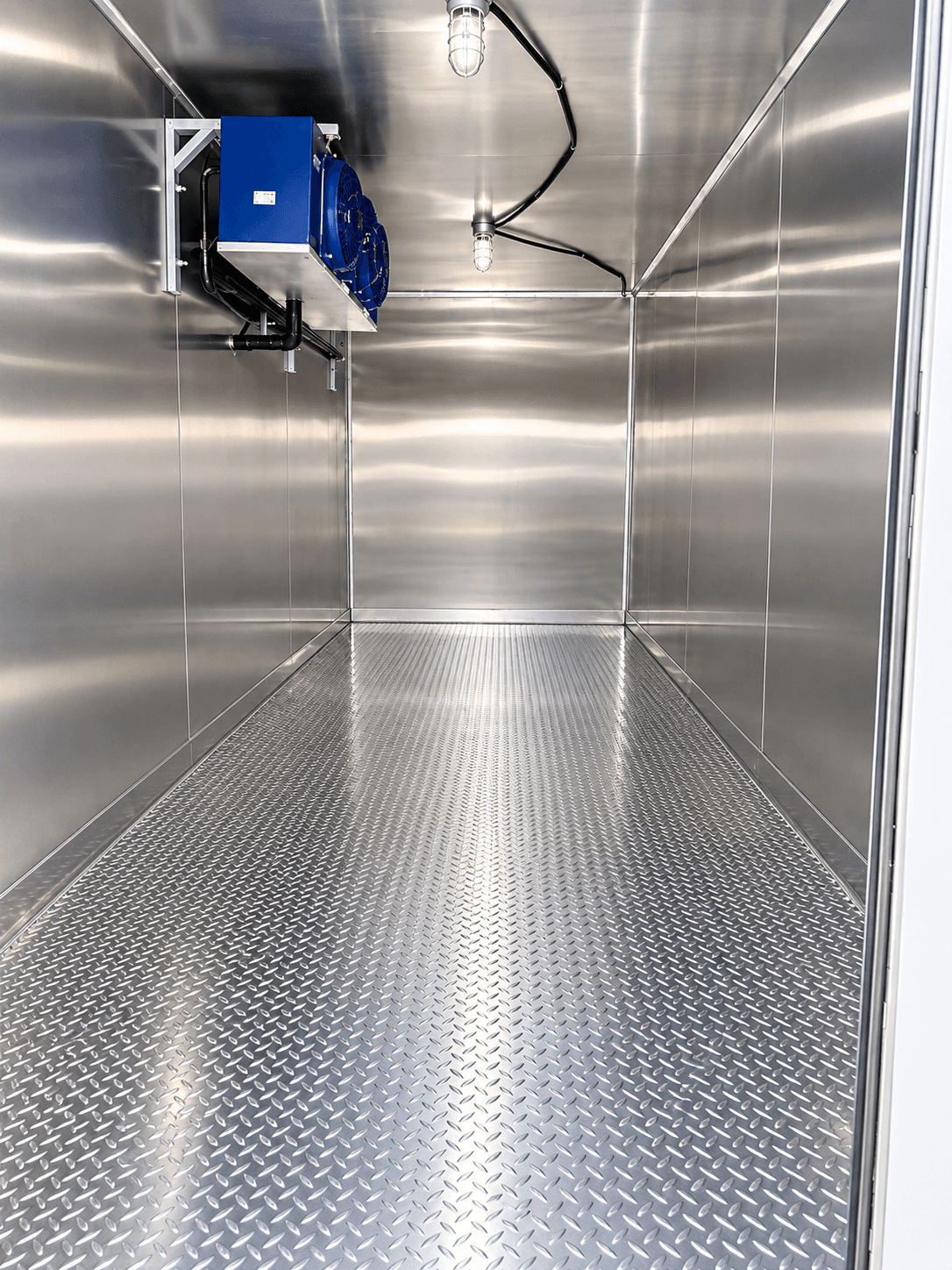
Compare the equipment
These published examples describe named company units. The supplied equipment, configuration and availability are confirmed for your project address.
Listed refrigeration trailer equipment: condensing unit, amps panel, lighting.
Equipment records reviewed October 19, 2026. Temperature labels are inventory labels, not verified operating ranges. Nominal length is a model label, not a measure of usable space or site footprint.
The Homosassa River Restoration Project’s 2024 year-end report describes flooding and saltwater intrusion associated with Hurricanes Debby and Helene. That account concerns the river restoration organization’s work, not damage at every Homosassa Springs property. Florida’s NOAA summary provides broader hurricane context. A refrigeration contingency still needs current information about the customer’s own building, electrical service and usable access.
A food retailer discovering a failed cooler after a closure should first establish who has assessed the stock and premises. The rental conversation cannot determine whether exposed products remain usable. Report the storage categories that your responsible staff have approved for transfer, and distinguish them from anything held for a separate decision. This keeps a cold-storage request focused on a defensible working inventory rather than an optimistic total.
To turn this local picture of commercial continuity into an equipment shortlist, start with the 12ft Refrigerated Trailer guide and its notes on which stock must move first and where a compact unit can stand near the kitchen door.
Florida’s 2024 Recovery Plan lists roof replacement and fish-bowl repairs for a regional Homosassa deferred-maintenance project. The entry is a dated capital-work record; its scheduled dates do not establish present closure, completed work or a need for our equipment. For a commercial operator, the useful comparison is the point when repairs release a room back to normal use. Confirm that milestone with the contractor rather than assuming every activity finishes when the building work ends.
Nearby guides can help frame your questions. Wildwood’s guide covers commercial upgrades, citing the City of Wildwood entry “2024 Community Center HVAC procurement”. For a different working situation, Ocala’s guide covers commercial changeovers, citing the City of Ocala entry “Fire Station No. 8 legislative record”. Treat each as background for your own questions rather than a description of conditions in Homosassa Springs.
For a private rebuilding project, ask the owner which decisions release the next stage: an inspection, utility reconnection or acceptance of the repaired store. Refrigerated storage may be needed before the full premises reopen. If a temporary cooking facility is contemplated, identify whether it serves staff, customers or both. Cleaning arrangements should match the actual menu and handling method, rather than follow an assumed reopening date.
Education-sector procurement teams in Homosassa Springs or Inverness, Florida, may face a revised handover schedule after meal orders have already been placed with regular suppliers. Identify where staff will check incoming ingredients, retain delivery records and report a mismatch between an order and its contents.
A refurbishment that replaces wall linings can affect different products at different times. Divide the move into stock that stays in the permanent freezer, ingredients moving to temporary refrigeration and goods that can be ordered later. Give each group an owner and an expected transfer date. This can make a staged reopening easier to evaluate than a request based only on the store’s floor area.
For another comparison, the guide for operators in Tampa covers walk-in breakdowns. It describes a different property and is useful mainly for the questions it raises.
A manager comparing a reduced menu in Crystal River with a full-service operation in Inverness should not transfer either inventory figure directly into a Homosassa Springs request. Even a Brooksville office arranging the work needs quantities from the affected premises. Ask the kitchen team to mark products used daily and the dishwashing team to identify reusable containers returning later. Those details determine what the local staff must reach and when.
Ask the property owner to review the proposed bearing surface and approach, especially where recent work or standing water has changed their condition. Supply photographs that show the whole path from the entrance to the intended refrigerated unit position. Any restrictions on vehicle movement or usable ground need review before transport is arranged. Do not infer suitability from a map or an empty patch of land.
Agree where staff will load and retrieve products without crossing the contractor’s active work. A separate waiting point for suppliers may be necessary at a busy site. Record gate contacts and the person authorized to approve placement. Refrigeration planning should include collection access as well: landscaping, replacement fencing or restored customer parking can close a route that was available at the start.
Describe the full Homosassa Springs address, product temperatures, handling method and expected maximum inventory. State which reopening milestones remain uncertain. A cold-storage proposal should make the equipment period and any transport charges understandable, with a process for reviewing changed dates. Ask whether the proposed arrangement fits the intended use before treating it as a confirmed booking.
Include mobile kitchen or dishwashing requirements only when those functions need temporary support. Explain existing utilities and obtain the information needed for technical review without guessing compatibility. The goal is a refrigeration arrangement your operation can use while rebuilding proceeds, with responsibilities and availability confirmed for the actual site. Send updated drawings when the project changes the working area.
Before you book
No. Historical context cannot establish your building’s condition, product disposition or access. Describe the assessed situation at the address so the refrigeration request can be considered on its own facts.
Potentially. Explain which departments will operate, what stock they need and which permanent cooler spaces remain usable. Availability and suitability still require review for the site.
Include them when needed, but explain the cooking and cleaning tasks individually. A project can lose storage while retaining its other functions, so an accurate request should say what remains operational.
These public references inform the planning examples; equipment availability and delivery arrangements are confirmed for your address.
Temporary refrigeration, kitchens and dishwashing can support many kinds of food-service operations. Each setting below starts with its own schedule, stock and site questions, and every project is reviewed individually.
Hotels, restaurants and resorts can plan temporary refrigeration around breakfast, banquet and dinner service when a walk-in cooler fails or a kitchen is refurbished.
Hospital, nursing home and care-facility kitchens can describe meal schedules, delivery times and displaced stock so temporary storage follows the food-service routine.
Municipal, county and public-building food-service teams can outline receiving arrangements, responsible contacts and project dates before a quote is prepared.
Dining facility managers can explain the products displaced, the receiving arrangements and the proposed period, then review availability and terms with our team.
Schools, colleges and universities can plan around term dates, serving windows and campus kitchen renovations so meal service can continue during repairs or construction.
Plant cafeterias and employee dining areas can describe shift patterns and staged building work so temporary cold storage can be reviewed against the working schedule.
Caterers and venues can plan preparation windows, event days and overflow ingredients, and describe how stock moves between storage, the kitchen and service.
Producers, wholesalers and distributors can describe loading, staging and storage needs when a cooler breaks down or demand temporarily exceeds capacity.
These examples describe planning situations. Equipment, availability and terms are confirmed in a project quote.
Cold storage is only one part of a project. These are the questions we work through with you before anything is booked.
Start with refrigerated containers and refrigeration trailers, then add a temporary kitchen or dishwashing trailer when the project needs one, all in a single conversation.
Access, utilities and the intended position are reviewed before delivery is arranged, so the equipment is matched to your site rather than the other way around.
Whether a walk-in cooler failed this morning or a renovation is months away, describe the real situation and plan around the stock, dates and people involved.
Planning guides cover all 50 states and more than 700 cities. Your address is then confirmed for equipment and delivery.
Use the rental calculator for a rate-range estimate and setup amount, then request a project quote that confirms availability, transport and the rental period.