BXRT20–1Refrigerated trailer
- Nominal length
- 20ft
- Listed electrical supply
- 220V · single-phase · 40–60A
- Inventory temperature label
- 32°F
Temporary cold storage in Orlando, Florida
Catering coolers and freezers for rent in Orlando give commercial kitchens another storage option when a function adds supplies or a walk-in fails. Worldwide Refrigerated Container Rental Facilities serves Florida with refrigerated container and trailer inquiries, alongside related kitchen and dishwashing options. Ingredients can need holding before guests arrive and after public service ends. A short rental or longer lease should follow that full working period and the property actually storing the products. Share your delivery address, required conditions, access information and dates to explore equipment, delivery coordination, current availability and a project quote.
Emergency cooler or freezer failure in Orlando? A person answers rental inquiries 24/7. Availability and delivery timing are confirmed in your quote.
Plan your rental budget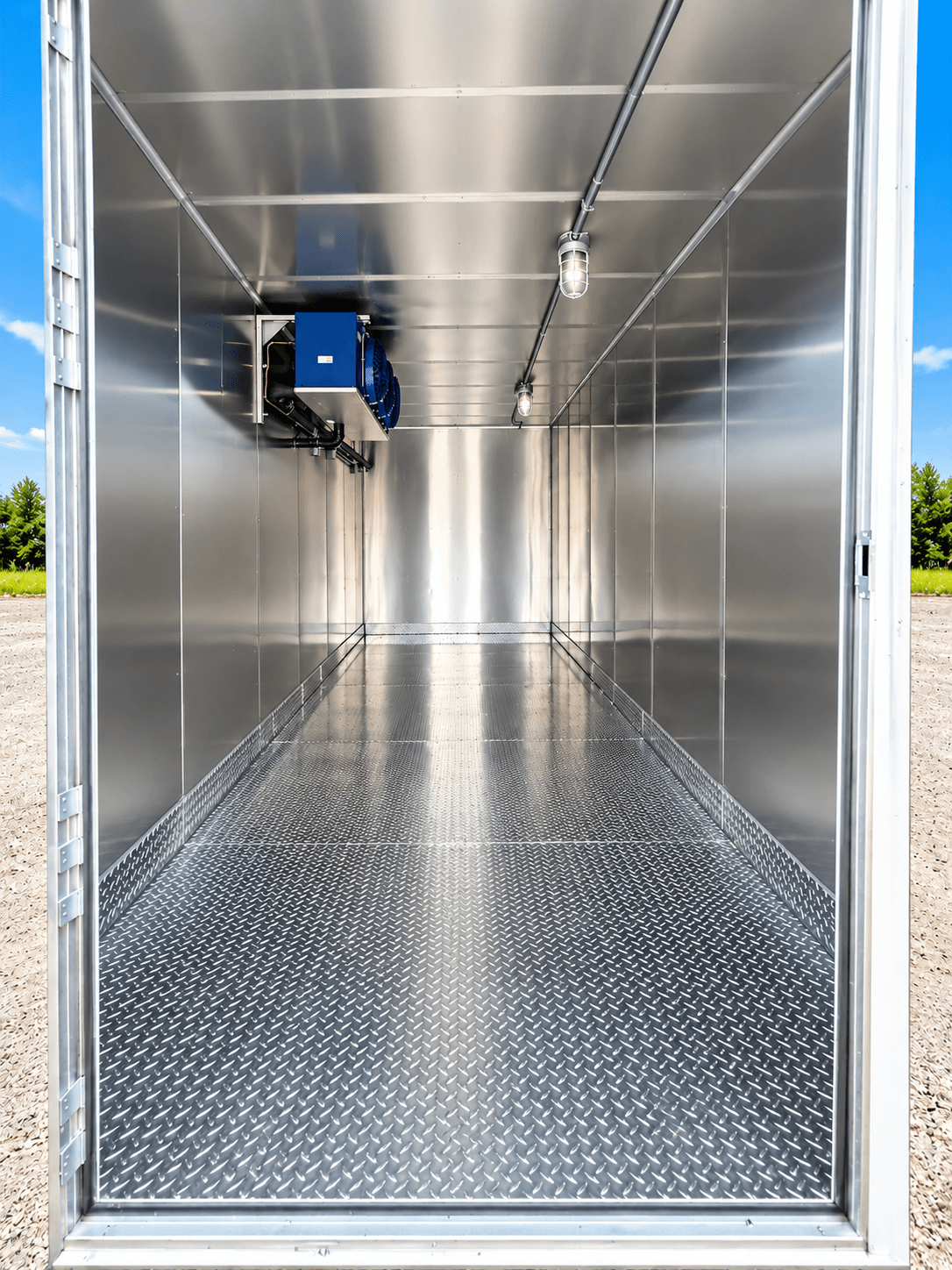
Compare the equipment
These published examples describe named company units. The supplied equipment, configuration and availability are confirmed for your project address.
Listed refrigeration trailer equipment: condensing unit, amps panel, lighting.
Equipment records reviewed October 19, 2026. Temperature labels are inventory labels, not verified operating ranges. Nominal length is a model label, not a measure of usable space or site footprint.
Second Harvest Food Bank of Central Florida describes distributing nonperishable, fresh and frozen foods through feeding partners and mobile programs. Its food-distribution page separately identifies prepared meals made at Mercy Kitchen. Those are different food-service tasks: incoming grocery cases, meal ingredients and completed portions can need different storage and retrieval arrangements. This public example helps define the products without treating every box as an interchangeable cold-storage load.
A catering operation can reach its refrigeration peak before public service begins, when new deliveries overlap with ingredients already being prepared. Include routine supplies displaced by a failed walk-in as well as stock reserved for the function. Keep chilled and frozen requirements separate. Staff need room to reach frequent-use ingredients after other cases are loaded, so guest attendance alone cannot establish the usable space required.
LT2, a named example in the 20ft Refrigerated Trailer guide, lists a -5°F temperature label, condensing unit, lighting and an amps panel. Its listed supply is 220V single-phase at 40–60A. That temperature entry is a label, not a full operating range; usable capacity and the exact electrical connector remain unconfirmed. Compare the offered configuration with the products’ actual required conditions before selecting it.
The Orange County Convention Center’s current Sodexo Live page distinguishes event catering from retail food concepts serving attendees. A catered meal and a retail counter can use ingredients at different rates and receive stock on different schedules. Temporary refrigeration planning should show the operation continuing during the interruption rather than combine all food service into one attendance figure or assume every food outlet needs the same equipment.
A function in Belle Isle may receive ingredients at a separate preparation site. Use the working address for the storage request, and do the same for a property in Winter Park or Maitland. The Deltona, Wildwood and Lakeland rental guides provide existing destinations for projects there. A public event location does not by itself identify where the temporary cooler or freezer belongs.
If cooking also moves, K27 in the 40ft Bulk Kitchen Trailer Rental guide is one named cooking-equipped example. It lists a double-stack convection oven, tilting skillet, deep fryer, griddle/oven and six-burner range/oven combinations, with prep and sink fixtures, reach-ins and a walk-in cooler. Its listed supply is 220V single-phase at 200–220A. That integrated cooler does not specify a separate refrigerated container or establish production capacity.
Industrial facilities teams in Orlando or Belle Isle, Florida, may need to accommodate meal supplies while normal receiving space is temporarily assigned to maintenance equipment. Agree who accepts meal supplies during each shift and how responsibility transfers when the incoming team takes over the working area.
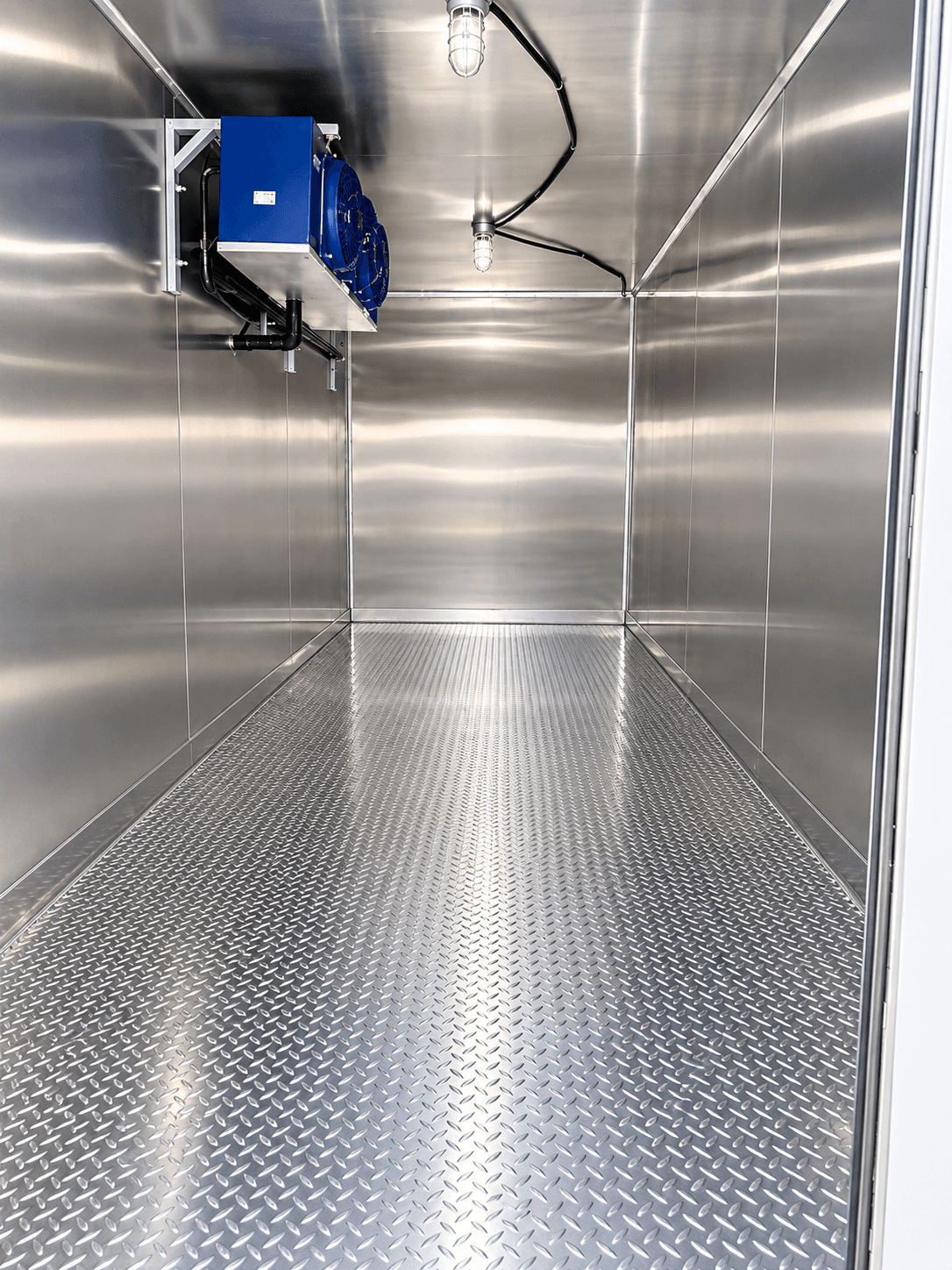
Map the movement from receiving to refrigeration and then to the next preparation task. A large delivery and frequent smaller ingredient trips may need the same entrance at different times. The temporary store’s doorway, interior layout and staff approach need to accommodate both. Any shelving or handling equipment should be confirmed for the offered configuration rather than inferred from nominal length or a photograph.
Returned reusable items create a separate washing task. Leave space for collection, washing and clean return before staff carry them back into use. D4, in the 24ft Dishwashing Trailer guide, lists a low-temperature push-through dishwasher, soil tray, scraping table, three-compartment sink and handwashing sink. It lists 220V single-phase power at 150A, with water and drainage arrangements considered alongside the electrical connection.
NOAA describes Florida with hot humid summers, milder winters and frequent warm-season afternoon or evening thunderstorms, with conditions influenced by nearby ocean waters. Include the intended season and actual surroundings as background for the proposed period. For a longer project, describe later work that changes access and the property’s arrangements for changing conditions. If cooking or dishwashing also moves temporarily, include those separate functions with refrigeration so the complete route through receiving, storage and preparation is considered alongside required product conditions and unit information.
An event can end while ingredients or prepared components remain in temporary refrigeration. Identify what stays, where it returns and whether another order arrives before that transfer. If several functions share the store, show the changing peak rather than assume the load disappears between guest sessions. The final transfer needs staff access just as receiving does.
Request an Orlando quote for the complete working period, equipment roles, address-specific transport, collection and other project charges. Include extension and change terms where repairs or the event sequence leave the finish uncertain.
Before you book
It provides context but does not show packaging, product conditions or the largest quantity held during preparation. Include receiving and retrieval patterns, plus supplies reserved for later functions. These details give equipment selection a working load rather than a guest count treated as a storage-capacity formula.
Describe where ingredients actually arrive, remain held and are prepared as well as where guests attend. Attach the working address to the relevant load and period. The equipment and transport proposal should follow that storage task rather than assuming the public venue identifies the right destination.
Include what stays held, when it returns to normal storage and orders arriving between those steps. This connects the proposed period with actual use rather than only guest hours. Confirm the equipment and commercial terms in the quote before relying on a particular rental arrangement.
These public references inform the planning examples; equipment availability and delivery arrangements are confirmed for your address.
Temporary refrigeration, kitchens and dishwashing can support many kinds of food-service operations. Each setting below starts with its own schedule, stock and site questions, and every project is reviewed individually.
Hotels, restaurants and resorts can plan temporary refrigeration around breakfast, banquet and dinner service when a walk-in cooler fails or a kitchen is refurbished.
Hospital, nursing home and care-facility kitchens can describe meal schedules, delivery times and displaced stock so temporary storage follows the food-service routine.
Municipal, county and public-building food-service teams can outline receiving arrangements, responsible contacts and project dates before a quote is prepared.
Dining facility managers can explain the products displaced, the receiving arrangements and the proposed period, then review availability and terms with our team.
Schools, colleges and universities can plan around term dates, serving windows and campus kitchen renovations so meal service can continue during repairs or construction.
Plant cafeterias and employee dining areas can describe shift patterns and staged building work so temporary cold storage can be reviewed against the working schedule.
Caterers and venues can plan preparation windows, event days and overflow ingredients, and describe how stock moves between storage, the kitchen and service.
Producers, wholesalers and distributors can describe loading, staging and storage needs when a cooler breaks down or demand temporarily exceeds capacity.
These examples describe planning situations. Equipment, availability and terms are confirmed in a project quote.
Cold storage is only one part of a project. These are the questions we work through with you before anything is booked.
Start with refrigerated containers and refrigeration trailers, then add a temporary kitchen or dishwashing trailer when the project needs one, all in a single conversation.
Access, utilities and the intended position are reviewed before delivery is arranged, so the equipment is matched to your site rather than the other way around.
Whether a walk-in cooler failed this morning or a renovation is months away, describe the real situation and plan around the stock, dates and people involved.
Planning guides cover all 50 states and more than 700 cities. Your address is then confirmed for equipment and delivery.
Use the rental calculator for a rate-range estimate and setup amount, then request a project quote that confirms availability, transport and the rental period.