BXRT20–1Refrigerated trailer
- Nominal length
- 20ft
- Listed electrical supply
- 220V · single-phase · 40–60A
- Inventory temperature label
- 32°F
Temporary cold storage in Gainesville, Florida
Gainesville refrigerated container rentals give commercial and community-facility teams a way to plan emergency stock space after a walk-in breakdown or temporary storage during renovation. Worldwide Refrigerated Container Rental Facilities reviews refrigeration, cooler and freezer needs alongside kitchen and dishwashing inquiries. Describe ingredients, supplier arrivals and the service retained before comparing a short rental with a longer lease. Equipment, connections and delivery coordination are confirmed for the actual address and operating dates. Send your Gainesville project brief to request current availability and a complete written quotation.
Emergency cooler or freezer failure in Gainesville? A person answers rental inquiries 24/7. Availability and delivery timing are confirmed in your quote.
Plan your rental budget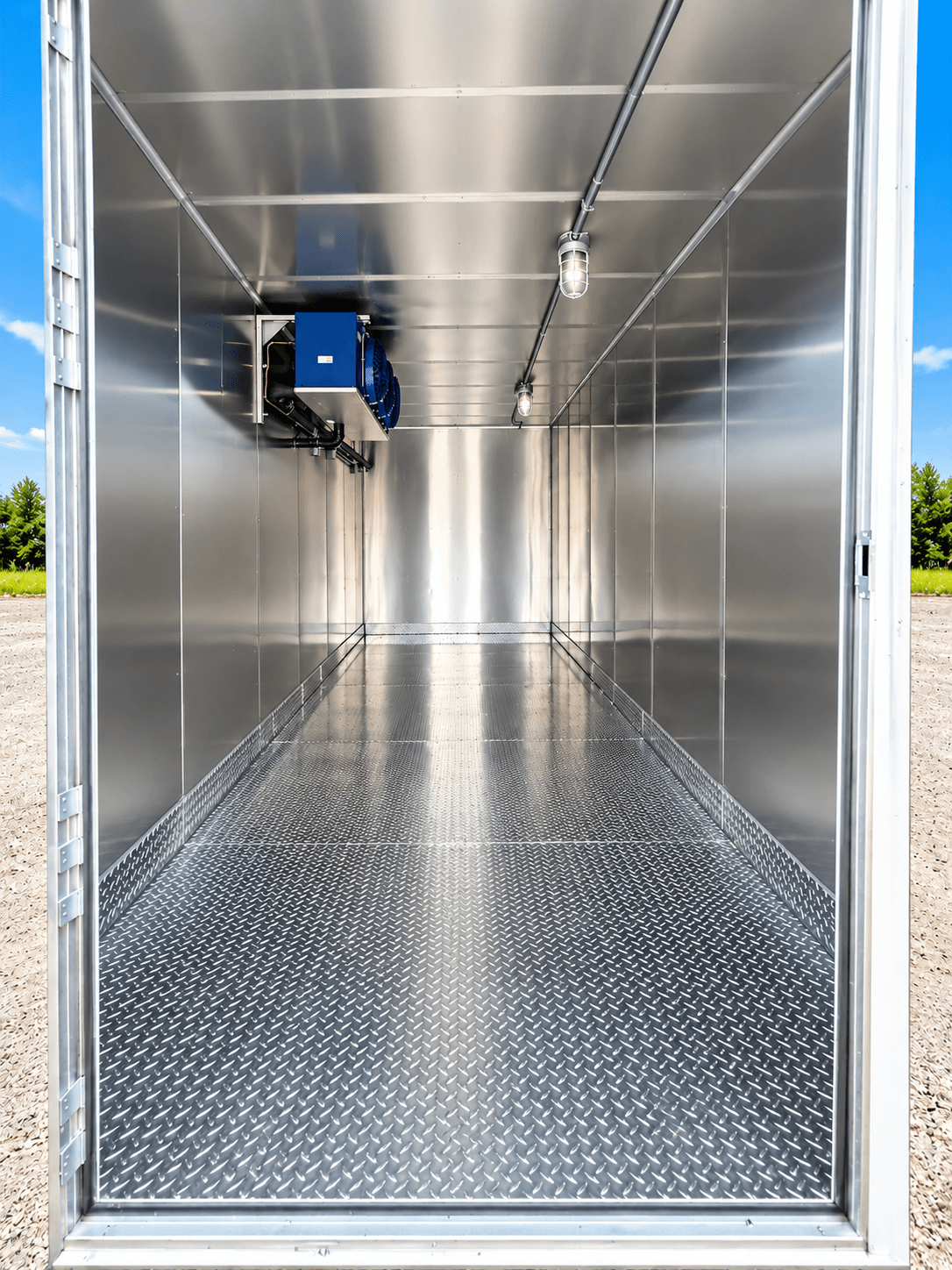
Compare the equipment
These published examples describe named company units. The supplied equipment, configuration and availability are confirmed for your project address.
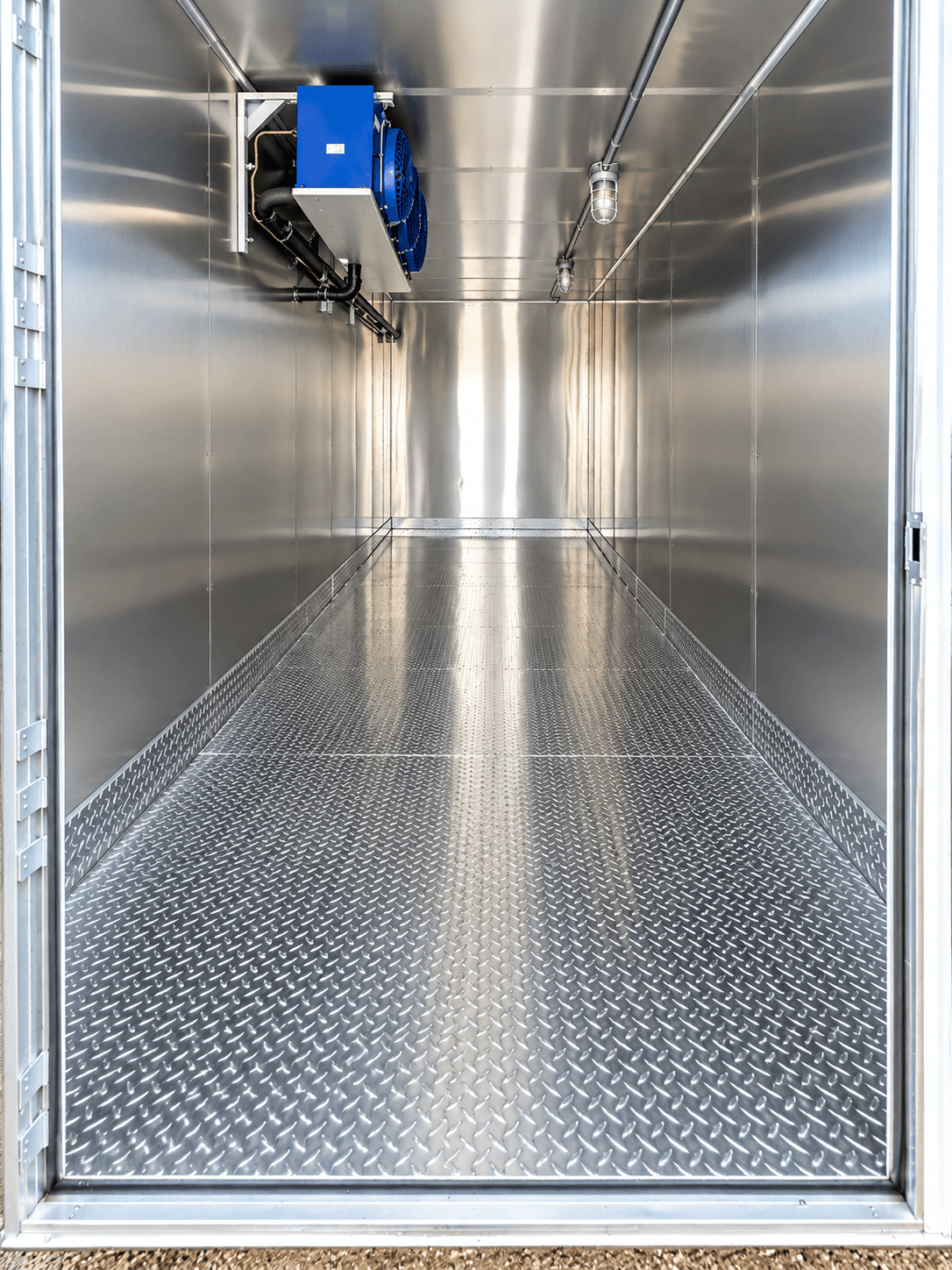
Listed refrigeration trailer equipment: condensing unit, amps panel, lighting.
Equipment records reviewed October 19, 2026. Temperature labels are inventory labels, not verified operating ranges. Nominal length is a model label, not a measure of usable space or site footprint.
A refrigeration failure at an illustrative community programme may alter the number of meals prepared and the products received. Record displaced stock, usable permanent stores and orders still committed, following the property’s safety procedures. Florida’s NOAA summary documents hurricane history. It provides regional context rather than evidence of a current interruption at a Gainesville address.
The kitchen lead can identify ingredients needed immediately and those that can arrive later. Explain refrigerated products used for the next meal separately from reserve supplies for a later programme, with package sizes and intended retrieval times. Include dishwashing movements if cleaning also changes, especially where returned items and stock use a shared service route. A cold-storage inquiry becomes clearer when it explains the reduced or retained operation before selecting a category of temporary equipment.
When the work involves service continuity, the 20ft Refrigerated Container guide is a practical next read, covering how to organize stock for a longer stay and the ground and drainage beneath the unit before a quote is requested.
Gainesville’s adopted FY2025 financial and operating plan includes construction entries for the Southwest Public Safety Center and reconstruction of Fire Station 3. They are dated capital-programme records, not confirmation of present completion, company involvement or food-service equipment demand. They illustrate the importance of identifying a project’s actual stage in an operational brief.
Readers in Gainesville may also want to compare how other nearby cities approach their projects. Ocala’s guide focuses on commercial changeovers, citing the City of Ocala entry “Fire Station No. 8 legislative record”, and a separate reading is Jacksonville’s guide on its own planning questions. Each reflects its own property and schedule, so confirm your Gainesville details separately.
For your own facility, explain the first refrigerated receiving date and when permanent storage becomes usable. Include trial service or a partial opening. The refrigeration proposal should address that interval, with the estimated finish linked to the inspection, commissioning or contractor handover that controls the stock’s return.
During a healthcare dining refurbishment in Gainesville or Newberry, Florida, the employee receiving entrance may change while meals continue following the facility's established service timetable. Request a written scope for the food-service requirement, with equipment availability, the proposed rental period and property arrangements subject to review.
The T.B. McPherson Recreation Complex project page records a December 11, 2025 community workshop and later approval of building-renovation concepts in September 2026. It describes a planning process for an existing facility. These published steps provide local refurbishment context, without establishing a rental requirement or construction closure at your premises.
A further point of reference is Homosassa Springs’s guide, which covers commercial continuity, citing the Homosassa River Restoration Project entry “2024 year-end report”. Compare its questions with your own schedule and property.
An Alachua kitchen supporting a daytime programme can empty much of its stock before an evening activity begins, while a Newberry venue might hold ingredients across several bookings. Explain the rhythm at your Gainesville premises instead of describing only a total attendance figure. Dishwashing returns may peak after guests leave, affecting the route used to replenish ingredients. The refrigerated-load account should show products remaining between activities and suppliers arriving during the refurbishment. Include the cooler stock that cannot return until the final room is released, so the operating transition is visible in the rental period.
A High Springs destination needs a separate approach review even where the same organization also operates in Gainesville. Show the complete address, vehicle entrance and proposed cold-storage position. Useful measurements and photographs of gates, surfaces and overhead restrictions help the receiving contact explain how the space is used.
Review available services against the refrigeration unit proposed and identify who verifies compatibility. Account for emergency routes, customer or programme activity, waste collections and contractor movements. Staff also need a practical path for repeated ingredient retrieval. If building work changes the entrance or position, update the rental team before transport is finalized.
A Gainesville refrigeration proposal should identify equipment, rental dates, address-specific transport and site responsibilities. Make a provisional finish explicit and ask how extensions and collection changes affect the agreement. Refrigerated products may remain through commissioning and the first ordinary supplier cycle in restored rooms, so include those stages in the expected period.
If kitchen provision or dishwashing support is requested, give separate workloads and dates for each. It turns a published daily, weekly or monthly range into an estimate for the number of periods you enter, with setup and delivery shown beside it. Compare the proposed scope with the current stock plan so the arrangement supports the level of service your organization intends to retain.
Before you book
Yes. Explain the refrigerated products, meal schedule and receiving quantities for the temporary operation. Package sizes and retrieval frequency help describe the working arrangement more clearly than the normal room’s outside dimensions.
It records a planning milestone. The closure and access programme for your own premises needs separate confirmation from its responsible team. Do not assume a public planning date specifies a private rental period.
Review equipment availability, site services, transport, rental-period charges and collection terms in the proposal. Follow the property’s product-handling procedures and confirm the working route for the actual temporary store.
These public references inform the planning examples; equipment availability and delivery arrangements are confirmed for your address.
Temporary refrigeration, kitchens and dishwashing can support many kinds of food-service operations. Each setting below starts with its own schedule, stock and site questions, and every project is reviewed individually.
Hotels, restaurants and resorts can plan temporary refrigeration around breakfast, banquet and dinner service when a walk-in cooler fails or a kitchen is refurbished.
Hospital, nursing home and care-facility kitchens can describe meal schedules, delivery times and displaced stock so temporary storage follows the food-service routine.
Municipal, county and public-building food-service teams can outline receiving arrangements, responsible contacts and project dates before a quote is prepared.
Dining facility managers can explain the products displaced, the receiving arrangements and the proposed period, then review availability and terms with our team.
Schools, colleges and universities can plan around term dates, serving windows and campus kitchen renovations so meal service can continue during repairs or construction.
Plant cafeterias and employee dining areas can describe shift patterns and staged building work so temporary cold storage can be reviewed against the working schedule.
Caterers and venues can plan preparation windows, event days and overflow ingredients, and describe how stock moves between storage, the kitchen and service.
Producers, wholesalers and distributors can describe loading, staging and storage needs when a cooler breaks down or demand temporarily exceeds capacity.
These examples describe planning situations. Equipment, availability and terms are confirmed in a project quote.
Cold storage is only one part of a project. These are the questions we work through with you before anything is booked.
Start with refrigerated containers and refrigeration trailers, then add a temporary kitchen or dishwashing trailer when the project needs one, all in a single conversation.
Access, utilities and the intended position are reviewed before delivery is arranged, so the equipment is matched to your site rather than the other way around.
Whether a walk-in cooler failed this morning or a renovation is months away, describe the real situation and plan around the stock, dates and people involved.
Planning guides cover all 50 states and more than 700 cities. Your address is then confirmed for equipment and delivery.
Use the rental calculator for a rate-range estimate and setup amount, then request a project quote that confirms availability, transport and the rental period.