BXRT20–1Refrigerated trailer
- Nominal length
- 20ft
- Listed electrical supply
- 220V · single-phase · 40–60A
- Inventory temperature label
- 32°F
Temporary cold storage in Panama City, Florida
Panama City cold storage rentals provide a starting point for commercial and industrial operators facing a broken walk-in cooler or refrigeration unit. Mobile kitchen and dishwashing trailers can be considered when the disruption also displaces cooking and cleaning. Short-term rentals may cover emergency repairs; longer leasing can support a planned rebuild or waterfront business refurbishment. Restaurants, food retailers and institutional dining teams should explain what stock needs another home and which functions remain usable. Share the Panama City delivery address, site restrictions and likely project stages so transport and equipment can be coordinated. Request availability and a quote from Worldwide Refrigerated Container Rental Facilities for the actual work.
Emergency cooler or freezer failure in Panama City? A person answers rental inquiries 24/7. Availability and delivery timing are confirmed in your quote.
Plan your rental budget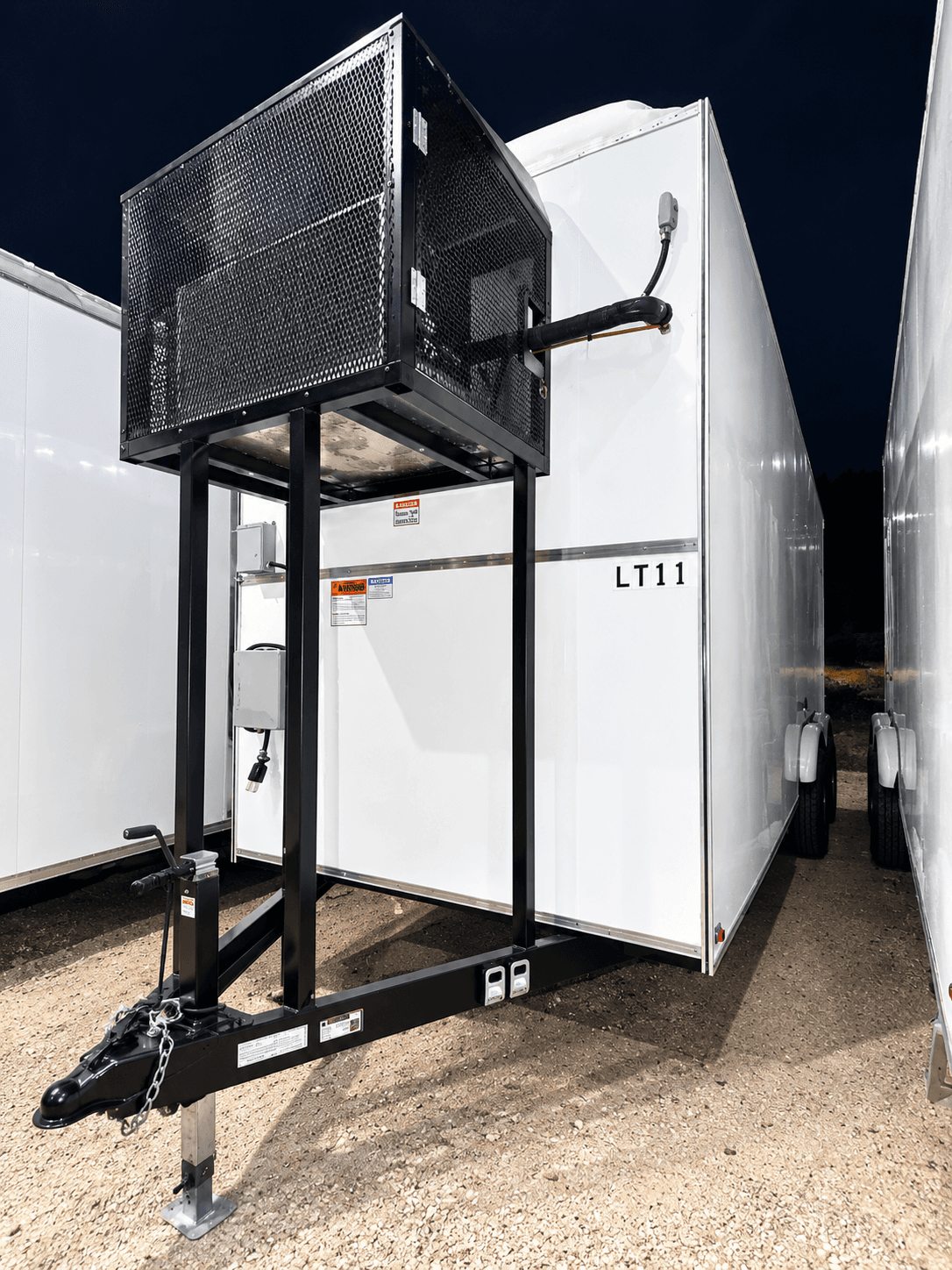
Compare the equipment
These published examples describe named company units. The supplied equipment, configuration and availability are confirmed for your project address.
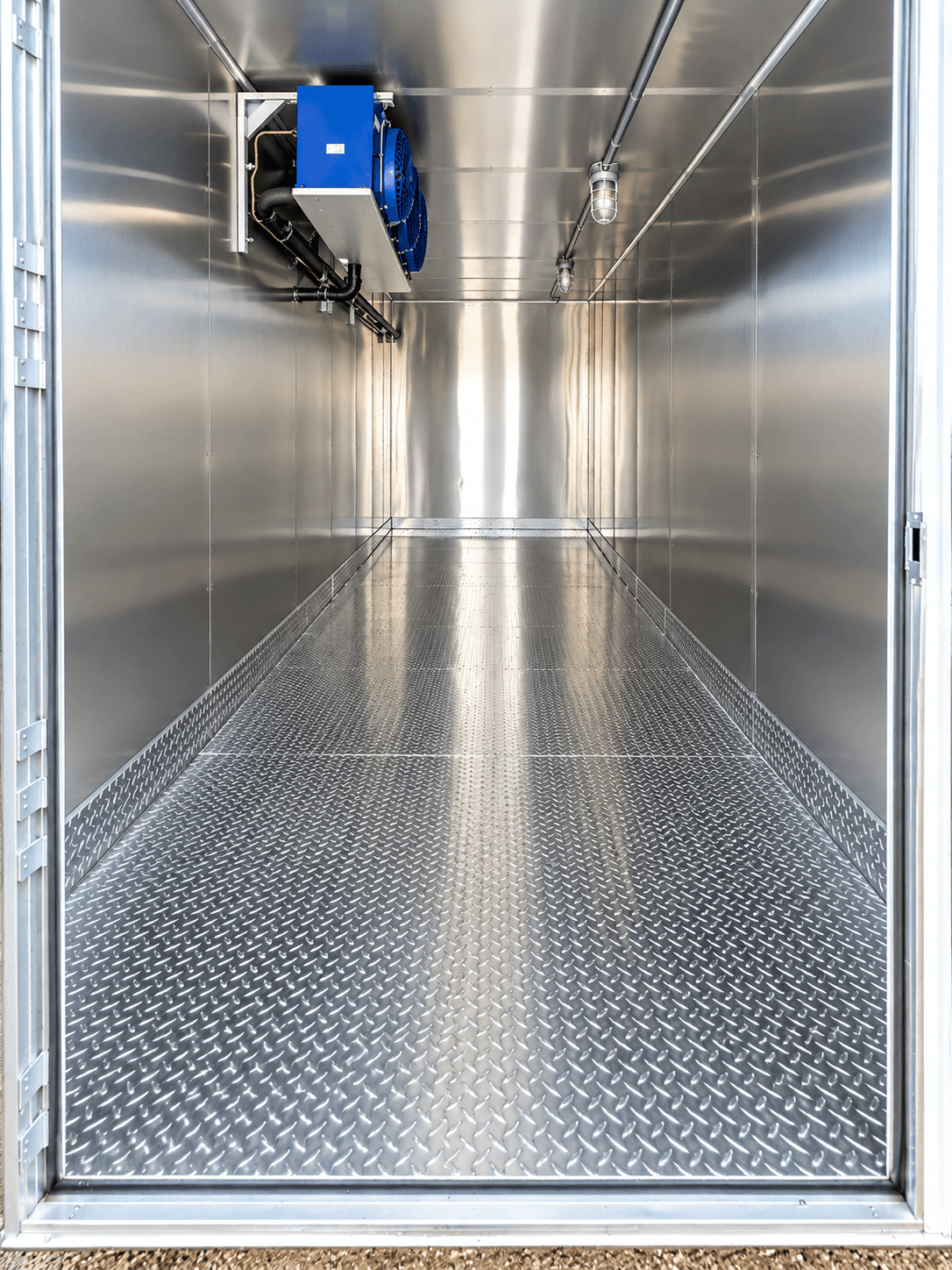
Listed refrigeration trailer equipment: condensing unit, amps panel, lighting.
Equipment records reviewed October 19, 2026. Temperature labels are inventory labels, not verified operating ranges. Nominal length is a model label, not a measure of usable space or site footprint.
NOAA’s Florida summary records extensive damage in Panama City from Hurricane Michael in 2018. That historical account supports treating continuity planning seriously, but it says nothing about today’s condition at an individual property. Before requesting refrigeration, establish whether staff can safely reach the work area and whether the electrical service and proposed placement have been assessed.
A waterfront food operator may face a storage fault while the rest of the premises remains usable. Make the distinction explicit. Identify approved chilled stock, frozen reserves and products still awaiting the operator’s decision. A temporary cold-storage plan should follow those categories. Supplier deliveries should be confirmed or revised deliberately, rather than allowed to arrive while staff are still deciding where the existing stock can go.
Planning business recovery raises equipment questions that the 20ft Refrigerated Container guide answers in more detail, including one resting place for the whole project and how to organize stock for a longer stay.
Panama City published its Downtown Marina redevelopment request in February 2024, with proposals due in April. The request covered a potential redevelopment arrangement, including design, permitting and construction. It is evidence of a dated public procurement step, not a statement of today’s work status or an indication that our company supplied facilities to the project.
Several neighboring guides cover situations that resemble parts of an inquiry from Panama City. Crestview’s guide is organized around business repairs, citing the City of Crestview entry “Downtown Revitalization Project”. A separate comparison is Tallahassee’s guide, which covers institutional food-service. Neither guide describes Panama City itself, and both depend on their own site details.
For a comparable commercial rebuild, the useful lesson is to identify the stage that actually changes food operations. A proposal, an approval and the release of a usable loading area are separate events. Refrigerated storage might be needed during only part of that sequence. Ask the project manager to connect each proposed rental date to an operational decision that can be checked.
A hospitality team preparing a hotel function in Panama City or Springfield, Florida, can distinguish reserved ingredients from supplies needed for ordinary dining on the same day. Describe the packaging, busiest retrieval period and employee route rather than using guest numbers alone to explain the space needed.
Reopening a smaller menu can change the storage requirement substantially. Decide which ingredients must stay near preparation, which reserves can be reduced and when full purchasing resumes. A refrigerated container request should describe the busiest overlap between old and new operations. Avoid sizing the inquiry from the reduced opening menu if the next supplier cycle will restore normal volumes.
A further point of reference is Pensacola’s guide, which covers commercial project phases, citing the City of Pensacola entry “July 17, 2026 airport infrastructure grant”. Its details belong to that city and do not describe Panama City.
Picture a caterer retaining preparation in Lynn Haven while a Panama City venue is refurbished. The kitchen team needs to know whether ingredients travel with each service or wait at the venue. A supplier coordinated from Springfield and a supervisor working from Callaway should receive the same instruction. Account for dishwashing returns after the event; a space suitable for unloading food can still be busy when the temporary equipment is collected.
A recovery site can change between the first inspection and equipment delivery. Provide current photographs, a measured approach and the agreed refrigerated unit position. Identify unstable surfaces or restricted areas that the owner or contractor has flagged for assessment. The transport plan needs confirmed usable space; an aerial image cannot establish bearing conditions or the clearance around new fencing.
Plan the staff route from cold storage separately from construction vehicle movements. Give the coordinator a contact who can approve placement and another who can confirm site utility details when necessary. A multi-stage project should also protect collection access. Reinstated landscaping, reopened public areas or a new fence must not quietly remove the agreed exit for equipment still supporting the business.
Provide the exact address, desired start, product conditions and the repair or rebuilding milestones that determine duration. Explain which dates are firm and which remain provisional. Ask for equipment availability, transport arrangements and charge components to be stated clearly. A refrigeration proposal should show how a changed reopening programme will be reviewed rather than conceal that uncertainty.
If temporary kitchen or dishwashing functions are needed, describe each operation alongside the displaced storage. Ask what the site must prepare and who accepts those preparations before delivery is scheduled. The strongest request connects the working layout, stock plan and commercial responsibilities. It allows the team to discuss a suitable arrangement without inventing a delivery promise or assuming a public project’s schedule applies to your address.
Before you book
No. The history describes a past event. A refrigerated delivery requires current information about your own approach, placement area and utilities, reviewed with the responsible people at the site.
It may, but include the next supplier cycle and expected return to normal service. Explain the highest inventory overlap so the quote is not based solely on the quietest reopening day.
Say which cooking and cleaning areas remain operational. A precise request can focus on the affected cooler or freezer rather than assume every food-service function needs to move.
These public references inform the planning examples; equipment availability and delivery arrangements are confirmed for your address.
Temporary refrigeration, kitchens and dishwashing can support many kinds of food-service operations. Each setting below starts with its own schedule, stock and site questions, and every project is reviewed individually.
Hotels, restaurants and resorts can plan temporary refrigeration around breakfast, banquet and dinner service when a walk-in cooler fails or a kitchen is refurbished.
Hospital, nursing home and care-facility kitchens can describe meal schedules, delivery times and displaced stock so temporary storage follows the food-service routine.
Municipal, county and public-building food-service teams can outline receiving arrangements, responsible contacts and project dates before a quote is prepared.
Dining facility managers can explain the products displaced, the receiving arrangements and the proposed period, then review availability and terms with our team.
Schools, colleges and universities can plan around term dates, serving windows and campus kitchen renovations so meal service can continue during repairs or construction.
Plant cafeterias and employee dining areas can describe shift patterns and staged building work so temporary cold storage can be reviewed against the working schedule.
Caterers and venues can plan preparation windows, event days and overflow ingredients, and describe how stock moves between storage, the kitchen and service.
Producers, wholesalers and distributors can describe loading, staging and storage needs when a cooler breaks down or demand temporarily exceeds capacity.
These examples describe planning situations. Equipment, availability and terms are confirmed in a project quote.
Cold storage is only one part of a project. These are the questions we work through with you before anything is booked.
Start with refrigerated containers and refrigeration trailers, then add a temporary kitchen or dishwashing trailer when the project needs one, all in a single conversation.
Access, utilities and the intended position are reviewed before delivery is arranged, so the equipment is matched to your site rather than the other way around.
Whether a walk-in cooler failed this morning or a renovation is months away, describe the real situation and plan around the stock, dates and people involved.
Planning guides cover all 50 states and more than 700 cities. Your address is then confirmed for equipment and delivery.
Use the rental calculator for a rate-range estimate and setup amount, then request a project quote that confirms availability, transport and the rental period.