BXRT20–1Refrigerated trailer
- Nominal length
- 20ft
- Listed electrical supply
- 220V · single-phase · 40–60A
- Inventory temperature label
- 32°F
Temporary cold storage in Pompano Beach, Florida
Pompano Beach refrigerated container rentals can address emergency stock needs after a commercial walk-in breakdown and planned storage during refurbishment. Worldwide Refrigerated Container Rental Facilities reviews refrigeration, cooler and freezer requirements with kitchen and dishwashing inquiries where preparation or cleaning also moves. Describe ingredients, delivery patterns and the worksite before comparing short-term rental with a longer lease. Equipment, connections and delivery coordination are confirmed for the actual address and dates. Send your Pompano Beach project brief to request current availability and a written quote for the complete arrangement.
Emergency cooler or freezer failure in Pompano Beach? A person answers rental inquiries 24/7. Availability and delivery timing are confirmed in your quote.
Plan your rental budget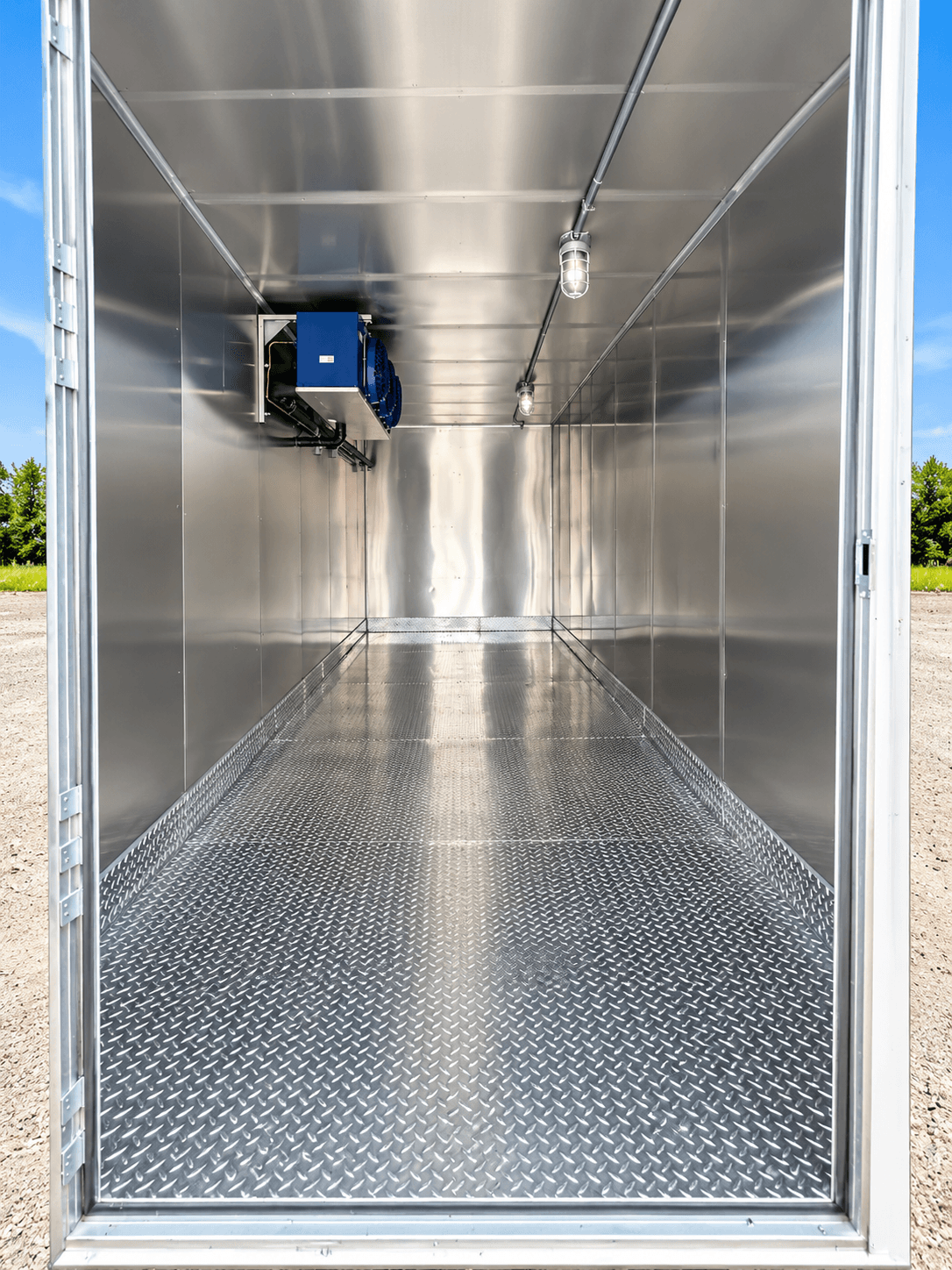
Compare the equipment
These published examples describe named company units. The supplied equipment, configuration and availability are confirmed for your project address.
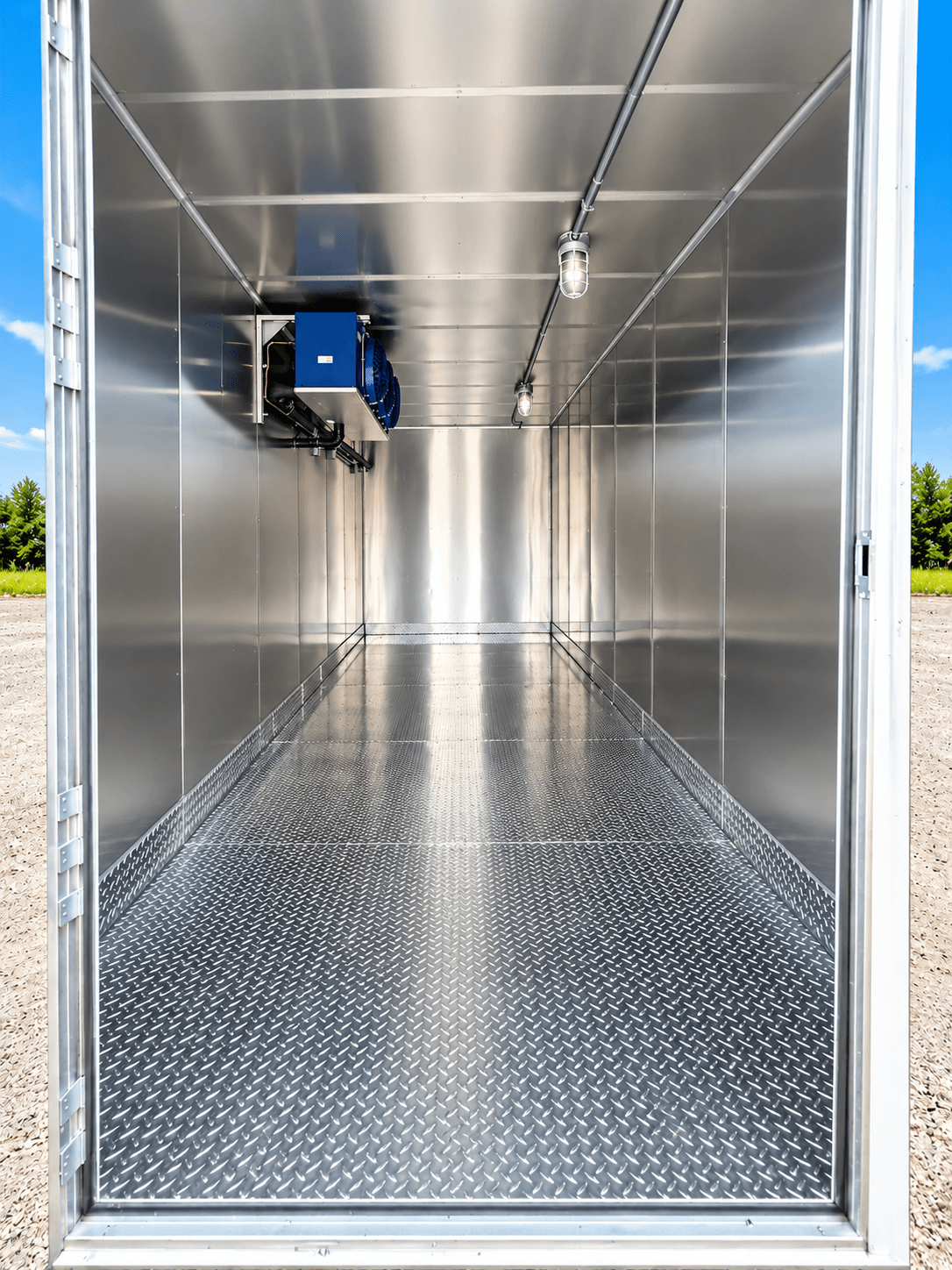
Listed refrigeration trailer equipment: condensing unit, amps panel, lighting.
Equipment records reviewed October 19, 2026. Temperature labels are inventory labels, not verified operating ranges. Nominal length is a model label, not a measure of usable space or site footprint.
A refrigeration interruption during an event or venue work period can affect products already received and the next replenishment order differently. Record both, along with usable permanent stores and the service your team can retain. Florida’s NOAA summary documents hurricane history. Your property’s safety procedures determine immediate product decisions and access during an actual incident.
The kitchen lead can identify which ingredients must stay readily accessible and which supplies can arrive later. Include dishwashing changes if cleaning returns share the temporary storage approach. A Pompano Beach cold-storage brief should show those movements, allowing the proposed equipment to be considered against the actual operating day instead of a broad estimate of total stock.
If the inquiry concerns site changeovers, compare the plan with the 20ft Refrigerated Container guide, which explains one resting place for the whole project and how to organize stock for a longer stay.
The City of Pompano Beach’s July 1, 2025 announcement planned a mid-July start for the McNab Road streetscape and bridge-replacement project. This published construction milestone supplies local access context, without identifying a company contract or current restrictions at your property. A road project and an individual delivery entrance need separate confirmation before an arrival is planned.
Two nearby cities approach their projects differently. Fort Lauderdale’s guide addresses its own planning questions, while the guide for operators in Coral Springs addresses busy meal schedules, citing the City of Coral Springs entry “FY2026–2035 strategic highlights”. Those are separate sites with separate requirements, so use them only as prompts for your Pompano Beach request.
For a new operating space, explain when refrigerated supplies first arrive relative to permanent-store readiness. Show any interim receiving area and the person authorized to confirm the approach. Refrigeration can then be discussed against the stock gap while transport planning uses the actual address and current site information, rather than assumptions drawn from a public project headline.
A military dining representative in Pompano Beach or Lauderdale-by-the-Sea, Florida, can explain which goods move temporarily while other food-service functions remain within the property's existing working arrangement. Include the employee ingredient route and receiving timetable in the brief, then ask the site representative which placement questions require review.
The redevelopment agency’s 2025 plan includes renovation of McNab Park and House for restaurant use and gardens. The entry establishes a dated public adaptation proposal, not a confirmed equipment requirement or business relationship. It illustrates why an existing building’s intended future use should be distinguished from its present working condition.
A further point of reference is Boca Raton’s guide, which covers commercial projects. Check your own site details separately before relying on any comparison.
A Lighthouse Point kitchen opening with a limited service may receive its first refrigerated ingredients before the final room is released. A Lauderdale-by-the-Sea premises might wait until every preparation area is available. Explain the decision for your Pompano Beach project and identify who can approve a change if opening moves. Dishwashing requirements should follow the service actually planned for that stage. Include the cooler products held during test operation, new deliveries for the first ordinary service and any goods that remain temporarily while permanent storage becomes ready. Those stages give the proposed rental period an operational basis.
A Coconut Creek address needs its own entrance and receiving details, even where the same manager also oversees Pompano Beach. Show the cold-storage position in relation to the working building and areas used by visitors. Identify the actual vehicle entrance, gate dimensions, surface conditions and any overhead restrictions that require review.
The refrigeration unit’s proposed services and staff retrieval path should be assessed alongside that position. Ask who confirms connections and permissions, and who can communicate contractor changes. Keep emergency access, waste collections and ordinary unloading visible throughout the rental period. A location that works during an early arrival may need adjustment once normal public activity resumes.
A Pompano Beach refrigeration quote should identify the unit, intended rental period, transport and site responsibilities. Describe any changes between early stocking and full opening so the equipment review covers both stages. Ask how extensions and collection changes affect the agreement if final commissioning takes longer, including refrigerated products remaining during the return to permanent stores.
Kitchen provision and dishwashing support should have separate workloads and dates if requested. The estimate multiplies the published range by your number of periods; the written quote confirms where in that range the rate falls. Compare the scope with the latest receiving and access programme so the quoted arrangement reflects the actual transition your operation expects to make.
Before you book
No. It provides a dated public milestone. Supply the exact address and current entrance information, with a receiving contact who can confirm usable access. Transport arrangements must be reviewed for that property.
Describe the refrigerated refrigerated load for each stage and how staff retrieve products. Supplier arrivals and access frequency may change after opening, so include both periods in the equipment conversation.
They are sourced public context only. Company involvement and equipment demand have not been established. A private rental enquiry is assessed on its own stock, site, dates and quotation.
These public references inform the planning examples; equipment availability and delivery arrangements are confirmed for your address.
Temporary refrigeration, kitchens and dishwashing can support many kinds of food-service operations. Each setting below starts with its own schedule, stock and site questions, and every project is reviewed individually.
Hotels, restaurants and resorts can plan temporary refrigeration around breakfast, banquet and dinner service when a walk-in cooler fails or a kitchen is refurbished.
Hospital, nursing home and care-facility kitchens can describe meal schedules, delivery times and displaced stock so temporary storage follows the food-service routine.
Municipal, county and public-building food-service teams can outline receiving arrangements, responsible contacts and project dates before a quote is prepared.
Dining facility managers can explain the products displaced, the receiving arrangements and the proposed period, then review availability and terms with our team.
Schools, colleges and universities can plan around term dates, serving windows and campus kitchen renovations so meal service can continue during repairs or construction.
Plant cafeterias and employee dining areas can describe shift patterns and staged building work so temporary cold storage can be reviewed against the working schedule.
Caterers and venues can plan preparation windows, event days and overflow ingredients, and describe how stock moves between storage, the kitchen and service.
Producers, wholesalers and distributors can describe loading, staging and storage needs when a cooler breaks down or demand temporarily exceeds capacity.
These examples describe planning situations. Equipment, availability and terms are confirmed in a project quote.
Cold storage is only one part of a project. These are the questions we work through with you before anything is booked.
Start with refrigerated containers and refrigeration trailers, then add a temporary kitchen or dishwashing trailer when the project needs one, all in a single conversation.
Access, utilities and the intended position are reviewed before delivery is arranged, so the equipment is matched to your site rather than the other way around.
Whether a walk-in cooler failed this morning or a renovation is months away, describe the real situation and plan around the stock, dates and people involved.
Planning guides cover all 50 states and more than 700 cities. Your address is then confirmed for equipment and delivery.
Use the rental calculator for a rate-range estimate and setup amount, then request a project quote that confirms availability, transport and the rental period.