BXRT20–1Refrigerated trailer
- Nominal length
- 20ft
- Listed electrical supply
- 220V · single-phase · 40–60A
- Inventory temperature label
- 32°F
Maryland refrigerated container rentals support commercial food storage when a walk-in fails, a kitchen is renovated or a business needs additional working capacity. Refrigeration trailers, walk-in coolers and freezers can address the storage gap, with kitchen and dishwashing facilities considered when other functions are affected. Short-term rentals and longer leases allow different project schedules to be discussed for restaurants, hospitals, schools, hotels and industrial food-service operations. Worldwide Refrigerated Container Rental Facilities serves Maryland, with delivery coordinated around the selected equipment and property access. Describe the products, required conditions and expected dates to request availability and a project-specific quote.
Emergency cooler or freezer failure in Maryland? A person answers rental inquiries 24/7. Availability and delivery timing are confirmed in your quote.
Plan your rental budget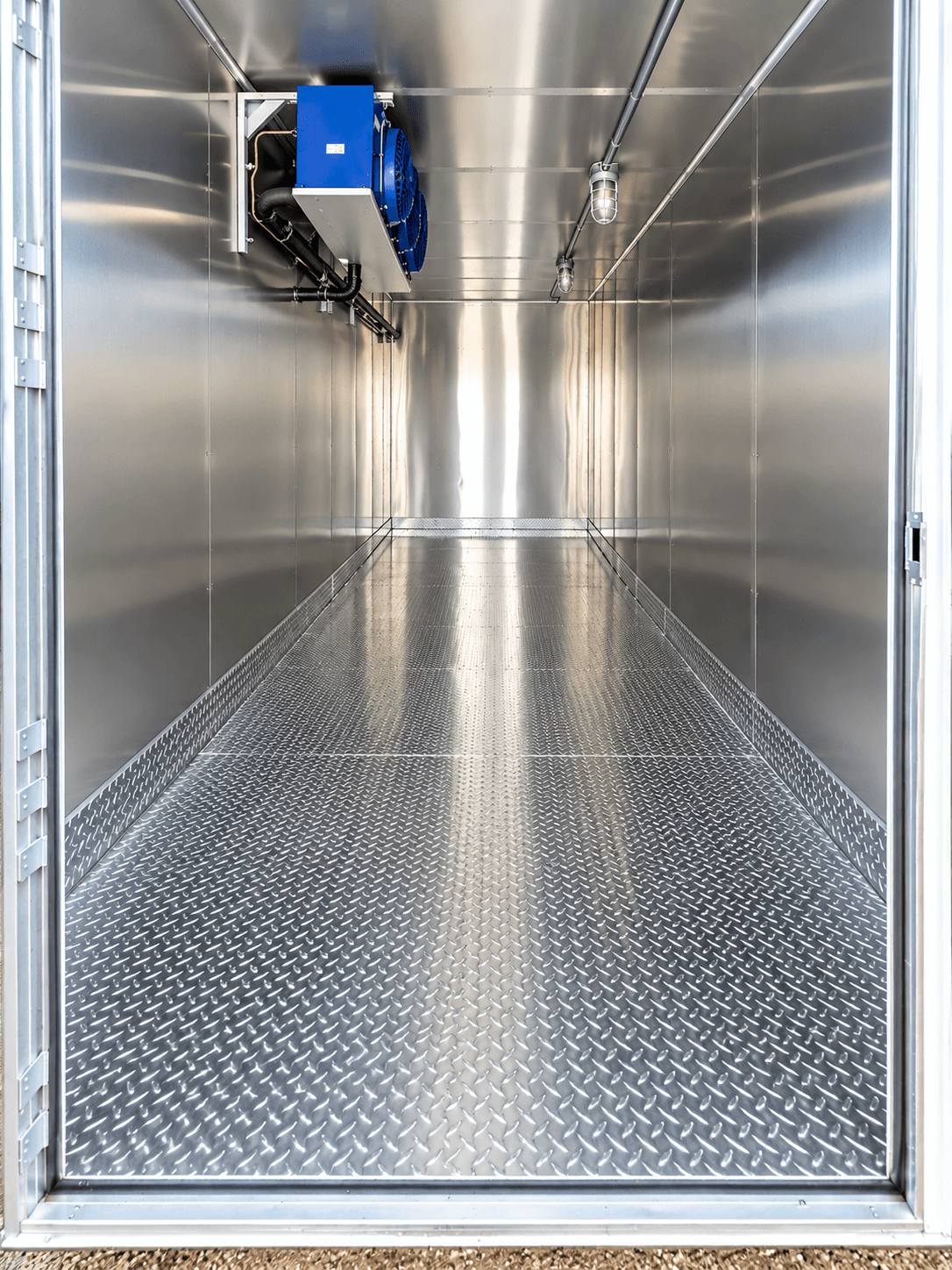
Compare the equipment
These published examples describe named company units. The supplied equipment, configuration and availability are confirmed for your project address.
Listed refrigeration trailer equipment: condensing unit, amps panel, lighting.
Equipment records reviewed October 19, 2026. Temperature labels are inventory labels, not verified operating ranges. Nominal length is a model label, not a measure of usable space or site footprint.
A closer look at your project area
Choose a city to explore refrigeration rental planning for your area. Bring the delivery address, preferred dates and storage needs to your inquiry.
Outline: Census TIGERweb generalized states, ACS 2025. City locations: 2025 Census Gazetteer.
Find the place that fits your project
Leasing a mobile refrigeration trailer in Maryland is one way to protect inventory during an emergency outage, a planned shutdown or a busy season. Emergency rentals and planned leases are quoted from the same details: the product, the temperature it must hold, the address and the dates. If cooking is also interrupted, a mobile kitchen trailer rental can sit beside the refrigeration, and a dishwashing trailer for rent can handle returned dishes.
Refrigeration is an emergency need: when a commercial walk-in freezer or refrigeration unit breaks down, the call is an emergency, and a person answers rental inquiries 24/7. Photos of the failed unit or the available space can help the team understand the request. Food-service managers, facility teams and plant supervisors can report a refrigeration failure at any time, since rental inquiries are answered by a person 24/7. Portable refrigerated units can stand beside a building as extra cold storage for an event, a renovation or a seasonal peak.
Artscape in Baltimore is described as the largest free arts festival in the United States, with CBS Baltimore reporting hundreds of thousands of visitors braving the heat across its multi-day run. Seasonal growers and packers in Laurel, Sykesville and Bel Air can compare a short-term refrigerated trailer rental with a long-term container lease for harvest and holiday peaks. Portable refrigerated trailers and walk-in coolers are usually the first equipment discussed for event stock, with onsite power and access reviewed early. A short-term emergency rental can become a long-term lease at the same address, as long as the quote says so. A dishwashing trailer lease can be added to the same quote when returned dishes also need washing. These are public facts about the area, not a record of company jobs; equipment, availability and delivery are confirmed in the quote.
One Baltimore tourism guide lists the Preakness Stakes among the city’s signature annual events, calling it one of the nation’s largest single-day sporting events. Distributors and processors in Greenbelt, Highland Beach and Berwyn Heights can compare a short-term refrigeration trailer rental with a long-term lease for outdoor walk-in refrigeration. Refrigerated trailers for rent and portable walk-in coolers hold drinks, produce and prepared food at crowded events, and a refrigeration container suits a longer festival run. This is published public context, not company work; each request is quoted for its own address and dates.

After Hurricane Isabel in September 2003, Baltimore Gas and Electric counted 629,000 customer outages, most in and around Annapolis, and it took eight days to restore everyone’s power. A walk-in failure at a restaurant in Glenarden, a hospital kitchen in Chesapeake Beach or a hotel in New Carrollton usually calls for the same first step: a refrigerated trailer rental or container lease sized to the stock. Emergency refrigeration comes first after a storm or outage: a portable refrigerated trailer, a refrigeration container or outdoor walk-in refrigeration can hold stock while power and repairs catch up. Commercial refrigeration rentals are quoted for the actual address, so power, access and the rental period are confirmed before delivery. When cooking and dish washing stop together, a mobile kitchen, a dishwashing trailer and portable refrigeration can be one request. A mobile dishwashing trailer and a mobile kitchen trailer are often requested together, with a refrigerated trailer for the stock. Nothing here assumes available equipment or a delivery time; a person answers rental inquiries 24/7 and the quote confirms the details.
The June 29, 2012 derecho stripped power from about 750,000 BGE customers in roughly 30 minutes, with more than 1.7 million outages statewide, and customers waited more than a week for full restoration. A produce packer in Riverdale Park, a meat processor in Hyattsville or a convenience-store chain in Takoma Park may need cold storage the same week a compressor fails, so the inquiry starts with product and temperature. After an outage or storm, refrigerated trailers for rent and walk-in freezers protect frozen stock first, and the quote confirms equipment and delivery. Dishwashing trailer rentals and warewashing capacity are quoted beside the kitchen and refrigeration when the whole food-service area is affected. The context above comes from public sources and does not describe a completed job; availability and delivery are confirmed in the quote.
The Maryland Transportation Authority’s executive director has given late 2030 as the anticipated reopening date for the rebuilt Francis Scott Key Bridge, with the cost estimate raised to a range of $4.3 billion to $5.2 billion. Construction crews and facility managers near Walkersville, Lexington Park and Poolesville may lease refrigerated containers to hold food for a work site or a temporary dining area. Portable kitchen trailers, a mobile dishwashing trailer and portable refrigeration are leased together as temporary facilities when a main kitchen is closed for work. Modular, mobile or portable, the equipment is chosen to fit the work that continues at the site. Nothing here assumes available equipment or a delivery time; a person answers rental inquiries 24/7 and the quote confirms the details.
A mobile kitchen trailer for rent can sit beside onsite refrigeration, so cooking and cold storage are planned together. Refrigeration is an emergency need: every call about a failed commercial walk-in freezer or refrigeration unit is an emergency call. Refrigerated trailers for rent, refrigeration containers for lease and walk-in coolers for short-term use are the three questions most callers start with. A dishwashing trailer lease can be added to the same quote when returned dishes also need washing.
Dishwashing and kitchen outages often arrive together, so dishwashing trailer rentals and a mobile kitchen for rent are quoted beside emergency refrigeration. Kitchen, dishwashing and refrigeration rentals are separate equipment, and each can be rented short-term or leased long-term. For Maryland kitchens, plants and warehouses, trailer leasing and trailer rentals are two ways to get the same portable refrigerated storage. Emergency refrigeration rental covers walk-in coolers, walk-in freezers and refrigerated trailers for commercial kitchens, warehouses and plants.
Short-term or long-term, the same refrigerated trailer rental starts from the address, the stock and the dates. A commercial kitchen closed for repairs may need a mobile kitchen trailer lease, a dishwashing trailer and emergency refrigeration at the same time. A commercial walk-in freezer failure in Maryland is an emergency call, and onsite temporary refrigeration is how most such calls begin. Emergency refrigeration for commercial kitchens often starts with a portable refrigerated trailer and ends with a longer lease if repairs take time.
Emergency refrigeration in Maryland can be rented for a few days or leased long-term, depending on how long the commercial walk-in is down. Onsite temporary facilities can include portable refrigeration, a mobile kitchen trailer and, if dishes are affected, a dishwashing trailer. Portable refrigerated trailers, refrigeration containers and outdoor walk-in refrigeration units can all be discussed for the same emergency. Emergency refrigeration rental, trailer rentals and trailer leasing are all handled through one inquiry, so one call can cover every option.
Trailer rentals, refrigerated trailers for rent and trailer leasing are all discussed with the address and the dates in hand. Emergency refrigeration, onsite and temporary, is meant to bridge the gap until the commercial walk-in freezer is repaired or replaced. Mobile kitchens, dishwashing trailers and refrigerated trailers for rent can be quoted together as temporary facilities. In Maryland, emergency refrigeration usually means a refrigerated trailer, a refrigeration container or a portable walk-in cooler matched to the stock.
Refrigeration containers are often chosen for long-term storage, while refrigerated trailers are chosen for short-term emergencies; both can be rented. Outdoor walk-in refrigeration can be set up beside the building as temporary facilities, so staff keep working while the permanent walk-in cooler or walk-in freezer is repaired.
A Baltimore restaurant replacing its permanent refrigerated room can keep cooking while ingredients move elsewhere. The temporary load includes stock already displaced, orders still due and supplies reserved for later service. Some products may remain in another usable room. The menu continuing during repairs, packaging and frequency of retrieval therefore define the store’s useful role. Cases and carts need access after the busiest receiving overlap, rather than let the failed room’s exterior dimensions stand in for the whole requirement.
Baltimore Convention Center’s current FAQ directs shipping questions through the show contact or convention services manager. It separately identifies service partners for catering, electric, telecommunications and audiovisual work. For an authorized food-service operation arranging refrigeration there, the assigned receiving instructions, food-service role and actual connection need to be settled for that event. A public visitor entrance or a general shipping inquiry cannot establish the equipment’s working position throughout preparation and clearing.
For the 40ft Refrigerated Container, confirm usable capacity and electrical requirements for the offered unit and agreed property position. Where preparation or cleanup also moves, cooking or dishwashing equipment has a separate task. The whole occupied layout should keep ingredient receiving usable alongside other suppliers, contractor activity and returned items once every unit is in service.
For healthcare food-service inquiries in Baltimore or Rockville, Maryland, the responsible facility lead can provide product handling requirements alongside the quantities expected during each receiving period. Have the facilities and dining contacts review the same proposed position, identifying any employee route or receiving entrance that must remain available.
At an industrial workplace in Salisbury or Frederick, Maryland, a changed contractor boundary may alter the route used to bring ingredients into the staff dining area. Confirm how the dining team will account for shared stock and report missing supplies when responsibility passes between different working shifts.
Explore the Baltimore rental guideThe start of a refurbishment and the first day refrigeration becomes unavailable can be different. A Frederick food-service transition may allow stock to move before an old room closes, then require a different temporary load when another room goes out of use. Supplier orders already placed can create a larger overlap later. Products remaining indoors and ingredients retrieved each day should remain identifiable through those phases. The useful storage period follows the rooms actually displaced and the menu continuing, rather than the project title alone.
For the 20ft Refrigerated Container, confirm the offered unit’s usable capacity and connection requirements before selecting it. The offered equipment’s actual doorway, internal arrangement and connection must suit the products and assigned position. A longer refrigerated lease should include final stock clearance and restoration of ordinary receiving. A kitchen returning indoors can still draw ingredients from temporary holding, while dishwashing ends on another timetable. Each separate function needs its own release point, with changes addressed in the agreement while permanent facilities return in stages.
For government dining teams in Frederick or Hagerstown, Maryland, a contractor's proposed completion date may precede the final movement of ingredients back into permanent working rooms. Describe the meal service requirement in practical terms and request a proposal showing the equipment period, transport assumptions and items needing confirmation.
Explore the Frederick rental guideMaryland has warm, humid summers, moderately cold winters that sometimes bring snow, and frequent precipitation, according to NOAA. The higher western terrain and the bay-and-ocean-influenced east form a useful orientation for understanding the state’s regional differences. Consider the intended rental months alongside the proposed surface, staff approach and equipment connections, especially when work could continue across seasons.
The actual months, surface drainage and staff approach belong beside the refrigeration equipment’s technical data and agreed connection. Statewide patterns cannot establish its ambient operating limit or the current usability of a particular outdoor position. Later contractor work can change the receiving route while the unit remains occupied. The supply and access need to stay usable through the final products and collection. Any separate preparation or cleanup provision also needs its own working area and services, so the space remains practical during the busiest receiving overlap rather than only when first empty.
For military meal service teams in Rockville or Salisbury, Maryland, supplier receiving windows and employee ingredient collection can create different demands on the same proposed equipment position. Ask the authorized representative to identify the documents and receiving details needed for review, rather than assume an inquiry confirms site access.
An institutional meal service can depend on frequent ingredient collection even while one permanent cold room is replaced. A Rockville operation comparing temporary refrigeration needs a place for supplies used repeatedly and products allocated to later meals. Delivery batches, cases and carts affect the occupied store’s arrangement. An institution’s size or daily meal total cannot establish the usable quantity for an unknown unit. The facility’s responsible food-service team identifies product conditions and receiving responsibilities alongside the actual proposed equipment.
Where another permanent store stays usable, it may hold reserves while the main preparation supply moves temporarily. Later phases can reverse that split. A refrigeration unit serving occasional overflow can have a different task from the one opened throughout preparation. Any cooking or dishwashing arrangement also needs its own workload and supply connections, with returned items and clean supplies positioned around ingredient receiving. The assigned doorway and staff route should remain accessible after loading and while other equipment shares the same property area.
For hospitality operators considering temporary equipment in Salisbury or Frederick, Maryland, a revised menu can change which ingredients remain accessible throughout the busiest service period. Mark the proposed receiving point on the property plan and explain who can authorize changes when the working arrangement needs review.
Education-sector procurement teams in Hagerstown or Baltimore, Maryland, may face a revised handover schedule after meal orders have already been placed with regular suppliers. Include the expected handback arrangement in the rental inquiry so dining staff can describe how supplies will return to permanent facilities.
Explore the Rockville rental guideA freezer failure can displace frozen reserves while chilled storage remains available, whereas a wider interruption may remove both functions. Those are separate temporary refrigeration tasks. The load follows the products, required conditions and orders still due, including goods reserved for the next meal period. Later receiving may produce the largest overlap after the first transfer. The responsible food-service team handles goods already affected under its established procedures while repairs and the proposed unit are reviewed. Available equipment alone cannot establish the condition of exposed products.
The named refrigerated trailer examples above provide individual electrical entries and inventory temperature labels. They do not establish a shared verified operating range or usable capacity for every rental. The actual offered doorway, interior and any agreed fittings need to support the cases or carts handled after loading. Frequent staff trips and larger supplier unloading can use the same space differently. The assigned connection and approach for equipment collection must remain usable through final stock clearance, including later site changes as permanent facilities return.
Food production schedules in Frederick or Hagerstown, Maryland, can change after ingredients are ordered, leaving receiving staff to reconcile deliveries with the revised preparation plan. Confirm the stock check and record transfer needed at handback so the operator can reconcile products moving into the permanent working area.
Explore the Hagerstown rental guideIngredient receiving at a preparation property can begin before a guest venue accepts deliveries. Refrigeration supporting that stage has a different role from reserves kept beside service. Supplies remaining after guests leave may still need holding while the property clears. The complete equipment period follows those actual product handoffs, with the largest overlap and required conditions attached to the appropriate address. Attendance and public hours provide context, while menu supplies and packaging explain the practical storage requirement.
Baltimore Convention Center’s separate shipping and service-partner arrangements illustrate why an authorized operating role and assigned receiving instruction matter. A comparable Salisbury event needs its own property contacts, working footprint and supply responsibilities. A kitchen can finish before the last goods leave the refrigerated store, while dishwashing continues for returned items. Each function should retain its own release point, rather than assume an unloading slot or public closing time ends the complete food-service task.
For another Maryland location, continue with the Gaithersburg, Bowie, Annapolis or College Park rental guide. Keep the actual working address and stock destination attached to the proposed arrangement, even where one organization manages several properties.
The written scope should identify the refrigeration equipment, availability, required conditions, period, transport, collection and site responsibilities. The calculator gives a rental range for the chosen rate period plus a setup and delivery starting amount, not a final price for the project. Terms for extensions and changed dates belong with the remaining operating requirement. Request availability and a project quote covering the complete stock handover and related temporary facilities.
A catering schedule in Baltimore or Rockville, Maryland, can change after suppliers confirm their deliveries, leaving ingredient receiving and guest service competing for working space. Confirm who checks stock at handover, who retains the delivery records, and how menu changes reach the staff receiving ingredients.
Explore the Salisbury rental guideBefore you decide
Yes. Explain what remains usable and which storage function is interrupted. A refrigeration-only arrangement may suit the project when cooking and washing remain available. If other areas also close, consider their timing and location together, while keeping the equipment needs for each function clear in the quote.
Begin with the products, required storage conditions and amount held at the busiest point. Add how staff access stock and whether deliveries will continue during repairs. These working requirements help define the temporary equipment needed; the failed room’s appearance alone is not enough to choose a replacement arrangement.
No. Setup and delivery is shown as a starting amount only; transport for the actual address, collection and other trips are confirmed in the quote. Your actual duration, transport scope, site requirements and other charges need a project-specific quote. Compare the complete proposals using the same storage needs and dates so a preliminary baseline is not mistaken for the final price.
Both short-term rentals and longer leases of a mobile refrigeration trailer can be discussed for Maryland. Send the address, the product and its temperature, and your dates. Delivery timing, availability and the rental period are confirmed once the details are reviewed.
Emergency refrigeration can include portable refrigerated trailers, a refrigeration container, outdoor walk-in refrigeration or a walk-in cooler or walk-in freezer rental. A mobile, modular or portable refrigeration setup in Maryland is chosen to match the walk-in cooler or freezer that failed. Mobile refrigeration, mobile kitchens and mobile dishwashing trailers are different equipment, and each can be rented separately or together. Refrigeration is an emergency need, so describe the failed commercial unit and the stock at risk. The quote confirms availability, delivery and the rental period for the site.
City examples illustrate project planning; availability is confirmed for each delivery address.
Temporary refrigeration, kitchens and dishwashing can support many kinds of food-service operations. Each setting below starts with its own schedule, stock and site questions, and every project is reviewed individually.
Hotels, restaurants and resorts can plan temporary refrigeration around breakfast, banquet and dinner service when a walk-in cooler fails or a kitchen is refurbished.
Hospital, nursing home and care-facility kitchens can describe meal schedules, delivery times and displaced stock so temporary storage follows the food-service routine.
Municipal, county and public-building food-service teams can outline receiving arrangements, responsible contacts and project dates before a quote is prepared.
Dining facility managers can explain the products displaced, the receiving arrangements and the proposed period, then review availability and terms with our team.
Schools, colleges and universities can plan around term dates, serving windows and campus kitchen renovations so meal service can continue during repairs or construction.
Plant cafeterias and employee dining areas can describe shift patterns and staged building work so temporary cold storage can be reviewed against the working schedule.
Caterers and venues can plan preparation windows, event days and overflow ingredients, and describe how stock moves between storage, the kitchen and service.
Producers, wholesalers and distributors can describe loading, staging and storage needs when a cooler breaks down or demand temporarily exceeds capacity.
These examples describe planning situations. Equipment, availability and terms are confirmed in a project quote.
Cold storage is only one part of a project. These are the questions we work through with you before anything is booked.
Start with refrigerated containers and refrigeration trailers, then add a temporary kitchen or dishwashing trailer when the project needs one, all in a single conversation.
Access, utilities and the intended position are reviewed before delivery is arranged, so the equipment is matched to your site rather than the other way around.
Whether a walk-in cooler failed this morning or a renovation is months away, describe the real situation and plan around the stock, dates and people involved.
Planning guides cover all 50 states and more than 700 cities. Your address is then confirmed for equipment and delivery.
Use the rental calculator for a rate-range estimate and setup amount, then request a project quote that confirms availability, transport and the rental period.