BXRT20–1Refrigerated trailer
- Nominal length
- 20ft
- Listed electrical supply
- 220V · single-phase · 40–60A
- Inventory temperature label
- 32°F
Temporary cold storage in Annapolis, Maryland
Annapolis refrigeration rentals can support a commercial opening or renovation, and provide a temporary bridge after an emergency walk-in failure. Refrigerated containers, trailers, coolers and freezers serve different storage requirements, with kitchen and dishwashing facilities considered where additional work areas move. Short-term rentals and longer leases can suit restaurants, hospitality businesses, schools, healthcare facilities and other commercial food-service operators. Worldwide Refrigerated Container Rental Facilities serves Annapolis and coordinates delivery discussions around the actual equipment and property. Describe your stock, preparation schedule and expected dates to request availability and a quote for a useful temporary storage arrangement.
Emergency cooler or freezer failure in Annapolis? A person answers rental inquiries 24/7. Availability and delivery timing are confirmed in your quote.
Plan your rental budget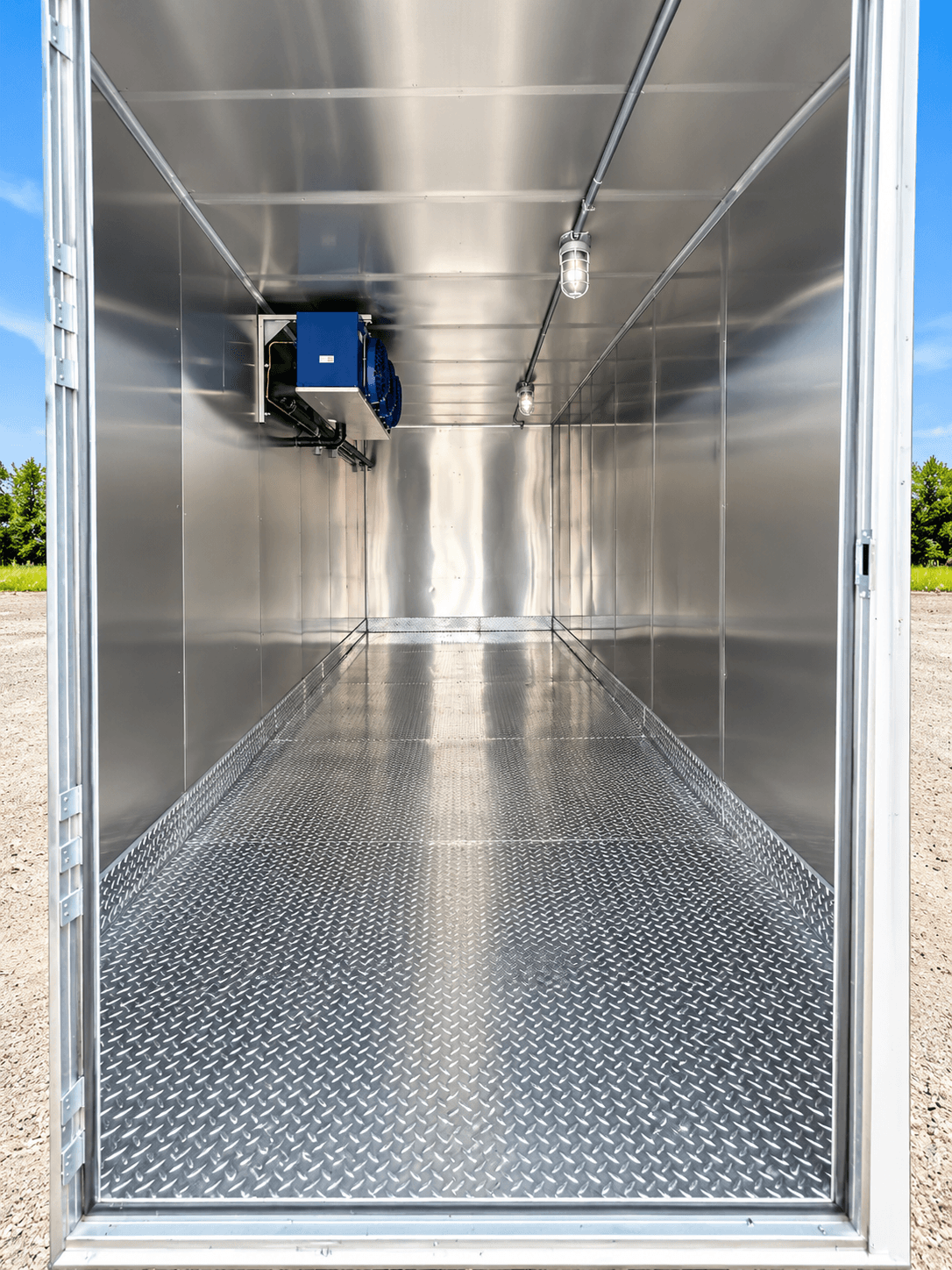
Compare the equipment
These published examples describe named company units. The supplied equipment, configuration and availability are confirmed for your project address.
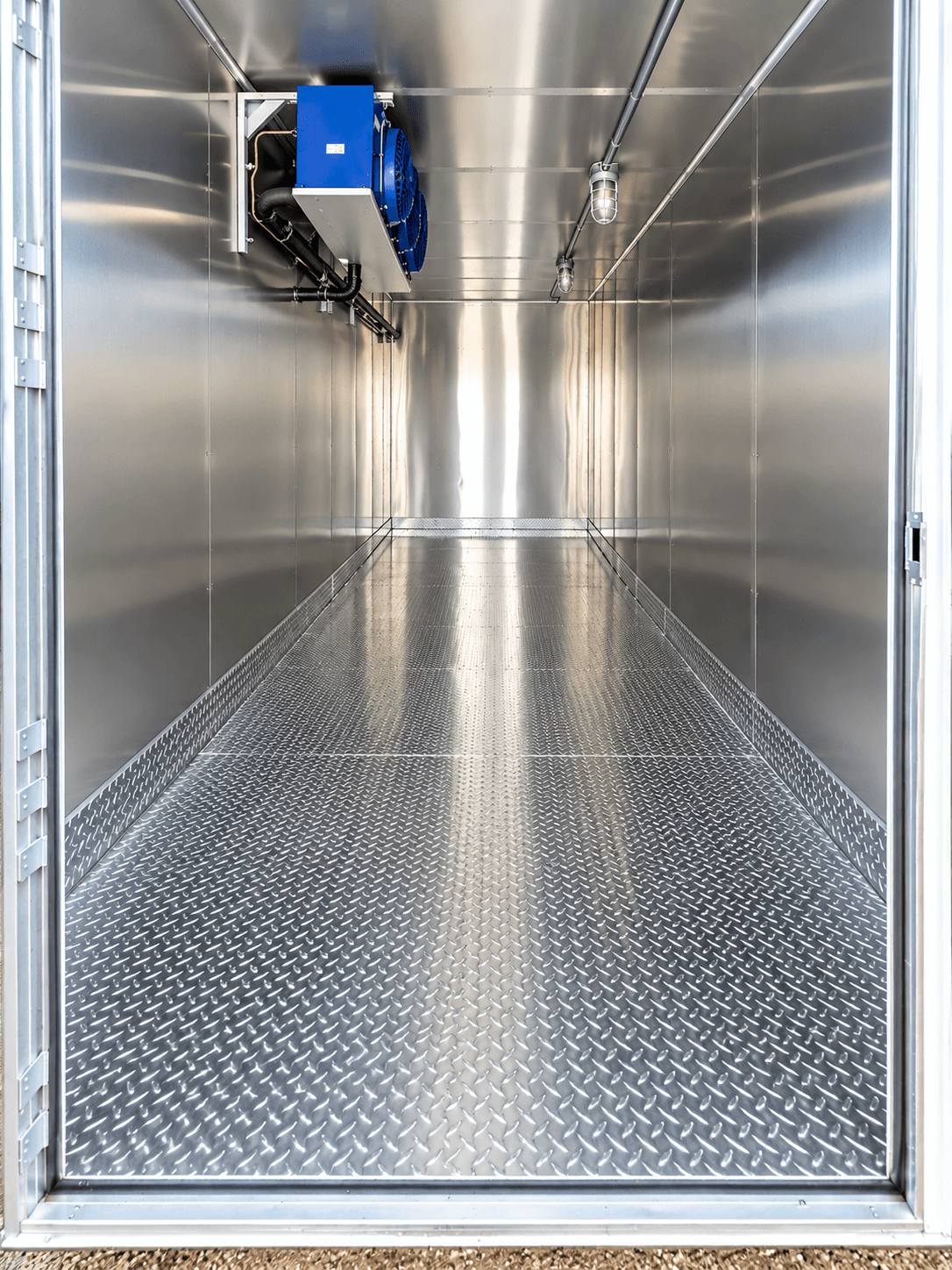
Listed refrigeration trailer equipment: condensing unit, amps panel, lighting.
Equipment records reviewed October 19, 2026. Temperature labels are inventory labels, not verified operating ranges. Nominal length is a model label, not a measure of usable space or site footprint.
Emergency refrigeration rental in Annapolis often starts with one decision: whether the stock belongs in a portable walk-in freezer for rent or in a different format, such as a rented walk-in freezer. The same equipment can be rented for a few days or leased for several months, depending on how long the permanent storage will be out of service. Cold storage is the usual starting point, and the same team can discuss a mobile kitchen rental or a dishwashing trailer lease if the interruption is wider.
Trailers for rent and trailer leasing cover emergency, short-term and long-term needs, from portable walk-in coolers to outdoor walk-in refrigeration for commercial sites. Calls about a failed walk-in cooler or freezer are answered by a person around the clock, and delivery timing and equipment availability are confirmed once the details are reviewed. If your project is closer to Baltimore, Rockville, Gaithersburg and Lexington Park, say so when you reach out. Emergency refrigeration rental, trailer leasing and mobile kitchen options are discussed for the actual address rather than the nearest large city. Most calls are about refrigeration: a failed cooler, a warm freezer or a compressor that will not restart. Portable refrigerated units can stand beside a building as extra cold storage for an event, a renovation or a seasonal peak. A temporary walk-in cooler or freezer rental ends with an agreed collection and a plan for moving stock back.
Artscape in Baltimore is described as the largest free arts festival in the United States, with CBS Baltimore reporting hundreds of thousands of visitors braving the heat across its multi-day run. Distributors and processors in Sykesville, Bel Air and Greenbelt can compare a short-term refrigeration trailer rental with a long-term lease for outdoor walk-in refrigeration. Distributors in Frederick can compare a short-term refrigerated trailer rental with a longer lease for outdoor walk-in refrigeration. Refrigerated trailers for rent and portable walk-in coolers hold drinks, produce and prepared food at crowded events, and a refrigeration container suits a longer festival run. Refrigeration is an emergency need: every call about a failed commercial walk-in freezer or refrigeration unit is an emergency call. These are public facts about the area, not a record of company jobs; equipment, availability and delivery are confirmed in the quote.
After Hurricane Isabel in September 2003, Baltimore Gas and Electric counted 629,000 customer outages, most in and around Annapolis, and it took eight days to restore everyone’s power. When a compressor fails at a grocery in Highland Beach, a school in New Carrollton or a care facility in Berwyn Heights, an emergency walk-in cooler or freezer rental can protect the food while repairs are arranged. A hotel or grocery in Riverdale Park with a failed cooler can ask about renting a refrigerated trailer. When power or utilities fail, a commercial walk-in freezer or refrigeration unit is an emergency call, and emergency kitchen trailers can be added if the kitchen is down as well. Onsite temporary facilities can include portable refrigeration, trailers for rent and, if dishes are affected, a dishwashing trailer. A dishwashing trailer lease can be added to the same quote when returned dishes also need washing. Mobile kitchens, dishwashing trailers and refrigerated trailers for rent can be quoted together as temporary facilities. When cooking and dish washing stop together, a mobile kitchen, a dishwashing trailer and portable refrigeration can be one request. This is published public context, not company work; each request is quoted for its own address and dates.
The June 29, 2012 derecho stripped power from about 750,000 BGE customers in roughly 30 minutes, with more than 1.7 million outages statewide, and customers waited more than a week for full restoration. Grocers in Hyattsville, hotels in Takoma Park and commissaries in Hagerstown often face the same emergency, a walk-in that stops cooling, and ask first about a refrigerated trailer for rent. A failed commercial walk-in freezer after an outage is an emergency call, and walk-in coolers, walk-in freezers and refrigerated trailers are the first rentals discussed. Dishwashing trailer rentals and warewashing capacity are quoted beside the kitchen and refrigeration when the whole food-service area is affected. Kitchen, dishwashing and refrigeration rentals are separate equipment, and each can be rented short-term or leased long-term. Nothing here assumes available equipment or a delivery time; a person answers rental inquiries 24/7 and the quote confirms the details.
The Maryland Transportation Authority’s executive director has given late 2030 as the anticipated reopening date for the rebuilt Francis Scott Key Bridge, with the cost estimate raised to a range of $4.3 billion to $5.2 billion. Seasonal refits in Walkersville, Poolesville and Hillsboro can be covered by a lease that starts before demolition and ends after the stock moves back indoors. Trailer leasing covers the length of a project: a refrigerated trailer for supplies and a refrigeration container for bulk stock, short-term or long-term. Portable refrigerated trailers, refrigeration containers and outdoor walk-in refrigeration units can all be discussed for the same job. A mobile dishwashing trailer and a mobile kitchen trailer are often requested together, with a refrigerated trailer for the stock. The context above comes from public sources and does not describe a completed job; availability and delivery are confirmed in the quote. Refrigerated containers and trailers can hold product cold while the permanent cooler or freezer is repaired. Cold storage rental for an event or a seasonal peak follows the same steps as an emergency refrigeration rental. Most calls are about refrigeration: a failed cooler, a warm freezer or a compressor that will not restart.
A commercial walk-in freezer failure in Annapolis is an emergency call, and onsite temporary refrigeration is how most such calls begin. A dishwashing trailer, a mobile kitchen trailer and a refrigerated trailer for rent can each be short-term or long-term, depending on the repair. Modular and portable cold storage can be discussed in stages when a site needs more space than one refrigerated trailer provides. Modular, mobile or portable, the equipment is chosen to fit the work that continues at the site.
Emergency refrigeration rental, trailer rentals and trailer leasing are all handled through one inquiry, so one call can cover every option. Portable refrigerated trailers, refrigeration containers and outdoor walk-in refrigeration units can all be discussed for the same emergency. Refrigeration containers are often chosen for long-term storage, while refrigerated trailers are chosen for short-term emergencies; both can be rented. A portable refrigerated trailer suits most emergency calls, while a refrigeration container fits a longer, more stationary need.
Portable refrigeration is not a permanent fix; it is a set of temporary facilities for the weeks between a failure and a repaired walk-in freezer. Emergency refrigeration can be arranged as a refrigerated trailer, a refrigeration container or a portable walk-in cooler, depending on the stock and the site. Emergency refrigeration rental covers walk-in coolers, walk-in freezers and refrigerated trailers for commercial kitchens, warehouses and plants. Short-term or long-term, the same refrigerated trailer rental starts from the address, the stock and the dates.
Onsite temporary facilities can include portable refrigeration, a mobile kitchen trailer and, if dishes are affected, a dishwashing trailer. When cooking and dish washing stop with the walk-in freezer, a mobile kitchen, a dishwashing trailer and portable refrigeration can be one request. A mobile kitchen trailer for rent can sit beside onsite refrigeration, so cooking and cold storage are planned together. Trailer rentals, refrigerated trailers for rent and trailer leasing are all discussed with the address and the dates in hand.
Dishwashing and kitchen outages often arrive together, so dishwashing trailer rentals and a mobile kitchen for rent are quoted beside emergency refrigeration. A dishwashing trailer lease can be added to the same quote when returned dishes also need washing. Dishwashing trailer rentals and kitchen trailer rentals can be quoted alongside refrigerated trailers for rent when the whole kitchen is down. Temporary facilities can be arranged onsite for an event, a renovation or an emergency, and collected when the permanent kitchen is ready.
Kitchen, dishwashing and refrigeration rentals are separate equipment, and each can be rented short-term or leased long-term. Temporary facilities for a commercial site usually mean refrigeration first, then a mobile kitchen or dishwashing trailer if cooking or washing is also interrupted.
A kitchen preparing to open or reopen in Annapolis may need refrigeration before customers arrive. Supplies can be delivered during training, preparation or the final stages of building work. Include those activities when considering the start, with the highest quantity held together made clear. The opening announcement alone may omit a meaningful part of the storage requirement.
Decide whether the rental holds an initial reserve or remains the main store during service. Those roles can have different handling patterns once the unit is full. Describe packaging, required chilled or frozen conditions and the ingredients staff retrieve repeatedly. Equipment should be considered for usable layout and access instead of being chosen only because an exterior photograph suggests enough space. Identify who receives those first supplies and who will use them during preparation.
During openings and kitchen work, kitchen and dishwashing staff may share the same route to cold storage, so the 12ft Refrigerated Trailer guide's notes on which stock must move first and a handback plan for the end of the rental are worth reading early.
For an Annapolis caterer serving an event in Bowie, explain where ingredients remain before preparation and where they need refrigeration during service. A reserve at one kitchen and a store at the venue can have different rental periods and access needs even when ordered by the same team.
Readers in Annapolis may also want to compare how other nearby cities approach their projects. Laurel’s guide focuses on repairs and receiving peaks, and a separate reading is College Park’s guide on commercial food-service projects. Those are separate sites with separate requirements, so use them only as prompts for your Annapolis request.
A function in Glenarden can add a separate supply peak, while a venue in Chesapeake Beach needs its own receiving and collection discussion. These regional examples help define the actual equipment destination rather than imply shared connections or one transport arrangement. Describe the products’ working journey so the rental supports the place where staff use them.
A delayed refurbishment in Annapolis or Bowie, Maryland, can leave university dining staff planning meals for reopening before the permanent receiving area returns to use. Map the route from supplier arrival to meal preparation, including occupied walkways, restricted doors and the proposed temporary equipment position.
Consider where new supplies are put away, how employees find ingredients and whether handling equipment uses the entrance. Planned shelving or fittings should be discussed rather than assumed included. If permanent refrigeration remains partly available, define which products stay inside and what the rental adds.
The proposed position should remain useful after normal activity resumes. An area convenient during building work can become a busy receiving or staff route once the kitchen opens. Review the actual unit’s connections and entrance alongside that change, with the property contact and operating staff involved in the placement discussion.
NOAA describes Maryland’s warm, humid summers and moderately cold winters, with frequent precipitation and bay and ocean influences in eastern areas. These state-level patterns make the intended period relevant to equipment and placement for an Annapolis project, without establishing a local forecast or operating specification.
The property contact can explain existing access arrangements, the proposed surface and shared working areas. A rental spanning seasons should be considered for the whole period of use, not only the conditions on the day equipment arrives. Connect that site discussion with staff movement and supply receiving once the temporary store is loaded.
Construction finishing does not instantly transfer ingredients back. Include stocking and organizing permanent refrigeration before deciding when the rental can be emptied and collected. Review continued-use terms if opening or replacement dates remain tentative rather than assuming additional time is included.
The setup and delivery amount is a starting figure for the equipment type, so it does not cover every journey, collection or site charge. Request a full quote for duration, transport, collection and other project items. Comparing the same storage role and dates gives purchasing and preparation teams an arrangement they can schedule around, with the practical handover connected to the agreement.
Before you book
Discuss the first supplies and preparation days, alongside equipment, property access and dates. Storage can be needed before public service starts. Explain that overlap so the proposed period follows actual ingredient use rather than relying on the opening announcement as the only starting point.
Describe when that happens and the products employees retrieve frequently. Daily access can place different demands on layout and placement from occasional reserve use. Discuss the highest quantity, packaging and required conditions for each stage so the equipment offered supports the working routine through the transition.
Review equipment, actual duration, transport, collection, connections and other charges. Include terms for changes and the return to permanent storage. The calculator multiplies the published rate range for your chosen period by the number of periods and shows setup and delivery separately.
Rent a portable walk-in freezer for a breakdown that will be fixed in days; lease it when the permanent cooler or freezer will be out of service for months. Send the address, the product and its temperature, and your dates. Delivery timing, availability and the rental period are confirmed once the details are reviewed.
Portable refrigerated trailers, refrigeration containers, outdoor walk-in refrigeration, and portable walk-in coolers or walk-in freezers can be discussed for onsite, short-term or long-term use. A commercial walk-in freezer that fails overnight is an emergency, and so is a commercial refrigeration system that stops holding temperature. Every call about a failed commercial walk-in freezer or refrigeration unit is an emergency call, and a person answers rental inquiries 24/7. Equipment, availability and delivery timing are confirmed in the quote.
These public references inform the planning examples; equipment availability and delivery arrangements are confirmed for your address.
Temporary refrigeration, kitchens and dishwashing can support many kinds of food-service operations. Each setting below starts with its own schedule, stock and site questions, and every project is reviewed individually.
Hotels, restaurants and resorts can plan temporary refrigeration around breakfast, banquet and dinner service when a walk-in cooler fails or a kitchen is refurbished.
Hospital, nursing home and care-facility kitchens can describe meal schedules, delivery times and displaced stock so temporary storage follows the food-service routine.
Municipal, county and public-building food-service teams can outline receiving arrangements, responsible contacts and project dates before a quote is prepared.
Dining facility managers can explain the products displaced, the receiving arrangements and the proposed period, then review availability and terms with our team.
Schools, colleges and universities can plan around term dates, serving windows and campus kitchen renovations so meal service can continue during repairs or construction.
Plant cafeterias and employee dining areas can describe shift patterns and staged building work so temporary cold storage can be reviewed against the working schedule.
Caterers and venues can plan preparation windows, event days and overflow ingredients, and describe how stock moves between storage, the kitchen and service.
Producers, wholesalers and distributors can describe loading, staging and storage needs when a cooler breaks down or demand temporarily exceeds capacity.
These examples describe planning situations. Equipment, availability and terms are confirmed in a project quote.
Cold storage is only one part of a project. These are the questions we work through with you before anything is booked.
Start with refrigerated containers and refrigeration trailers, then add a temporary kitchen or dishwashing trailer when the project needs one, all in a single conversation.
Access, utilities and the intended position are reviewed before delivery is arranged, so the equipment is matched to your site rather than the other way around.
Whether a walk-in cooler failed this morning or a renovation is months away, describe the real situation and plan around the stock, dates and people involved.
Planning guides cover all 50 states and more than 700 cities. Your address is then confirmed for equipment and delivery.
Use the rental calculator for a rate-range estimate and setup amount, then request a project quote that confirms availability, transport and the rental period.