BXRT20–1Refrigerated trailer
- Nominal length
- 20ft
- Listed electrical supply
- 220V · single-phase · 40–60A
- Inventory temperature label
- 32°F
Temporary cold storage in Lakeland, Florida
Arrange Lakeland refrigerated container rental inquiries around the actual stock transfer, whether an emergency cooler failure has stopped normal storage or a planned renovation will displace it. Kitchen and dishwashing facilities may need their own review when food preparation changes too. Worldwide Refrigerated Container Rental Facilities serves commercial and industrial projects, including a commercial grocery food department, with short-term rental and longer lease requests discussed against the operating schedule. Tell us about trading stock and reserve deliveries for different counters, the required conditions and the proposed position. Include delivery-access coordination, the address and preferred dates so we can discuss availability and prepare a project-specific quote.
Emergency cooler or freezer failure in Lakeland? A person answers rental inquiries 24/7. Availability and delivery timing are confirmed in your quote.
Plan your rental budget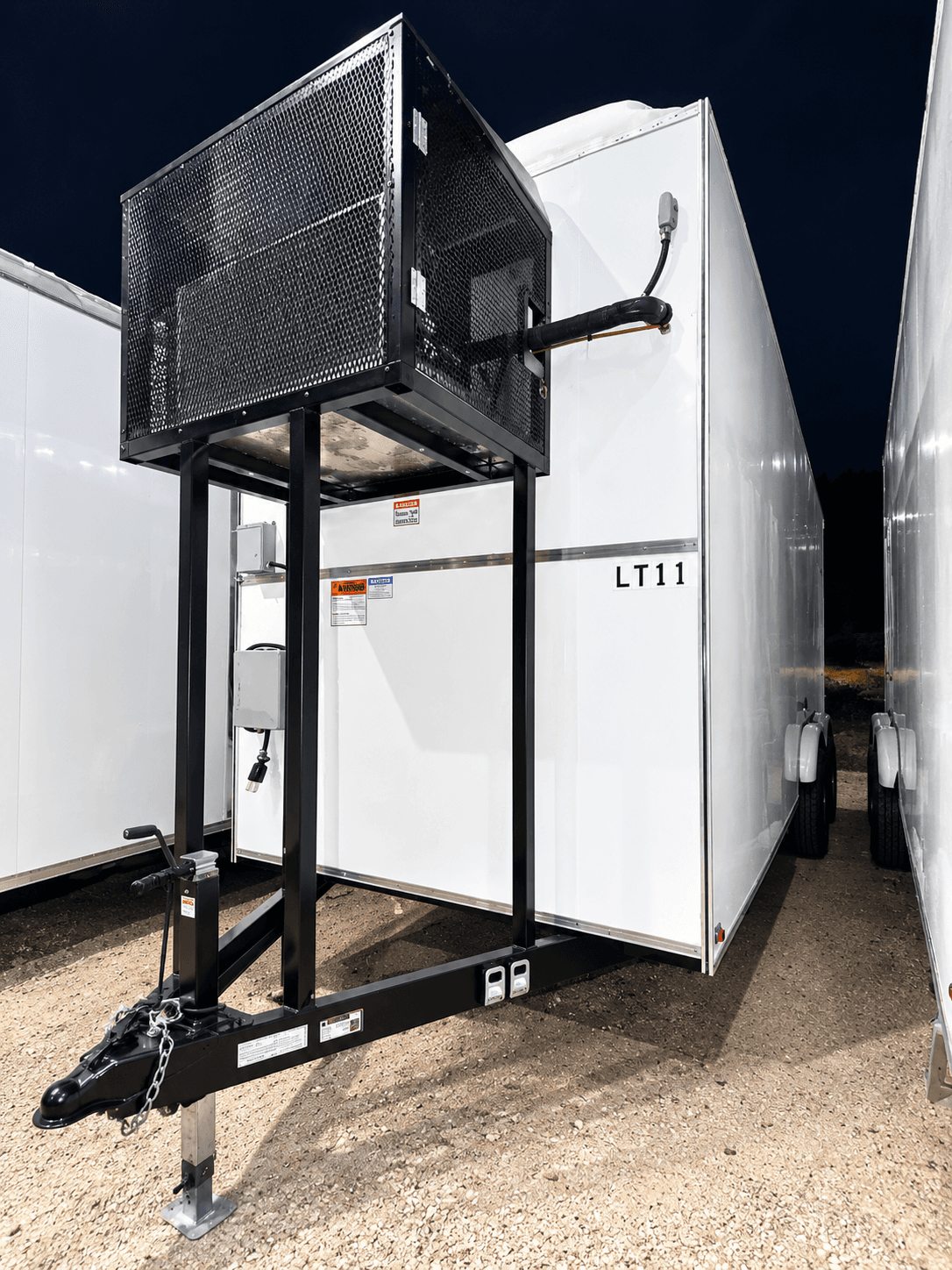
Compare the equipment
These published examples describe named company units. The supplied equipment, configuration and availability are confirmed for your project address.
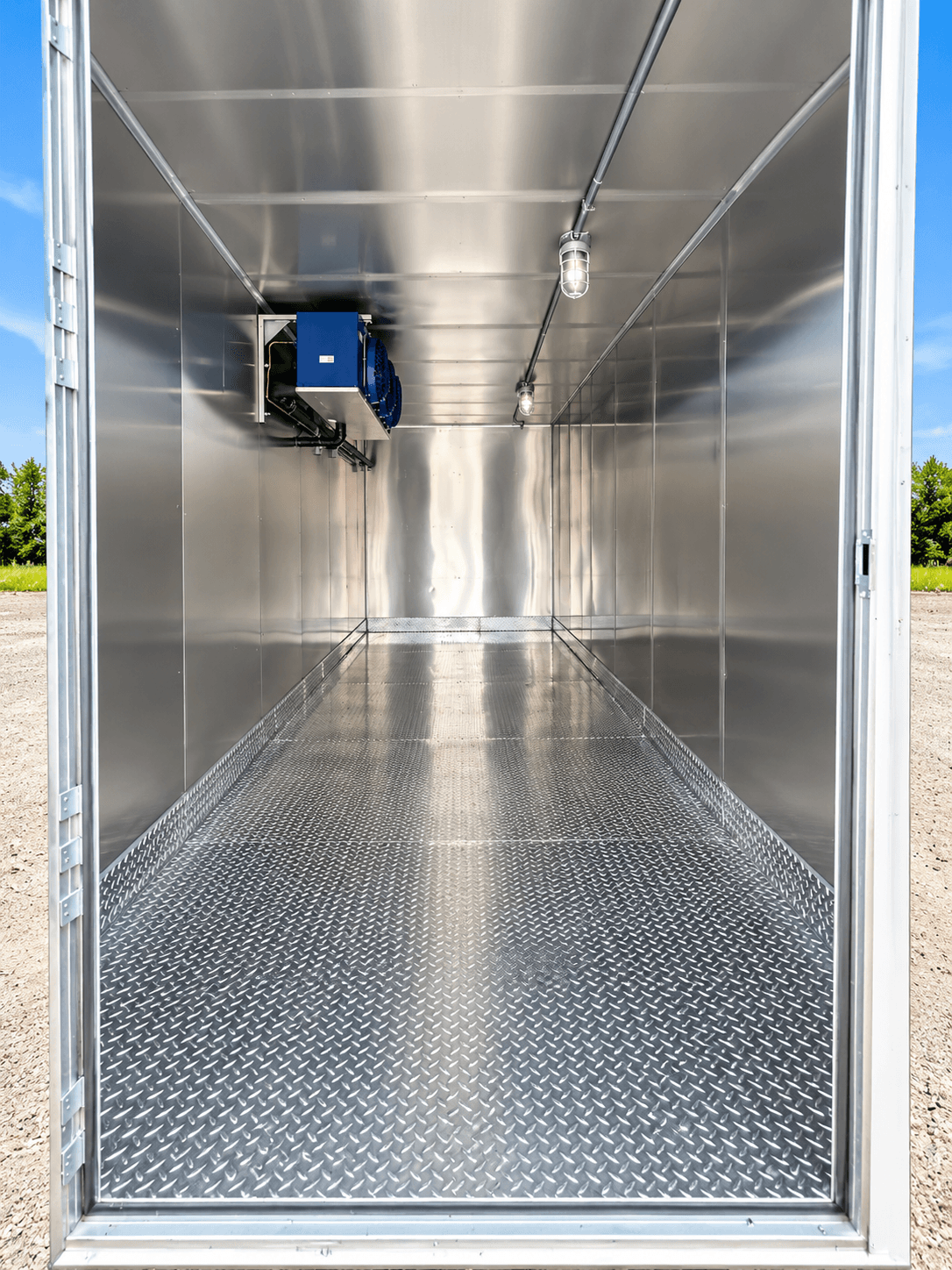
Listed refrigeration trailer equipment: condensing unit, amps panel, lighting.
Equipment records reviewed October 19, 2026. Temperature labels are inventory labels, not verified operating ranges. Nominal length is a model label, not a measure of usable space or site footprint.
The useful starting point in Lakeland is a refrigerated display-support failure during normal trading. A department may need reserve space even while another counter operates normally. Record the affected product groups, the next replenishment and the staff route so the request describes the actual interruption. Explain the current refrigeration problem without relying on a general emergency description; the products and their next required movement determine what needs review. The National Weather Service records Hurricane Irma affecting Florida in September 2017.
A grocery counter can remain open while the room holding its reserve goods is unavailable. After refrigeration fails, identify the affected department’s stock and the next replenishment, leaving other departments’ usable positions clearly recorded. The receiving team needs that distinction before accepting a large incoming order or moving goods through a route still used for normal trading.
Read the 12ft Refrigerated Trailer guide alongside this page when planning rent during commercial refurbishment; it looks at how to rotate stock in a small interior and at where a compact unit can stand near the kitchen door.
Lakeland’s January 14, 2025 notice announced a January 27–29 library closure for moving collections back after flooring, ceiling, lighting and HVAC improvements. It describes the return stage of a multi-year construction project, not a three-day overall renovation. For a different commercial opening in Lakeland, connect refrigerated stock arrival to accepted equipment and usable access, rather than the date on an invitation. The public example is local context and does not identify a customer or a refrigeration contract supplied by this business.
Two nearby cities approach their projects differently. Tampa’s guide addresses walk-in breakdowns, while the guide for operators in St. Petersburg addresses its own planning questions. Those are separate sites with separate requirements, so use them only as prompts for your Lakeland request.
For a renewed food department, identify the first receiving day rather than use the public relaunch alone. The kitchen support team should state what preparation begins before trading, and dishwashing needs should follow the actual counter operation. Review refrigerated quantities when the new delivery and remaining reserve overlap, with staff access maintained during the first busy period.
A catering schedule in Lakeland or Plant City, Florida, can change after suppliers confirm their deliveries, leaving ingredient receiving and guest service competing for working space. Keep the supplier schedule, menu revisions and venue access instructions together so replacement staff can understand the agreed catering setup.
The working question for a phased food-retail back-room renewal at Lakeland is what remains usable at each stage. Changing one room at a time can reduce displaced stock, provided the delivery schedule changes with it. Make each phase’s start and acceptance visible instead of using the overall shop-reopening date for every product group. Keep the refrigeration transfer attached to a named handback decision instead of a general statement that construction is nearly finished.
A further point of reference is Orlando’s guide, which covers its own planning questions. Check your own site details separately before relying on any comparison.
A back-room program that moves one department at a time needs matching supplier instructions. Have the kitchen lead identify the preparation activities returning in each stage, with dishwashing kept on the usable service route. Keep refrigeration for the displaced goods until that department’s permanent position is accepted, rather than relying on the reopening date for the entire store.
The Lakeland delivery address must identify the approved receiving entrance and customer traffic near the rear service drive. A request in Auburndale needs its own position and responsible contact; a Plant City operation should provide its own site plan. For Mulberry, explain the actual stock path instead of borrowing the larger city’s receiving description.
Customers may cross near a rear service drive that looked clear before trading started. Ask the property manager to confirm the refrigerated position and the receiver’s approach during the store’s real working period. Review cold-storage connections there, and keep the staff replenishment path clear when other departments receive goods or contractors alter their barriers.
Use the counter-specific acceptance that releases temporary space to explain the end of the Lakeland rental request. Include the first removal of goods, the return sequence and the proposed site position. Ask the refrigeration proposal to distinguish equipment, transport and collection, with written responsibility for connections and other work needed at the property.
Ask the Lakeland quote to identify the counter-specific acceptance that releases temporary space. A different department’s earlier return does not necessarily empty the unit. Current refrigeration charges, transport and collection should follow the goods still outside, with the process for extensions or revised receiving arrangements written alongside any separately required site work.
Before you book
Describe trading stock and reserve deliveries for different counters and the counter-specific acceptance that releases temporary space. Explain the failed refrigeration, current goods and required conditions, with the first supplier arrival and the person making the receiving decision. That gives the proposal an operating sequence to review.
For a commercial grocery food department, remove the affected counter’s goods without disturbing other departments. Kitchen and dishwashing requests depend on the functions actually displaced. Review the refrigerated position against the full work period, including the final stock return and any change to the accepted program.
For a Lakeland property affected by customer traffic near the rear service drive, give the proposal an approved position and responsible contact. Include trading stock and reserve deliveries for different counters, the required conditions and dates. The refrigeration review must confirm current equipment and charges for this address before booking.
These public references inform the planning examples; equipment availability and delivery arrangements are confirmed for your address.
Temporary refrigeration, kitchens and dishwashing can support many kinds of food-service operations. Each setting below starts with its own schedule, stock and site questions, and every project is reviewed individually.
Hotels, restaurants and resorts can plan temporary refrigeration around breakfast, banquet and dinner service when a walk-in cooler fails or a kitchen is refurbished.
Hospital, nursing home and care-facility kitchens can describe meal schedules, delivery times and displaced stock so temporary storage follows the food-service routine.
Municipal, county and public-building food-service teams can outline receiving arrangements, responsible contacts and project dates before a quote is prepared.
Dining facility managers can explain the products displaced, the receiving arrangements and the proposed period, then review availability and terms with our team.
Schools, colleges and universities can plan around term dates, serving windows and campus kitchen renovations so meal service can continue during repairs or construction.
Plant cafeterias and employee dining areas can describe shift patterns and staged building work so temporary cold storage can be reviewed against the working schedule.
Caterers and venues can plan preparation windows, event days and overflow ingredients, and describe how stock moves between storage, the kitchen and service.
Producers, wholesalers and distributors can describe loading, staging and storage needs when a cooler breaks down or demand temporarily exceeds capacity.
These examples describe planning situations. Equipment, availability and terms are confirmed in a project quote.
Cold storage is only one part of a project. These are the questions we work through with you before anything is booked.
Start with refrigerated containers and refrigeration trailers, then add a temporary kitchen or dishwashing trailer when the project needs one, all in a single conversation.
Access, utilities and the intended position are reviewed before delivery is arranged, so the equipment is matched to your site rather than the other way around.
Whether a walk-in cooler failed this morning or a renovation is months away, describe the real situation and plan around the stock, dates and people involved.
Planning guides cover all 50 states and more than 700 cities. Your address is then confirmed for equipment and delivery.
Use the rental calculator for a rate-range estimate and setup amount, then request a project quote that confirms availability, transport and the rental period.