BXRT20–1Refrigerated trailer
- Nominal length
- 20ft
- Listed electrical supply
- 220V · single-phase · 40–60A
- Inventory temperature label
- 32°F
Temporary cold storage in Madison, Alabama
Madison refrigerated container rentals help commercial operators plan temporary storage when a walk-in cooler or freezer fails. Refrigeration trailers can also bridge scheduled building work, with mobile kitchen and dishwashing options considered if preparation or cleaning moves. Worldwide Refrigerated Container Rental Facilities serves Alabama inquiries from restaurants, schools, healthcare facilities, hotels and industrial food-service teams. Short-term rentals and longer lease arrangements should cover receiving, ingredient retrieval and the return to permanent refrigeration. Share the Madison site address, preferred dates and product conditions to discuss equipment selection, delivery coordination, current availability and a written project quote.
Emergency cooler or freezer failure in Madison? A person answers rental inquiries 24/7. Availability and delivery timing are confirmed in your quote.
Plan your rental budget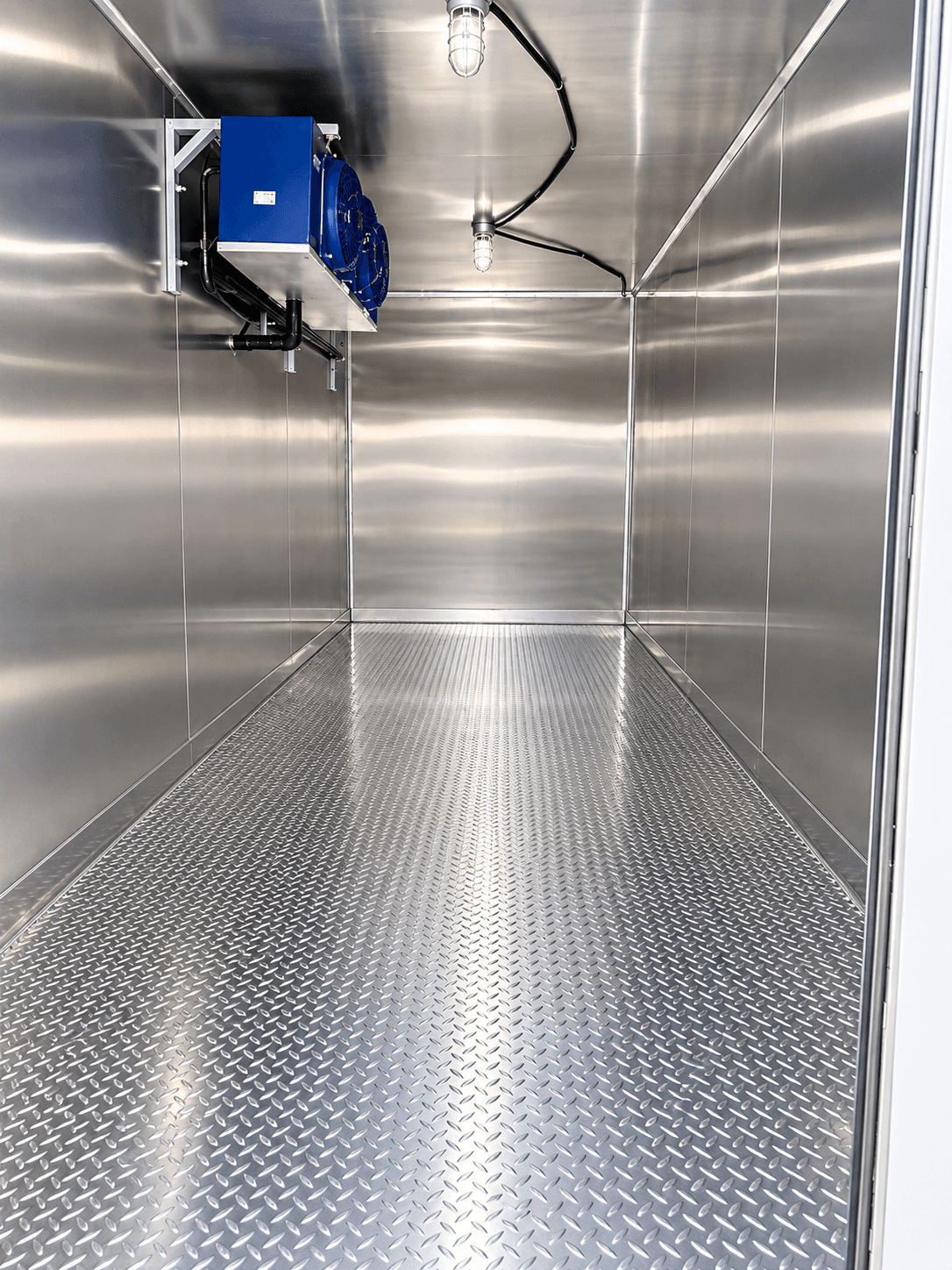
Compare the equipment
These published examples describe named company units. The supplied equipment, configuration and availability are confirmed for your project address.
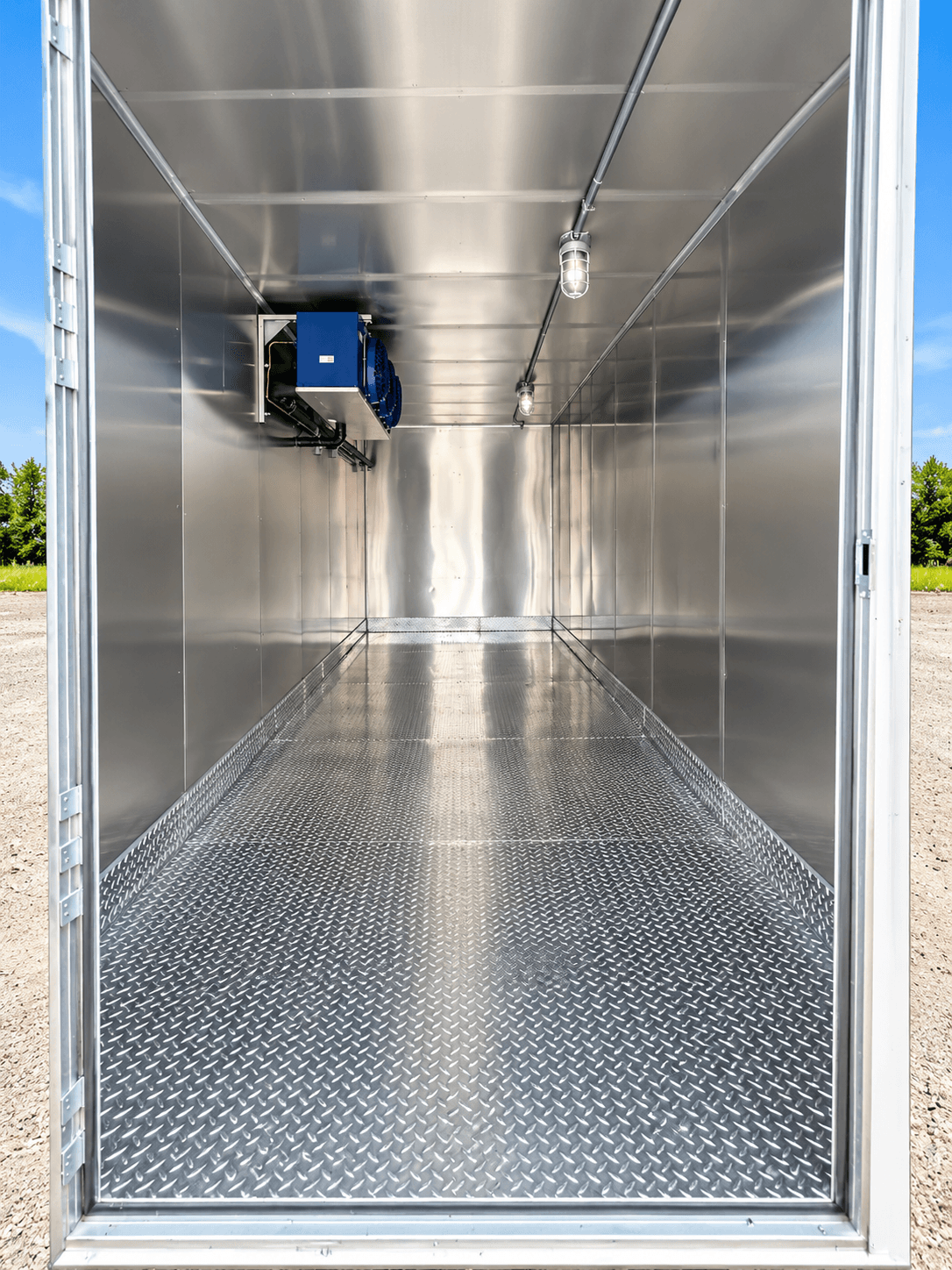
Listed refrigeration trailer equipment: condensing unit, amps panel, lighting.
Equipment records reviewed October 19, 2026. Temperature labels are inventory labels, not verified operating ranges. Nominal length is a model label, not a measure of usable space or site footprint.
The Huntsville–Madison County Emergency Management Agency describes the April 27, 2011 tornado outbreak as damaging businesses and leaving many county locations without power for an extended period. This is county-level history, not a statement that every Madison property had identical damage. It gives a commercial refrigeration contingency a useful starting question: is the store alone affected, or is the wider operation unable to function?
Nearby cities have other dated records. The National Weather Service documents a November 15, 1989 tornado that damaged businesses in Huntsville, and its survey of April 27, 2011 records roof damage to industrial buildings in Decatur. Reading those accounts alongside the county outage history can help an operator ask whether a failed cooler is isolated or part of a wider loss of power, without assuming any Madison address was affected.
A Madison operator should describe the chilled ingredients and frozen goods requiring another position, plus supplier deliveries already arranged. Identify permanent refrigeration still available, and whether food preparation and dishwashing can continue. The proposed refrigerated rental then follows the actual refrigeration workload. Ask the property representative to verify access and utilities; the existence of a local emergency plan does not establish an approved equipment position or a promised delivery deadline.
For commercial kitchen changeovers, the 20ft Refrigerated Container guide sets out the next questions to settle, starting with protection for the power connection and then after-hours access to the unit.
In January 2025, Madison announced construction of Fire Station 4 alongside renovation of the Public Safety Annex in Town Madison. The release gave expected schedules for those different parts. Those were expectations at publication, not verified current completion dates. The example shows why a commercial refrigeration inquiry should distinguish new construction from the commissioning and relocation steps that follow.
For a Madison operator preparing a new food-service facility, set out when the first stock arrives and when permanent cold storage is accepted for use. If those dates do not align, describe the cooler requirement in the intervening period. A temporary kitchen needs its own production and site-services review. Treat dishwashing through the actual cleaning workload as well. We reference the public project for context without claiming any equipment contract or food-service requirement there.
A government or civic food-service manager can describe supplier arrivals alongside the periods when staff collect ingredients for preparation and service. Include the supplier timetable and ingredient movements so the agency's review considers daily food-service activity alongside the proposed rental dates.
Madison’s February 2025 comprehensive-plan comment response refers to the new community center and notes the city’s reuse of the former Hexagon gym as a wellness center. The city’s current Community Center page describes rooms for meetings and luncheons, together with the senior center. These official references illustrate different uses of existing buildings; they do not establish a need for temporary refrigeration at either facility.
A Madison commercial renovation should show which permanent cooler remains usable, which goods move and when the busiest load occurs. If food preparation moves to another kitchen, explain the ingredient-transfer arrangement. If dishwashing also changes, identify its proposed connections separately. Include refrigeration needed while stock is returned after the building work, so the requested period covers the operator’s actual cold-storage transition rather than only the contractor’s room closure.
A Madison refrigeration request should identify the authorized receiving person, approved entrance and measured space available. Review how staff will reach the refrigerated store repeatedly after unloading, including any public or contractor activity sharing that path. The property representative should review exits and emergency access. Current official road restrictions and emergency instructions must guide changes; an old public-project timetable is not a delivery route.
For work at a Huntsville property, give that operating address instead of a Madison purchasing office. A Triana business should describe the cooler position and receiving arrangements at its own premises. An Athens food-service site may have a different cold-storage load and connection discussion even under shared management. If kitchen and dishwashing facilities are also being considered, review them in the same property layout while keeping their workloads and utility requirements distinct.
A Madison refrigeration quote needs the required conditions, goods, busiest stored quantity, delivery address and full period. Show whether stock builds before service or moves in stages while permanent rooms are improved. No current city-specific rate is verified here. Ask which rental-period charges, transport and collection are included, with preparation, utility connections and servicing responsibilities identified separately.
If the permanent cooler’s return date is uncertain, discuss what determines that milestone and how an extension is approved and priced. Give any mobile kitchen its own period and operating scope, and describe dishwashing in the same way. A written refrigerated proposal should help the Madison team understand what is available, what remains to be arranged and when the final move back inside can occur.
Before you book
State each refrigeration address and workload separately, including the receiving peak and permanent storage that remains available. Shared management does not establish identical cooler needs or access. The individual site facts allow the proposed refrigeration equipment and transport arrangements to be assessed accurately.
Yes, explain what remains usable. Keeping the kitchen and dishwashing operations visible helps show that cold storage is the displaced function. If those activities also move later, describe the later phase separately rather than assuming the original proposal already covers it.
No. They are official Madison planning examples, not a record of completed refrigerated rentals. Equipment availability, current charges, the requested period and delivery coordination require a proposal for your address. We do not infer a local office from a named city project.
These public references inform the planning examples; equipment availability and delivery arrangements are confirmed for your address.
Temporary refrigeration, kitchens and dishwashing can support many kinds of food-service operations. Each setting below starts with its own schedule, stock and site questions, and every project is reviewed individually.
Hotels, restaurants and resorts can plan temporary refrigeration around breakfast, banquet and dinner service when a walk-in cooler fails or a kitchen is refurbished.
Hospital, nursing home and care-facility kitchens can describe meal schedules, delivery times and displaced stock so temporary storage follows the food-service routine.
Municipal, county and public-building food-service teams can outline receiving arrangements, responsible contacts and project dates before a quote is prepared.
Dining facility managers can explain the products displaced, the receiving arrangements and the proposed period, then review availability and terms with our team.
Schools, colleges and universities can plan around term dates, serving windows and campus kitchen renovations so meal service can continue during repairs or construction.
Plant cafeterias and employee dining areas can describe shift patterns and staged building work so temporary cold storage can be reviewed against the working schedule.
Caterers and venues can plan preparation windows, event days and overflow ingredients, and describe how stock moves between storage, the kitchen and service.
Producers, wholesalers and distributors can describe loading, staging and storage needs when a cooler breaks down or demand temporarily exceeds capacity.
These examples describe planning situations. Equipment, availability and terms are confirmed in a project quote.
Cold storage is only one part of a project. These are the questions we work through with you before anything is booked.
Start with refrigerated containers and refrigeration trailers, then add a temporary kitchen or dishwashing trailer when the project needs one, all in a single conversation.
Access, utilities and the intended position are reviewed before delivery is arranged, so the equipment is matched to your site rather than the other way around.
Whether a walk-in cooler failed this morning or a renovation is months away, describe the real situation and plan around the stock, dates and people involved.
Planning guides cover all 50 states and more than 700 cities. Your address is then confirmed for equipment and delivery.
Use the rental calculator for a rate-range estimate and setup amount, then request a project quote that confirms availability, transport and the rental period.