BXRT20–1Refrigerated trailer
- Nominal length
- 20ft
- Listed electrical supply
- 220V · single-phase · 40–60A
- Inventory temperature label
- 32°F
Temporary cold storage in Corvallis, Oregon
Corvallis emergency refrigeration rentals can support a commercial kitchen when a walk-in cooler or freezer breaks down. Refrigerated containers, trailers and portable cold storage can also bridge planned renovations, with cooking and dishwashing trailers considered for connected work. Restaurants, schools, hospitals, hotels and industrial food operations can discuss short-term rental or longer lease needs. Worldwide Refrigerated Container Rental Facilities serves Corvallis, coordinating proposed equipment and delivery around the actual property and project dates. Explain the goods needing storage, required conditions and available position to request availability and a current project quote.
Emergency cooler or freezer failure in Corvallis? A person answers rental inquiries 24/7. Availability and delivery timing are confirmed in your quote.
Plan your rental budget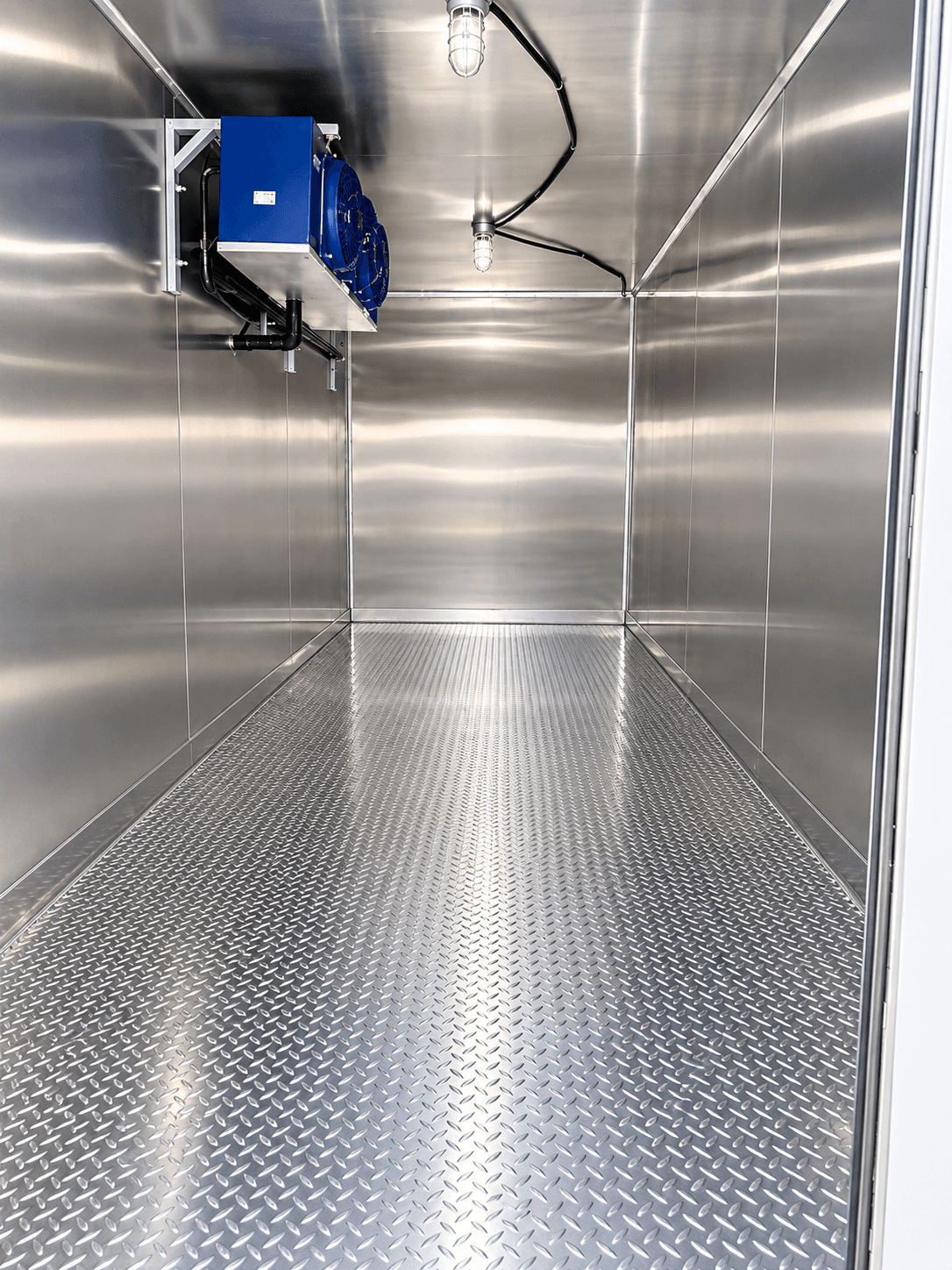
Compare the equipment
These published examples describe named company units. The supplied equipment, configuration and availability are confirmed for your project address.
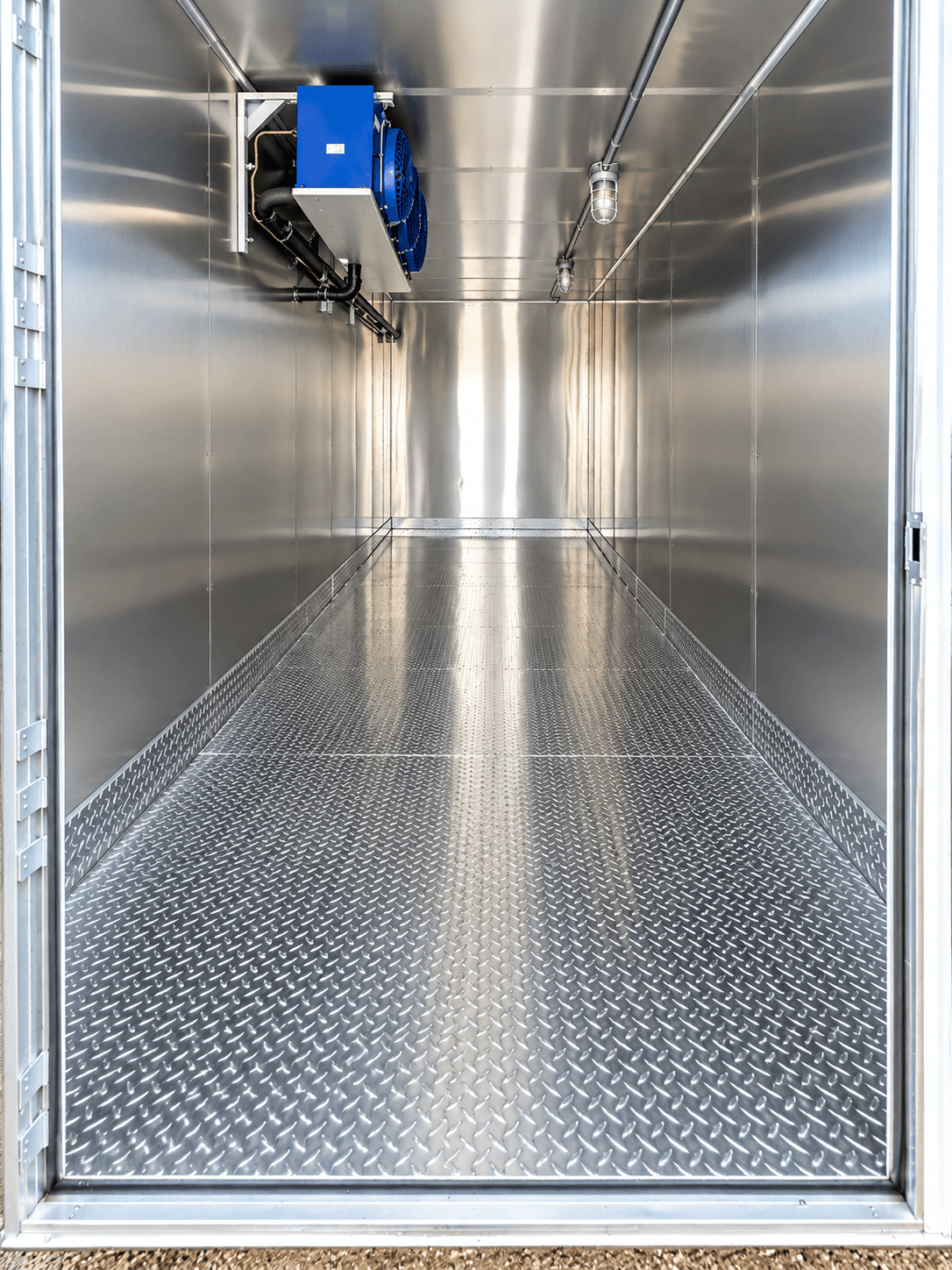
Listed refrigeration trailer equipment: condensing unit, amps panel, lighting.
Equipment records reviewed October 19, 2026. Temperature labels are inventory labels, not verified operating ranges. Nominal length is a model label, not a measure of usable space or site footprint.
For a Corvallis kitchen facing a refrigeration failure, identify the goods requiring alternative storage now and deliveries expected before the permanent system returns. Those loads can overlap, making the busiest temporary requirement larger than the first transfer. Separate chilled and frozen conditions and explain any handling separation before comparing equipment.
For a restaurant in Philomath, a workable ingredient route matters throughout the interruption. Show where stock arrives, how staff reach preparation and the packages or carts used. The proposed unit’s doorway and internal arrangement should be compared with those movements, connecting the quantity held with practical daily access.
Read the 12ft Refrigerated Trailer guide alongside this page when planning emergency refrigeration rentals for commercial kitchens; it looks at how to rotate stock in a small interior and at the power connection to confirm before delivery.
The contractor’s first repair estimate is useful context, but it may not establish when temporary storage can leave. Permanent refrigeration needs to be ready for normal use, and staff may transfer stock in stages. Include that handover in the intended period.
Several neighboring guides cover situations that resemble parts of an inquiry from Corvallis. Salem’s guide is organized around planned food-service changeovers. A separate comparison is Eugene’s guide, which covers planning during food-service work. Those are separate sites with separate requirements, so use them only as prompts for your Corvallis request.
If repairs develop into a longer replacement project, review stock demand and the proposed position as well as the dates. A reduced operation at first can grow before permanent storage is available. Keep updates with one coordinating contact so the temporary arrangement follows the working kitchen rather than an outdated estimate.
During hospitality service planning in Corvallis or Albany, Oregon, the closing team may still handle unused ingredients after the final guest order has been completed. Ask the dining supervisor to identify frequently retrieved ingredients and describe how employees will reach them while other property activities continue.
A school or institutional kitchen project in Albany may move cold storage while cooking and cleanup remain active. Map the receiving and preparation routes through each construction stage. Temporary refrigeration should support those movements and the stock held at the busiest point.
Where a mobile kitchen or dishwashing trailer is also needed, give each function a distinct role and dates. Compare their positions with the refrigeration route while reviewing actual configurations and connections separately. The final return indoors belongs in that layout discussion too, including stock transfer after permanent equipment is handed over.
For an industrial food-service project in Millersburg, several teams may use the same temporary unit across different shifts. Describe the overlap between deliveries and ingredient retrieval, with product conditions and separate handling needs clear. An average day’s quantity can miss the period when the room is most heavily used.
Compare the actual layout with packages, carts and the goods retrieved most often. Capacity is more useful when staff can reach stock during normal work. This gives a longer lease inquiry a practical basis beyond the outside size or appearance of a container or trailer.
NOAA describes Oregon’s wetter west and drier interior, with western precipitation concentrated in autumn through spring and comparatively dry summers. Include the actual season and known property drainage or access concerns when discussing outdoor equipment.
The selected unit’s connections and placement requirements need review with the property team, alongside staff routes and the equipment approach. Construction can change receiving after arrival. Considering later phases and collection helps the proposed position stay useful through the entire arrangement rather than only appearing convenient at the first visit.
Request the actual equipment, agreed period, transport and site-dependent items in a current quote. Its range comes from published national rates, so the quote still confirms the exact rate, transport and terms for this address. Compare the full scope with the stock and working route described.
Discuss the process for extensions, revised dates and collection before confirming. Clear responsibilities help the operating and property teams manage the final transfer back into permanent refrigeration. A useful temporary plan connects the urgent first requirement with that return to normal service rather than addressing equipment arrival alone.
Before you book
Describe the affected goods, required conditions, incoming orders and earliest useful start, with the actual property and a reachable decision-maker. The contractor can continue assessing the fault while the rental discussion focuses on the kitchen’s immediate operating load and a practical position for temporary equipment.
Show when each team retrieves ingredients, when deliveries arrive and the busiest overlap between them. Include packages, carts and any separate handling needs. The actual layout can then be assessed against daily work rather than a stock average or an outside dimension that does not show usable access.
Yes. Permanent refrigeration may need testing and handover before staff move goods back, and the transfer can take place in stages. Describe that operating sequence when requesting the period. Confirm extensions and collection in the quote so the temporary arrangement follows readiness rather than one estimated repair finish.
These public references inform the planning examples; equipment availability and delivery arrangements are confirmed for your address.
Temporary refrigeration, kitchens and dishwashing can support many kinds of food-service operations. Each setting below starts with its own schedule, stock and site questions, and every project is reviewed individually.
Hotels, restaurants and resorts can plan temporary refrigeration around breakfast, banquet and dinner service when a walk-in cooler fails or a kitchen is refurbished.
Hospital, nursing home and care-facility kitchens can describe meal schedules, delivery times and displaced stock so temporary storage follows the food-service routine.
Municipal, county and public-building food-service teams can outline receiving arrangements, responsible contacts and project dates before a quote is prepared.
Dining facility managers can explain the products displaced, the receiving arrangements and the proposed period, then review availability and terms with our team.
Schools, colleges and universities can plan around term dates, serving windows and campus kitchen renovations so meal service can continue during repairs or construction.
Plant cafeterias and employee dining areas can describe shift patterns and staged building work so temporary cold storage can be reviewed against the working schedule.
Caterers and venues can plan preparation windows, event days and overflow ingredients, and describe how stock moves between storage, the kitchen and service.
Producers, wholesalers and distributors can describe loading, staging and storage needs when a cooler breaks down or demand temporarily exceeds capacity.
These examples describe planning situations. Equipment, availability and terms are confirmed in a project quote.
Cold storage is only one part of a project. These are the questions we work through with you before anything is booked.
Start with refrigerated containers and refrigeration trailers, then add a temporary kitchen or dishwashing trailer when the project needs one, all in a single conversation.
Access, utilities and the intended position are reviewed before delivery is arranged, so the equipment is matched to your site rather than the other way around.
Whether a walk-in cooler failed this morning or a renovation is months away, describe the real situation and plan around the stock, dates and people involved.
Planning guides cover all 50 states and more than 700 cities. Your address is then confirmed for equipment and delivery.
Use the rental calculator for a rate-range estimate and setup amount, then request a project quote that confirms availability, transport and the rental period.