BXRT20–1Refrigerated trailer
- Nominal length
- 20ft
- Listed electrical supply
- 220V · single-phase · 40–60A
- Inventory temperature label
- 32°F
Temporary cold storage in Grants Pass, Oregon
Grants Pass cold storage rentals can give commercial operators a separate place to hold food when a permanent refrigeration unit fails or building work removes their usual storage area. Worldwide Refrigerated Container Rental Facilities also handles inquiries for kitchen trailers and dishwashing trailers within a coordinated food-service project. Discuss short-term rental needs or a longer lease for a phased renovation, institutional operation or industrial catering site. Delivery coordination begins with the actual entrance, usable placement area and utilities at your property. Tell us what must stay available during the work, then request equipment availability and a quote for your Grants Pass address.
Emergency cooler or freezer failure in Grants Pass? A person answers rental inquiries 24/7. Availability and delivery timing are confirmed in your quote.
Plan your rental budget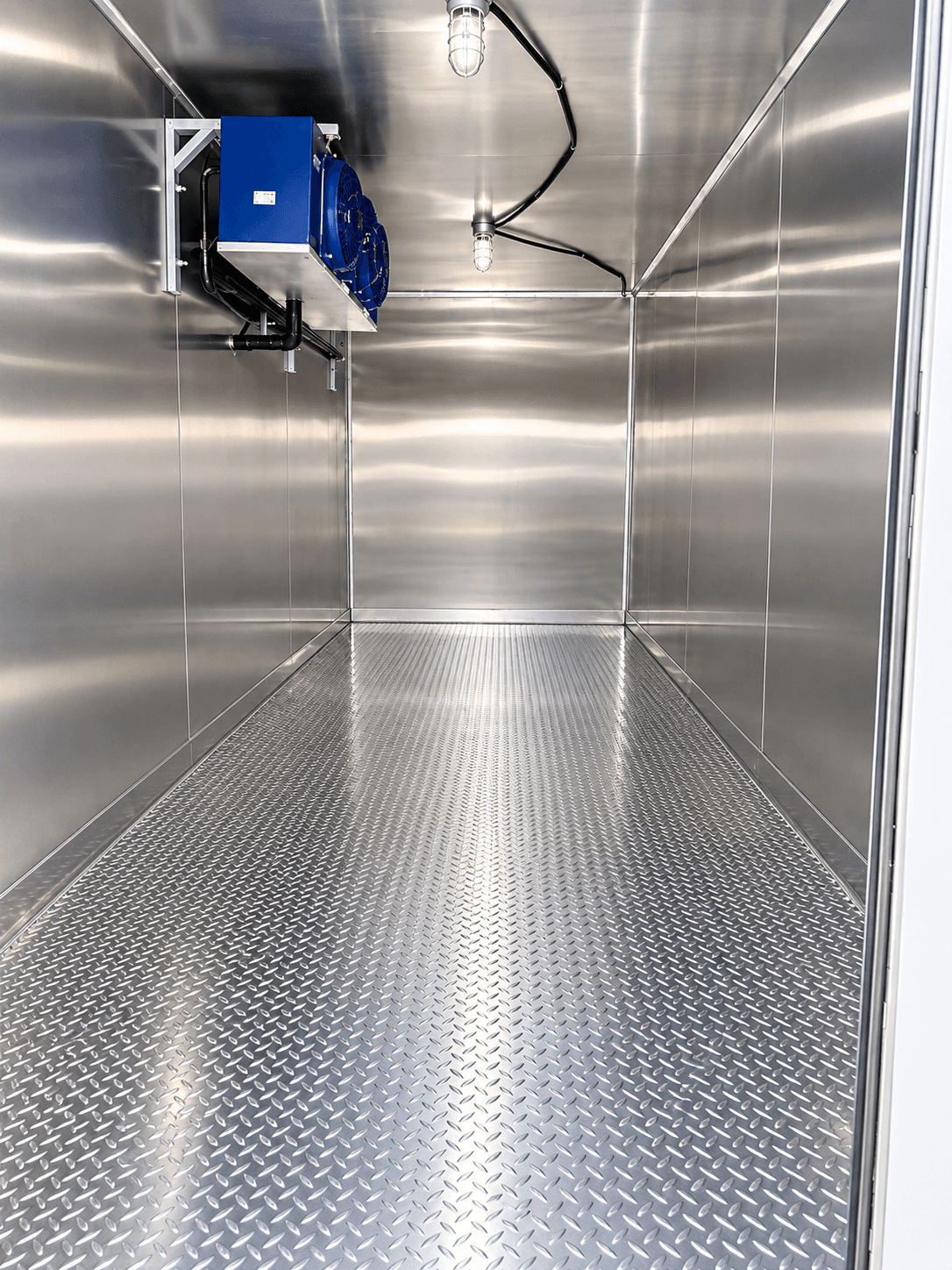
Compare the equipment
These published examples describe named company units. The supplied equipment, configuration and availability are confirmed for your project address.
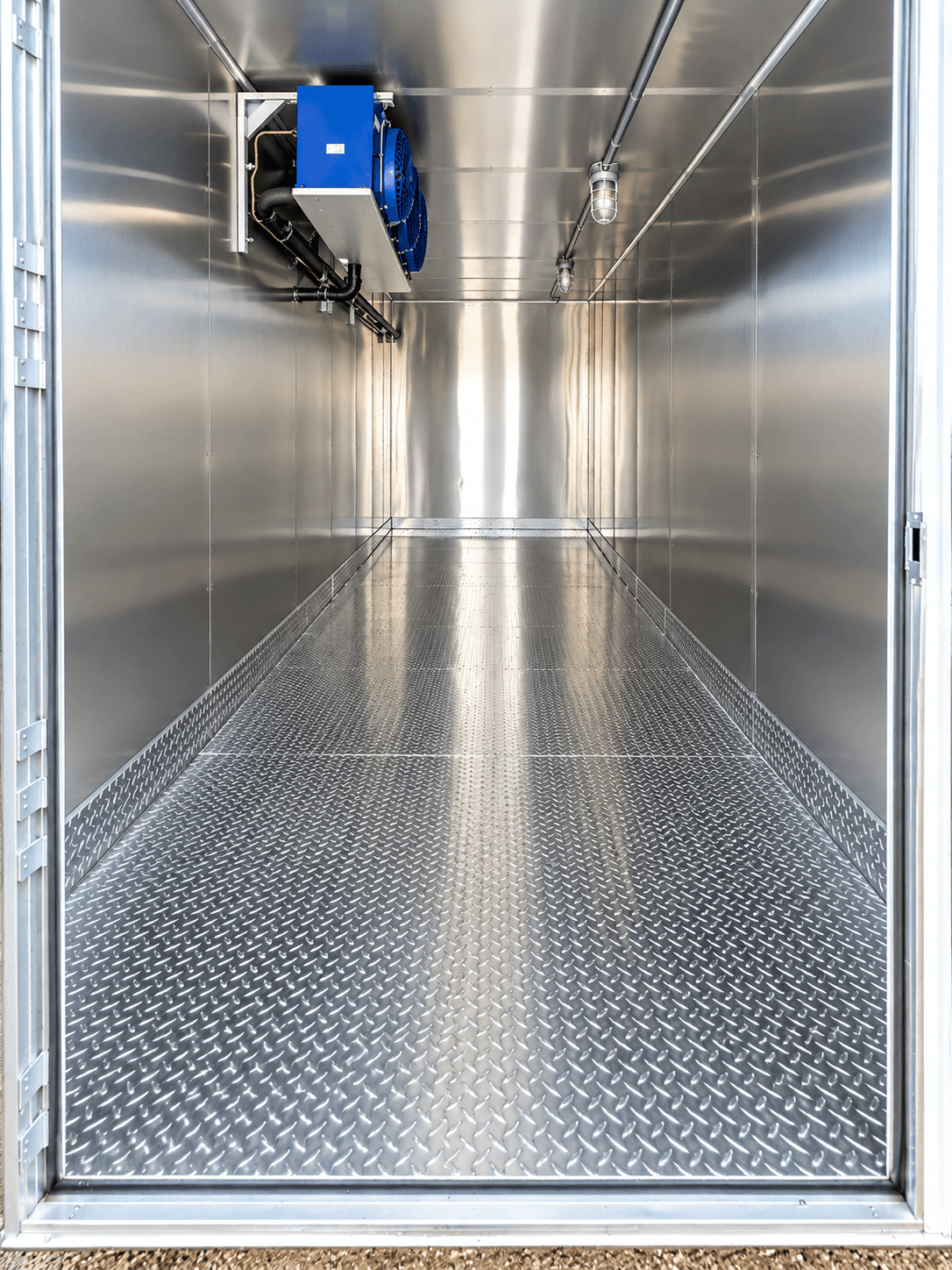
Listed refrigeration trailer equipment: condensing unit, amps panel, lighting.
Equipment records reviewed October 19, 2026. Temperature labels are inventory labels, not verified operating ranges. Nominal length is a model label, not a measure of usable space or site footprint.
Oregon’s NOAA climate summary describes the state’s history of dry conditions, heat and wildfire concerns. That statewide background supports preparing a business continuity plan, while a property assessment must establish the actual local problem. Ask whether a failed refrigeration system is the only affected service or whether water, power and access are also interrupted. The answer changes what can be achieved with a temporary refrigeration unit.
Record the food quantities awaiting transfer, the operating temperatures your team requires and who can authorize disposition of affected stock. Do not move uncertain products into a new cooler as a substitute for that assessment. Tell the inquiry team which utilities have been verified and which still need an electrician or other responsible specialist to review them.
Planning repairs and planned projects raises equipment questions that the 20ft Refrigerated Container guide answers in more detail, including the ground and drainage beneath the unit and after-hours access to the unit.
The City of Grants Pass records a July 17, 2025 groundbreaking for its replacement water treatment plant at 755 SE J Street. The city explains that the replacement followed an earlier structural problem identified in 2011. These are dated public infrastructure facts, rather than evidence of a rental job or a current restriction at another property. They illustrate why essential-service projects need more than a single installation date.
Readers in Grants Pass may also want to compare how other nearby cities approach their projects. Eugene’s guide focuses on planning during food-service work, and a separate reading is Springfield’s guide on its own planning questions. Use them to prepare questions, not to infer availability or terms for Grants Pass.
A commercial kitchen project should identify when water is interrupted, when supplies can be received and when food preparation can restart. Dishwashing arrangements depend on their own approved utility and wastewater provisions. Discuss refrigerated storage for the interval between stock arriving and the permanent facilities being ready; do not assume all parts of the operation restart together.
For healthcare food-service rentals in Grants Pass or Medford, Oregon, the proposed equipment position should be discussed alongside the employee route and the facility's receiving arrangements. Describe meal preparation and ingredient receiving separately, with the responsible dining contact explaining where employees need access throughout the working day.
For a phased premises renovation, draw the route between the proposed unit and the point where staff will use its contents. A location that is convenient before a wall is opened may become inaccessible once contractors establish a work enclosure. Mark the phases on the drawing and identify when the route changes. Refrigeration leasing should be evaluated alongside those practical changes.
Central Point, Medford and Eagle Point are other regional communities to identify separately when a business manages multiple addresses. They are not interchangeable delivery locations. Ask each property contact to describe the daily cold-storage and receiving pattern and whether a second stock transfer will be needed. This keeps quantities, staffing and access decisions attached to the site where they apply.
The city’s J Street plant project provides a concrete local infrastructure reference, not an instruction to send deliveries along that street. Your transport assessment needs the actual approach to your own property, including gates, turning movements and any shared access. Provide clear photographs of the entrance and the area proposed for a refrigerated trailer, with obstructions identified rather than hidden outside the frame.
Ask the property representative to verify placement permission and any local approval requirements. Electrical service must match the selected refrigeration equipment, and staff need a practical way to inspect and retrieve stock. Keep emergency access and pedestrian movements available through the site plan. Any delivery date remains subject to equipment, transport and address review.
Describe a normal operating day and the busiest expected day during the project. State whether stock arrives in cartons, on pallets or in smaller deliveries, and explain any separate frozen-food requirement. Include the proposed rental dates and how confidently the permanent-equipment repair can be scheduled. If temporary kitchen or dishwashing facilities are also under consideration, describe the tasks they would need to support.
The team can then discuss an appropriate cold-storage option and the information still missing from the site review. Ask which costs cover the rental period, which cover transport and which responsibilities stay with your organization. No current local rate, guaranteed response time or confirmed stock is established by this guide. Request a written quote before making the operating plan depend on a particular unit.
Before you book
Storage alone does not restore water service or establish permission to prepare food. Explain all affected utilities so your facilities and food-safety teams can decide which operations can continue and which require a separate temporary-facility plan.
Describe each phase and the likely transfer dates when you inquire. A longer refrigeration lease can be discussed, but its availability, billing basis and any extension arrangements must be stated in the project quote.
Provide the stock quantity, temperature needs, entrance photographs and an on-site contact. Include delivery patterns and access restrictions. These details support an address review; they do not guarantee a particular trailer size or arrival time.
These public references inform the planning examples; equipment availability and delivery arrangements are confirmed for your address.
Temporary refrigeration, kitchens and dishwashing can support many kinds of food-service operations. Each setting below starts with its own schedule, stock and site questions, and every project is reviewed individually.
Hotels, restaurants and resorts can plan temporary refrigeration around breakfast, banquet and dinner service when a walk-in cooler fails or a kitchen is refurbished.
Hospital, nursing home and care-facility kitchens can describe meal schedules, delivery times and displaced stock so temporary storage follows the food-service routine.
Municipal, county and public-building food-service teams can outline receiving arrangements, responsible contacts and project dates before a quote is prepared.
Dining facility managers can explain the products displaced, the receiving arrangements and the proposed period, then review availability and terms with our team.
Schools, colleges and universities can plan around term dates, serving windows and campus kitchen renovations so meal service can continue during repairs or construction.
Plant cafeterias and employee dining areas can describe shift patterns and staged building work so temporary cold storage can be reviewed against the working schedule.
Caterers and venues can plan preparation windows, event days and overflow ingredients, and describe how stock moves between storage, the kitchen and service.
Producers, wholesalers and distributors can describe loading, staging and storage needs when a cooler breaks down or demand temporarily exceeds capacity.
These examples describe planning situations. Equipment, availability and terms are confirmed in a project quote.
Cold storage is only one part of a project. These are the questions we work through with you before anything is booked.
Start with refrigerated containers and refrigeration trailers, then add a temporary kitchen or dishwashing trailer when the project needs one, all in a single conversation.
Access, utilities and the intended position are reviewed before delivery is arranged, so the equipment is matched to your site rather than the other way around.
Whether a walk-in cooler failed this morning or a renovation is months away, describe the real situation and plan around the stock, dates and people involved.
Planning guides cover all 50 states and more than 700 cities. Your address is then confirmed for equipment and delivery.
Use the rental calculator for a rate-range estimate and setup amount, then request a project quote that confirms availability, transport and the rental period.