Compare the equipment
Specifications for your rental planning
These published examples describe named company units. The supplied equipment, configuration and availability are confirmed for your project address.
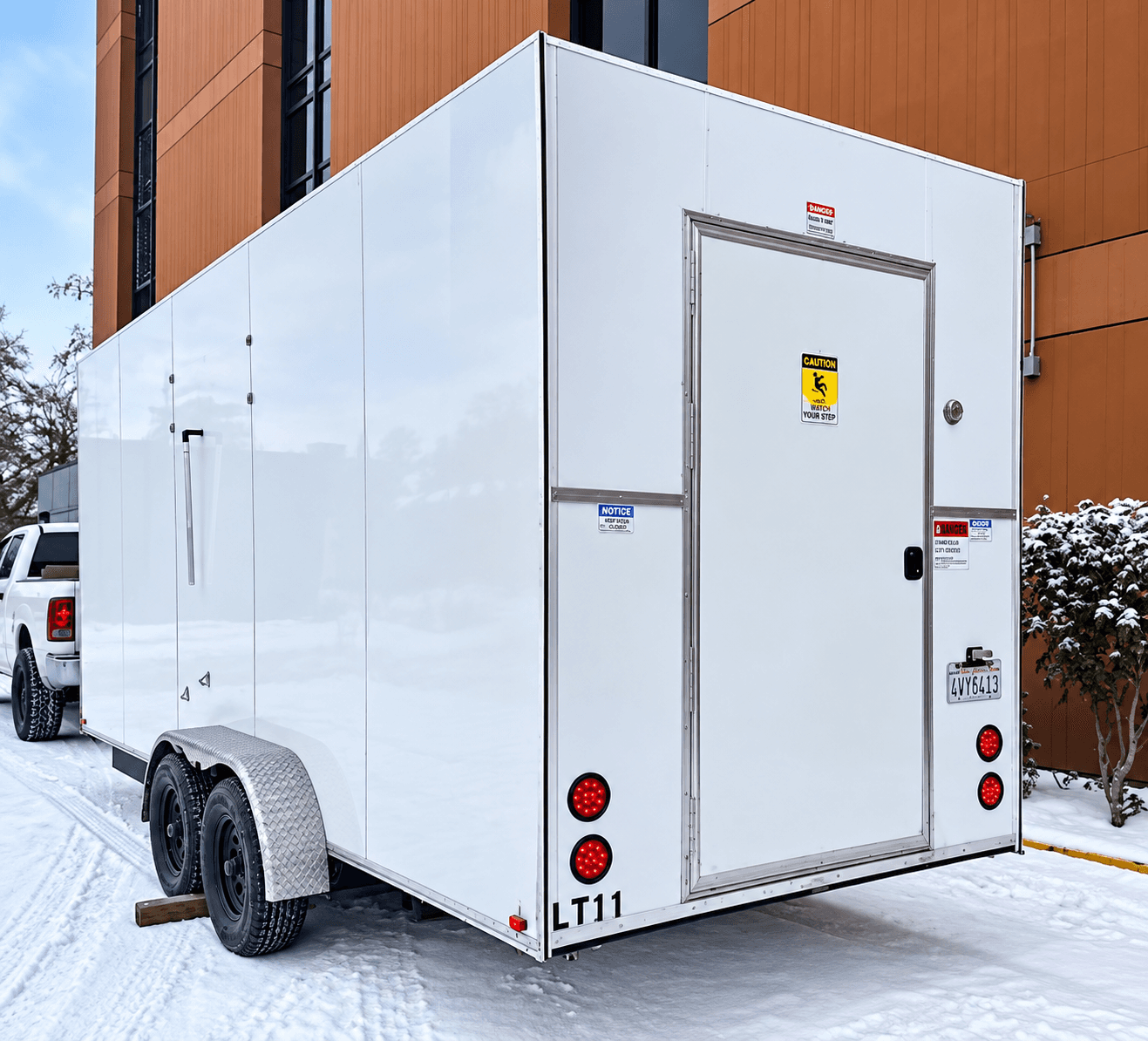
BXRT20–1Refrigerated trailer
- Nominal length
- 20ft
- Listed electrical supply
- 220V · single-phase · 40–60A
- Inventory temperature label
- 32°F
MT1Refrigerated trailer
- Nominal length
- 20ft
- Listed electrical supply
- 220V · single-phase · 40–60A
- Inventory temperature label
- 15°F
LT2Refrigerated trailer
- Nominal length
- 20ft
- Listed electrical supply
- 220V · single-phase · 40–60A
- Inventory temperature label
- -5°F
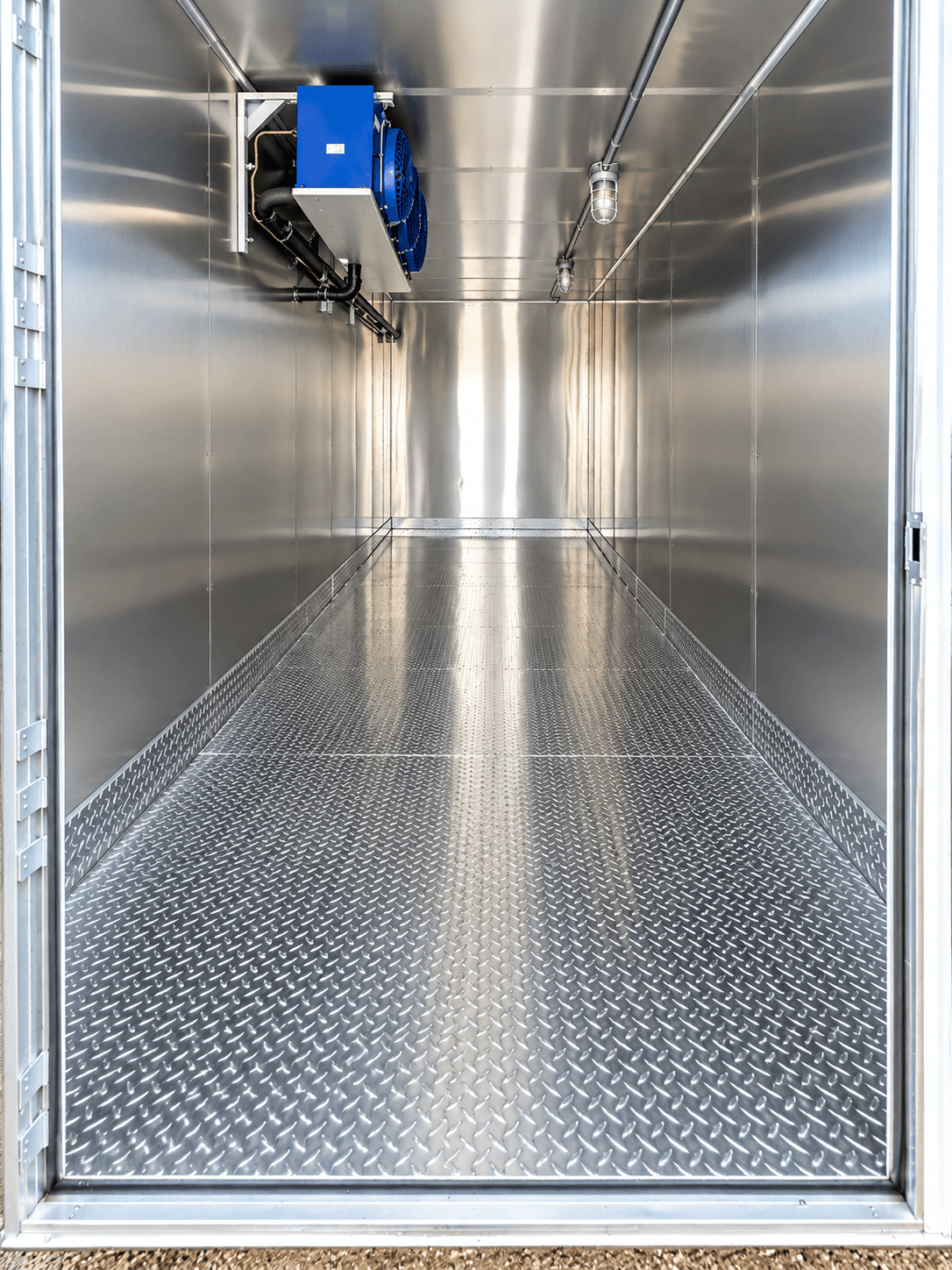
Listed refrigeration trailer equipment: condensing unit, amps panel, lighting.
Other cold-storage model details
- 12FT Refrigerated TrailerBXRT12–1 and BXRT12–2 list 220V · single-phase · 40–60A and a 32°F inventory label. Both are named as 12ft models, but their records also mention 20ft, so your quote confirms the length.
- 20FT Refrigerated ContainerYour quote confirms this container’s power, temperature and storage space for your project.
- 40FT Refrigerated ContainerYour quote confirms this container’s power, temperature and storage space for your project.
Equipment records reviewed October 19, 2026. Temperature labels are inventory labels, not verified operating ranges. Nominal length is a model label, not a measure of usable space or site footprint.
Connect restaurant receiving with repeated ingredient retrieval
The restaurant facilities manager needs to distinguish the repair assessment from the property review and the equipment decision. A supplier can arrive while staff collect ingredients for ongoing service. Identify where those movements meet, who can review the proposed position and which stock still requires a product decision. An open receiving area does not establish a suitable trailer arrangement or an available delivery window.
Compare holding examples before choosing the restaurant position
BXRT20–1 in the 20FT Refrigerated Trailer guide lists a condensing unit, amps panel and lighting, with a 32°F inventory label. That label is not a verified operating range or a decision about the condition of products affected by the cooler fault. The responsible restaurant contact supplies the goods’ required conditions.
A refrigerated container offers nominal 20ft and 40ft alternatives whose usable capacity, power and temperature capabilities remain unconfirmed. Compare the offered refrigeration trailer or container with the actual cases, entry route and repeated staff retrievals, including supplier loads arriving before the repair assessment is complete.
Plan temporary equipment around education meal schedules
A delayed dining refurbishment in Los Angeles, California, can leave university staff planning reopening meals before the permanent receiving area returns to use. Agree who updates ingredient orders when the project schedule changes, and include the dining supervisor in discussions about access.
Allow the inquiry to reflect changing project phases
Some projects need their greatest storage capacity at the beginning, while others build toward a busy service period or a later construction phase. Describe that pattern alongside the expected start and finish dates for the work. Note when inventory is transferred, when suppliers are expected and when the permanent storage is intended to return. Ask whether the proposed rental period and equipment arrangement can be reviewed against those needs. If the plan might change, discuss the extension and collection process in advance. Update the team when the dates become clearer and ask about current availability and terms for the period you need.
Describe the stock before choosing capacity
Start with a usable inventory that describes the packages and how your team needs to handle them. Record the packages, crates, trays or pallets that need a place, their approximate footprint, and which goods must be reached first. Explain whether the load stays inside for most of the project or changes repeatedly during a working day. A unit that appears large enough on a floor plan still needs a workable loading arrangement. Ask the team to review the proposed inventory against the equipment being considered, and identify the information needed before a suitable size can be discussed.
Review the full route for stock movement
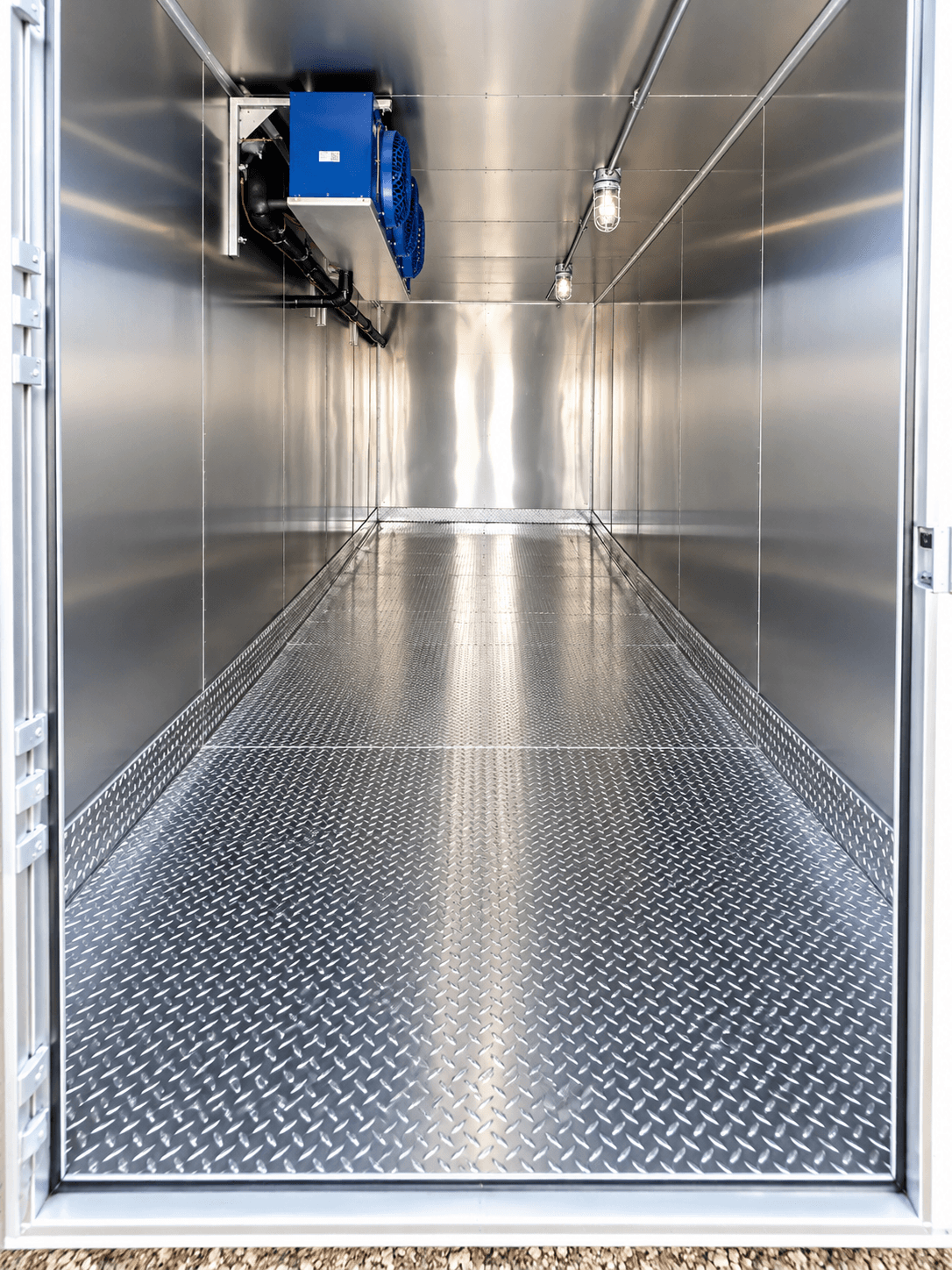
Look beyond the final storage footprint and describe the complete movement of goods. Staff may need to pass through doors, use carts, cross a delivery area or work around construction activity before reaching the temporary refrigerator. Give the relevant site contact a chance to assess that route and identify restrictions. Ask for the entry details of the equipment being considered, including any loading aids that would need a separate discussion. Measurements should relate to the real carriers and products your team uses. Confirm how the arrangement will work during normal activity and during the busiest replenishment periods before committing to a position.
Treat specialist products as a separate review
Some commercial inventories come with handling instructions that require a more detailed equipment discussion. Give the responsible product or quality contact an opportunity to explain those requirements, including any separation, recording or access procedures. Request unit information that your quality contact can compare with the products’ specified storage and handling requirements. If different stock groups have conflicting needs, say so clearly and request a review of the arrangement. Keep your own acceptance criteria and decision process documented. Use the discussion to create a current record of the stock requirements, equipment information and decisions your responsible contacts need to make.
Compare electrical requirements before assigning the connections
BXRT20–1 lists 220V single-phase at 40–60A; K2 lists 220V single-phase at 200A; D1 lists 220V single-phase at 150A. These values belong to the named examples. The responsible site professional needs the selected units’ electrical requirements and exact connectors, with any planned interruption or alternative supply arrangement identified separately.
Keep restaurant cooking and dishwashing distinct from reserve holding
K2 in the 28FT Mobile Kitchen Trailer Rental guide lists a single-stack convection oven, griddle/oven, six-burner range/oven, deep fryers and reach-in refrigerator/freezer. If cooking also moves, compare those functions with the working menu and the ingredients retrieved from separate temporary refrigeration.
D1 in the 22FT Dishwashing Trailer Rental guide lists a low-temperature push-through dishwasher, soil tray, scraping table and sinks. Returned plates and utensils need their own washing route and clean-item destination. Give the people using each unit its controls, loading information and concern contact while the restaurant retains its own product-handling decisions.
Price the arrangement the restaurant can actually use
Request current availability and a quote for the offered equipment, rental period, delivery, collection and additional items. Keep unresolved measurements, services and stock decisions visible beside the proposal. The final stock transfer should be included before temporary equipment is released for collection.
Contact Worldwide Refrigerated Container Rental Facilities at +1 877-804-5153. Share your stock, site and dates, then ask about current equipment availability, rental or lease terms, delivery arrangements and a quote.
Compare the receiving plan before choosing a trailer position
For the restaurant facilities example, sketch the proposed trailer position together with the receiving task it would support. Include the point where suppliers hand goods to staff and the route toward preparation. Ask the property contact which space is available for review and who can answer site-services questions. A photograph of an open area can support that conversation, but cannot establish the arrangement by itself.
Use the sketch to test a specific overlap: an ordinary supplier arrival occurring while staff retrieve stock for service. Identify the question that overlap raises and the person reviewing it. Share any resulting change of position with the equipment contact before relying on an earlier discussion. Keep the repair assessment, trailer inquiry and property review identifiable as separate decisions within the same project.
Discuss your cold storage rental.
Confirm the equipment, delivery location, and rental period that fit your project.
Request availability