BXRT20–1Refrigerated trailer
- Nominal length
- 20ft
- Listed electrical supply
- 220V · single-phase · 40–60A
- Inventory temperature label
- 32°F
Temporary cold storage in Pinehurst, North Carolina
Pinehurst cold storage rentals help commercial and industrial dining operators respond when a walk-in freezer or refrigeration unit breaks down. Mobile kitchen and dishwashing trailers can be considered if preparation and cleaning also move during the closure. Short-term rentals may bridge an emergency repair, while longer leases can follow a planned hospitality refurbishment. Hotels, restaurants, event caterers and institutional teams should describe their stock and the service periods that must continue. Send the Pinehurst site address, working layout and expected dates so equipment needs and delivery coordination can be reviewed together. Contact us to request availability and a project quote from Worldwide Refrigerated Container Rental Facilities.
Emergency cooler or freezer failure in Pinehurst? A person answers rental inquiries 24/7. Availability and delivery timing are confirmed in your quote.
Plan your rental budget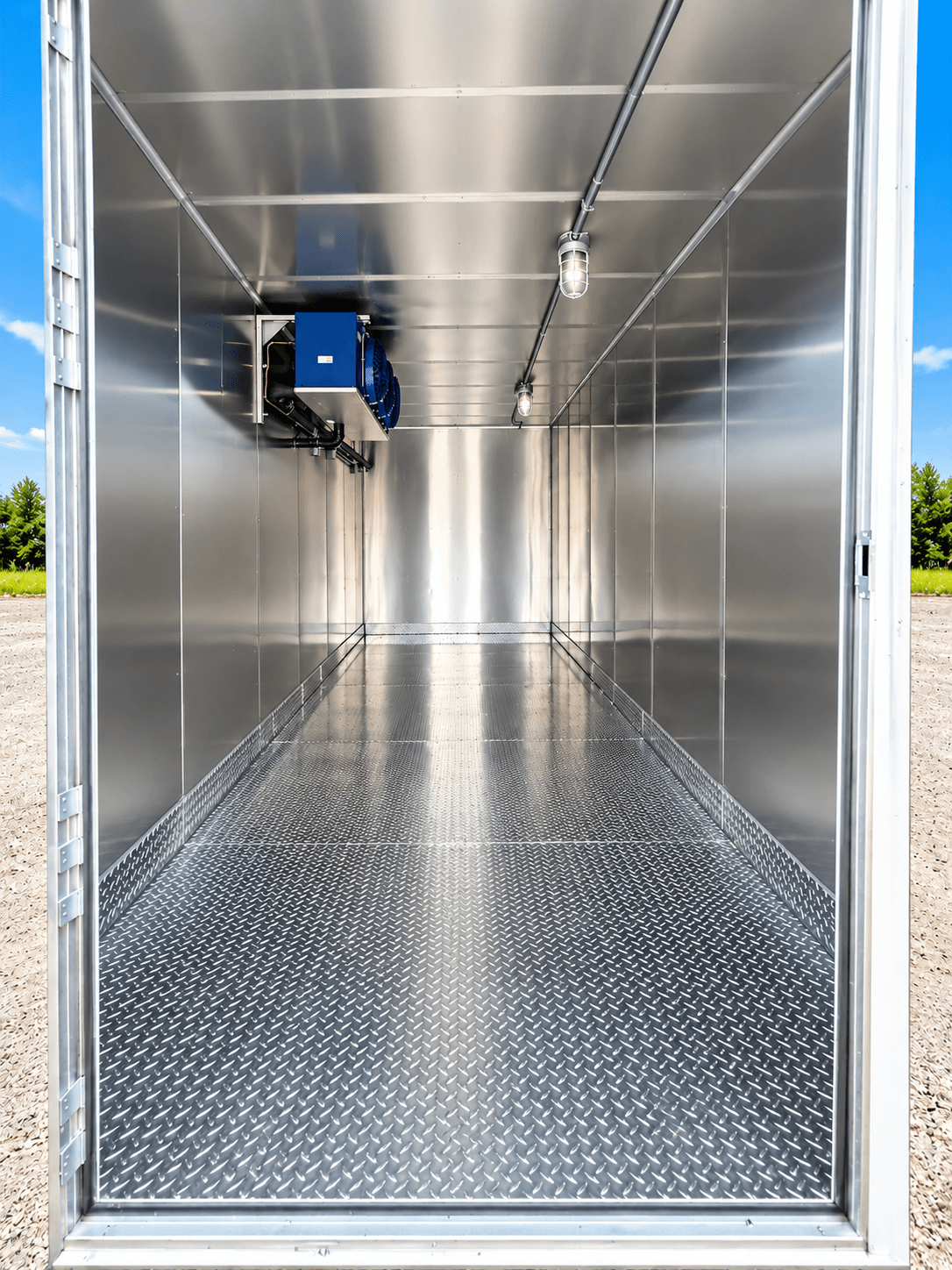
Compare the equipment
These published examples describe named company units. The supplied equipment, configuration and availability are confirmed for your project address.
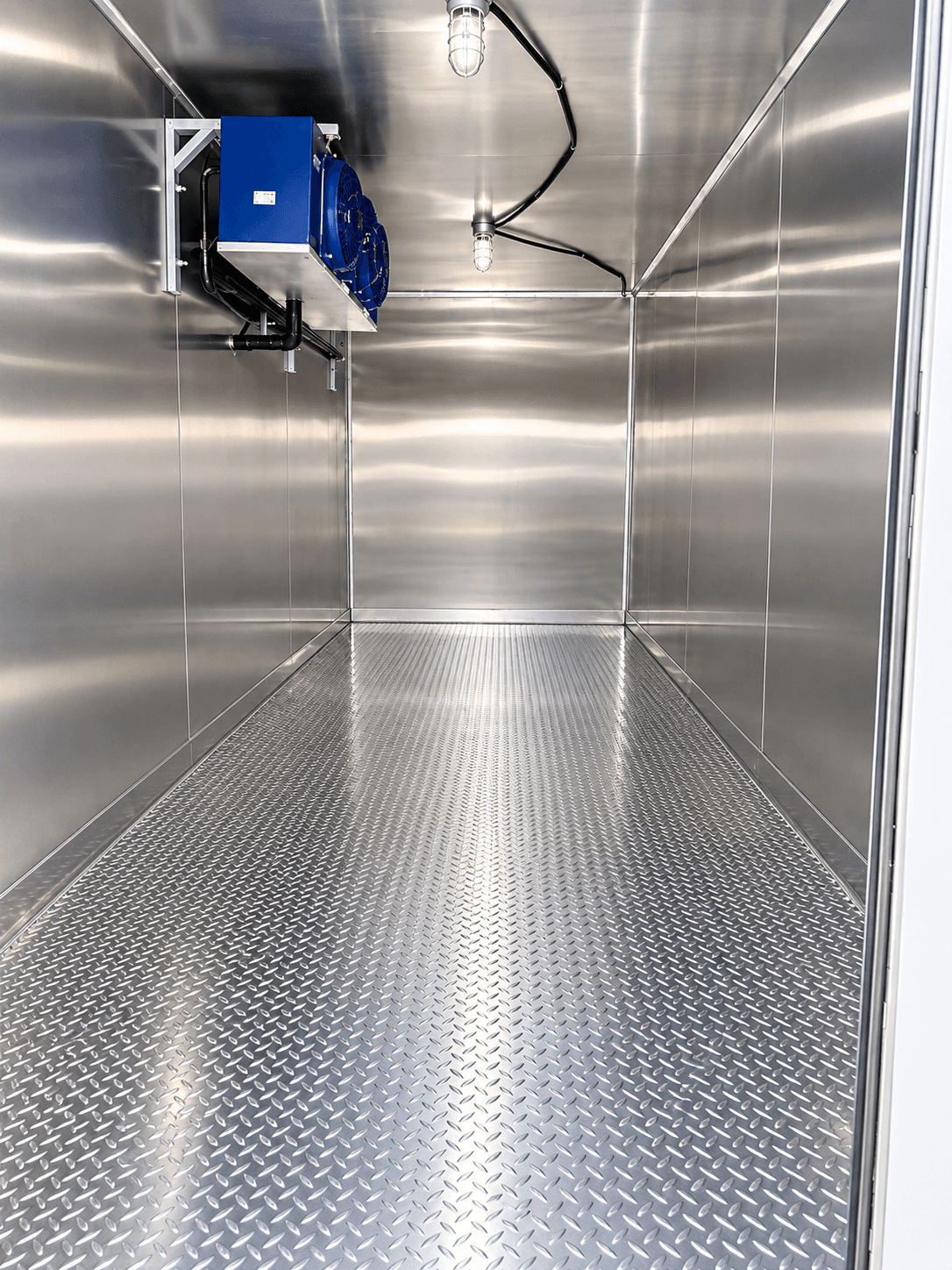
Listed refrigeration trailer equipment: condensing unit, amps panel, lighting.
Equipment records reviewed October 19, 2026. Temperature labels are inventory labels, not verified operating ranges. Nominal length is a model label, not a measure of usable space or site footprint.
NOAA’s North Carolina summary describes historical hurricanes and major flooding in the state. It is background for preparedness, not a statement that a Pinehurst property has suffered a particular loss. An emergency refrigeration plan should start with the fault actually reported, the stock approved for transfer and the premises the operator can currently use.
A hospitality business can have several commitments on the day a freezer fails: ordinary meals, an advance booking and a supplier delivery already dispatched. List those demands separately. A cold-storage request should identify the maximum stock overlap and which ingredients require frequent retrieval. The business can then assess temporary arrangements without assuming that the most optimistic repair estimate will protect every scheduled service.
Because this guide centers on hospitality refurbishments, the 20ft Refrigerated Container guide is a useful companion: it covers after-hours access to the unit and the ground and drainage beneath the unit.
The USGA announced the official opening of Golf House Pinehurst on May 10, 2024. Its campus included research, visitor and office functions. This completed owner-reported development is a local example of bringing several activities into operation together. It does not establish that the campus used our equipment or that nearby hospitality businesses had any particular rental requirement.
Several neighboring guides cover situations that resemble parts of an inquiry from Pinehurst. Fayetteville’s guide is organized around working food-service. A separate comparison is Cary’s guide, which covers events and food-service projects. Those are separate sites with separate requirements, so use them only as prompts for your Pinehurst request.
For a comparable commercial opening, distinguish the public-facing date from the period when the food team must receive and organize stock. Permanent refrigeration needs an operator-approved acceptance point. Identify who confirms it and how a delayed decision affects the first ingredient delivery. A ceremonial milestone alone cannot determine the start or end of temporary storage.
Industrial meal service managers in Pinehurst or Whispering Pines, North Carolina, may need to maintain clear staff handovers when different shifts share the same temporary equipment. Include the expected transfer back to permanent facilities in the inquiry, with responsibility for stock checks and the final equipment handover.
A hotel may retain breakfast service while refurbishing its reserve storage or a preparation room. Describe that limited closure and the busiest overlap with events already booked. A refrigerated container inquiry should explain handling, product conditions and how staff retrieve stock. The plan should not depend on an average occupancy figure that hides a demanding weekend or supplier cycle.
Operators near Pinehurst can also compare Burlington’s guide, which covers bakery and food-service work, citing the City of Burlington entry “Parks in Progress”. Check your own site details separately before relying on any comparison.
A hospitality group using staff from Southern Pines, Aberdeen and Whispering Pines can give a visiting kitchen supervisor a simple briefing: which stock has moved, which suppliers changed and which room remains unavailable. The temporary location should be clear enough for someone unfamiliar with the property to follow. Dishwashing returns need the same treatment, including their destination after a booking. A changeover is easier to manage when instructions describe actions rather than rely on local habits.
Ask the owner to approve the intended refrigerated equipment space and provide photographs of the full approach. Include gate dimensions, overhead restrictions and shared service lanes. Review how guests, suppliers and contractors move during the rental phase. The least visible position is not necessarily the most usable position for staff or equipment transport.
Record who meets the carrier and who supplies utility information for technical review. Staff should have an agreed route to cold storage that remains available through the refurbishment. Protect collection access when landscaping, fencing or public circulation returns to normal. A later change to the site layout should reach the coordinator before transport arrangements are finalized.
Provide the full address, product requirements, maximum inventory and proposed period. Explain any repair, inspection or commissioning steps that may move the dates. Ask the refrigeration quote to distinguish equipment rental, transport and other charges, with a process for reviewing an extension. Confirm availability before linking the plan to contractor shutdowns or supplier instructions.
Describe mobile kitchen or dishwashing tasks separately when those facilities are part of the project. Clarify site preparation and the person authorized to accept the arrangement. The useful outcome is a commercial plan for storage, service and the return inside, with responsibilities visible and no assumption that a well-known local opening establishes the business’s equipment stock, delivery schedule or completed jobs.
Before you book
Summarize the service periods that affect inventory and retrieval. Explain supplier timing and any overlap between ordinary meals and events so the cold-storage request reflects the busiest working phase.
No. Obtain owner approval and review access, placement and utility information. A refrigerated unit position must also work for staff and collection, not simply stay out of guest sight.
The operator’s acceptance of the repaired cooler and the agreed stock transfer. A public opening or contractor completion date may be useful context but does not replace that decision.
These public references inform the planning examples; equipment availability and delivery arrangements are confirmed for your address.
Temporary refrigeration, kitchens and dishwashing can support many kinds of food-service operations. Each setting below starts with its own schedule, stock and site questions, and every project is reviewed individually.
Hotels, restaurants and resorts can plan temporary refrigeration around breakfast, banquet and dinner service when a walk-in cooler fails or a kitchen is refurbished.
Hospital, nursing home and care-facility kitchens can describe meal schedules, delivery times and displaced stock so temporary storage follows the food-service routine.
Municipal, county and public-building food-service teams can outline receiving arrangements, responsible contacts and project dates before a quote is prepared.
Dining facility managers can explain the products displaced, the receiving arrangements and the proposed period, then review availability and terms with our team.
Schools, colleges and universities can plan around term dates, serving windows and campus kitchen renovations so meal service can continue during repairs or construction.
Plant cafeterias and employee dining areas can describe shift patterns and staged building work so temporary cold storage can be reviewed against the working schedule.
Caterers and venues can plan preparation windows, event days and overflow ingredients, and describe how stock moves between storage, the kitchen and service.
Producers, wholesalers and distributors can describe loading, staging and storage needs when a cooler breaks down or demand temporarily exceeds capacity.
These examples describe planning situations. Equipment, availability and terms are confirmed in a project quote.
Cold storage is only one part of a project. These are the questions we work through with you before anything is booked.
Start with refrigerated containers and refrigeration trailers, then add a temporary kitchen or dishwashing trailer when the project needs one, all in a single conversation.
Access, utilities and the intended position are reviewed before delivery is arranged, so the equipment is matched to your site rather than the other way around.
Whether a walk-in cooler failed this morning or a renovation is months away, describe the real situation and plan around the stock, dates and people involved.
Planning guides cover all 50 states and more than 700 cities. Your address is then confirmed for equipment and delivery.
Use the rental calculator for a rate-range estimate and setup amount, then request a project quote that confirms availability, transport and the rental period.