BXRT20–1Refrigerated trailer
- Nominal length
- 20ft
- Listed electrical supply
- 220V · single-phase · 40–60A
- Inventory temperature label
- 32°F
Temporary cold storage in Greenville, North Carolina
Greenville refrigeration rentals give commercial and industrial dining teams a starting point after a walk-in cooler or refrigeration unit breaks down. Mobile kitchen and dishwashing trailer needs can be reviewed when preparation and cleaning also lose their usual space. Short-term rentals may bridge an emergency repair, while longer leases can support planned facility work. Institutional caterers, healthcare dining operators, restaurants and industrial food-service managers should describe the products and functions affected. Provide the Greenville address, working dates and access process so equipment selection and delivery coordination can be considered together. Contact us to request availability and a project quote from Worldwide Refrigerated Container Rental Facilities.
Emergency cooler or freezer failure in Greenville? A person answers rental inquiries 24/7. Availability and delivery timing are confirmed in your quote.
Plan your rental budget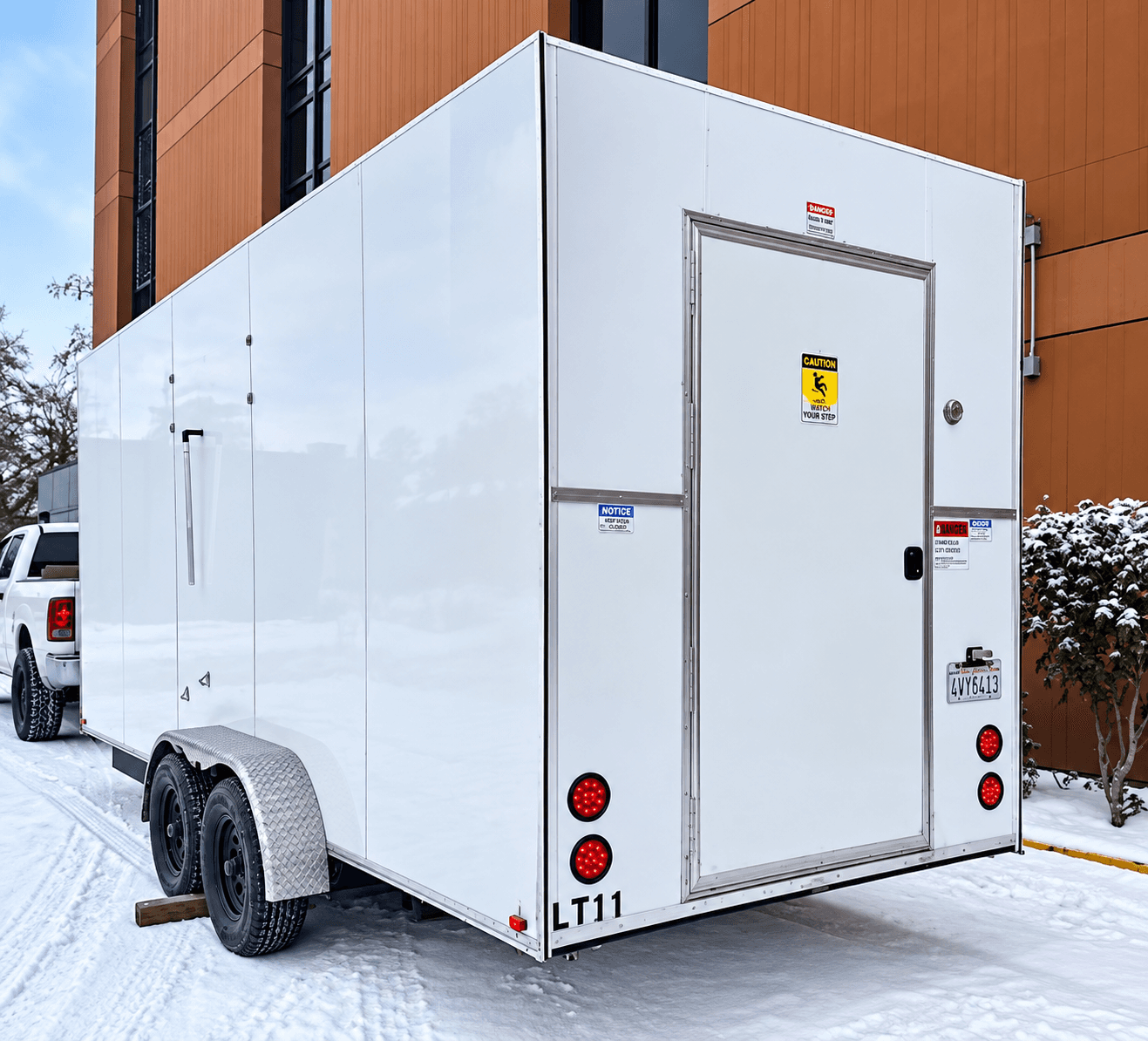
Compare the equipment
These published examples describe named company units. The supplied equipment, configuration and availability are confirmed for your project address.
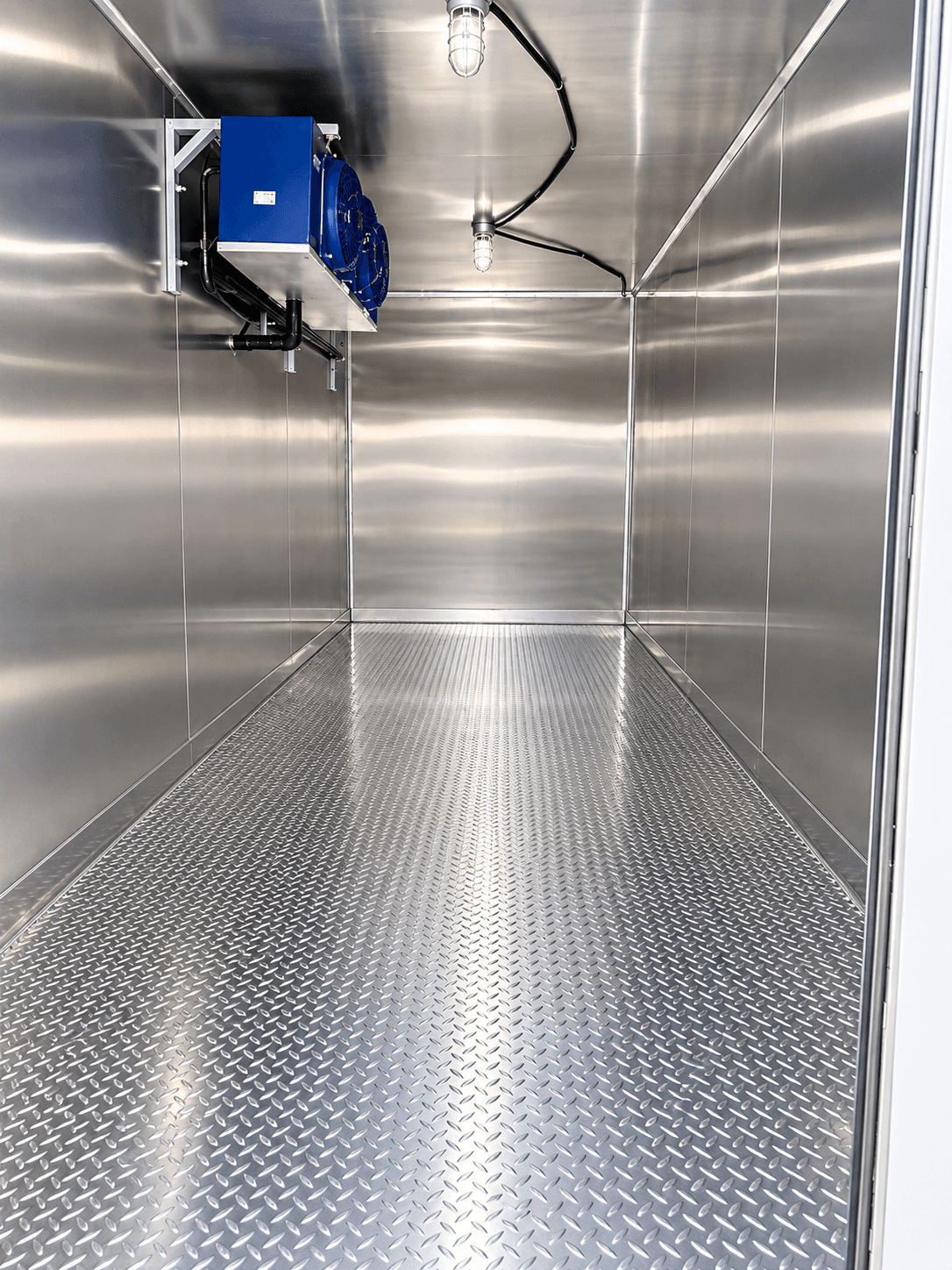
Listed refrigeration trailer equipment: condensing unit, amps panel, lighting.
Equipment records reviewed October 19, 2026. Temperature labels are inventory labels, not verified operating ranges. Nominal length is a model label, not a measure of usable space or site footprint.
North Carolina’s NOAA climate summary records historical flooding, including Hurricane Florence’s 2018 effects in the state. It is regional context, not evidence of losses or access conditions at a Greenville institution today. A refrigeration contingency should record the situation at the property and identify the authorized people making food-handling and building-use decisions.
For an institutional meal operation, the stock needed for the next service may be only part of the displaced inventory. Separate immediate ingredients from reserves and products awaiting assessment. Explain those categories in the cold-storage inquiry. If several departments share supplies, use one controlled transfer record so a change in purchasing or meal numbers reaches every person working from the temporary plan.
Planning commercial dining projects raises equipment questions that the 20ft Refrigerated Container guide answers in more detail, including one resting place for the whole project and the ground and drainage beneath the unit.
East Carolina University announced the groundbreaking for its Center for Medical Education Building in November 2024. The owner described a new building integrated with the existing medical school. This dated construction example highlights an occupied campus interface. It does not establish that the project required our rentals, or that a forecast opening date proves current field conditions.
Readers in Greenville may also want to compare how other nearby cities approach their projects. Rocky Mount’s guide focuses on commercial service gaps, citing the City of Rocky Mount entry “October 14, 2024 council packet”, and a separate reading is Goldsboro’s guide on institutional food service, citing the City of Goldsboro entry “May 6, 2024 council packet”. Use them to prepare questions, not to infer availability or terms for Greenville.
In a comparable dining refurbishment, consider what remains occupied on the other side of the work boundary. Permanent refrigeration might serve departments with different service schedules. Confirm the actual isolations, receiving arrangements and acceptance steps before choosing temporary dates. A public construction milestone cannot tell the catering manager when a specific storage room will be usable.
For healthcare facilities planning food-service repairs in Greenville or Winterville, North Carolina, the staff handover should explain which supplies remain accessible and where incoming orders are received. Give the reviewer a clear food-service brief, including the supplies affected, expected dates and facility contacts responsible for approving the arrangement.
A central operation can have chilled preparation ingredients, frozen reserves and deliveries assigned to separate service teams. Record quantities and retrieval patterns by function before combining the request. A refrigerated trailer arrangement should make staff movements understandable, with responsibility for the stock layout and updates clearly assigned. Departmental separation is an operational decision, not a claim that any particular unit has special features.
Another nearby guide, Jacksonville’s, covers commercial event plans, citing the City of Jacksonville entry “One City Center planning”. Use it as a prompt for your own questions about timing, access and storage.
A Greenville dining team coordinating with Winterville, Ayden and Farmville can organize the move by service responsibility: who releases ingredients, who receives them and who updates the next order. The kitchen supervisor should approve that sequence before departments pool their figures. Dishwashing returns need a named destination when the normal service corridor is closed. This keeps an institution's shared purchasing arrangement from becoming several conflicting instructions at one loading entrance.
An occupied institutional property needs the carrier to reach the agreed service entrance, not the most recognizable public entrance. Supply the check-in procedure, authorized contact, gate dimensions and photographs of the intended refrigerated unit position. Identify any escort or approval the owner requires. Do not infer permission or suitable turning space from a campus map alone.
Discuss supplier unloading and pedestrian activity during the phase when cold storage is in use. The premises team should provide utility information for review and identify planned changes. Preserve a collection route if the contractor restores landscaping or moves fencing before every product returns inside. A revised drawing is useful only if the people coordinating delivery and operations both receive it.
Provide the full address, required product conditions, maximum inventory and preferred period. Explain which repair or commissioning decisions control the finish. Ask the refrigeration quote to distinguish equipment rental, transport and any other charges, and to explain the process for reviewing changed dates. Confirm availability before using the proposal to coordinate institutional closures or supplier instructions.
If temporary kitchen or dishwashing functions are included, identify the tasks, users and operating periods separately. Clarify site preparation responsibilities and the person who can accept placement. The finished request should help the project manager and dining team agree what must be ready, without inventing equipment specifications, a guaranteed response time or a connection between public campus works and the customer’s project.
Before you book
Usually more detail is needed. Give the owner-approved service entrance, access procedure and placement area, together with an authorized receiver for the refrigerated equipment.
Keep their stock categories and retrieval needs separate initially, then identify the highest combined overlap. This gives the coordinator a usable operating picture rather than a single unexplained purchasing total.
Only as context. Your permanent cooler acceptance, stock transfer and actual operating milestones should determine the proposed period, with changes reviewed before collection is arranged.
These public references inform the planning examples; equipment availability and delivery arrangements are confirmed for your address.
Temporary refrigeration, kitchens and dishwashing can support many kinds of food-service operations. Each setting below starts with its own schedule, stock and site questions, and every project is reviewed individually.
Hotels, restaurants and resorts can plan temporary refrigeration around breakfast, banquet and dinner service when a walk-in cooler fails or a kitchen is refurbished.
Hospital, nursing home and care-facility kitchens can describe meal schedules, delivery times and displaced stock so temporary storage follows the food-service routine.
Municipal, county and public-building food-service teams can outline receiving arrangements, responsible contacts and project dates before a quote is prepared.
Dining facility managers can explain the products displaced, the receiving arrangements and the proposed period, then review availability and terms with our team.
Schools, colleges and universities can plan around term dates, serving windows and campus kitchen renovations so meal service can continue during repairs or construction.
Plant cafeterias and employee dining areas can describe shift patterns and staged building work so temporary cold storage can be reviewed against the working schedule.
Caterers and venues can plan preparation windows, event days and overflow ingredients, and describe how stock moves between storage, the kitchen and service.
Producers, wholesalers and distributors can describe loading, staging and storage needs when a cooler breaks down or demand temporarily exceeds capacity.
These examples describe planning situations. Equipment, availability and terms are confirmed in a project quote.
Cold storage is only one part of a project. These are the questions we work through with you before anything is booked.
Start with refrigerated containers and refrigeration trailers, then add a temporary kitchen or dishwashing trailer when the project needs one, all in a single conversation.
Access, utilities and the intended position are reviewed before delivery is arranged, so the equipment is matched to your site rather than the other way around.
Whether a walk-in cooler failed this morning or a renovation is months away, describe the real situation and plan around the stock, dates and people involved.
Planning guides cover all 50 states and more than 700 cities. Your address is then confirmed for equipment and delivery.
Use the rental calculator for a rate-range estimate and setup amount, then request a project quote that confirms availability, transport and the rental period.