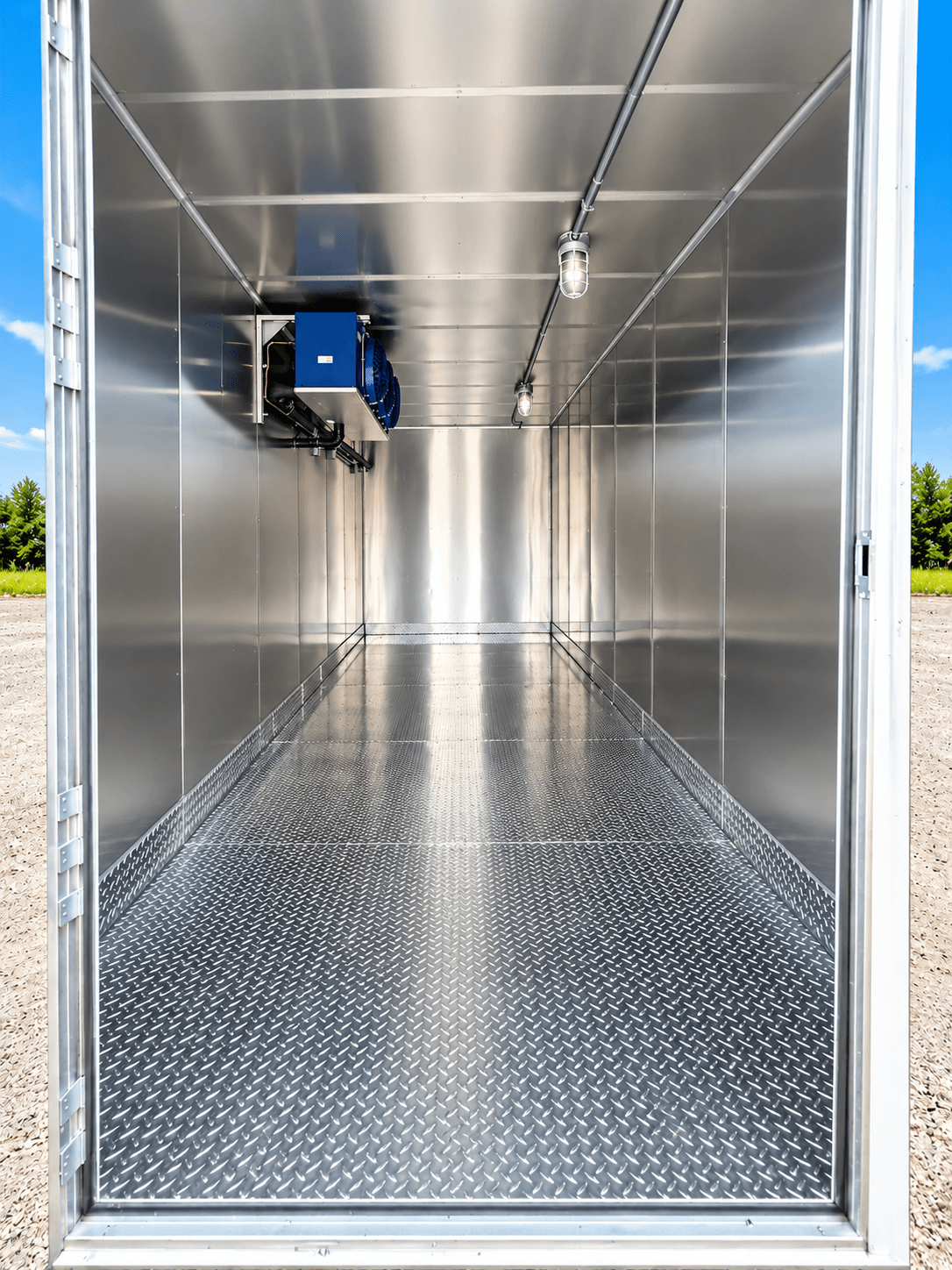
BXRT20–1Refrigerated trailer
- Nominal length
- 20ft
- Listed electrical supply
- 220V · single-phase · 40–60A
- Inventory temperature label
- 32°F
Temporary cold storage in Albany, Georgia
Albany refrigerated container rentals place storage continuity first, with kitchen and dishwashing rentals considered where meal operations need temporary facilities too. Emergency commercial freezer breakdowns can disrupt an established receiving pattern, while planned construction allows stock transfers to be organized beforehand. Short-term rentals and longer lease periods can be discussed for institutions, industrial businesses, restaurants and other commercial users. Delivery coordination should identify the approved equipment position, controlled entrances and the person responsible for site access. Describe the refrigeration conditions, receiving workload and dates you expect to need. Request availability and an address-specific quote from Worldwide Refrigerated Container Rental Facilities for a plan the operating team can review.
Emergency cooler or freezer failure in Albany? A person answers rental inquiries 24/7. Availability and delivery timing are confirmed in your quote.
Plan your rental budget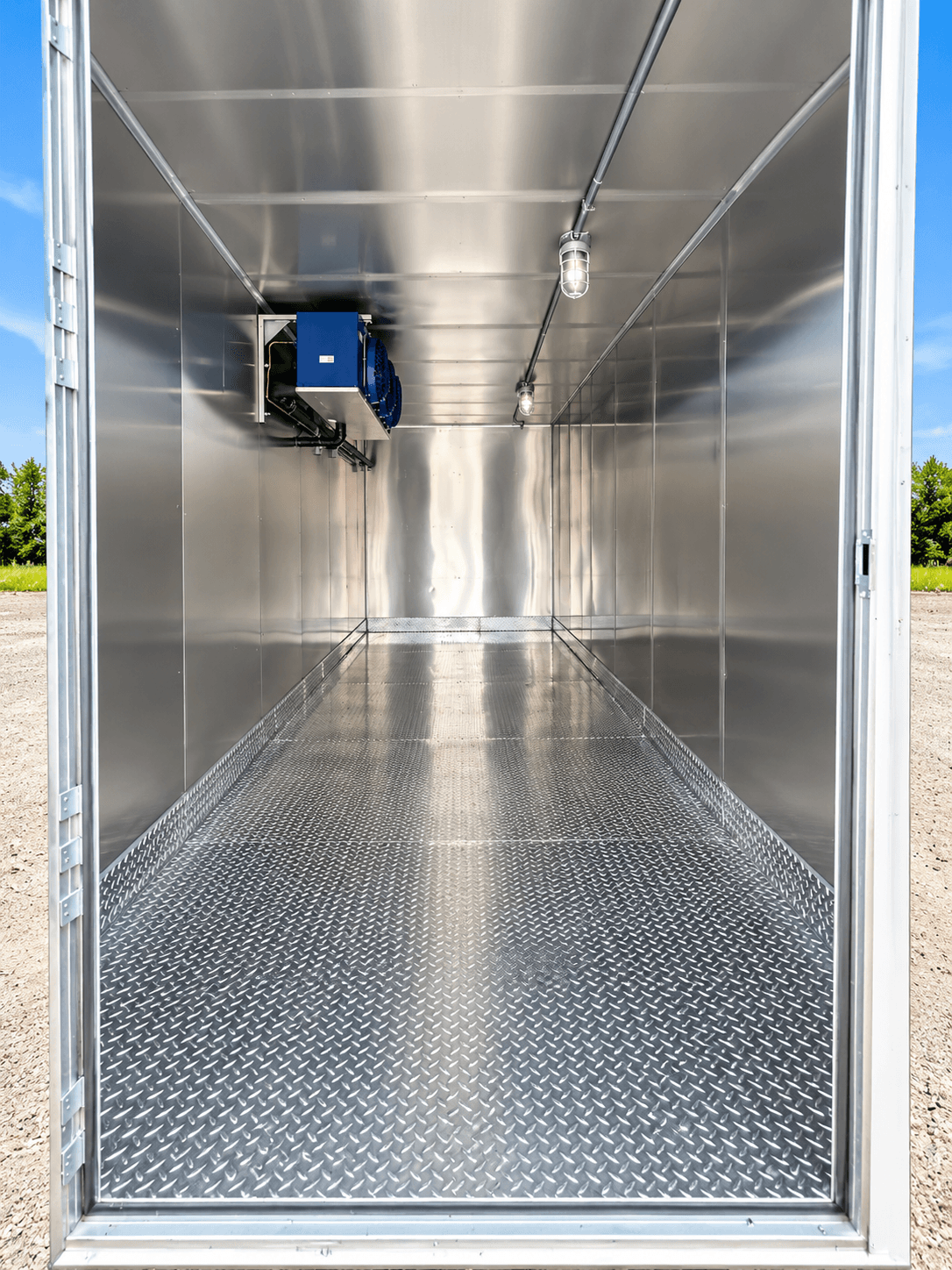
Compare the equipment
These published examples describe named company units. The supplied equipment, configuration and availability are confirmed for your project address.
Listed refrigeration trailer equipment: condensing unit, amps panel, lighting.
Equipment records reviewed October 19, 2026. Temperature labels are inventory labels, not verified operating ranges. Nominal length is a model label, not a measure of usable space or site footprint.
The National Weather Service documents widespread damaging winds across Albany on January 2, 2017. That historical incident is a concrete local reason to keep continuity plans accessible; NOAA’s 2022 Georgia summary adds statewide climate context without describing the conditions at your property. After an interruption, confirm with the site team which entrances and services are usable before proposing refrigeration placement. Assign someone to identify stock still in functioning equipment and goods arriving under committed orders. If a kitchen is operating with a reduced menu, purchasing should use that revised demand. Dishwashing may remain necessary for activities that continue elsewhere. Establish those decisions before estimating the cooler load, so several departments do not count the same incoming goods independently.
If the inquiry concerns institutional receiving continuity, compare the plan with the 20ft Refrigerated Container guide, which explains protection for the power connection and one resting place for the whole project.
Phoebe Putney Health System records a January 2023 groundbreaking and an August 2024 opening for its Living & Learning Community in Albany. The owner describes education space and housing on the former school site. These are documented local development facts, not evidence that equipment was supplied to the project. For a separate institutional operator, the useful planning question is when a new receiving function becomes operational, rather than when the structure looks complete. Temporary cold storage may cover a narrow transition between old and new premises, or a longer period if several acceptance tasks remain. State who approves each stage and how the refrigerated stock will be allocated during the move.
Nearby guides can help frame your questions. Valdosta’s guide covers separate building and operating schedules. For a different working situation, Columbus’s guide covers commercial food-service. Treat each as background for your own questions rather than a description of conditions in Albany.
Within healthcare food service in Albany or Leesburg, Georgia, staff moving ingredients by cart can describe a different working route from the vehicle delivering the supplies. Bring the current meal timetable and supplier schedule together before requesting a proposal for the food-service requirement and proposed rental period.
An institution renovating a meal-service area can have purchasing, facilities and operating staff working from different calendars. Use one stock plan that identifies the goods held in permanent refrigeration, those moving temporarily and those not yet ordered. The kitchen reopening date should be marked separately from the first supplier delivery. Dishwashing refurbishment may alter the route for staff and returns even when the storage requirement stays unchanged. For a hypothetical Albany project, a freezer could remain in temporary use after preparation resumes because permanent shelving has not been accepted. Explain that dependency early rather than allowing a building completion notice to trigger an automatic return. The handover should identify who confirms the last goods have moved.
Another nearby guide, Warner Robins’s, covers its own planning questions. It describes a different property and is useful mainly for the questions it raises.
Leesburg, Sylvester and Dawson are distinct nearby communities that can each be the location of an inquiry coordinated through Albany. The receiving property, not the central purchasing office, determines the proposed refrigerated placement and transport assessment. At an institution, show visitor entrances separately from service access and identify any gate that requires authorization. A marked plan should preserve routes needed by other site users throughout the rental. Tell us who can meet a transport representative and who can resolve placement questions. Photographs taken before work began may omit temporary fencing or contractor parking, so explain changes expected during the proposed period. Community proximity establishes neither a delivery time nor permission to use a particular space.
Send a request that explains quantities, packaging, required holding conditions and the highest stock overlap during the transition. Attach the proposed equipment position, access images and electrical information supplied by an appropriate site representative. Include the operating contact who knows the goods and the purchasing contact who approves the agreement. Explain whether dates depend on construction acceptance, staffing or a new receiving procedure. Ask the quote to clarify equipment suitability, the rental period, transport and collection assumptions, and anything still requiring review. No rate, availability or arrival commitment follows from the public institutional example. A complete inquiry lets the proposal address your property and operating responsibilities rather than assuming all organizations use the same receiving workflow.
Before you book
Nominate a coordinating contact and combine the stock quantities before requesting a proposal. Label each department’s goods and access responsibilities so overlapping inventory is not counted twice. The facilities team can supply site information while the operating lead explains the temporary storage requirement.
Describe the intended sequence and any orders that cannot be changed. Incoming goods can create a stock peak before staff have moved existing inventory. Ask the equipment review to use that maximum overlap rather than assuming the transfer and replenishment happen on different days.
Explain the remaining purpose and expected period. Permanent facilities may reopen in stages, leaving some goods temporarily elsewhere. Ask whether the proposed agreement and equipment availability support that remaining need, and confirm the eventual collection arrangements once the final stock transfer is planned.
These public references inform the planning examples; equipment availability and delivery arrangements are confirmed for your address.
Temporary refrigeration, kitchens and dishwashing can support many kinds of food-service operations. Each setting below starts with its own schedule, stock and site questions, and every project is reviewed individually.
Hotels, restaurants and resorts can plan temporary refrigeration around breakfast, banquet and dinner service when a walk-in cooler fails or a kitchen is refurbished.
Hospital, nursing home and care-facility kitchens can describe meal schedules, delivery times and displaced stock so temporary storage follows the food-service routine.
Municipal, county and public-building food-service teams can outline receiving arrangements, responsible contacts and project dates before a quote is prepared.
Dining facility managers can explain the products displaced, the receiving arrangements and the proposed period, then review availability and terms with our team.
Schools, colleges and universities can plan around term dates, serving windows and campus kitchen renovations so meal service can continue during repairs or construction.
Plant cafeterias and employee dining areas can describe shift patterns and staged building work so temporary cold storage can be reviewed against the working schedule.
Caterers and venues can plan preparation windows, event days and overflow ingredients, and describe how stock moves between storage, the kitchen and service.
Producers, wholesalers and distributors can describe loading, staging and storage needs when a cooler breaks down or demand temporarily exceeds capacity.
These examples describe planning situations. Equipment, availability and terms are confirmed in a project quote.
Cold storage is only one part of a project. These are the questions we work through with you before anything is booked.
Start with refrigerated containers and refrigeration trailers, then add a temporary kitchen or dishwashing trailer when the project needs one, all in a single conversation.
Access, utilities and the intended position are reviewed before delivery is arranged, so the equipment is matched to your site rather than the other way around.
Whether a walk-in cooler failed this morning or a renovation is months away, describe the real situation and plan around the stock, dates and people involved.
Planning guides cover all 50 states and more than 700 cities. Your address is then confirmed for equipment and delivery.
Use the rental calculator for a rate-range estimate and setup amount, then request a project quote that confirms availability, transport and the rental period.