BXRT20–1Refrigerated trailer
- Nominal length
- 20ft
- Listed electrical supply
- 220V · single-phase · 40–60A
- Inventory temperature label
- 32°F
Temporary cold storage in Brunswick, Georgia
Brunswick refrigerated container rentals can be discussed around a controlled service yard, with kitchen and dishwashing rentals included when staff meal or event operations also change. Emergency cooler failures and planned alterations require different stock and access decisions. Short rentals and longer leasing periods can be reviewed for industrial properties, hospitality businesses, institutions and other commercial users. Delivery coordination needs the actual gate, an approved equipment position and the site contact who controls receiving access. Explain your refrigeration requirements, the operating activities that continue and the dates under consideration. Request availability and an address-specific quote from Worldwide Refrigerated Container Rental Facilities before assuming a proposed storage arrangement will fit the property.
Emergency cooler or freezer failure in Brunswick? A person answers rental inquiries 24/7. Availability and delivery timing are confirmed in your quote.
Plan your rental budget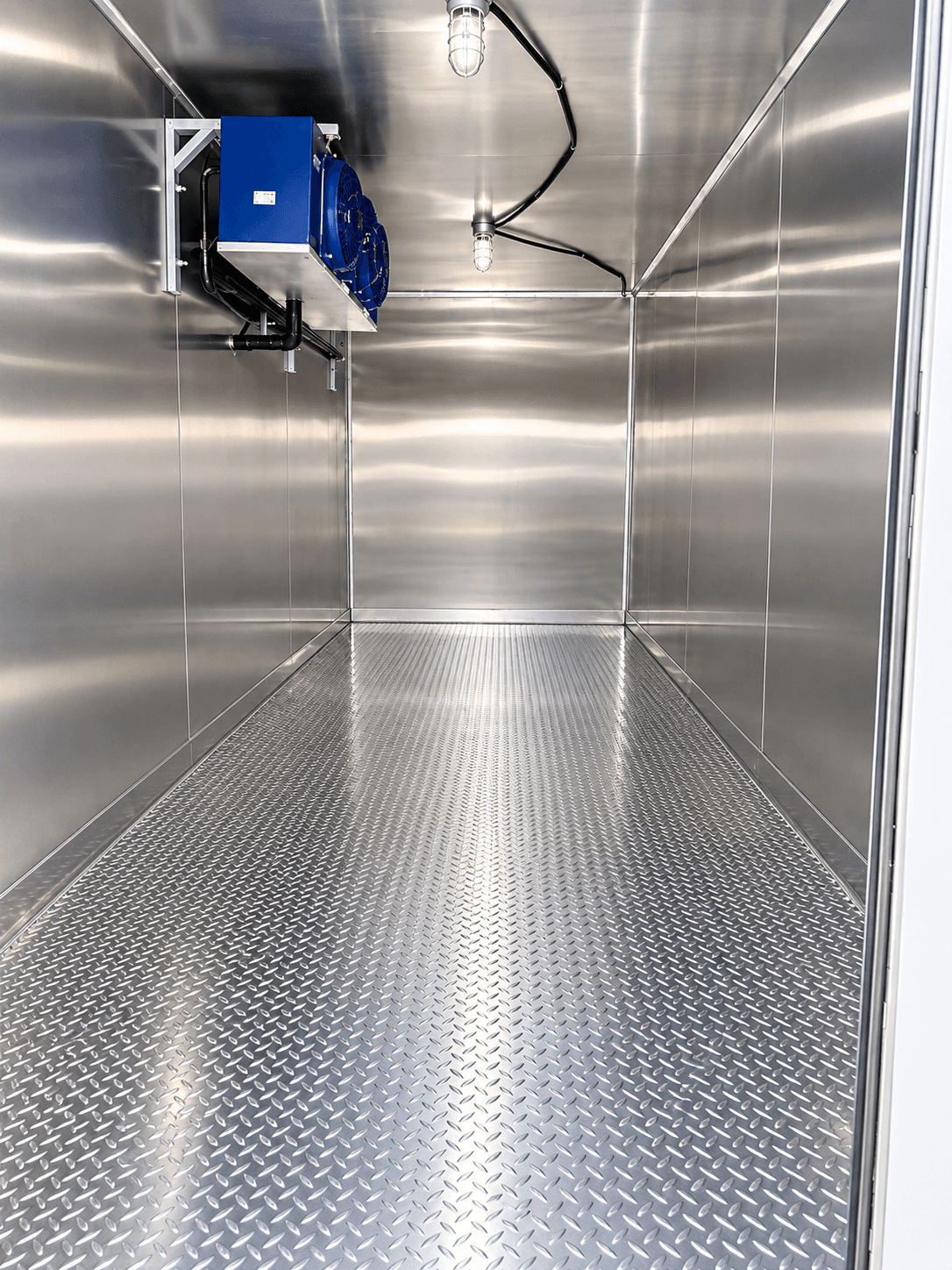
Compare the equipment
These published examples describe named company units. The supplied equipment, configuration and availability are confirmed for your project address.
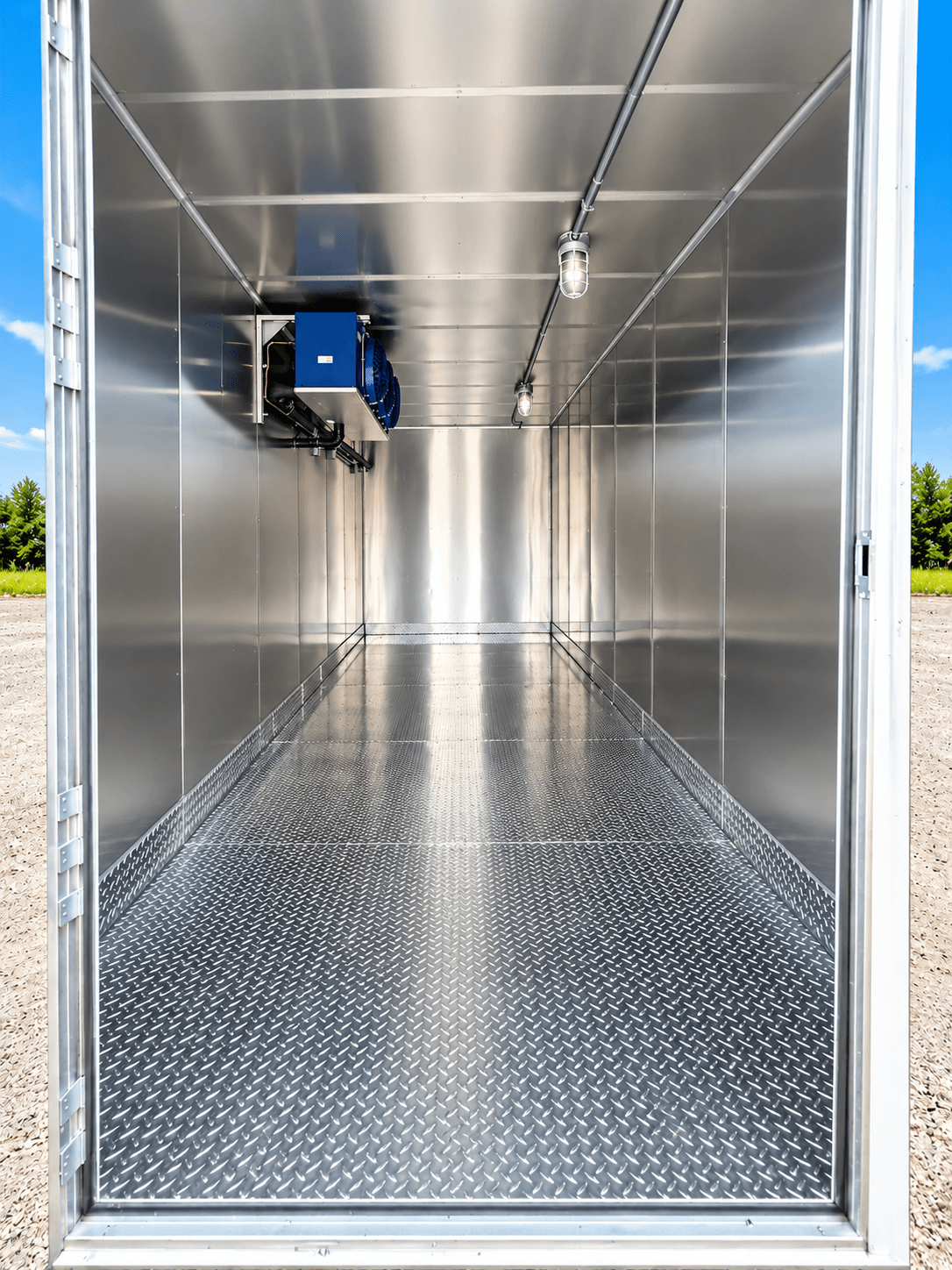
Listed refrigeration trailer equipment: condensing unit, amps panel, lighting.
Equipment records reviewed October 19, 2026. Temperature labels are inventory labels, not verified operating ranges. Nominal length is a model label, not a measure of usable space or site footprint.
NOAA’s 2022 Georgia climate summary reviews the state’s history of tropical-cyclone impacts, including Hurricane Michael in 2018. It supplies statewide background, not evidence of conditions at a Brunswick yard. An interrupted operation must establish whether the proposed receiving space and services can be used before deciding where refrigeration should stand. A freezer inquiry needs the goods and required conditions, but it also needs a person authorized to approve the location. If the kitchen serving a work site closes, clarify whether staff meals continue through another arrangement. Dishwashing requirements may change with that operating choice. The request should identify the temporary storage function directly, rather than assuming every interrupted industrial site needs the same group of facilities.
When the work involves controlled-yard storage planning, the 20ft Refrigerated Container guide is a practical next read, covering how to organize stock for a longer stay and after-hours access to the unit before a quote is requested.
Georgia Ports Authority’s April 24, 2024 terminal-agreement announcement described new dock upgrades and a warehouse at Mayor’s Point Terminal in Brunswick. The port owner’s record is a dated example of investment in a complex logistics setting. It does not establish that its cargo requires rented food storage, or that our business worked there. For a separate commercial property, the relevant comparison is coordination between an approved receiving area and other movements in a busy yard. Describe where refrigerated goods would be held, who retrieves them and whether routine vehicle movements continue alongside temporary equipment. The proposal should respond to your operating plan rather than treating a public port’s facilities as a model for every local site.
Nearby guides can help frame your questions. Hinesville’s guide covers small-site receiving changes, citing the Hinesville entry “South Main Street streetscape project”. For a different working situation, Savannah’s guide covers hospitality functions. Each reflects its own property and schedule, so confirm your Brunswick details separately.
When an industrial dining facility closes for repairs in Brunswick or St. Marys, Georgia, supplier deliveries may continue before an alternative receiving position has been agreed. Compare supplier arrival windows with staff break patterns, then identify a receiving position that the site manager can review.
A hypothetical refurbishment of a Brunswick staff-service building may temporarily move receiving outside its usual footprint. Begin with the tasks that must continue, then draw the smallest practical operating area around them. A kitchen relocation can change the number and timing of incoming orders. Dishwashing returns need an assigned place that does not obstruct access to cold storage or occupy the transfer route. Keep the freezer stock record distinct from general stores, packaged supplies and construction materials. If the work proceeds by room, identify when each function loses its permanent space and how staff learn the revised arrangement. This makes the plan usable across shifts without relying on a supervisor to explain every stock movement from memory.
Operators near Brunswick can also compare Valdosta’s guide, which covers separate building and operating schedules. Compare its questions with your own schedule and property.
St. Marys, Kingsland and Country Club Estates are nearby communities with separate property identities; an inquiry in one should include its actual address. A Brunswick billing office does not settle where the refrigeration transport should go. For a controlled site, identify the authorized gate and the contact who can explain entry requirements before arrangements are confirmed. Show the approach, on-site turns and proposed refrigerated position without exposing unnecessary security details in public-facing material. Explain whether a representative must accompany a visiting vehicle and whether the rules differ at collection. Site permission and transport suitability require review for the intended period. A nearby place name or a map marker alone cannot establish an acceptable route through a managed property.
A useful cold storage request explains the maximum load, packaging and required conditions together with the receiving pattern. State whether staff move full loads at set intervals or retrieve smaller quantities throughout a shift. Send an approved placement sketch, relevant site electrical information and the proposed rental dates, marking any uncertain end milestone. Ask the quotation to distinguish equipment suitability, rental period, transport arrangements and collection conditions. If access approval is still pending, say so rather than presenting it as settled. The public port record provides local development context only. Your address, operating requirements and reviewed agreement determine the proposal, with availability and final charges confirmed through the inquiry rather than inferred from nearby industrial activity.
Before you book
Give the intended gate, a coordinating contact and a clear description of any entry process that must be arranged. Identify controlled turns or placement limits on a plan. Further details can be reviewed with the appropriate contacts before transport is agreed for the requested dates.
Yes, if it identifies who receives, retrieves and records goods during each shift. Explain the busiest overlap and any handover between supervisors. The refrigerated arrangement should be understandable from the plan rather than depending on one person always being present to direct staff.
No. Public development records describe the port owner’s work, not your inventory or a rental need. Base the request on the actual goods, conditions and operating tasks at your property. Any proposed equipment arrangement still requires address-specific review and availability confirmation.
These public references inform the planning examples; equipment availability and delivery arrangements are confirmed for your address.
Temporary refrigeration, kitchens and dishwashing can support many kinds of food-service operations. Each setting below starts with its own schedule, stock and site questions, and every project is reviewed individually.
Hotels, restaurants and resorts can plan temporary refrigeration around breakfast, banquet and dinner service when a walk-in cooler fails or a kitchen is refurbished.
Hospital, nursing home and care-facility kitchens can describe meal schedules, delivery times and displaced stock so temporary storage follows the food-service routine.
Municipal, county and public-building food-service teams can outline receiving arrangements, responsible contacts and project dates before a quote is prepared.
Dining facility managers can explain the products displaced, the receiving arrangements and the proposed period, then review availability and terms with our team.
Schools, colleges and universities can plan around term dates, serving windows and campus kitchen renovations so meal service can continue during repairs or construction.
Plant cafeterias and employee dining areas can describe shift patterns and staged building work so temporary cold storage can be reviewed against the working schedule.
Caterers and venues can plan preparation windows, event days and overflow ingredients, and describe how stock moves between storage, the kitchen and service.
Producers, wholesalers and distributors can describe loading, staging and storage needs when a cooler breaks down or demand temporarily exceeds capacity.
These examples describe planning situations. Equipment, availability and terms are confirmed in a project quote.
Cold storage is only one part of a project. These are the questions we work through with you before anything is booked.
Start with refrigerated containers and refrigeration trailers, then add a temporary kitchen or dishwashing trailer when the project needs one, all in a single conversation.
Access, utilities and the intended position are reviewed before delivery is arranged, so the equipment is matched to your site rather than the other way around.
Whether a walk-in cooler failed this morning or a renovation is months away, describe the real situation and plan around the stock, dates and people involved.
Planning guides cover all 50 states and more than 700 cities. Your address is then confirmed for equipment and delivery.
Use the rental calculator for a rate-range estimate and setup amount, then request a project quote that confirms availability, transport and the rental period.