BXRT20–1Refrigerated trailer
- Nominal length
- 20ft
- Listed electrical supply
- 220V · single-phase · 40–60A
- Inventory temperature label
- 32°F
Temporary cold storage in Hinesville, Georgia
Hinesville refrigerated container rentals can be discussed with kitchen and dishwashing rentals when an operating change affects several food-service tasks. Emergency freezer breakdowns demand a stock decision, while planned service-room alterations allow receiving to be reorganized in advance. Short-term rentals and longer leasing requests can be reviewed for restaurants, industrial properties, institutions, venues and other commercial customers. Delivery coordination should identify a workable entrance, approved equipment position and a site contact familiar with the surrounding activity. Describe the refrigeration conditions and the schedule you want to maintain. Request availability and an address-specific quote from Worldwide Refrigerated Container Rental Facilities before assuming a temporary layout is suitable.
Emergency cooler or freezer failure in Hinesville? A person answers rental inquiries 24/7. Availability and delivery timing are confirmed in your quote.
Plan your rental budget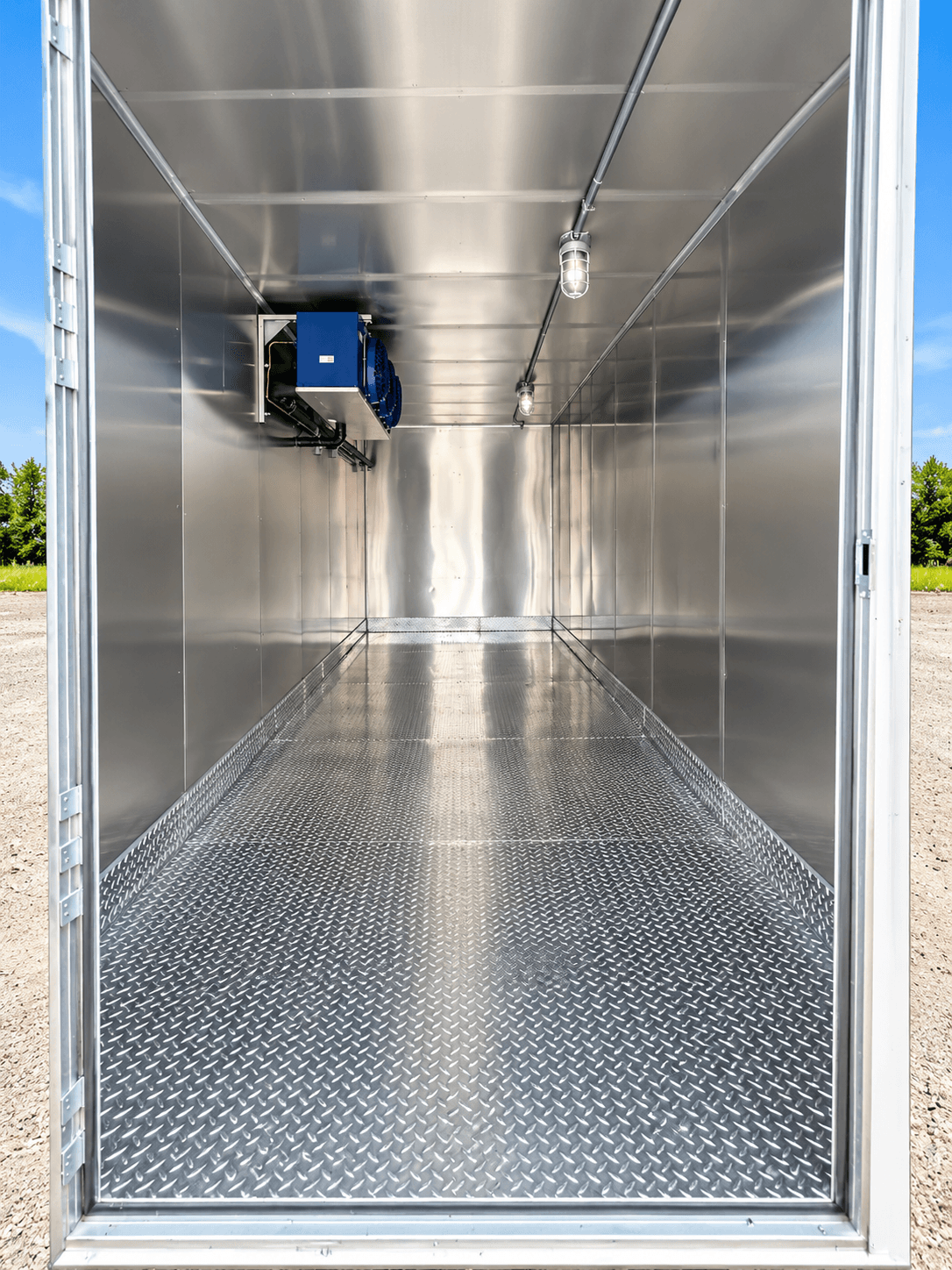
Compare the equipment
These published examples describe named company units. The supplied equipment, configuration and availability are confirmed for your project address.
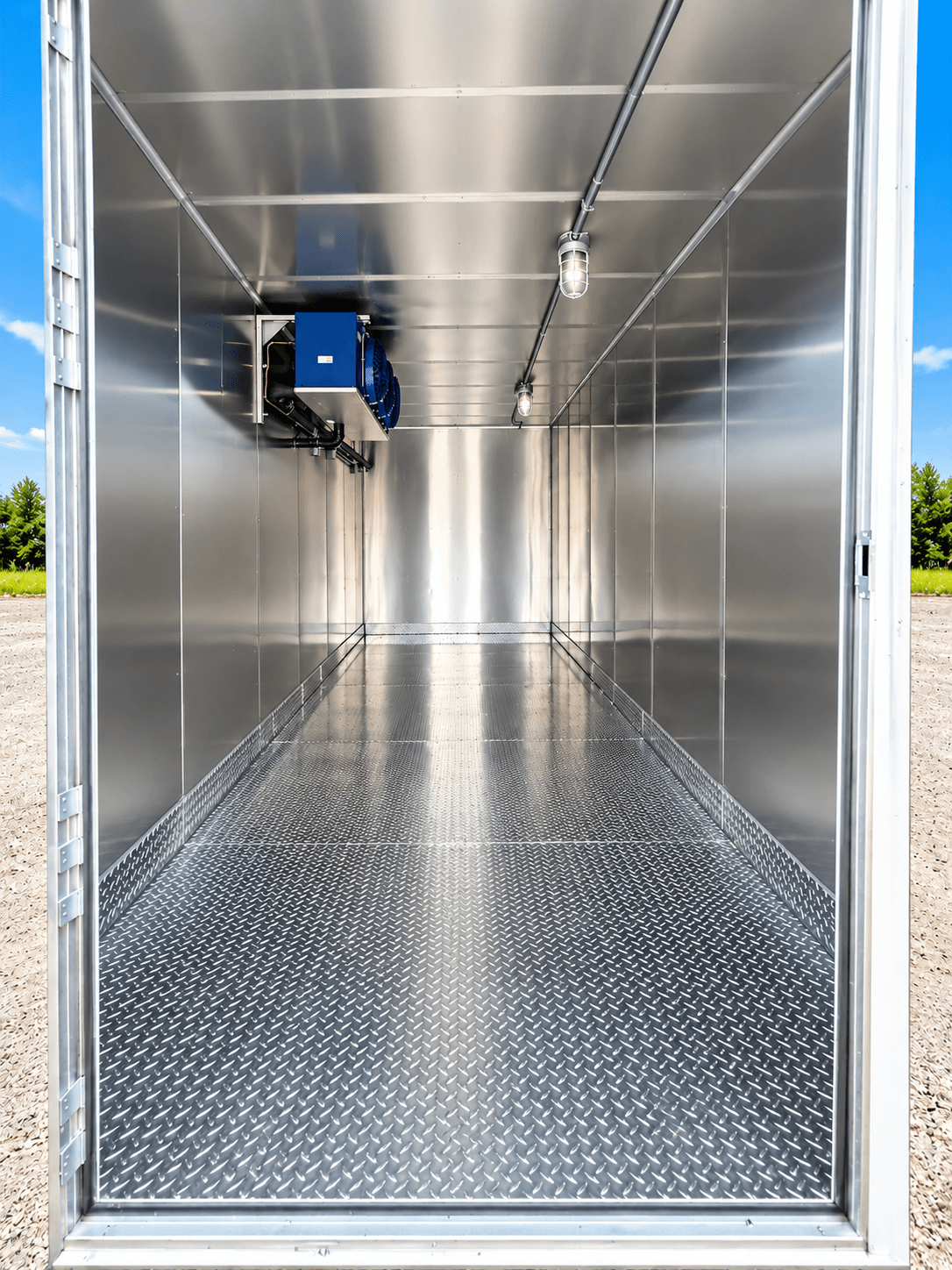
Listed refrigeration trailer equipment: condensing unit, amps panel, lighting.
Equipment records reviewed October 19, 2026. Temperature labels are inventory labels, not verified operating ranges. Nominal length is a model label, not a measure of usable space or site footprint.
NOAA’s 2022 Georgia summary identifies tropical storms and hurricanes among the state’s historical weather influences. It is statewide background rather than a report of an outage in Hinesville. An equipment interruption still requires specific operating choices: will receiving pause, will purchasing be reduced, or will goods continue arriving while permanent refrigeration is repaired? Identify the goods committed under each option and who can approve the decision. A kitchen maintaining limited service may need a smaller daily stock but more frequent retrieval. Dishwashing can continue for another use of the same building. Explain those differences in the inquiry so the proposed cooler arrangement addresses the selected operation instead of trying to cover every possible scenario simultaneously.
Planning small-site receiving changes raises equipment questions that the 20ft Refrigerated Container guide answers in more detail, including how to organize stock for a longer stay and the ground and drainage beneath the unit.
Hinesville’s South Main Street project page describes a three-phase streetscape approach and records sewer-replacement activity planned for February 19–23, 2024 before paving. That historical municipal sequence is a useful example of how utility work can precede the visible surface improvements. It does not establish current restrictions or a rental need at a nearby property. For a separate commercial project, ask the contractor when normal receiving becomes unavailable and which gate remains usable. Temporary cold storage may be required before finish work begins if a service connection must be isolated. Include that earlier operating date in the request rather than basing the rental solely on the visible construction period.
Several neighboring guides cover situations that resemble parts of an inquiry from Hinesville. Savannah’s guide is organized around hospitality functions. A separate comparison is Brunswick’s guide, which covers controlled-yard storage planning. Bring the same practical questions about access, timing and storage to your Hinesville inquiry.
For healthcare meal planning in Hinesville or Richmond Hill, Georgia, a menu revision can affect the mix of ingredients even when the overall service timetable remains unchanged. Keep the proposed dates and receiving instructions with the dining brief, and identify who updates staff when the working arrangement changes.
A hypothetical small Hinesville business may have only one route between its receiving door and a temporary refrigerated unit. Draw the goods movement through that route before allocating every open space to equipment. Kitchen preparation, waste removal and dishwashing returns can compete for the same passage without adding much visible floor area. Identify who uses it at the busiest time and whether stock arrives in larger deliveries or smaller replenishments. A freezer placed nearest the door is not automatically the most workable position if the approach becomes obstructed. Discuss the operating layout with the authorized property representative, then give the quote reviewer the agreed constraints and any unresolved questions about placement.
For another comparison, the guide for operators in Augusta covers working facilities. It is background reading, not a statement about Hinesville.
Walthourville, Richmond Hill and Glennville are nearby communities with their own receiving properties. Use the intended equipment address rather than Hinesville as a broad regional destination when the unit would stand elsewhere. On a compact site, provide photographs from the entrance through to the proposed cold storage position and mark public or shared routes. Explain whether a landlord, neighboring occupier or site manager controls the available space. If contractor parking changes during the work, identify who can keep the route under review. Refrigeration placement and collection must be assessed against those actual conditions. A short distance on a map does not establish permission, a turning path or a transport commitment.
Send the goods, packaging, required holding conditions and largest simultaneous stock load for the operation you intend to maintain. Include the proposed rental period, site electrical information from an appropriate representative and the contact authorized to approve placement. State whether the request covers an emergency equipment fault or a planned service-room closure, and which milestone would end the need. Ask the proposal to explain its equipment basis, rental period, address-specific transport and collection assumptions. Flag any undecided operating choice instead of hiding it inside an inflated stock estimate. Availability and final charges need review for the actual request. The historical street-work example informs the sequence of questions, not the present conditions or price at your property.
Before you book
Provide its layout and known restrictions for review before assuming equipment can be placed nearby. Explain all the activities sharing the route and identify who controls it. The site and transport assessment may need further measurements or a different proposed position.
Describe the preferred operation and explain the alternatives separately. Combining incompatible scenarios can obscure the actual stock load and access needs. Ask which information remains necessary to review the chosen plan, and update the inquiry when the operating decision changes.
Tell us which spaces are approved and which remain under discussion. Include the authorized contact and any conditions applying to the intended rental period. A tentative equipment position should remain clearly provisional until the property and transport arrangements have been reviewed.
These public references inform the planning examples; equipment availability and delivery arrangements are confirmed for your address.
Temporary refrigeration, kitchens and dishwashing can support many kinds of food-service operations. Each setting below starts with its own schedule, stock and site questions, and every project is reviewed individually.
Hotels, restaurants and resorts can plan temporary refrigeration around breakfast, banquet and dinner service when a walk-in cooler fails or a kitchen is refurbished.
Hospital, nursing home and care-facility kitchens can describe meal schedules, delivery times and displaced stock so temporary storage follows the food-service routine.
Municipal, county and public-building food-service teams can outline receiving arrangements, responsible contacts and project dates before a quote is prepared.
Dining facility managers can explain the products displaced, the receiving arrangements and the proposed period, then review availability and terms with our team.
Schools, colleges and universities can plan around term dates, serving windows and campus kitchen renovations so meal service can continue during repairs or construction.
Plant cafeterias and employee dining areas can describe shift patterns and staged building work so temporary cold storage can be reviewed against the working schedule.
Caterers and venues can plan preparation windows, event days and overflow ingredients, and describe how stock moves between storage, the kitchen and service.
Producers, wholesalers and distributors can describe loading, staging and storage needs when a cooler breaks down or demand temporarily exceeds capacity.
These examples describe planning situations. Equipment, availability and terms are confirmed in a project quote.
Cold storage is only one part of a project. These are the questions we work through with you before anything is booked.
Start with refrigerated containers and refrigeration trailers, then add a temporary kitchen or dishwashing trailer when the project needs one, all in a single conversation.
Access, utilities and the intended position are reviewed before delivery is arranged, so the equipment is matched to your site rather than the other way around.
Whether a walk-in cooler failed this morning or a renovation is months away, describe the real situation and plan around the stock, dates and people involved.
Planning guides cover all 50 states and more than 700 cities. Your address is then confirmed for equipment and delivery.
Use the rental calculator for a rate-range estimate and setup amount, then request a project quote that confirms availability, transport and the rental period.