BXRT20–1Refrigerated trailer
- Nominal length
- 20ft
- Listed electrical supply
- 220V · single-phase · 40–60A
- Inventory temperature label
- 32°F
Temporary cold storage in Tyler, Texas
Tyler refrigeration trailer rentals can support a commercial storage plan when a walk-in freezer fails or a planned renovation closes the usual receiving area. Refrigerated containers, kitchen facilities and dishwashing equipment can be discussed according to the work actually affected. Worldwide Refrigerated Container Rental Facilities handles short rental inquiries and longer lease planning for restaurants, hospitality operators, schools and industrial food service. Tell us what stock must move, how often staff need access and when the permanent equipment is expected back. Bring the delivery address so coordination can be reviewed, then request equipment availability and a Tyler project quote.
Emergency cooler or freezer failure in Tyler? A person answers rental inquiries 24/7. Availability and delivery timing are confirmed in your quote.
Plan your rental budget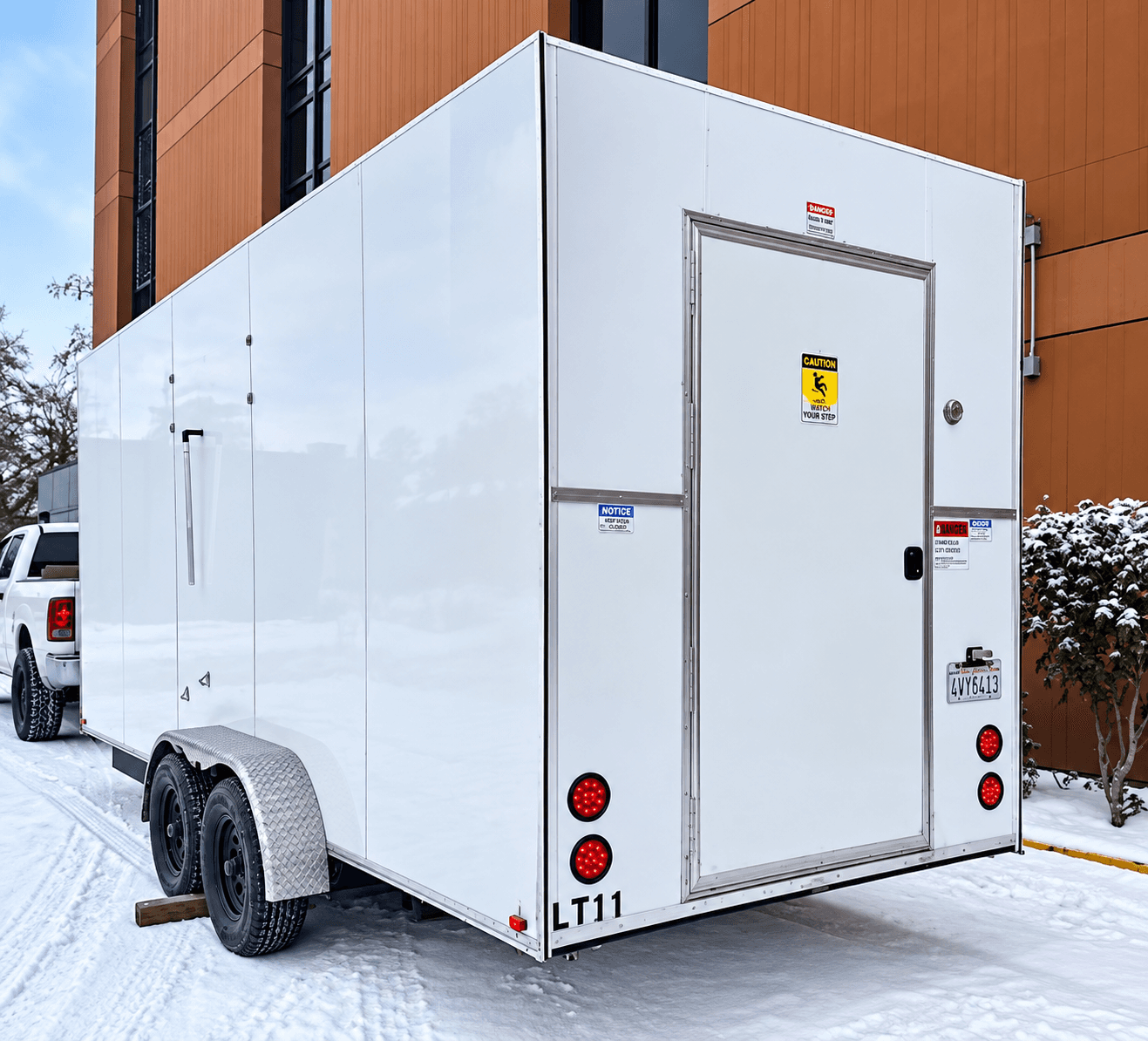
Compare the equipment
These published examples describe named company units. The supplied equipment, configuration and availability are confirmed for your project address.
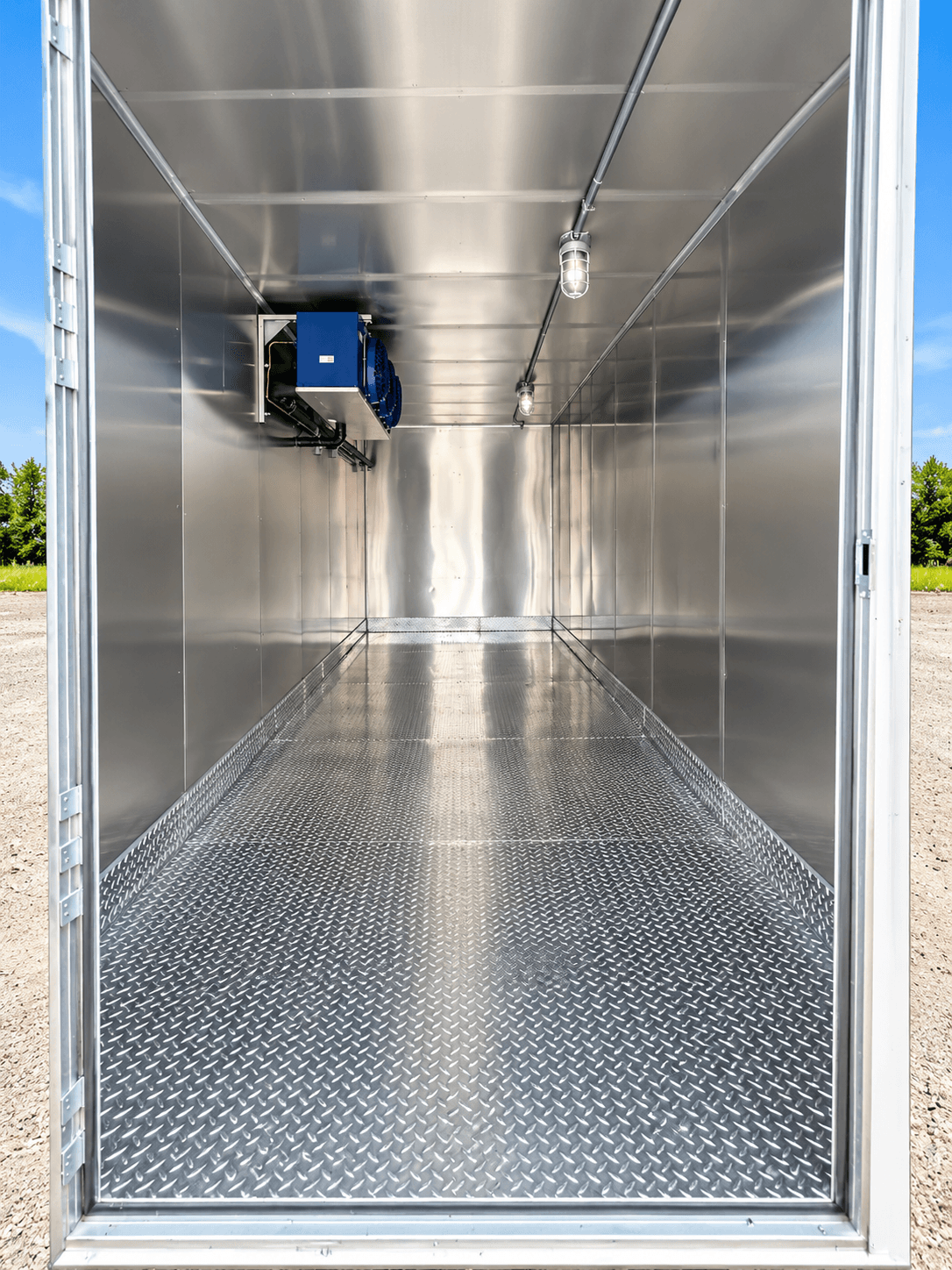
Listed refrigeration trailer equipment: condensing unit, amps panel, lighting.
Equipment records reviewed October 19, 2026. Temperature labels are inventory labels, not verified operating ranges. Nominal length is a model label, not a measure of usable space or site footprint.
NOAA's Texas summary identifies the summer of 2011 as a major period of heat and drought. Statewide history provides background for a refrigeration contingency; it is not a measurement of a Tyler building or proof of a particular failure. The useful starting point is the equipment that has stopped working and the cold storage that remains available.
A food-service manager in Whitehouse can prepare a concise transfer plan before a breakdown occurs. Record the goods normally held in each cooler, the receiving contact and the person authorized to request a rental. Keep that information current without assuming that any unit or delivery slot has already been reserved.
Read the 12ft Refrigerated Trailer guide alongside this page when planning emergency refrigeration trailer rentals and cold storage planning; it looks at which stock must move first and at a handback plan for the end of the rental.
Tyler's public Rose Complex update records that the W. T. Brookshire Conference Center opened in 2023 after the former Harvey Hall was removed. Those facts describe a civic development, not a project supplied by this company. A commercial operator planning a new space should similarly distinguish the building opening from the date refrigerated stock must be transferred.
Nearby guides can help frame your questions. Longview’s guide covers commercial venue renovation, citing the City of Longview entry “September 12, 2024 council agenda”. For a different working situation, Mesquite’s guide covers interim commercial refits. Use them to prepare questions, not to infer availability or terms for Tyler.
Work backward from the first delivery of ingredients and the first service using them. Ask which cold-storage systems will have been commissioned by then and whether a temporary arrangement is needed during the overlap. A kitchen may be installed before its receiving routine is ready; the rental discussion should cover that gap explicitly.
For food distribution teams in Tyler or Bullard, Texas, staggered customer collections may require continued access to reserved stock while temporary equipment is being positioned. Plan how staff will retain lot records and identify allocated goods while confirming access for suppliers and the people collecting orders.
The same city update says the renovated Mayfair Building reopened in April 2024 and describes further Rose Complex improvements planned for fiscal 2025–2026. The dates establish separate stages, without proving that any temporary refrigeration was used. For your Tyler refurbishment, identify the rooms closing at each stage instead of treating the whole project as one shutdown.
For another comparison, the guide for operators in Garland covers temporary stock relocation. Use it as a prompt for your own questions about timing, access and storage.
A business in Chandler could retain preparation space while moving reserve stock out of a room being repaired. Explain the separate cooler and freezer requirements and the route staff will use. If dishwashing is affected too, identify when used items stop returning to the permanent wash area; that may be a different period.
A proposed equipment position should be reviewed from both directions: how the unit reaches the property and how ingredients reach the people using them. Provide entrance photographs, placement details and any limits on the working hours for arrival. Confirm electrical and other connection requirements for the specific refrigerated equipment before the arrangement is accepted.
For a related Bullard location, send fresh access notes and its own responsible contact. Staff carrying kitchen ingredients and employees returning dishwashing items should not have to rely on an assumed route copied from another address. Describe the movements you expect so the site discussion reflects the operation at that property.
The Tyler proposal should connect the chosen cold-storage purpose with the expected start, working period and return to permanent equipment. Include a possible overlap if stock will move in stages. A repaired refrigeration system may need to be checked under your operating procedures before every case is returned, so avoid an unexplained collection date.
Ask how transport, rental-period changes and any other charges will be described in the quote. Discuss kitchen and dishwashing arrangements as separate work areas where applicable, with their own responsibilities. Current equipment availability, usable layout and terms are confirmed through the project review; the city examples on this page do not set those business facts.
Before you book
No. A public development supplies local context, not evidence of an equipment order. Your refrigeration inquiry should explain the actual gap in storage and the dates agreed by your own project team.
Describe them separately, including the peak stock and access routine. Discuss whether the proposed cooler or freezer arrangement suits those jobs rather than treating every cold room as interchangeable.
Include the kitchen and dishwashing needs in the inquiry with their expected working periods. Keep the refrigeration requirement clear, because restoring one part of a food-service operation does not automatically restore every other part.
These public references inform the planning examples; equipment availability and delivery arrangements are confirmed for your address.
Temporary refrigeration, kitchens and dishwashing can support many kinds of food-service operations. Each setting below starts with its own schedule, stock and site questions, and every project is reviewed individually.
Hotels, restaurants and resorts can plan temporary refrigeration around breakfast, banquet and dinner service when a walk-in cooler fails or a kitchen is refurbished.
Hospital, nursing home and care-facility kitchens can describe meal schedules, delivery times and displaced stock so temporary storage follows the food-service routine.
Municipal, county and public-building food-service teams can outline receiving arrangements, responsible contacts and project dates before a quote is prepared.
Dining facility managers can explain the products displaced, the receiving arrangements and the proposed period, then review availability and terms with our team.
Schools, colleges and universities can plan around term dates, serving windows and campus kitchen renovations so meal service can continue during repairs or construction.
Plant cafeterias and employee dining areas can describe shift patterns and staged building work so temporary cold storage can be reviewed against the working schedule.
Caterers and venues can plan preparation windows, event days and overflow ingredients, and describe how stock moves between storage, the kitchen and service.
Producers, wholesalers and distributors can describe loading, staging and storage needs when a cooler breaks down or demand temporarily exceeds capacity.
These examples describe planning situations. Equipment, availability and terms are confirmed in a project quote.
Cold storage is only one part of a project. These are the questions we work through with you before anything is booked.
Start with refrigerated containers and refrigeration trailers, then add a temporary kitchen or dishwashing trailer when the project needs one, all in a single conversation.
Access, utilities and the intended position are reviewed before delivery is arranged, so the equipment is matched to your site rather than the other way around.
Whether a walk-in cooler failed this morning or a renovation is months away, describe the real situation and plan around the stock, dates and people involved.
Planning guides cover all 50 states and more than 700 cities. Your address is then confirmed for equipment and delivery.
Use the rental calculator for a rate-range estimate and setup amount, then request a project quote that confirms availability, transport and the rental period.