BXRT20–1Refrigerated trailer
- Nominal length
- 20ft
- Listed electrical supply
- 220V · single-phase · 40–60A
- Inventory temperature label
- 32°F
Temporary cold storage in Edinburg, Texas
Edinburg refrigerated containers for rent can be considered when a commercial cooler breaks down and stored ingredients need another suitable space. Refrigeration trailers may also form part of planned work, with kitchen and dishwashing requirements reviewed where those operations are interrupted. Short-term rentals and longer leasing discussions should follow the expected repair or refurbishment period. Worldwide Refrigerated Container Rental Facilities works with commercial inquiries from restaurants, institutions, caterers and industrial operators. Give us the delivery address, product requirements and working dates so transport coordination can be discussed. Request availability and a quote for your Edinburg project.
Emergency cooler or freezer failure in Edinburg? A person answers rental inquiries 24/7. Availability and delivery timing are confirmed in your quote.
Plan your rental budget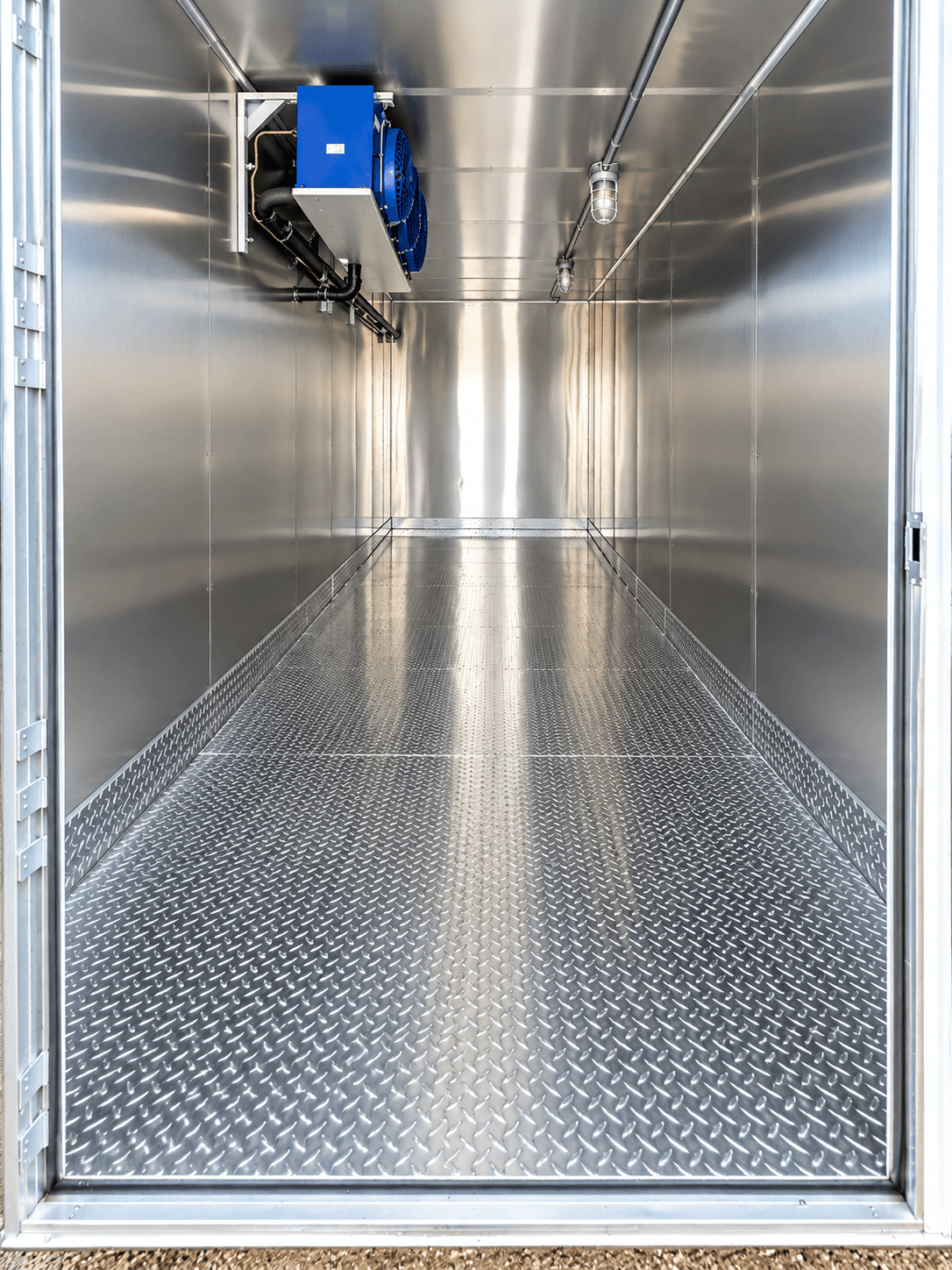
Compare the equipment
These published examples describe named company units. The supplied equipment, configuration and availability are confirmed for your project address.
Listed refrigeration trailer equipment: condensing unit, amps panel, lighting.
Equipment records reviewed October 19, 2026. Temperature labels are inventory labels, not verified operating ranges. Nominal length is a model label, not a measure of usable space or site footprint.
Texas has experienced both severe heat and heavy rainfall, as described in NOAA's 2022 state climate summary. Its account of the 2011 heat and drought is historical state context, not a claim about conditions at a particular Edinburg business. When refrigeration fails, explain whether the interruption concerns one unit, several rooms or the site's wider utilities.
Identify the chilled ingredients needed for the next service and the frozen reserve that can be handled differently. For an operator coordinating with McAllen, tell us where the goods are actually held. A nearby-city reference cannot replace the property address or establish which cooler arrangement is practical there.
Read the 20ft Refrigerated Container guide alongside this page when planning rent during repairs and renovations; it looks at the ground and drainage beneath the unit and at after-hours access to the unit.
Edinburg's May 2023 departmental report discussed preparing for the future Arts, Culture and Events Center, with an anticipated 2024 operating period. That is a dated forecast rather than evidence of a completed rental job. The city's later ACE Center information confirms the facility as a public cultural venue, without establishing this company's participation.
Readers in Edinburg may also want to compare how other nearby cities approach their projects. McAllen’s guide focuses on food-service operations, and a separate reading is Brownsville’s guide on multi-site stock planning. Bring the same practical questions about access, timing and storage to your Edinburg inquiry.
The same distinction helps a commercial team considering new premises. Confirm the date cold storage must be available independently of a forecast building milestone. Record when deliveries start, when staff can enter the kitchen and which permanent systems have been accepted. A refrigeration rental should have a defined purpose through that transition.

For hospitality teams in Edinburg or San Juan, Texas, breakfast service and an evening function can draw on shared ingredients at different points in the day. Request a proposal that distinguishes the equipment period from the property's wider works schedule and identifies arrangements needing separate confirmation.
The city's arts organization records its work toward using the former Sam Houston Elementary School as a cultural-center location. Adapting an existing building is different from starting with an empty site. Your own refurbishment inquiry should explain the retained services, the rooms under construction and the cold-storage capacity removed during each stage.
For another comparison, the guide for operators in Corpus Christi covers catering and refits. It is background reading, not a statement about Edinburg.
A food-service operation in San Juan may need its cooler accessible while contractors work elsewhere, whereas an Edinburg site might move all reserve stock temporarily. Describe the actual arrangement rather than borrowing either example as a specification. Add a dishwashing requirement only when the wash process is affected, identifying how it will connect with the remaining work.
Send photographs showing the proposed position, entrance and everyday route for products. Tell us about gates, shared vehicle space and the staff contact who can explain property restrictions. Ask for the actual refrigerated unit's connection needs and layout. Those details belong in the site review before an equipment choice becomes a booking.
For a related Alamo address, confirm permissions and receiving instructions separately. The movement of kitchen supplies and dishwashing returns may make an apparently open space unsuitable for daily work. Map those movements in plain language so temporary cold storage can be discussed as part of the operation, with no assumed delivery radius or arrival time.
Include the busiest quantity of stored goods, the required conditions and the expected rental period in your Edinburg request. A refrigeration plan for frequent ingredient retrieval differs from one holding reserve cases until construction ends. Explain whether staff need access throughout the shift and how the final transfer back to permanent storage will happen.
Ask the quote to separate the proposed equipment and transport arrangements from any additional charges or responsibilities. If cooking or washing facilities are part of the work, describe their periods of use as well. Current rates and availability need confirmation for the actual property; municipal project documents do not provide those details.
Before you book
Use a separate address and site contact for each location. Refrigeration requirements may be similar, but the entrance, permitted position and utility arrangements still need to be reviewed for the specific property.
Identify the equipment that has failed, the products needing storage and the cold space still usable. Follow your own product-safety procedures; the refrigeration rental discussion addresses the proposed replacement space and its practical requirements.
Explain the kitchen and dishwashing interruptions alongside the main refrigeration request. Describe what remains operational and when each work area is needed, so the project conversation can consider the separate tasks without assuming a standard package.
These public references inform the planning examples; equipment availability and delivery arrangements are confirmed for your address.
Temporary refrigeration, kitchens and dishwashing can support many kinds of food-service operations. Each setting below starts with its own schedule, stock and site questions, and every project is reviewed individually.
Hotels, restaurants and resorts can plan temporary refrigeration around breakfast, banquet and dinner service when a walk-in cooler fails or a kitchen is refurbished.
Hospital, nursing home and care-facility kitchens can describe meal schedules, delivery times and displaced stock so temporary storage follows the food-service routine.
Municipal, county and public-building food-service teams can outline receiving arrangements, responsible contacts and project dates before a quote is prepared.
Dining facility managers can explain the products displaced, the receiving arrangements and the proposed period, then review availability and terms with our team.
Schools, colleges and universities can plan around term dates, serving windows and campus kitchen renovations so meal service can continue during repairs or construction.
Plant cafeterias and employee dining areas can describe shift patterns and staged building work so temporary cold storage can be reviewed against the working schedule.
Caterers and venues can plan preparation windows, event days and overflow ingredients, and describe how stock moves between storage, the kitchen and service.
Producers, wholesalers and distributors can describe loading, staging and storage needs when a cooler breaks down or demand temporarily exceeds capacity.
These examples describe planning situations. Equipment, availability and terms are confirmed in a project quote.
Cold storage is only one part of a project. These are the questions we work through with you before anything is booked.
Start with refrigerated containers and refrigeration trailers, then add a temporary kitchen or dishwashing trailer when the project needs one, all in a single conversation.
Access, utilities and the intended position are reviewed before delivery is arranged, so the equipment is matched to your site rather than the other way around.
Whether a walk-in cooler failed this morning or a renovation is months away, describe the real situation and plan around the stock, dates and people involved.
Planning guides cover all 50 states and more than 700 cities. Your address is then confirmed for equipment and delivery.
Use the rental calculator for a rate-range estimate and setup amount, then request a project quote that confirms availability, transport and the rental period.