BXRT20–1Refrigerated trailer
- Nominal length
- 20ft
- Listed electrical supply
- 220V · single-phase · 40–60A
- Inventory temperature label
- 32°F
Temporary cold storage in Mesquite, Texas
Mesquite cold storage rentals help commercial teams define another holding location when a cooler or freezer unexpectedly fails. Refrigeration trailers and containers can also be discussed for interim refurbishment, with kitchen and dishwashing needs reviewed if normal work areas change. Short repair rentals and longer lease periods should follow the stock displaced and the sequence of operations. Restaurants, caterers, schools and institutional dining managers can describe their products and project dates. Worldwide Refrigerated Container Rental Facilities can review delivery coordination at the proposed Mesquite premises. Send the stock requirements and property details to request equipment availability and a current project quote.
Emergency cooler or freezer failure in Mesquite? A person answers rental inquiries 24/7. Availability and delivery timing are confirmed in your quote.
Plan your rental budget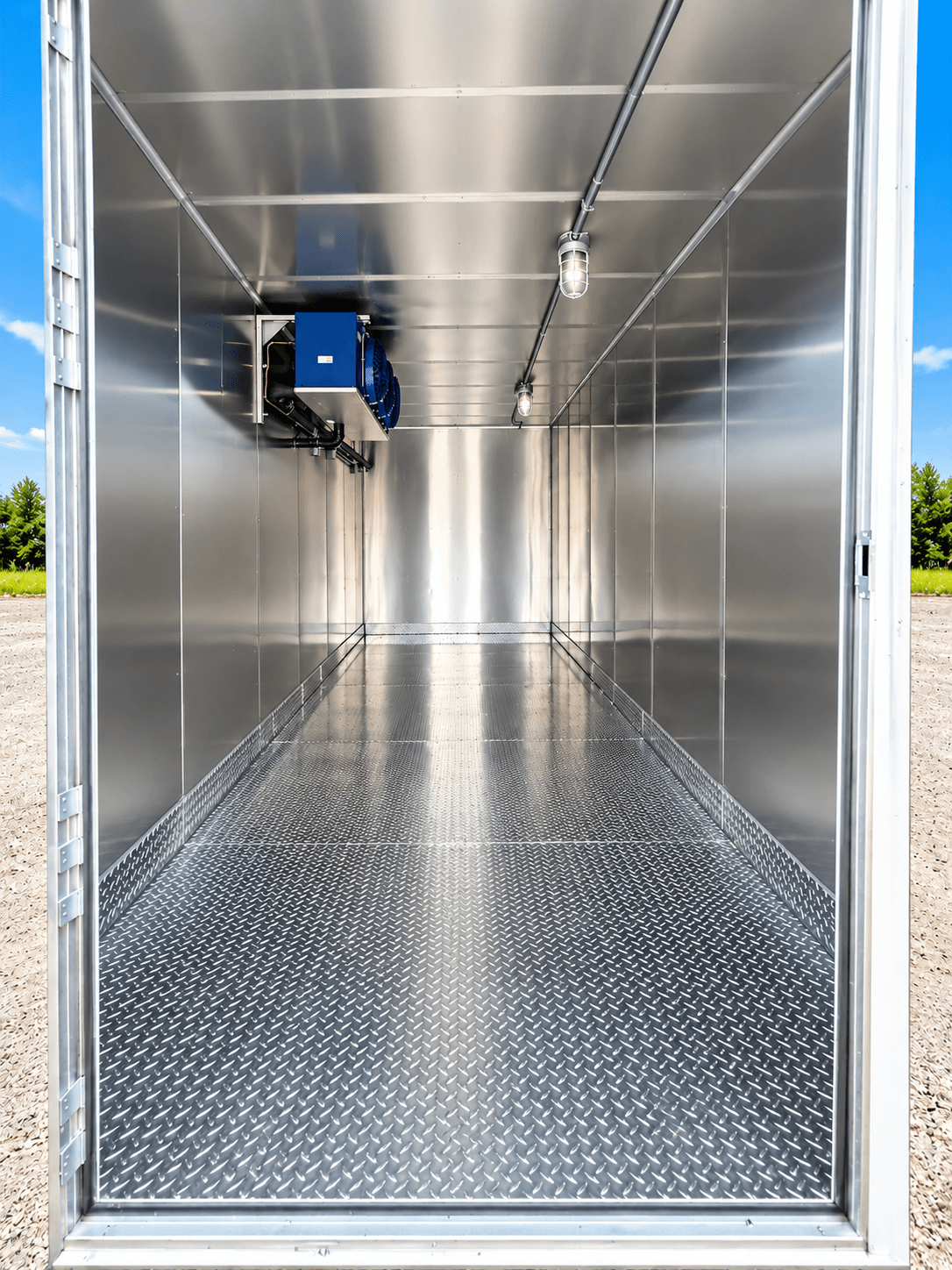
Compare the equipment
These published examples describe named company units. The supplied equipment, configuration and availability are confirmed for your project address.
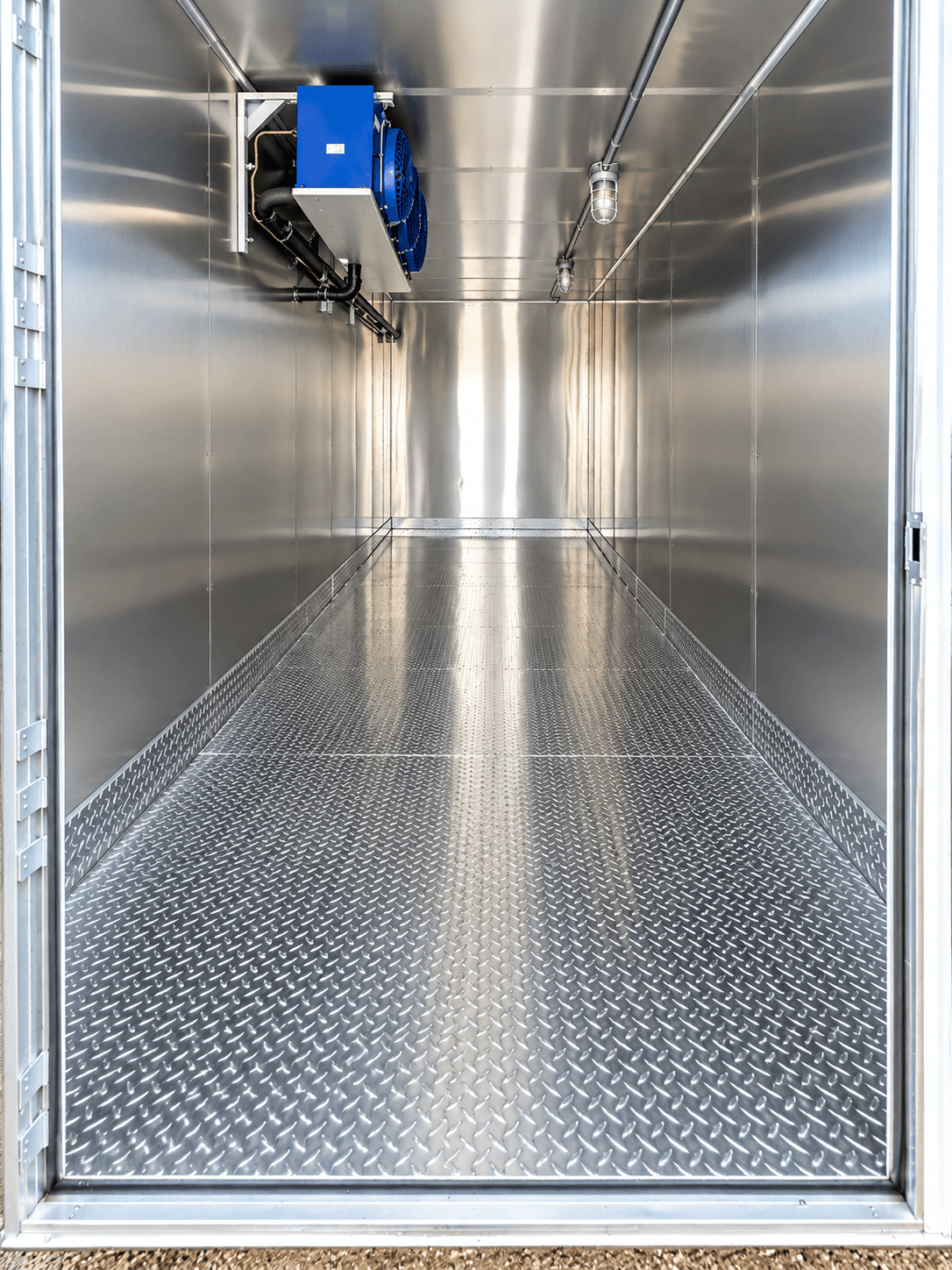
Listed refrigeration trailer equipment: condensing unit, amps panel, lighting.
Equipment records reviewed October 19, 2026. Temperature labels are inventory labels, not verified operating ranges. Nominal length is a model label, not a measure of usable space or site footprint.
The National Weather Service documents ice, snow and extended cold across North and Central Texas during February 2021. That is historical regional context, without establishing today’s conditions at a Mesquite property. A refrigeration inquiry should explain whether the failed room is the only interruption or whether other site services have changed. For a commercial business planning an interim refit, an unexpected cooler fault can bring the stock move forward. Identify what was due to remain in place and what now needs another location. Explain kitchen production and dishwashing changes that affect the temporary workflow. The refrigerated proposal should follow the revised situation, not the earlier work plan that assumed permanent storage would remain usable.
To turn this local picture of interim commercial refits into an equipment shortlist, start with the 20ft Refrigerated Container guide and its notes on after-hours access to the unit and the ground and drainage beneath the unit.
Mesquite’s 2025–2029 library strategic plan discusses future replacement buildings and potential new branches. These are planning recommendations, not a declaration that all construction is funded or underway. The library system is not described as a refrigeration customer. At an unrelated Mesquite commercial project, distinguish an interim operating period from a possible later move into new premises. Identify which kitchen or dishwashing functions remain in the existing building during that period. A refrigerated request should address the defined near-term gap, with assumptions about future facilities explicit instead of using a long-range replacement idea to imply a confirmed opening or a reserved equipment arrangement.
Nearby guides can help frame your questions. Garland’s guide covers temporary stock relocation. For a different working situation, Dallas’s guide covers food-service changeovers. Treat each as background for your own questions rather than a description of conditions in Mesquite.
For healthcare food-service inquiries in Mesquite or Sunnyvale, Texas, the responsible facility lead can provide product handling requirements alongside the quantities expected during each receiving period. Ask the dining supervisor to describe the stock transfer and staff handover needed before the temporary equipment can be released for collection.
The same strategic plan proposes interim work to extend the Main Library’s life while a larger building is considered. It mentions courtyard and roof-related changes as recommendations. This is dated local refurbishment context, without a claim of temporary refrigeration there. For a Mesquite commercial refit, explain what the interim work achieves and which cooler space is affected. Kitchen receiving and dishwashing returns may continue while one area changes. Identify whether the stock will return to the original room before a separate future move. Temporary refrigeration should be discussed for that actual transition, rather than assume that an interim upgrade and a later replacement form one continuous shutdown or rental period.
Another nearby guide, Richardson’s, covers commercial recovery plans, citing the City of Richardson entry “August 2022 department-relocation notice”. It describes a different property and is useful mainly for the questions it raises.
A Sunnyvale business should give its own receiving instructions even if procurement is handled in Mesquite. Balch Springs sites need their authorized access representative, while Forney premises should describe restrictions at the actual property. These Census references supply geographic context, not claims of combined transport or completed company work. At the Mesquite address, show the proposed refrigerated position for the interim refit and identify any later phase that changes it. Provide measured restrictions and the staff retrieval path. Include kitchen or dishwashing equipment using the same area on the plan. Property permission should be confirmed for the current phase, without treating a speculative future-site layout as approval for today’s operating premises.
Send the goods, required conditions, intended dates and the reason refrigeration is unavailable during the immediate refit. Identify any later replacement project as a separate possibility unless its timetable is confirmed. Ask what equipment, transport and additional items the Mesquite quotation includes. Current availability, charges and rental terms require project confirmation; strategic-plan cost models do not establish rental rates. Explain when stock can return to permanent cold storage after the interim work and who confirms readiness. Discuss changes, extensions and collection coordination for that period. A clear proposal should not silently span a future building move that has different decisions, stock quantities and access requirements.
Before you book
Explain it as context, but distinguish the confirmed interim refrigeration need from a later project whose dates are not established. Ask how a separate future inquiry should be handled rather than assume one arrangement automatically reserves equipment across both.
Identify what the actual work restores and who confirms permanent cold storage is usable. The proposal can then be reviewed around the stock transfer back. A long-range replacement plan does not establish that the existing room must stay unavailable.
Update the quantities, required conditions and earliest need, explaining what changed from the planned sequence. Equipment availability and the revised scope require confirmation; an earlier discussion of future work does not establish a response deadline or a current booking.
These public references inform the planning examples; equipment availability and delivery arrangements are confirmed for your address.
Temporary refrigeration, kitchens and dishwashing can support many kinds of food-service operations. Each setting below starts with its own schedule, stock and site questions, and every project is reviewed individually.
Hotels, restaurants and resorts can plan temporary refrigeration around breakfast, banquet and dinner service when a walk-in cooler fails or a kitchen is refurbished.
Hospital, nursing home and care-facility kitchens can describe meal schedules, delivery times and displaced stock so temporary storage follows the food-service routine.
Municipal, county and public-building food-service teams can outline receiving arrangements, responsible contacts and project dates before a quote is prepared.
Dining facility managers can explain the products displaced, the receiving arrangements and the proposed period, then review availability and terms with our team.
Schools, colleges and universities can plan around term dates, serving windows and campus kitchen renovations so meal service can continue during repairs or construction.
Plant cafeterias and employee dining areas can describe shift patterns and staged building work so temporary cold storage can be reviewed against the working schedule.
Caterers and venues can plan preparation windows, event days and overflow ingredients, and describe how stock moves between storage, the kitchen and service.
Producers, wholesalers and distributors can describe loading, staging and storage needs when a cooler breaks down or demand temporarily exceeds capacity.
These examples describe planning situations. Equipment, availability and terms are confirmed in a project quote.
Cold storage is only one part of a project. These are the questions we work through with you before anything is booked.
Start with refrigerated containers and refrigeration trailers, then add a temporary kitchen or dishwashing trailer when the project needs one, all in a single conversation.
Access, utilities and the intended position are reviewed before delivery is arranged, so the equipment is matched to your site rather than the other way around.
Whether a walk-in cooler failed this morning or a renovation is months away, describe the real situation and plan around the stock, dates and people involved.
Planning guides cover all 50 states and more than 700 cities. Your address is then confirmed for equipment and delivery.
Use the rental calculator for a rate-range estimate and setup amount, then request a project quote that confirms availability, transport and the rental period.