BXRT20–1Refrigerated trailer
- Nominal length
- 20ft
- Listed electrical supply
- 220V · single-phase · 40–60A
- Inventory temperature label
- 32°F
Temporary cold storage in Carrollton, Texas
Carrollton refrigerated container rentals start with the food that needs another reliable storage position after a walk-in cooler or freezer breaks down. Kitchen and dishwashing needs can be discussed when preparation or ware cleaning is also displaced. Worldwide Refrigerated Container Rental Facilities serves commercial and industrial inquiries, including a commercial commissary manager. Emergency repairs and planned renovations need different schedules; short-term rental and longer lease requests should follow the actual stock movement. Describe ingredients for multiple tenant menus and separate packed orders, the intended dates and delivery access. Tell us the address and available site services so we can review coordination and provide availability and a project quote.
Emergency cooler or freezer failure in Carrollton? A person answers rental inquiries 24/7. Availability and delivery timing are confirmed in your quote.
Plan your rental budget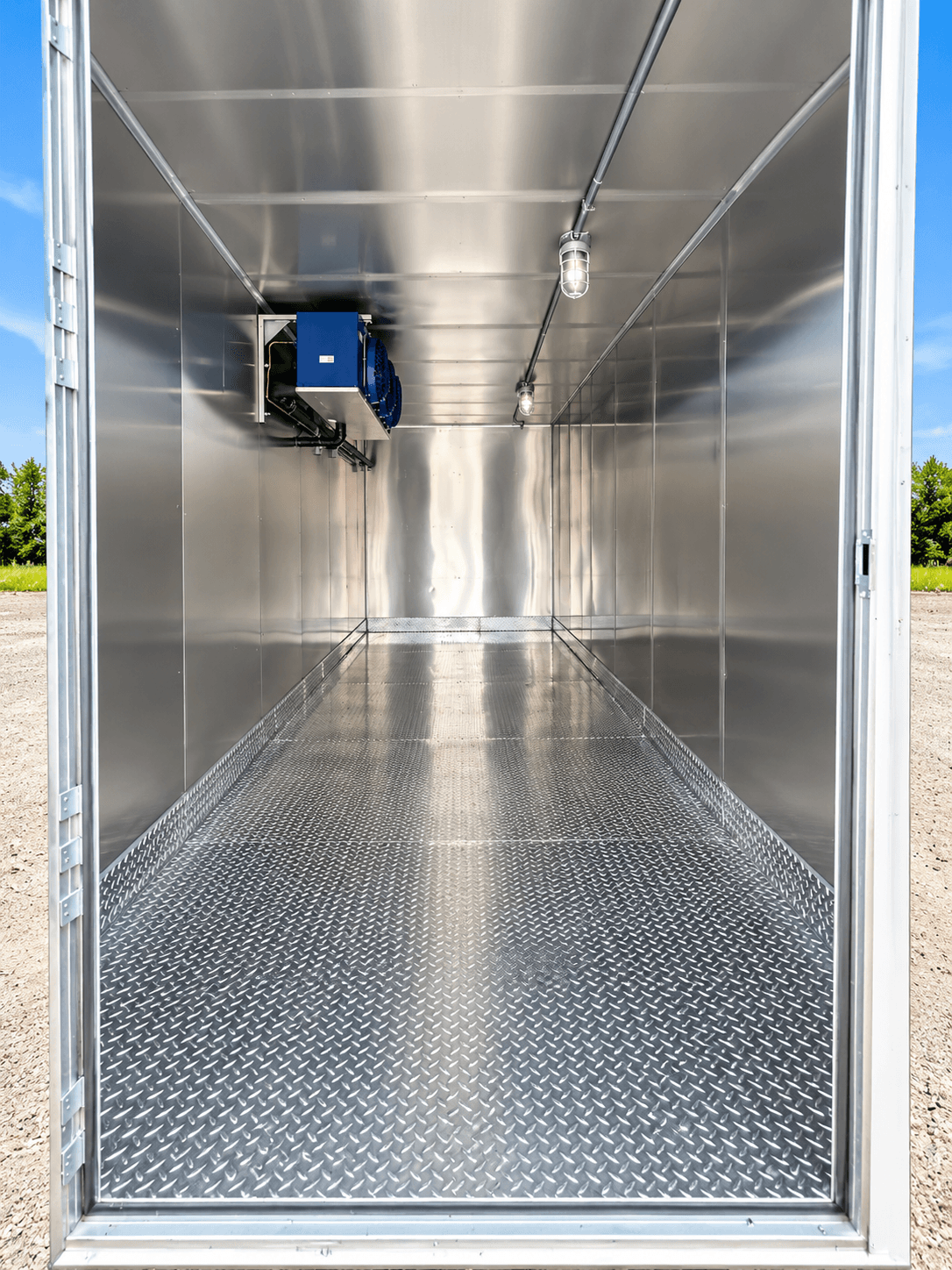
Compare the equipment
These published examples describe named company units. The supplied equipment, configuration and availability are confirmed for your project address.
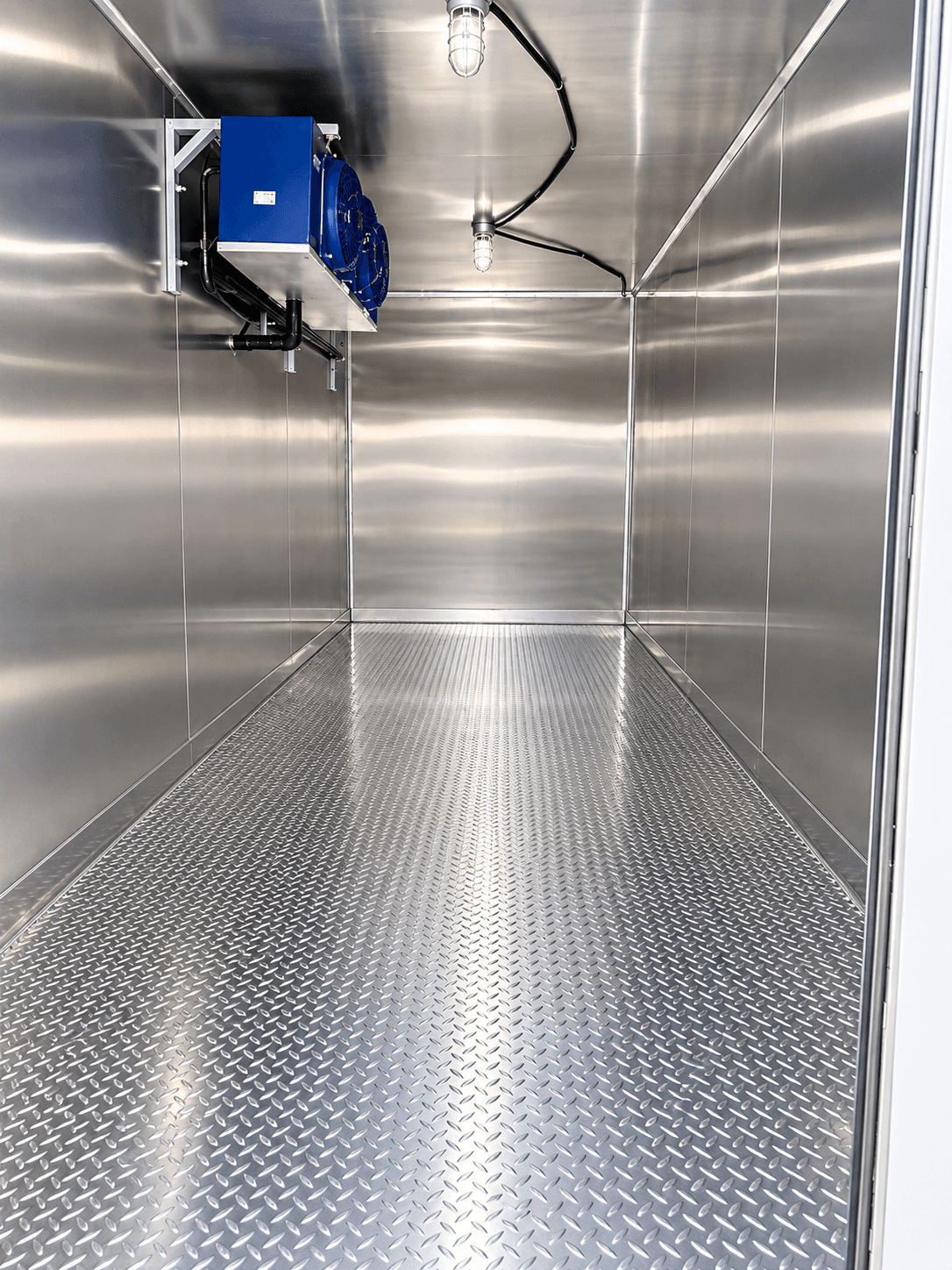
Listed refrigeration trailer equipment: condensing unit, amps panel, lighting.
Equipment records reviewed October 19, 2026. Temperature labels are inventory labels, not verified operating ranges. Nominal length is a model label, not a measure of usable space or site footprint.
In Carrollton, begin with a refrigeration failure before several teams begin preparation. One tenant’s available space cannot automatically absorb every other tenant’s goods. Give the request separate quantities and access times so the proposed position can be reviewed without changing established stock ownership. Record the time the permanent refrigeration stopped working and the goods still held there. Current product decisions stay with the operator’s responsible team. The National Weather Service documents the statewide February 2021 winter-weather event.
In a shared commissary, one tenant’s spare shelves are not automatically available to another operator. During a refrigeration failure, identify ownership, quantities and access times for each affected allocation. The receiving coordinator should know which teams are due to accept deliveries before another order is sent, keeping the replacement inquiry clear about the goods actually displaced.
For commercial food operations, the 40ft Refrigerated Container guide sets out the next questions to settle, starting with how to divide a large interior between teams and then ground preparation for a heavy unit.
Carrollton’s permit portal records the GangJang Market minor-remodel permit issued June 24, 2025 and finaled July 17, 2025. The described work covers electrical changes, partitions and minor demolition. Use the published milestone as context for coordination at Carrollton, without transferring its schedule to another address. A refrigeration request needs the food operation’s own acceptance sequence. The named project is not presented as a completed rental job or an equipment recommendation for its owner.
Nearby guides can help frame your questions. Lewisville’s guide covers commercial concession changes. For a different working situation, Plano’s guide covers institutional food-service changeovers. Bring the same practical questions about access, timing and storage to your Carrollton inquiry.
A renewed commissary can reopen to its tenants in stages. Ask each kitchen operator when it starts taking ingredients, and identify dishwashing tasks that remain shared during that period. Review the refrigerated load when those first deliveries overlap, with the original ownership and release records preserved rather than combining unrelated tenant stock into an undivided estimate.
For healthcare food-service teams in Carrollton or Addison, Texas, scheduled meal rounds and supplier receiving windows can create different demands on the same ingredient supply. State the food-service requirements clearly and identify a facility contact who can review the actual proposed equipment, placement and receiving arrangements.
A Carrollton operator considering a commissary’s partition and electrical upgrade should begin with the stock movement. A small physical alteration can interrupt several users if it crosses shared services. Identify which operations remain inside, who can authorize the transfer and how each team will recognize its own products after relocation. Review refrigeration around the operating sequence, including any goods that return before the rest of the refurbishment is finished.
Operators near Carrollton can also compare Irving’s guide, which covers consolidated receiving plans. Compare its questions with your own schedule and property.
Partition or electrical work can interrupt a common service used by several tenants. The kitchen teams should agree the last stock transfer before that isolation and tell dishwashing staff which route remains approved. Plan refrigeration through the affected areas’ separate acceptance dates, with each tenant confirming when its products can return to the normal allocation.
At the Carrollton property, photograph and measure the proposed entrance while explaining different tenants arriving at the same loading door. Receiving in Addison may follow another timetable, and a Farmers Branch manager should provide the entrance actually used by staff. Describe the Coppell address independently when another facility belongs to the same operator.
Several tenants may arrive at one loading door without sharing authority to receive equipment. Name the authorized receiver and confirm the refrigerated position with the property representative. Review cold-storage connections there, then identify how each affected team retrieves its goods while another operator is unloading or the contractor changes access to common areas.
The proposed Carrollton rental period should account for the final tenant operation returned to permanent storage. Supply the load, conditions, opening transfer and final return date, with uncertain milestones marked as such. Ask for the refrigerated equipment and transport assumptions in writing so later revisions can be compared against the original operating plan.
The Carrollton proposal should identify the last tenant returning to permanent storage and any goods that remain outside between partial handbacks. Ask how refrigeration charges, collection and extensions are agreed for that sequence. Current transport and responsibility for connection work should be stated with the same tenancy and stock assumptions, rather than inferred from a general shared-building description.
Before you book
Describe ingredients for multiple tenant menus and separate packed orders and the final tenant operation returned to permanent storage. Explain the failed refrigeration, current goods and required conditions, with the first supplier arrival and the person making the receiving decision. That gives the proposal an operating sequence to review.
For a commercial commissary manager, retain clear ownership of stock shared within a commissary. Kitchen and dishwashing requests depend on the functions actually displaced. Review the refrigerated position against the full work period, including the final stock return and any change to the accepted program.
Tell the Carrollton property team about ingredients for multiple tenant menus and separate packed orders and explain different tenants arriving at the same loading door. Availability and charges require an address-specific refrigeration proposal. Confirm the receiving contact, site services and conditions before accepting the arrangement; a public project notice cannot supply those details.
These public references inform the planning examples; equipment availability and delivery arrangements are confirmed for your address.
Temporary refrigeration, kitchens and dishwashing can support many kinds of food-service operations. Each setting below starts with its own schedule, stock and site questions, and every project is reviewed individually.
Hotels, restaurants and resorts can plan temporary refrigeration around breakfast, banquet and dinner service when a walk-in cooler fails or a kitchen is refurbished.
Hospital, nursing home and care-facility kitchens can describe meal schedules, delivery times and displaced stock so temporary storage follows the food-service routine.
Municipal, county and public-building food-service teams can outline receiving arrangements, responsible contacts and project dates before a quote is prepared.
Dining facility managers can explain the products displaced, the receiving arrangements and the proposed period, then review availability and terms with our team.
Schools, colleges and universities can plan around term dates, serving windows and campus kitchen renovations so meal service can continue during repairs or construction.
Plant cafeterias and employee dining areas can describe shift patterns and staged building work so temporary cold storage can be reviewed against the working schedule.
Caterers and venues can plan preparation windows, event days and overflow ingredients, and describe how stock moves between storage, the kitchen and service.
Producers, wholesalers and distributors can describe loading, staging and storage needs when a cooler breaks down or demand temporarily exceeds capacity.
These examples describe planning situations. Equipment, availability and terms are confirmed in a project quote.
Cold storage is only one part of a project. These are the questions we work through with you before anything is booked.
Start with refrigerated containers and refrigeration trailers, then add a temporary kitchen or dishwashing trailer when the project needs one, all in a single conversation.
Access, utilities and the intended position are reviewed before delivery is arranged, so the equipment is matched to your site rather than the other way around.
Whether a walk-in cooler failed this morning or a renovation is months away, describe the real situation and plan around the stock, dates and people involved.
Planning guides cover all 50 states and more than 700 cities. Your address is then confirmed for equipment and delivery.
Use the rental calculator for a rate-range estimate and setup amount, then request a project quote that confirms availability, transport and the rental period.